
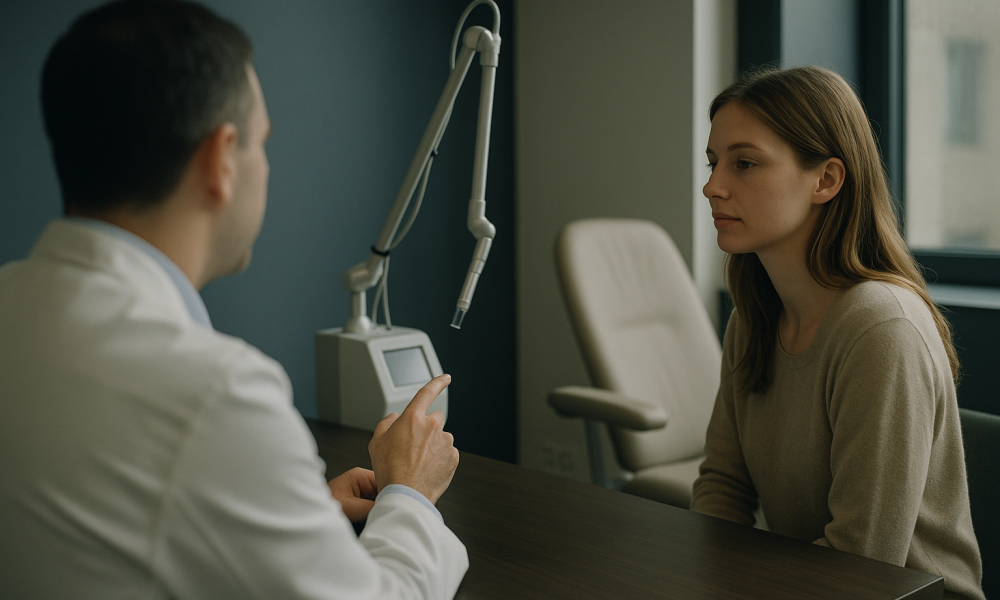
What Laser Skin Rejuvenation is and who it is for
Laser skin rejuvenation is a cosmetic procedure that uses laser technology to improve the appearance of the skin. It is designed to address a variety of skin concerns such as fine lines, wrinkles, age spots, acne scars, and uneven skin tone. The treatment works by delivering focused light beams to the skin’s surface, promoting collagen production and encouraging the skin’s natural healing processes.
There are several types of laser skin rejuvenation techniques, including ablative and non-ablative lasers. Ablative lasers remove the outer layers of damaged skin, stimulating the growth of new skin cells, whereas non-ablative lasers target the underlying skin tissue without damaging the surface. This makes non-ablative treatments less invasive with shorter recovery times.
Turkey has become a popular destination for laser skin rejuvenation due to its skilled practitioners, advanced technology, and competitive pricing. The procedure is particularly appealing to international patients, including those from Canada, who seek high-quality care coupled with the opportunity to recuperate in a culturally rich and scenic environment.
Laser skin rejuvenation is ideal for individuals looking to enhance their skin’s appearance with minimal downtime. It is suitable for both men and women and can be tailored to address specific skin concerns. However, as with any cosmetic procedure, it is important to have realistic expectations and understand that results may vary depending on individual skin types and conditions.
Patients considering this treatment in Turkey should be aware that while the procedure is generally safe, it does carry potential risks and side effects, such as redness, swelling, and temporary changes in skin pigmentation. Consulting with a qualified dermatologist or cosmetic surgeon is essential to determine the most appropriate treatment plan and to discuss any potential risks and benefits.
Are you a good candidate?
Determining if you are a good candidate for laser skin rejuvenation involves evaluating several factors related to your skin type, health status, and cosmetic goals. This procedure is typically suitable for individuals who are in good general health and have realistic expectations about the outcomes. Here are some criteria to consider:
- Skin Concerns: Ideal candidates are those looking to address specific skin issues such as fine lines, wrinkles, sun damage, acne scars, or uneven pigmentation.
- Skin Type: While laser treatments can be tailored to various skin types, individuals with lighter skin tones often experience the best results due to a lower risk of pigmentation changes.
- Overall Health: Candidates should be in good health, without any active skin infections or conditions that could complicate healing.
- Non-Smoker: Smoking can impair the healing process and affect the results, so non-smokers or those willing to quit are preferred.
- Realistic Expectations: Understanding that results can vary and that multiple sessions may be required to achieve desired outcomes is crucial.
- Commitment to Aftercare: Following post-procedure care instructions is essential for optimal results and minimizing side effects.
If you are considering laser skin rejuvenation, a thorough consultation with a qualified provider in Turkey is recommended. During this consultation, your medical history, skin type, and aesthetic goals will be evaluated to determine the most suitable treatment plan. This personalized approach ensures that the procedure aligns with your individual needs and expectations.
It is also important to discuss any medications or supplements you are currently taking, as some may affect your skin’s sensitivity or the healing process. Your provider may advise discontinuing certain products prior to treatment to reduce the risk of complications.
Ultimately, being a good candidate for laser skin rejuvenation means being informed, prepared, and committed to the process. By understanding the criteria and engaging in open communication with your healthcare provider, you can make an educated decision about pursuing this treatment in Turkey.
The procedure, step by step
Undergoing laser skin rejuvenation in Turkey involves a series of carefully orchestrated steps designed to ensure patient safety and optimal results. Understanding these steps can help patients feel more comfortable and prepared for their treatment journey.
- Initial Consultation: The process begins with a comprehensive consultation with a dermatologist or aesthetician. This session, which can occur virtually for international patients, involves discussing your skin concerns, medical history, and desired outcomes. The specialist will evaluate your skin type and condition to determine the most suitable laser technology and settings. It’s crucial to disclose any skin sensitivities or ongoing treatments to tailor the procedure effectively.
- Pre-Procedure Preparation: Prior to the procedure, patients are advised to avoid sun exposure, tanning products, and certain skincare products such as retinoids, typically for two to four weeks. This preparation helps minimise the risk of complications and enhances the laser’s effectiveness. Patients may also be instructed to stop taking blood-thinning medications or supplements, such as aspirin or vitamin E, to reduce the risk of bruising.
- Day of the Procedure: On the day of the treatment, patients should arrive with clean skin, free of makeup, lotions, or other skincare products. The procedure usually takes place in an outpatient setting, which could be a specialised clinic or a hospital’s dermatology department. The session typically lasts between 30 minutes to two hours, depending on the treatment area’s size and the laser type used.
- Application of Anaesthetic: To ensure comfort, a topical anaesthetic cream may be applied to the treatment area about 30 minutes before the procedure. In some cases, local anaesthesia might be used, particularly if a more intensive treatment is planned.
- Laser Treatment: During the procedure, the practitioner will use a handheld device to deliver precise laser energy to the skin. This energy is absorbed by the skin layers, stimulating collagen production and promoting skin renewal. Patients might feel a mild snapping sensation on the skin, which is generally well-tolerated.
- Post-Procedure Care: Once the treatment is complete, a cooling gel or ice pack may be applied to soothe the skin. Patients will receive detailed post-care instructions, including applying prescribed topical treatments to aid healing and protect the skin. Sun protection is crucial, as the skin will be more sensitive to UV rays.
Recovery timeline
Understanding the recovery timeline for laser skin rejuvenation can help patients plan appropriately and manage expectations. The recovery process can vary based on the individual’s skin type, the specific laser used, and the extent of treatment.
| Period | What to Expect | Care Notes |
|---|---|---|
| Day 1 | Mild redness and swelling are common immediately after treatment, akin to a sunburn. | Apply cold compresses to reduce swelling. Use gentle skincare products and avoid touching the face unnecessarily. |
| Days 2-3 | Redness persists; some patients may experience slight crusting or peeling as the skin begins to heal. | Continue with prescribed moisturisers to keep the skin hydrated. Avoid picking at any peeling skin to prevent scarring. |
| Days 4-7 | Redness starts to subside. Skin may feel dry and tight as it continues to renew. | Use a gentle cleanser and hydrating moisturiser. Apply broad-spectrum sunscreen diligently to protect healing skin. |
| Week 2 | Most redness should have diminished. The skin may start to show signs of improvement, appearing smoother and more even-toned. | Resume normal skincare routine, excluding harsh exfoliants. Maintain sun protection to preserve results. |
| Week 3-4 | Full recovery is typically achieved. The skin’s texture and tone should show noticeable enhancement. | Continue using sun protection and follow any ongoing skincare recommendations from your practitioner. |
While full recovery generally occurs within three to four weeks, the timing can vary based on individual factors and the specific type of laser used. Patients should remain in contact with their healthcare provider throughout this period to address any concerns or unexpected reactions.
What it costs: Turkey vs Canada
When considering laser skin rejuvenation, cost is a significant factor for many patients, especially when comparing treatment options internationally. Turkey has become a popular destination for medical tourism, including laser skin treatments, due to its competitive pricing and high-quality care. Here’s a comparison of typical costs for laser skin rejuvenation in Turkey versus Canada. Please note that these figures are indicative and can vary based on the clinic, the specific technology used, and the individual patient’s needs.
| Country | Indicative Price Range (GBP) | Typical Package Inclusions |
|---|---|---|
| Turkey | £500 – £1,200 |
|
| Canada | £1,000 – £2,500 |
|
As illustrated, the cost of laser skin rejuvenation in Turkey is generally lower than in Canada. This price difference can be attributed to various factors, including the lower cost of living in Turkey and the favourable exchange rates. Moreover, many Turkish clinics offer comprehensive packages that include additional services such as airport transfers and local accommodation, making the overall experience more convenient for international patients.
When evaluating costs, it’s essential to consider what is included in the treatment package. In Turkey, many clinics bundle services that provide added value, such as extended post-treatment care and follow-up consultations, which can be beneficial for recovery and results. In contrast, treatments in Canada might require additional out-of-pocket expenses for services that are not included in the base price.
While cost is an important consideration, it should not be the sole factor in your decision-making process. Quality of care, the expertise of the medical team, and the clinic’s reputation are crucial elements to consider. Patients are encouraged to thoroughly research and directly contact clinics to obtain detailed quotes and understand exactly what their treatment package entails.
Risks and how accredited providers manage them
Like any medical procedure, laser skin rejuvenation carries certain risks. Patients considering this treatment should be aware of potential complications and understand how these are managed, particularly when undergoing treatment abroad.
Common risks associated with laser skin rejuvenation include redness, swelling, and temporary discomfort at the treatment site. These side effects are generally mild and resolve within a few days. However, more serious complications can occur, such as burns, scarring, or changes in skin pigmentation. The likelihood of these risks is reduced when the procedure is performed by experienced and accredited professionals.
Accredited clinics in Turkey employ several strategies to mitigate these risks. Firstly, they ensure that all practitioners are highly trained and certified in the use of laser technology. Clinics are often equipped with state-of-the-art laser devices that offer greater precision and safety. These advanced technologies allow for better control over the treatment parameters, reducing the risk of adverse effects.
Prior to the procedure, a thorough consultation is conducted to assess the patient’s skin type, medical history, and treatment goals. This helps in tailoring the treatment plan to the individual’s needs, minimising risks. During this consultation, patients are encouraged to discuss any concerns and are informed about the potential side effects and post-treatment care.
Post-procedure care is crucial in managing risks and ensuring optimal outcomes. Accredited providers typically offer detailed aftercare instructions, which may include the use of soothing creams, sun protection, and guidelines on what to avoid during the recovery period. Follow-up appointments are often scheduled to monitor the healing process and address any complications promptly.
Furthermore, accredited clinics in Turkey adhere to international health and safety standards, which include maintaining a sterile environment and using disposable or properly sterilised equipment. They are also subject to regular inspections by health authorities, ensuring compliance with these standards.
Patients are advised to choose clinics that are accredited by recognised international bodies, as this accreditation is a marker of quality and safety. By selecting a reputable provider, patients can significantly reduce the likelihood of complications and enhance the overall success of their treatment.
In summary, while laser skin rejuvenation is generally safe, understanding the risks and choosing an accredited provider who employs rigorous safety measures can help ensure a smooth and successful treatment experience.
How to choose the right provider
Choosing the right provider for laser skin rejuvenation in Turkey is a crucial step in ensuring a safe and successful treatment. Accreditation is a primary consideration. Look for clinics that are accredited by international organisations such as the Joint Commission International (JCI) or the European Foundation for Quality Management (EFQM). These accreditations indicate that a clinic adheres to high standards of healthcare quality and patient safety.
The experience and qualifications of the surgeon or dermatologist performing the procedure are equally important. It is advisable to choose a provider who has extensive experience in laser skin treatments, ideally with a specialisation in dermatology or cosmetic surgery. Verify their professional credentials and check if they are members of reputable medical associations.
Aftercare services are a significant aspect of your treatment journey. Reputable clinics will offer comprehensive aftercare plans, including follow-up consultations to monitor your recovery. These services may also include recommendations for skincare products and guidance on how to care for your skin post-treatment to enhance results and minimise side effects.
Be vigilant for red flags when selecting a provider. These include clinics that make unrealistic promises about the outcomes or offer significantly lower prices without clear explanations. Also, be cautious of providers who do not offer a pre-treatment consultation, as this is an essential part of assessing your suitability for the procedure and discussing potential risks.
Conduct thorough research by reading patient reviews and testimonials. These can provide insights into the experiences of others and the overall satisfaction with the clinic’s services. Additionally, consider contacting the clinic directly to ask any questions you may have and to gauge their responsiveness and willingness to provide information.
Planning your trip
Planning your trip for laser skin rejuvenation in Turkey involves several important steps. Begin by establishing a timeline for your travel and treatment. It is advisable to schedule your procedure at least 4-6 weeks in advance to allow sufficient time for consultation and preparation. Consider any pre-treatment measures you may need to undertake, such as avoiding sun exposure or certain medications.
Ensure you have all necessary documents ready. Canadian citizens require a valid passport and may need a visa to enter Turkey, which can often be obtained online. It is also wise to carry copies of your medical records, including any relevant dermatological history or previous treatments.
The typical length of stay for laser skin rejuvenation ranges from 5 to 10 days, depending on the complexity of the procedure and your recovery needs. This duration allows time for the initial consultation, the procedure itself, and a short recovery period before travelling back home.
Consider the logistics of your travel, including flights and accommodation. Look for accommodations near the clinic to ease travel stress. Some clinics may offer packages that include hotel stays and airport transfers, which can simplify your arrangements.
Post-treatment follow-up is crucial, especially if complications arise or you need further advice on skincare. Before departure, arrange for follow-up care with your local dermatologist in Canada. This ensures continuity of care and helps address any concerns or adjustments needed post-treatment.
Lastly, prepare for your trip by considering travel insurance that covers medical procedures abroad. This can provide peace of mind by covering unexpected expenses related to your treatment or travel.
Frequently Asked Questions
What is the typical cost range for laser skin rejuvenation in Turkey?
The typical cost for laser skin rejuvenation in Turkey can range from £500 to £1,500, depending on the extent of the treatment and the clinic's location. It's important to note that these figures are indicative and may vary based on individual needs and clinic pricing policies. Always confirm the cost during your initial consultation.
How do I verify a clinic's accreditation?
You can verify a clinic's accreditation by checking their website for logos of accrediting bodies like the Joint Commission International (JCI) or the European Foundation for Quality Management (EFQM). Additionally, you can contact the accrediting organisation directly to confirm the clinic's status. Reputable clinics will also provide this information upon request.
What should I expect during the initial consultation?
During the initial consultation, the dermatologist will assess your skin condition, discuss your treatment goals, and evaluate your suitability for laser skin rejuvenation. They will explain the procedure, potential risks, and expected outcomes. This is also an opportunity for you to ask questions and discuss any concerns you may have about the treatment.
What are the safety measures taken during the procedure?
Safety measures during laser skin rejuvenation include the use of protective eyewear to shield your eyes from laser exposure, precise calibration of the laser equipment to suit your skin type, and adherence to strict hygiene protocols. The practitioner will also monitor your skin's response continuously to ensure safety and efficacy.
How long is the recovery period after the procedure?
The recovery period after laser skin rejuvenation typically lasts from a few days to two weeks, depending on the treatment's intensity and your skin's response. You may experience mild redness, swelling, or peeling. It's crucial to follow post-treatment care instructions, such as avoiding sun exposure and using prescribed skincare products.
Are there any potential side effects?
Common side effects of laser skin rejuvenation include temporary redness, swelling, and mild discomfort. In rare cases, patients may experience blistering, pigmentation changes, or infection. Discuss potential side effects with your provider during the consultation and ensure they have a protocol for managing any adverse reactions.
What follow-up care is required after the treatment?
Follow-up care typically includes scheduled check-ins with your provider to monitor healing and address any concerns. You may also receive recommendations for skincare products to use during recovery. It is important to maintain regular dermatological care upon returning home to ensure optimal results and manage any long-term effects.
How soon can I see the results of the treatment?
Initial improvements from laser skin rejuvenation can often be seen within a week, as redness and swelling subside. However, full results typically develop over several weeks to months as new collagen forms and skin texture improves. Your provider will give you a timeline based on your specific treatment plan.
Can I combine this procedure with other treatments?
Yes, laser skin rejuvenation can often be combined with other cosmetic procedures, such as chemical peels or microdermabrasion, to enhance results. Discuss combination treatments with your provider, who can tailor a plan that addresses your specific skin concerns while ensuring safety and effectiveness.
What should I bring for my stay in Turkey?
When travelling to Turkey for treatment, bring your passport, visa (if required), copies of medical records, and any prescribed medications. Comfortable clothing and skincare essentials are also recommended. If you plan to explore the area, consider packing suitable attire for the local climate and cultural sites.
Is it safe to travel alone for the procedure?
Travelling alone for laser skin rejuvenation is generally safe, but it's advisable to inform family or friends about your travel plans. Consider arranging for local support, such as a patient coordinator, to assist with logistics and communication during your stay. This can provide additional peace of mind.
How can I manage costs effectively?
To manage costs effectively, compare prices from multiple clinics and consider package deals that include accommodation and transfers. Inquire about payment plans or financing options offered by the clinic. Additionally, ensure you understand what is included in the quoted price to avoid unexpected expenses.