
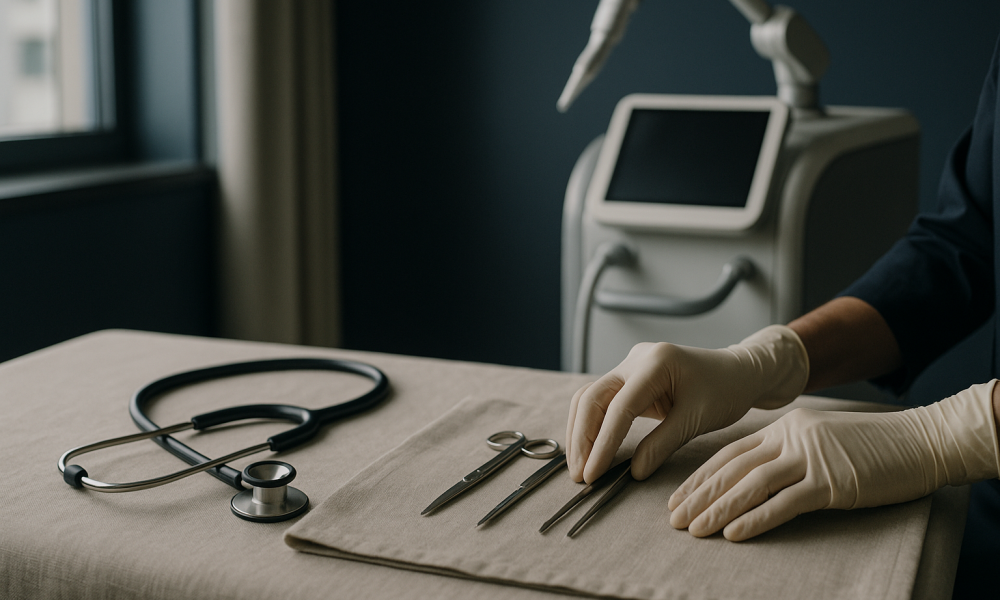
What Laser Skin Rejuvenation is and who it is for
Laser skin rejuvenation is a non-invasive procedure aimed at improving the appearance of the skin by using laser technology to target various skin concerns. This treatment is designed to address issues such as fine lines, wrinkles, sun damage, acne scars, and uneven skin tone. The laser works by delivering concentrated beams of light to the skin’s surface, stimulating collagen production and promoting the regeneration of new skin cells, resulting in a smoother, more youthful appearance.
There are different types of lasers used in skin rejuvenation, including ablative and non-ablative lasers. Ablative lasers, such as CO2 and Erbium lasers, remove the outer layers of the skin, making them suitable for more severe skin issues. Non-ablative lasers, like Nd:YAG and fractional lasers, work beneath the surface of the skin to stimulate collagen growth without removing the top layers, making them ideal for milder conditions.
Laser skin rejuvenation is suitable for individuals who are looking for a non-surgical way to enhance their skin’s appearance. It is particularly beneficial for people experiencing early signs of ageing, such as fine lines and slight sagging, and for those with sun-damaged skin. Additionally, it can be effective for individuals with acne scars or hyperpigmentation.
In Turkey, the procedure is performed by qualified dermatologists and cosmetic surgeons who use state-of-the-art equipment in accredited facilities. Patients from the UK often choose Turkey for its combination of high-quality care and more affordable pricing compared to domestic options. It is crucial to have a consultation with a healthcare provider to assess your skin type and determine the most appropriate laser treatment for your specific needs.
Are you a good candidate?
Determining if you are a good candidate for laser skin rejuvenation involves considering several factors related to your skin type, health status, and cosmetic goals. This procedure is generally safe for a wide range of skin types, but certain conditions may affect its suitability and effectiveness.
Before undergoing the procedure, consider the following checklist to evaluate your candidacy:
- Skin Type: While laser technology has advanced to treat various skin types, individuals with darker skin tones should consult a specialist to minimise the risk of pigmentation changes.
- Overall Health: Candidates should be in good general health. Conditions such as diabetes or autoimmune disorders can affect healing and outcomes.
- Realistic Expectations: It is essential to have realistic expectations about the results. Laser skin rejuvenation can significantly improve skin appearance but will not achieve perfection.
- Non-Smoker: Smoking can impede healing and affect results, making non-smokers better candidates.
- Free from Active Skin Infections: Candidates should not have active infections or severe acne outbreaks at the treatment site.
- Commitment to Aftercare: Successful outcomes require adherence to post-procedure care, including sun protection and skin care regimens.
If you meet these criteria, you are likely a good candidate for laser skin rejuvenation. However, a thorough consultation with a qualified professional is necessary to tailor the treatment to your individual needs, ensuring both safety and efficacy. It’s also important to discuss any medical history or medications you’re taking, as these can affect the procedure and recovery.
The procedure, step by step
Laser skin rejuvenation is a non-invasive procedure that aims to improve the appearance of the skin by reducing wrinkles, scars, and blemishes. Here’s a detailed step-by-step guide on what you can expect during the procedure:
- Initial Consultation: Before undergoing the procedure, you will have a consultation with a dermatologist or a qualified laser technician. During this session, your skin type and concerns will be assessed to determine the most suitable laser treatment. You will also discuss your medical history and any medications you are currently taking.
- Pre-Treatment Preparation: In the days leading up to the procedure, you may be advised to avoid sun exposure and certain skincare products, such as retinoids and exfoliants. You might also be asked to discontinue blood-thinning medications to reduce the risk of bruising.
- Cleansing the Skin: On the day of the procedure, the treatment area will be thoroughly cleansed to remove any makeup, oils, or impurities. This step ensures that the laser can penetrate the skin more effectively.
- Application of Numbing Cream: A topical anaesthetic may be applied to the area to minimise discomfort during the procedure. This cream typically takes about 30 minutes to take effect.
- Laser Treatment: The practitioner will use a laser handpiece to deliver controlled pulses of laser energy to the skin. The duration of the treatment can vary depending on the size of the area being treated, but it typically ranges from 30 minutes to 2 hours. You may feel a warming sensation or a slight snapping feeling on the skin during this process.
- Post-Treatment Cooling: After the laser treatment, a cooling device or cold compresses may be applied to soothe the skin and reduce any immediate discomfort or redness.
- Application of Post-Treatment Products: The practitioner will apply soothing creams or serums to promote healing and protect the skin. You will also receive instructions on how to care for your skin in the days following the treatment.
- Follow-up Appointment: A follow-up appointment may be scheduled to assess your skin’s response to the treatment and determine if additional sessions are needed to achieve your desired results.
Laser skin rejuvenation is generally considered safe when performed by experienced professionals. However, it’s important to have realistic expectations and understand that results can vary based on individual skin types and conditions.
Recovery timeline
Recovery from laser skin rejuvenation varies depending on the type of laser used and the individual’s skin type. Here’s an overview of what you can typically expect during the recovery period:
| Period | What to expect | Care notes |
|---|---|---|
| Day 1 | Immediately following the procedure, your skin may feel warm and appear red, similar to a mild sunburn. Swelling is also common. | Apply cold compresses as needed. Follow your practitioner’s instructions for post-treatment care, which may include applying a prescribed ointment. |
| Days 2-3 | Redness and swelling may persist. Some patients experience a stinging or itchy sensation. | Continue to apply moisturiser and avoid touching or scratching the treated area. Use a gentle cleanser to wash your face. |
| Days 4-7 | The skin may start to flake or peel as it heals. This is a normal part of the process. | Do not pick at peeling skin. Keep the area moisturised and avoid sun exposure. |
| Week 2 | Most of the redness should subside, and your skin may start to show signs of improvement. | Continue using a high-SPF sunscreen daily to protect your skin from UV damage. |
| Weeks 3-4 | By this time, the skin should be mostly healed, with a noticeable improvement in texture and tone. | Maintain a skincare routine that includes gentle products and sun protection. Schedule a follow-up visit if advised. |
| Full Recovery (4-6 weeks) | Complete healing is expected, and the full results of the treatment should be more apparent. Your skin should look rejuvenated and more even-toned. | Continue with a regular skincare regime and periodic check-ups to monitor your skin’s health. |
It’s crucial to adhere strictly to aftercare instructions provided by your healthcare provider to ensure optimal healing and results.
What it costs: Turkey vs the United Kingdom
When considering laser skin rejuvenation, cost is a significant factor for many patients. Turkey has emerged as a popular destination for this procedure, largely due to its cost-effective options compared to the United Kingdom. However, it’s crucial to understand that prices can vary significantly depending on several factors, including the type of laser used, the extent of the treatment area, the clinic’s location, and the experience of the practitioner.
In the United Kingdom, the cost of laser skin rejuvenation can be relatively high. Patients can expect to pay anywhere from £500 to £1,500 per session, depending on the specifics of the treatment. This price usually covers the procedure itself, but additional costs may arise for consultations, follow-up appointments, and aftercare products.
In contrast, Turkey offers more competitive pricing, which is one reason it attracts international patients. The typical cost for a session in Turkey ranges from £200 to £700. This lower pricing does not necessarily reflect a compromise in quality. Many Turkish clinics offer comprehensive packages that include not only the procedure but also consultations, follow-up care, and sometimes even accommodation and transport arrangements.
| Country | Indicative Price Range per Session | Typical Inclusions |
|---|---|---|
| United Kingdom | £500 – £1,500 | Procedure, basic post-treatment care |
| Turkey | £200 – £700 | Procedure, consultation, follow-up care, potential travel and accommodation |
It’s important to note that while the pricing in Turkey is attractive, patients should ensure that they are choosing accredited and reputable providers. The lower cost in Turkey is often due to the country’s lower cost of living and currency exchange rates, rather than a reduction in the quality of care. Prospective patients should research clinics thoroughly, looking for those with international accreditations and positive patient reviews.
In summary, while the cost of laser skin rejuvenation in Turkey is generally lower than in the United Kingdom, the decision should be based on more than just price. Quality of care, provider credentials, and overall patient experience should be at the forefront of your decision-making process.
Risks and how accredited providers manage them
Laser skin rejuvenation is a popular procedure for improving skin appearance, but like any medical treatment, it carries potential risks. Understanding these risks and how they are managed by accredited providers in Turkey can help patients make informed decisions.
Common risks associated with laser skin rejuvenation include redness, swelling, and temporary discomfort in the treated area. These are generally mild and resolve within a few days. However, more serious risks can include burns, scarring, pigmentation changes, and, in rare cases, infection. These risks are largely dependent on the type of laser used, the patient’s skin type, and the expertise of the practitioner.
Accredited providers in Turkey take several steps to mitigate these risks. Firstly, thorough pre-treatment consultations are standard practice. During these consultations, practitioners assess the patient’s skin type, discuss medical history, and set realistic expectations. This helps in tailoring the treatment to minimise risks and enhance outcomes.
Another key aspect of risk management involves the use of advanced, FDA-approved laser technology. Accredited clinics ensure that their equipment is up-to-date and maintained according to manufacturer guidelines. This not only improves treatment efficacy but also reduces the likelihood of adverse effects.
Practitioner expertise is crucial in managing risks. In Turkey, many clinics employ dermatologists and cosmetic surgeons who are experienced in laser treatments. These professionals undergo rigorous training and adhere to international standards, ensuring that procedures are performed safely and effectively.
Post-treatment care is another important factor in risk management. Accredited providers in Turkey typically offer comprehensive aftercare instructions and follow-up appointments to monitor recovery. Patients are advised on how to care for their skin, including the use of specific products to aid healing and protect the treated area from sun exposure, which can exacerbate side effects.
In the event of complications, accredited clinics have protocols in place to address them promptly. Patients are encouraged to report any unusual symptoms immediately, allowing for timely intervention. This proactive approach is part of the commitment to patient safety and satisfaction.
In conclusion, while laser skin rejuvenation has potential risks, choosing an accredited provider in Turkey can significantly mitigate these. Through careful patient assessment, the use of advanced technology, skilled practitioners, and comprehensive aftercare, the likelihood of complications can be greatly reduced, providing patients with peace of mind as they pursue their desired aesthetic outcomes.
How to choose the right provider
Choosing the right provider for laser skin rejuvenation in Turkey is crucial for ensuring a safe and effective treatment experience. Here are several key factors to consider:
- Accreditation: Ensure the clinic is accredited by recognised international bodies such as the Joint Commission International (JCI) or similar European organisations. Accreditation indicates adherence to international healthcare standards.
- Surgeon Experience: Verify the qualifications and experience of the dermatologists or cosmetic surgeons. Ideally, they should have specific training in laser treatments and a track record of successful procedures. Ask about their experience in treating your specific skin type and condition.
- Aftercare Services: Comprehensive aftercare is essential for recovery and maintaining results. Confirm that the clinic offers follow-up consultations and has a clear protocol for managing any complications. Some clinics might provide virtual follow-ups to accommodate international patients.
- Red Flags: Be cautious of clinics that offer significantly lower prices than others, as this may indicate cutting corners on quality or safety. Additionally, avoid providers who guarantee specific outcomes, as results can vary based on individual skin responses.
Researching online reviews and seeking recommendations from trusted sources can also provide insights into the clinic’s reputation and the patient experience. Remember, the lowest cost option is not always the best choice when it comes to healthcare.
Planning your trip
Proper planning is essential when travelling to Turkey for laser skin rejuvenation. Here’s a comprehensive guide to help you prepare:
- Timeline Before Travel: Begin planning your trip at least 2-3 months in advance. This allows ample time for researching clinics, consultations, and arranging travel logistics.
- Documents: Ensure your passport is valid for at least six months beyond your planned return date. You may require a visa to enter Turkey, which can often be obtained online. Additionally, medical documentation such as referral letters or medical history may be necessary, depending on the clinic’s requirements.
- Length of Stay: Plan to stay in Turkey for 5-7 days to allow for the initial consultation, treatment, and a brief recovery period before travelling home. This time frame can vary based on the specific procedure and individual recovery rates.
- Follow-up at Home: After returning home, follow-up care is essential to monitor your skin’s healing process. Arrange for a local dermatologist to manage post-treatment care and address any concerns. Some Turkish clinics may offer remote follow-up services, which can be a practical option.
Consider travel insurance that covers medical procedures abroad, which can provide peace of mind. Additionally, familiarize yourself with local customs and healthcare practices to ensure a comfortable and informed stay.
Frequently Asked Questions
What is the typical cost range for laser skin rejuvenation in Turkey?
The cost of laser skin rejuvenation in Turkey can vary significantly depending on the clinic, the type of laser used, and the extent of the treatment. Typically, you can expect to pay between £300 and £1,200 per session. This range is indicative and it's important to confirm exact prices during your consultation with the clinic.
Are there any risks associated with laser skin rejuvenation?
As with any medical procedure, there are potential risks associated with laser skin rejuvenation. These can include temporary redness, swelling, pigmentation changes, and, in rare cases, scarring or infection. It is crucial to choose a qualified and experienced provider to minimise these risks and discuss any concerns you have during your initial consultation.
How many sessions are generally required for effective results?
The number of sessions needed for effective laser skin rejuvenation can vary based on the individual's skin condition and treatment goals. Typically, patients may require between 3 to 6 sessions, spaced several weeks apart. Your dermatologist will develop a personalised treatment plan during your initial consultation.
What should I look for in a laser skin rejuvenation clinic?
When selecting a clinic, look for accreditation by recognised bodies, experienced and qualified practitioners, comprehensive aftercare services, and positive patient reviews. It's also important to ensure the clinic has state-of-the-art equipment and a transparent pricing structure. Avoid clinics that offer prices significantly lower than the market average.
How soon can I expect to see results after the treatment?
Results from laser skin rejuvenation can vary. Some patients notice improvements in skin texture and tone within a few days, while others may see gradual improvements over several weeks as collagen production increases and the skin heals. Full results typically become more apparent after multiple sessions.
Is there any downtime required after the procedure?
The downtime after laser skin rejuvenation is usually minimal. Most patients experience some redness and swelling for a few days post-treatment, which typically subsides within a week. It's advisable to avoid sun exposure and follow post-care instructions provided by your dermatologist to ensure optimal healing.
What type of laser technology is used in skin rejuvenation?
Laser skin rejuvenation can involve different types of laser technologies, such as fractional, ablative, and non-ablative lasers. Each type targets specific skin issues and depths. Your dermatologist will recommend the most suitable laser technology based on your skin type and desired outcomes during your consultation.
Can I combine laser skin rejuvenation with other treatments?
Yes, laser skin rejuvenation can often be combined with other cosmetic treatments, such as chemical peels or injectables, to enhance overall results. However, it's essential to discuss any combination treatments with your dermatologist to ensure they are safe and appropriate for your skin type and goals.
How do I know if I'm a good candidate for laser skin rejuvenation?
Ideal candidates for laser skin rejuvenation are individuals with realistic expectations who wish to address issues like fine lines, uneven skin tone, or sun damage. A consultation with a qualified dermatologist can determine if the treatment is suitable for your skin type and condition.
What should I expect during the initial consultation?
During the initial consultation, your dermatologist will assess your skin condition, discuss your treatment goals, and review your medical history. They will also explain the procedure, potential risks, expected outcomes, and costs involved. This is a good time to ask any questions you have about the treatment.
What is included in the treatment cost?
The cost of laser skin rejuvenation typically includes the procedure itself, use of the facility, and sometimes initial consultation fees. However, additional costs may apply for follow-up appointments, aftercare products, or if additional treatments are required. Clarify these details with the clinic beforehand.
How long does a typical laser skin rejuvenation session last?
A typical laser skin rejuvenation session can last anywhere from 30 minutes to an hour, depending on the size of the area being treated and the specific laser technology used. Your dermatologist will provide a more precise time estimate based on your individual treatment plan.