
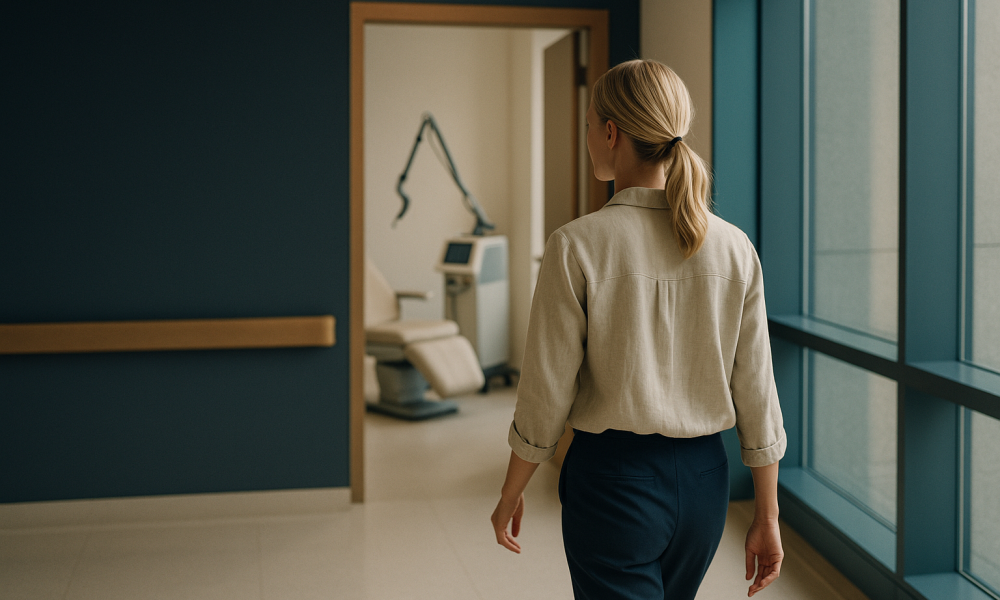
What Laser Skin Rejuvenation is and who it is for
Laser skin rejuvenation is a popular cosmetic procedure aimed at improving the appearance of the skin by reducing signs of ageing, sun damage, and minor skin flaws. The treatment uses concentrated beams of light to remove damaged skin layers, stimulating the growth of new, healthy skin cells. This process can help to diminish wrinkles, fine lines, and blemishes, offering a more youthful and refreshed appearance.
There are several types of laser skin rejuvenation techniques, including ablative and non-ablative lasers. Ablative lasers, such as CO2 and Erbium, work by removing the outer layer of skin and are typically used for more severe skin damage. Non-ablative lasers, on the other hand, target the deeper layers of skin without removing the outer layer, making them less invasive with shorter recovery times. These are often preferred for treating minor imperfections and for patients who cannot afford extensive downtime.
The procedure is suitable for a wide range of skin types and tones, though it is particularly beneficial for individuals with light to medium skin tones. It is crucial for prospective patients to have realistic expectations and to understand that while laser skin rejuvenation can significantly improve skin texture and tone, it is not a permanent solution and may require maintenance sessions.
Turkey has become a leading destination for laser skin rejuvenation, offering high-quality care at competitive prices. The country’s healthcare facilities are equipped with the latest technology and staffed by experienced dermatologists who are adept at catering to international patients. This makes Turkey an attractive option for those seeking effective treatment with the added benefit of enjoying a culturally rich travel experience.
Are you a good candidate?
Determining if you are a good candidate for laser skin rejuvenation involves several considerations. Ideal candidates are those looking to address specific skin concerns, such as fine lines, wrinkles, sun spots, or acne scars, and who possess a healthy skin foundation that can respond well to laser treatment.
Before undergoing the procedure, it is essential to consult with a qualified dermatologist who can assess your skin type and condition to determine the most appropriate laser treatment. Here are some criteria that can help identify if you are a suitable candidate:
- Age: Generally, candidates are adults over the age of 18, though the procedure is most common among individuals aged 30 and above.
- Skin Type: People with lighter skin tones are typically better candidates because they have a lower risk of pigmentation changes post-treatment.
- Skin Condition: Those with mild to moderate skin imperfections, such as fine lines or mild scarring, are ideal candidates. Severe skin conditions may require alternative treatments.
- Overall Health: Candidates should be in good general health, without any conditions that could impair healing, such as autoimmune diseases or uncontrolled diabetes.
- Realistic Expectations: It is important for candidates to have realistic expectations about the outcomes. While the procedure can significantly enhance skin appearance, it will not halt the natural ageing process.
- Commitment to Aftercare: Candidates should be willing to follow a post-treatment care regimen to ensure optimal results and minimise risks, such as avoiding sun exposure and using recommended skincare products.
If you meet the above criteria, laser skin rejuvenation in Turkey could be an excellent choice, offering both medical expertise and a cost-effective solution to achieve your skincare goals.
The procedure, step by step
Laser skin rejuvenation is a sophisticated aesthetic procedure aimed at enhancing the skin’s appearance by reducing signs of ageing, sun damage, and various skin imperfections. The procedure is performed using advanced laser technology, which targets specific areas of the skin with precision. Here’s an in-depth look at the step-by-step process:
- Initial Consultation: The process begins with a comprehensive consultation with a qualified dermatologist or plastic surgeon. This session involves discussing your medical history, current skin condition, and aesthetic goals. The practitioner will assess the suitability of laser treatment for your skin type and outline the expected outcomes and potential risks.
- Pre-procedure Preparation: Prior to the procedure, patients are advised to avoid sun exposure, tanning beds, and specific skincare products, such as retinoids, for at least two weeks. You may also be prescribed antiviral medication if you are prone to cold sores, as laser treatments can sometimes trigger outbreaks.
- Skin Cleansing: On the day of the procedure, the treatment area will be thoroughly cleansed to remove any oils, dirt, or makeup, ensuring the laser can penetrate the skin effectively.
- Application of Numbing Cream: To ensure comfort, a topical anaesthetic cream is usually applied to the skin about 30-60 minutes before the procedure. This helps to minimise any discomfort during the laser application.
- Laser Treatment: Once the skin is prepared, the practitioner will use a laser device to deliver concentrated beams of light to the target areas. The type of laser and duration of the treatment will depend on the specific skin issues being addressed. The laser works by removing the outer layers of skin and stimulating collagen production, which promotes new skin growth.
- Immediate Post-procedure Care: After the laser treatment, a cooling gel or soothing cream is applied to the skin to reduce any immediate discomfort and redness. The practitioner will provide specific aftercare instructions to promote healing and optimise results.
- Follow-up Appointments: Depending on the extent of the treatment, follow-up appointments may be scheduled to monitor the healing process and discuss any additional treatments if necessary.
Each step is crucial to ensure the safety and efficacy of the procedure, and adherence to pre- and post-care instructions is essential for achieving optimal results.
Recovery timeline
Recovery from laser skin rejuvenation varies depending on the type of laser used, the depth of treatment, and individual skin characteristics. Below is a general timeline outlining the recovery process and care recommendations:
| Period | What to expect | Care notes |
|---|---|---|
| Day 1-3 | Immediately post-procedure, expect redness and swelling similar to a sunburn. You may also experience a tingling sensation. | Apply cold compresses to reduce swelling and use prescribed ointments to soothe the skin. Avoid sun exposure and keep the treated area clean. |
| Day 4-7 | The treated skin may begin to peel, revealing new skin underneath. Redness may persist but should gradually decrease. | Continue using gentle, non-irritating skincare products. Moisturise regularly to aid the healing process and protect the new skin. |
| Week 2-3 | Most peeling should subside, and skin texture will start to improve. Mild pinkness may remain. | Use broad-spectrum sunscreen daily to protect the sensitive new skin. Hydration is key, so drink plenty of water and use moisturisers. |
| Week 4-6 | The skin should appear significantly clearer and smoother. Full results become more noticeable as collagen continues to develop. | Regularly apply sunblock and continue with a gentle skincare routine to maintain results. Follow up with your practitioner as advised. |
| Full Recovery | By six weeks, most patients will see the full benefits of the treatment, including improved skin tone and reduced imperfections. | Maintain a healthy skincare regimen and schedule any recommended follow-up sessions for sustained results. |
It’s essential to follow the aftercare instructions provided by your practitioner to ensure a smooth recovery and maximise the benefits of the treatment.
What it costs: Turkey vs the UK, Europe and North America
When considering laser skin rejuvenation, understanding the cost differences between Turkey and other regions such as the UK, Europe, and North America can be crucial for prospective patients. The cost of laser skin rejuvenation can vary significantly depending on factors such as the type of laser treatment, the expertise of the provider, and the location of the clinic. Below is a table comparing indicative price ranges for laser skin rejuvenation in these regions. Please note that these figures are indicative and can vary based on individual circumstances and clinic offerings.
| Region | Indicative Price Range (GBP) | Typical Package Inclusions |
|---|---|---|
| Turkey | £500 – £1,200 | Consultation, laser treatment, post-treatment skincare products, follow-up visit |
| UK | £1,500 – £2,500 | Consultation, laser treatment, follow-up visit |
| Europe | £1,200 – £2,200 | Consultation, laser treatment, post-treatment care advice |
| North America | £2,000 – £3,500 | Consultation, laser treatment, follow-up visit |
The cost advantage in Turkey often stems from the lower operational costs associated with healthcare services, such as lower wages and overhead expenses. Additionally, the competitive marketplace in Turkey encourages clinics to offer attractive packages that may include additional services like transport from the airport, accommodation arrangements, and comprehensive post-treatment care.
Patients considering treatment in Turkey should ensure they understand what is included in their package. While the initial cost may be lower, it is essential to factor in the total expenses, including travel and accommodation, to gauge the overall value of the treatment. Prospective patients are encouraged to communicate directly with clinics to clarify inclusions and ensure there are no hidden fees.
Risks and how accredited providers manage them
Laser skin rejuvenation, like any medical procedure, comes with potential risks. These can include temporary side effects such as redness, swelling, and minor discomfort. In some cases, more severe complications like infection, scarring, or changes in skin pigmentation may occur. It is crucial for patients to be aware of these risks and to choose accredited providers who prioritize patient safety and effective risk management.
Accredited providers in Turkey take several proactive measures to mitigate these risks. Firstly, they ensure that all procedures are performed by licensed and experienced dermatologists or cosmetic surgeons who are trained in laser technologies. These professionals keep abreast of the latest advancements in the field and adhere to stringent clinical guidelines.
Before any treatment, a thorough consultation is conducted to assess the patient’s skin type, medical history, and specific concerns. This helps in customizing the treatment plan to suit the individual’s needs, thereby minimizing the risk of adverse reactions. Providers also perform patch tests to determine the skin’s response to laser exposure, further reducing the likelihood of unexpected side effects.
During the procedure, state-of-the-art laser equipment is used, which is regularly maintained and calibrated to ensure optimal performance. Accredited clinics adhere to international standards for hygiene and safety, utilizing sterile techniques to prevent infections.
Post-treatment care is another critical component of risk management. Patients receive detailed aftercare instructions, which may include the use of specific skincare products, sun protection measures, and guidelines on what to expect during the recovery period. Accredited providers often offer follow-up appointments to monitor healing progress and address any concerns promptly.
To further enhance patient confidence, many clinics in Turkey are part of international healthcare accreditation bodies, which require them to meet specific quality standards. This accreditation is a testament to their commitment to providing safe and effective treatments.
Prospective patients are encouraged to conduct thorough research and choose clinics that are transparent about their credentials and treatment protocols. By selecting accredited providers, patients can significantly reduce the potential risks associated with laser skin rejuvenation and achieve satisfactory outcomes.
How to choose the right provider
Choosing the right provider for laser skin rejuvenation in Turkey involves several critical factors to ensure a safe and effective treatment. First, verify the accreditation of the clinic. Look for certifications from international bodies such as the Joint Commission International (JCI) or the International Organization for Standardization (ISO), which indicate that the clinic adheres to high standards of care.
Surgeon experience is another crucial factor. Research the credentials of the professionals involved in your treatment. Ideally, they should be dermatologists or plastic surgeons with specific training in laser treatments. Check whether they are members of reputable professional organisations, such as the Turkish Society of Dermatology or the Turkish Society of Plastic, Reconstructive, and Aesthetic Surgeons. Experience in performing laser procedures, particularly the type you are considering, is essential. Ask the provider about the number of procedures they have performed and inquire about their success rates and any complications they have encountered.
Another key aspect is the aftercare services offered by the clinic. Quality clinics will provide comprehensive aftercare plans, including follow-up consultations and advice on skincare post-treatment. Ensure that the clinic offers a clear aftercare programme and that you have access to medical professionals if you experience any complications after returning home.
Be wary of red flags when selecting a provider. Avoid clinics that make unrealistic promises about outcomes, offer significantly lower prices than others without clear reasons, or pressure you to make quick decisions. Transparency is crucial; reputable clinics will provide thorough consultations and be open about potential risks and realistic outcomes.
Finally, consider patient reviews and testimonials. While these should not be the sole basis of your decision, they can provide insights into previous patients’ experiences. Look for consistent positive feedback regarding the clinic’s professionalism, cleanliness, and patient care.
Planning your trip
Planning your trip for laser skin rejuvenation in Turkey involves several steps to ensure a smooth and successful experience. Begin by establishing a timeline before travel. It is advisable to start planning at least two to three months in advance. This allows ample time to research providers, schedule consultations, and arrange travel logistics.
Gather the necessary documents for your journey. You will need a valid passport, and depending on your nationality, a visa may be required. Check the Turkish Ministry of Foreign Affairs website for the latest visa requirements. Additionally, obtain copies of your medical records, including any previous dermatological treatments or relevant health information, as these may be required by your chosen clinic.
Consider the length of stay required for your treatment. For laser skin rejuvenation, plan for an initial stay of approximately 5 to 7 days. This period typically covers the procedure, a few days of recovery, and an initial follow-up consultation. However, your provider will offer specific advice based on your treatment plan. Ensure you have accommodation arranged for this duration, ideally close to the clinic to facilitate easy access to appointments.
Addressing follow-up at home is another important aspect of your plan. Before leaving Turkey, confirm that you have a clear aftercare plan and know how to contact your provider for any post-treatment questions. Arrange for a local healthcare provider to assist with any necessary follow-up care, such as monitoring healing or addressing any concerns that may arise. This could involve visiting a dermatologist or GP familiar with laser treatments.
Lastly, consider the practicalities of travel, including booking flights, airport transfers, and travel insurance. Ensure your insurance covers medical tourism and any potential complications from the procedure. By carefully planning each aspect of your trip, you can focus on achieving the best possible outcome from your laser skin rejuvenation treatment.
Frequently Asked Questions
How much does laser skin rejuvenation typically cost in Turkey?
The cost of laser skin rejuvenation in Turkey can vary widely depending on the clinic and the specific treatment plan. Typically, prices range from £200 to £600 per session. This is an indicative range and may not include additional costs such as consultations or aftercare. It is important to get a detailed quote from the clinic before proceeding with treatment.
Are there any risks associated with laser skin rejuvenation?
As with any medical procedure, laser skin rejuvenation carries some risks. Potential side effects include redness, swelling, and temporary changes in skin pigmentation. Serious complications are rare but can include scarring and infection. Choosing a reputable clinic with experienced professionals can minimise these risks. Always discuss potential side effects and complications with your provider before undergoing treatment.
What should I look for in a laser skin rejuvenation clinic?
When choosing a clinic, look for international accreditations such as JCI or ISO, which indicate adherence to high standards. Ensure the practitioners are qualified dermatologists or plastic surgeons with specific experience in laser treatments. Check for comprehensive aftercare services and be cautious of clinics offering unrealistically low prices or guarantees of outcomes.
How long will I need to stay in Turkey for the treatment?
For laser skin rejuvenation, plan for an initial stay of about 5 to 7 days. This period typically allows for the procedure, recovery time, and an initial follow-up consultation. The exact duration may vary based on individual treatment plans, so consult with your provider for specific recommendations.
What aftercare is required following laser skin rejuvenation?
Aftercare for laser skin rejuvenation typically involves keeping the treated area clean and moisturised, avoiding sun exposure, and following any specific advice provided by your clinic. You may need to use prescribed skincare products or medications. A follow-up visit is often recommended to monitor healing and address any concerns.
Can I combine laser skin rejuvenation with other treatments while in Turkey?
It is possible to combine laser skin rejuvenation with other cosmetic procedures, but this should be carefully planned with your healthcare provider. They will assess your overall health and treatment goals to determine the best approach. Ensure that any additional procedures do not interfere with the recovery process of your laser treatment.
What is the recovery time after laser skin rejuvenation?
Recovery time can vary depending on the intensity of the treatment. Generally, most patients experience redness and swelling for a few days, with full recovery within one to two weeks. Mild treatments may have shorter recovery times. Your provider will give you specific guidance based on your treatment type.
Is laser skin rejuvenation painful?
Laser skin rejuvenation is generally well-tolerated, though some patients may experience mild discomfort during the procedure. Numbing creams or local anaesthesia may be used to minimise discomfort. Discuss any concerns about pain management with your provider prior to treatment to ensure a comfortable experience.
What results can I expect from laser skin rejuvenation?
Results from laser skin rejuvenation vary by individual and the specific treatment used. Most patients notice improved skin texture and tone, reduction in fine lines, and diminished pigmentation issues. It is important to have realistic expectations and discuss potential outcomes with your provider. Multiple sessions may be needed for optimal results.
How soon can I return to work after the procedure?
Most patients can return to work within a few days after laser skin rejuvenation, depending on the treatment's intensity and their job's nature. If your work involves extensive sun exposure or physical activity, you may need additional recovery time. Discuss your specific situation with your provider for tailored advice.
Will I need a visa to travel to Turkey for treatment?
Visa requirements for Turkey vary depending on your nationality. UK, European, and North American citizens may require an e-Visa or visa on arrival. It is advisable to check the current requirements on the Turkish Ministry of Foreign Affairs website well before your departure to ensure a smooth entry process.
How can I ensure my safety while undergoing treatment abroad?
To ensure safety, choose a clinic with international accreditation and experienced practitioners. Verify their credentials and check patient reviews. Ensure a clear aftercare plan is in place and maintain open communication with your provider. Having travel insurance that covers medical tourism is also recommended to protect against unforeseen complications.