
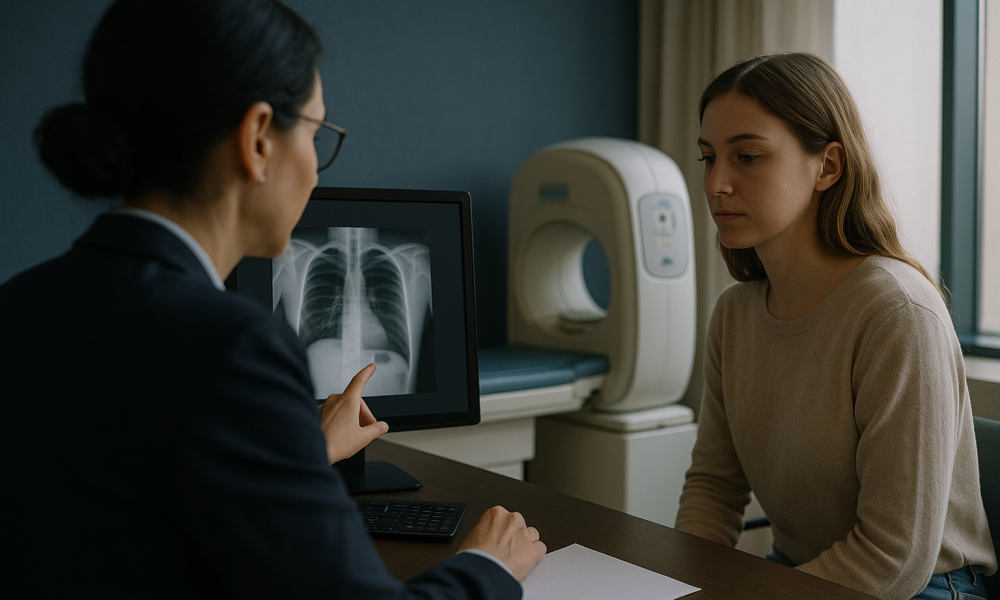
What Lung Cancer Treatment Abroad is and who it is for
Lung cancer treatment abroad, particularly in Turkey, offers a viable option for patients seeking high-quality medical care outside their home country. This approach is increasingly popular among Australians due to the combination of advanced medical facilities, experienced healthcare professionals, and cost-effectiveness. Treatment options can include surgery, chemotherapy, radiotherapy, targeted therapy, and immunotherapy, each tailored to the individual patient’s needs and the specific characteristics of the lung cancer.
Turkey has become a prominent destination for medical tourism, boasting internationally accredited hospitals and clinics equipped with state-of-the-art technology. Many healthcare providers in Turkey have partnerships with leading medical institutions worldwide, ensuring that standards of care are on par with global best practices. The diverse treatment options available cater to various stages of lung cancer, from early-stage surgical interventions to advanced therapies for more progressed conditions.
One of the key advantages of receiving treatment in Turkey is the cost savings. Medical procedures in Turkey can be significantly less expensive than in Australia, often ranging from £4,500 to £12,000, depending on the complexity of the treatment plan. This cost advantage does not compromise the quality of care, as Turkish medical professionals are often trained in Western countries and adhere to international medical standards.
Patients opting for treatment in Turkey can expect a comprehensive care approach, which includes not only medical treatment but also support services such as patient coordinators, language interpreters, and assistance with travel and accommodation arrangements. This holistic approach aims to make the experience as seamless and stress-free as possible, allowing patients to focus solely on their recovery.
Overall, lung cancer treatment in Turkey is suited for those who are seeking an affordable and high-quality alternative to local treatment. It is particularly beneficial for patients who may face long waiting times for treatment in their home country or who are seeking access to specific therapies not readily available in their region.
Are you a good candidate?
Determining whether you are a suitable candidate for lung cancer treatment abroad involves several considerations. Firstly, it is essential to have a confirmed diagnosis of lung cancer, with a detailed understanding of the stage and type of cancer you are dealing with. This information will be crucial in planning the appropriate treatment pathway.
- Health Status: You should be in a stable enough condition to travel internationally. This includes being able to handle a flight and any associated travel requirements.
- Stage of Cancer: Early-stage lung cancer patients may benefit more from surgical interventions, while those with advanced stages might require a combination of therapies.
- Financial Considerations: While treatment in Turkey is more affordable, it is essential to ensure that you have the financial resources to cover treatment, travel, and accommodation expenses.
- Support System: Consider whether you have a support system in place, either friends or family, who can assist you during your treatment abroad.
- Language Proficiency: Although many Turkish medical professionals speak English, having a basic understanding of the language or access to translation services can be beneficial.
- Consultation with Local Doctors: It is advisable to discuss your plans with your local healthcare provider to ensure that treatment abroad aligns with your overall medical needs and personal circumstances.
If you meet these criteria, you might be an excellent candidate for lung cancer treatment in Turkey. However, it is always recommended to engage in thorough research and consultations to make an informed decision that prioritises your health and well-being.
The procedure, step by step
Undergoing lung cancer treatment abroad, particularly in Turkey, involves a meticulously planned procedure that ensures patients receive comprehensive care. Here is a detailed step-by-step guide to help you understand what to expect during the treatment process.
- Initial Consultation: Upon arrival in Turkey, patients typically undergo an initial consultation with a multidisciplinary team of specialists. This includes oncologists, thoracic surgeons, and radiologists who review the patient’s medical history, previous tests, and any additional diagnostic tests that may be necessary, such as CT scans or PET scans.
- Preoperative Assessment: The next step involves a thorough preoperative assessment. This includes blood tests, lung function tests, and an anaesthetic evaluation to ensure the patient is fit for surgery. Patients may also meet with a physiotherapist to discuss breathing exercises that can aid recovery.
- Surgical Procedure: Depending on the type and stage of lung cancer, several surgical options may be considered. These can range from a lobectomy, which involves removing a lobe of the lung, to a pneumonectomy, where an entire lung is removed. The surgery is typically performed under general anaesthesia and can last anywhere from 2 to 6 hours. Minimally invasive techniques, such as video-assisted thoracoscopic surgery (VATS), may be employed to reduce recovery time.
- Postoperative Care: After surgery, patients are moved to a recovery room and closely monitored as they wake from anaesthesia. Pain management is a priority, and patients may receive medications through an intravenous line. Breathing exercises are encouraged to prevent complications such as pneumonia.
- Adjuvant Therapy: Depending on the individual case, adjuvant therapies such as chemotherapy or radiation may be recommended post-surgery to target any remaining cancer cells. These treatments can be scheduled over several weeks and are customised to the patient’s specific cancer type and stage.
- Follow-up Consultations: Regular follow-up appointments are crucial to monitor the patient’s recovery and manage any side effects from the treatment. These consultations are also an opportunity to discuss any concerns the patient may have and adjust the treatment plan as necessary.
Each step of the procedure is carefully coordinated to ensure the highest standard of care, with a focus on patient comfort and successful outcomes.
Recovery timeline
The recovery timeline following lung cancer treatment in Turkey varies based on the type of surgery and individual patient factors. Below is a general timeline outlining what patients might expect during their recovery.
| Period | What to expect | Care notes |
|---|---|---|
| Day 1 | Patients may experience grogginess from anaesthesia and some pain at the surgical site. Breathing exercises commence. | Pain management is crucial. Nurses will assist with initial mobility and breathing exercises to prevent complications. |
| Days 2-3 | Patients are encouraged to sit up and walk short distances. The focus is on regaining mobility and continuing breathing exercises. | Physiotherapy support is provided to facilitate mobility and lung function. Pain medication is adjusted as needed. |
| Week 1 | Most patients are discharged from the hospital. They may experience fatigue and mild discomfort. | Patients should rest but gradually increase activity levels. Follow-up appointments are scheduled to monitor progress. |
| Weeks 2-4 | Patients typically notice an improvement in energy levels. Some may start adjuvant therapies if recommended. | Continue with prescribed exercises and attend all scheduled therapy sessions. Monitor any side effects from additional treatments. |
| Months 1-3 | Recovery progresses with a return to daily activities. Follow-up imaging tests may be conducted to assess treatment success. | Maintain regular check-ups and report any new symptoms to healthcare providers promptly. |
| Months 4-6 | Most patients are fully recovered and resume normal activities. Long-term follow-up care continues. | Adherence to a healthy lifestyle and regular medical reviews are recommended to prevent recurrence. |
The recovery timeline may vary among individuals. Patients should follow their healthcare provider’s advice closely to ensure the best possible outcome.
What it costs: Turkey vs Australia
When considering lung cancer treatment abroad, cost is often a primary concern. Turkey has emerged as a popular destination for medical tourism, offering competitive pricing compared to countries like Australia. However, it is crucial to understand that these figures are indicative and can vary based on a variety of factors, including the specific hospital, the complexity of the case, and the type of treatment required.
Below is a comparative table highlighting the typical cost ranges for lung cancer treatments in Turkey versus Australia. These prices are indicative and typically include a range of services such as hospital stay, surgery, and initial consultations.
| Treatment | Turkey (Indicative Range) | Australia (Indicative Range) |
|---|---|---|
| Surgery (e.g., Lobectomy) | £4,000 – £7,000 | £15,000 – £25,000 |
| Chemotherapy (per cycle) | £500 – £1,200 | £1,500 – £3,000 |
| Radiation Therapy (per course) | £3,000 – £5,000 | £10,000 – £20,000 |
| Targeted Therapy | £1,000 – £2,500 | £2,000 – £5,000 |
Packages offered by Turkish medical facilities typically include additional services that enhance the overall experience for international patients. These often encompass:
- Initial consultations and follow-up appointments
- Hospital accommodation and meals during the stay
- Access to multilingual staff and translators
- Transportation between the airport, hotel, and hospital
- Assistance with travel arrangements and local accommodation
It is advisable to request a detailed breakdown of what is included in any quoted price to ensure comprehensive understanding and to avoid unexpected costs. While Turkey offers more affordable options, prospective patients should consider all factors, including travel expenses and any additional costs for post-treatment care, when making their decision.
Risks and how accredited providers manage them
Undergoing lung cancer treatment involves inherent risks, regardless of the location. However, Turkey’s healthcare system, particularly its accredited providers, has established stringent protocols to manage these risks effectively, ensuring patient safety and quality of care.
Common risks associated with lung cancer treatments include infection, bleeding, and adverse reactions to anaesthesia or medications. Surgical procedures, such as lobectomy or pneumonectomy, may also lead to complications like pneumonia or prolonged air leaks. Chemotherapy and radiation therapy can cause side effects ranging from fatigue and nausea to more serious issues such as organ damage or secondary cancers over time.
Accredited healthcare providers in Turkey manage these risks through several key strategies:
- Accreditation and Standards: Many Turkish hospitals are accredited by international bodies such as the Joint Commission International (JCI), which ensures adherence to global healthcare standards.
- Experienced Medical Staff: Turkish hospitals employ highly trained and experienced oncologists, surgeons, and nursing staff. Continuous professional development is mandatory, ensuring that staff remain up-to-date with the latest medical advancements.
- Pre-operative Assessments: Comprehensive evaluations are conducted to assess a patient’s suitability for surgery or other treatments, reducing the likelihood of complications.
- Infection Control Protocols: Stringent hygiene practices are enforced to minimise infection risks, including the use of sterile environments and regular monitoring of infection rates.
- Patient Monitoring: Post-treatment, patients are closely monitored with regular check-ups and follow-up appointments to promptly identify and address any complications.
While no medical procedure is without risk, choosing a reputable and accredited provider can significantly mitigate potential issues. Patients are encouraged to thoroughly research and select healthcare facilities that demonstrate a commitment to maintaining high standards of care and safety.
Open communication with healthcare providers is also crucial. Patients should feel empowered to ask questions about the risks of their specific treatment plan and the measures in place to handle any potential complications. By understanding these aspects, patients can make informed decisions about their care abroad.
How to choose the right provider
Choosing the right healthcare provider for lung cancer treatment abroad is a crucial decision that requires careful consideration of several factors. In Turkey, many hospitals and clinics offer high-quality care, but it is important to verify their credentials and ensure they meet international standards.
Accreditation: Look for hospitals accredited by recognised international bodies such as the Joint Commission International (JCI) or the International Organization for Standardization (ISO). These accreditations indicate that the hospital adheres to global standards in healthcare quality and patient safety.
Surgeon Experience: The expertise of the oncologist or surgeon is paramount. Research the professional background of the specialists, including their education, years of experience, and any special training in lung cancer treatments they may have undergone. Consider providers with surgeons who have performed a significant number of lung cancer surgeries, as experience often correlates with better outcomes.
Aftercare: Quality aftercare is essential for recovery and long-term health. Ensure the provider offers comprehensive post-operative care plans, including regular check-ups and rehabilitation services. Inquire about the availability of support services such as physiotherapy and psychological counselling, which can be vital components of the recovery process.
Red Flags: Be cautious of any provider that promises guaranteed outcomes or uses high-pressure sales tactics. Transparency about potential risks and realistic outcomes is a hallmark of a reputable provider. Additionally, avoid clinics that do not provide clear information about the qualifications of their staff or those with poor communication practices.
In summary, selecting the right provider involves a combination of verifying accreditation, evaluating the experience of the medical team, ensuring robust aftercare, and being alert to any red flags. By doing so, you can make an informed decision that prioritises your health and safety.
Planning your trip
Planning your trip for lung cancer treatment in Turkey involves several logistical considerations to ensure a smooth process from start to finish.
Timeline Before Travel: Begin planning at least two to three months before your intended travel date. This allows ample time for consultations, gathering medical records, and arranging travel logistics. Ensure that your passport is valid for at least six months beyond your planned return date.
Documents: Prepare a comprehensive medical file that includes all relevant medical records, imaging results, and treatment history. You may also need to provide a referral letter from your current healthcare provider. Additionally, ensure you have travel insurance that covers medical treatment abroad.
Length of Stay: The typical stay for lung cancer treatment can vary significantly based on the type of treatment and individual recovery rates. For surgical procedures, plan for a stay of at least two to four weeks. This duration allows for pre-operative assessments, surgery, initial recovery, and follow-up visits. Discuss with your provider to get a more tailored estimate based on your treatment plan.
Follow-up at Home: After returning to Australia, it is crucial to continue with follow-up care. Arrange for follow-up appointments with your local healthcare provider to monitor your recovery and manage any ongoing treatment needs. Ensure that the Turkish provider supplies a detailed report of your treatment to share with your home doctor.
By carefully planning your trip, you can focus on your treatment and recovery without unnecessary stress. Pay attention to timelines, document preparation, and coordination with both your Turkish provider and your local healthcare team.
Frequently Asked Questions
What is the average cost of lung cancer treatment in Turkey?
The cost of lung cancer treatment in Turkey can vary widely depending on the type of treatment required. Surgical procedures typically range from £5,000 to £10,000, while chemotherapy and radiation therapy can range from £1,500 to £4,000 per cycle. These figures are indicative and can vary based on the hospital and specific treatment plan.
How do I ensure the treatment facility in Turkey is safe and reputable?
To ensure safety and reputation, look for hospitals accredited by bodies like the Joint Commission International (JCI). Verify the qualifications and experience of the medical team, and read reviews from previous patients. Transparency in communication and a clear explanation of procedures are also good indicators of a reputable facility.
Are there any hidden costs involved in treatment abroad?
While most treatment packages are comprehensive, additional costs can arise from unexpected complications, extended hospital stays, or additional therapies. Ensure to clarify what is included in the treatment package and ask about potential extra costs during the initial consultation with the provider.
What documents do I need to bring for my treatment?
You should bring a comprehensive medical history, including imaging results, treatment records, and a referral letter from your current doctor. Additionally, ensure your passport is valid and consider obtaining travel insurance that covers medical treatment abroad. It's wise to check specific requirements with your chosen provider.
How long will I need to stay in Turkey for lung cancer treatment?
The length of stay can vary depending on the treatment type. Surgical procedures typically require a stay of two to four weeks to allow for pre-operative care, surgery, and initial recovery. Discuss with your healthcare provider for a more personalised timeline based on your specific treatment plan.
Will language be a barrier during my treatment in Turkey?
Many hospitals in Turkey catering to international patients have English-speaking staff and offer translation services. It's advisable to confirm the availability of these services before your arrival to ensure clear communication during your treatment.
What kind of follow-up care will I need after returning to Australia?
Post-treatment, it is crucial to have regular follow-up appointments with your local healthcare provider to monitor recovery and address any ongoing treatment needs. Ensure you receive a detailed treatment report from your Turkish provider to share with your Australian doctor for seamless continuity of care.
Can my family accompany me during treatment?
Yes, most facilities in Turkey welcome accompanying family members. It's important to discuss accommodation options and any additional costs with your provider beforehand. Some hospitals even offer services to help families during their stay, ensuring a supportive environment for the patient.
What is the typical recovery time after lung cancer surgery?
Recovery time can vary based on the individual and the type of surgery performed. Generally, patients can expect a recovery period of at least four to six weeks. During this time, follow-up appointments and rehabilitation are crucial to ensure optimal recovery and health outcomes.
How can I verify the qualifications of the doctors in Turkey?
You can verify the qualifications of doctors by checking their credentials with the hospital or clinic, which should be transparent about their staff's education and experience. Additionally, international accreditations like JCI often require proof of staff qualifications as part of their assessment process.
What should I do if I experience complications after returning home?
If you experience complications after returning home, contact your local healthcare provider immediately. It's important to have a follow-up plan in place before leaving Turkey. Ensure you have contact details for your Turkish provider, who can offer guidance or coordinate with your Australian doctor if necessary.
Is it safe to travel after lung cancer treatment?
Travel safety post-treatment depends on individual health conditions and the type of treatment received. Generally, doctors advise waiting until you are stable and cleared by your healthcare provider. Discuss travel plans with your doctor to ensure a safe journey back home.