
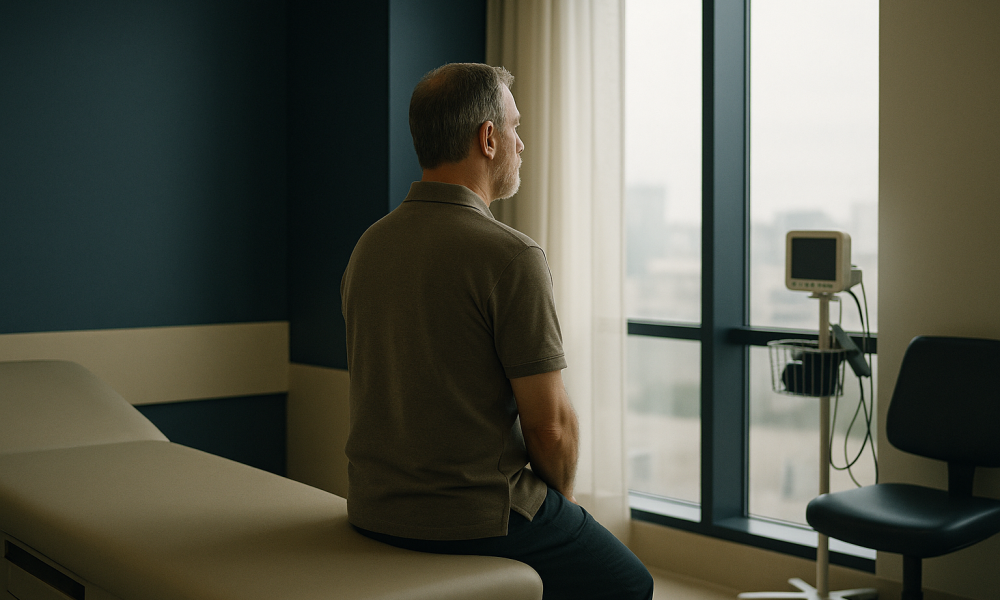
What Men's Health Check-Up is and who it is for
A men’s health check-up is a comprehensive assessment designed to evaluate the overall health status of male patients. It involves a series of screenings and diagnostic tests aimed at early detection of potential health issues, ranging from cardiovascular diseases to prostate health, diabetes, and more. These check-ups are crucial for maintaining long-term well-being and are particularly recommended for men over the age of 40, although younger men with specific risk factors can also benefit.
The check-up typically includes a detailed medical history review, a physical examination, and a variety of tests. Common components are blood pressure measurement, cholesterol level checks, blood glucose tests, and body mass index (BMI) assessment. Additionally, screenings for prostate-specific antigen (PSA) and testosterone levels are often included to monitor prostate health and hormonal balance.
In Turkey, medical facilities offer tailored men’s health packages that are comparable to those found in Australia, but often at a more competitive price point. The indicative cost for a comprehensive men’s health check-up in Turkey ranges from £300 to £600, depending on the specific tests included. These packages are designed to provide a thorough evaluation of a man’s health status, offering peace of mind and guidance for any necessary lifestyle changes or treatments.
Men’s health check-ups are particularly beneficial for those with a family history of chronic diseases, those experiencing symptoms such as fatigue or weight changes, and individuals leading a sedentary lifestyle. By identifying potential health issues early, these check-ups empower patients to take proactive steps towards improving their health and preventing serious conditions.
Are you a good candidate?
Determining your suitability for a men’s health check-up in Turkey involves evaluating several factors. While these check-ups are generally beneficial for all men, certain criteria can help identify those who may gain the most from such a comprehensive assessment. If you are considering a men’s health check-up, review the following checklist to determine if you are a good candidate:
- Age: Men over the age of 40 are typically recommended to undergo regular health check-ups due to increased risk factors associated with ageing.
- Family history: A family history of conditions such as heart disease, diabetes, or cancer can increase your risk, making regular check-ups advisable.
- Lifestyle factors: Sedentary lifestyle, poor diet, smoking, or excessive alcohol consumption can contribute to health risks that a check-up can help address.
- Symptoms: Experiencing unexplained symptoms such as persistent fatigue, changes in weight, or frequent urination may warrant a thorough health evaluation.
- Pre-existing conditions: If you have been diagnosed with conditions such as hypertension or high cholesterol, regular monitoring through a health check-up is beneficial.
- Peace of mind: Even in the absence of symptoms, some men opt for check-ups for reassurance about their health status, particularly if they have concerns about specific health issues.
In addition to these criteria, it is important to consider your personal health goals and any specific concerns you may have about your health. Consulting with a healthcare provider can help tailor the check-up to your individual needs, ensuring you receive the most comprehensive evaluation possible. By addressing potential health issues early, you can take control of your health and make informed decisions about your lifestyle and any necessary treatments.
The procedure, step by step
Undergoing a men’s health check-up in Turkey is a comprehensive process designed to assess various aspects of male health in a holistic manner. The procedure typically unfolds over a series of steps, ensuring thorough evaluation and personalised care.
- Initial Consultation: The journey begins with an initial consultation, often conducted via telemedicine for international patients. During this session, a healthcare provider will gather your medical history, including any symptoms, previous diagnoses, and family health history. This step is crucial for tailoring the check-up to your specific needs.
- Pre-Arrival Planning: Once your medical history is reviewed, a customised check-up plan is developed. You will receive an itinerary that includes the scheduled tests, consultations, and any preparatory instructions, such as fasting or specific medication guidelines. This stage ensures that your visit is efficient and maximises the use of time in Turkey.
- Arrival in Turkey: Upon arrival, you will be greeted by staff who will assist with transportation to your accommodation and the healthcare facility. Many clinics offer dedicated international patient coordinators to facilitate communication and logistics.
- Comprehensive Testing: The core of the check-up involves a series of diagnostic tests. Common assessments include blood tests to check cholesterol levels, blood sugar, and hormone levels. Imaging studies such as ultrasound, X-rays, or MRI may be performed to evaluate the prostate, testicular health, and other organs. Cardiovascular health is often assessed through an ECG or stress test.
- Specialist Consultations: Depending on the results of the initial tests, you may meet with specialists such as urologists, cardiologists, or endocrinologists. These consultations are crucial for interpreting test results and discussing potential treatment plans or lifestyle changes.
- Review and Recommendations: At the conclusion of the testing phase, a comprehensive review is conducted. You will receive a detailed report summarising the findings, along with recommendations for further treatment or lifestyle modifications. This review often includes a follow-up plan to monitor health improvements over time.
- Departure and Follow-Up: After the check-up, you will have a debriefing session to discuss the findings and next steps. Many clinics offer telehealth follow-up services to ensure ongoing support and address any questions that may arise after returning home.
This structured approach ensures that every aspect of your health is considered, providing a comprehensive overview that can inform future healthcare decisions.
Recovery timeline
After completing a men’s health check-up in Turkey, it’s important to understand the recovery timeline, which varies according to the specific tests and procedures undertaken. Typically, the recovery is quick, but here is a general guide to what you can expect:
| Period | What to expect | Care notes |
|---|---|---|
| Day 1 | Immediately after the tests, you might feel slightly fatigued, especially if blood samples were taken or if imaging tests required fasting. Some patients experience mild discomfort if invasive procedures were performed. | Rest and hydrate well. Avoid heavy meals and alcohol. Light activity is recommended. |
| Day 2-3 | Most patients feel back to normal. Results from certain tests may start to be available, and you might have follow-up consultations to discuss these. | Engage in normal activities but listen to your body. Continue to follow any dietary or activity restrictions advised by your physician. |
| Day 4-7 | All test results should be available by now. You will have a comprehensive review session to discuss findings and recommendations. | Take notes during your consultations and make sure all your questions are answered. Consider any lifestyle changes recommended. |
| Week 2-4 | Any minor side effects from tests should have resolved. You may begin implementing lifestyle changes or medication regimens advised by your healthcare provider. | Follow up with your healthcare provider via telemedicine if necessary. Monitor your health and note any new symptoms. |
| Full Recovery | By this time, you should be fully recovered from any procedures, and any recommended lifestyle changes should be integrated into your daily routine. | Maintain regular health monitoring and schedule follow-up appointments as recommended. Continue to engage in healthy lifestyle practices. |
Overall, the recovery period is generally smooth, with patients able to resume normal activities shortly after their check-up. Regular follow-up and adherence to medical advice are key to maintaining the benefits of the health check-up.
What it costs: Turkey vs Australia
When considering a men’s health check-up in Turkey, understanding the cost implications compared to Australia is essential. While prices can vary depending on the specific tests and services included in the check-up, Turkey often presents a more cost-effective option. It’s important to understand these figures are indicative and can vary based on the healthcare provider and location within the country.
| Service | Turkey (Indicative) | Australia (Indicative) |
|---|---|---|
| Basic Men’s Health Check-Up | £150 – £300 | £350 – £600 |
| Comprehensive Check-Up (including advanced imaging and blood tests) | £400 – £800 | £700 – £1,200 |
| Specialised Cardiac Assessment | £200 – £450 | £500 – £1,000 |
| Advanced Prostate Screening | £100 – £250 | £200 – £400 |
Typically, a basic men’s health check-up package in Turkey might include consultations with a general practitioner, basic blood tests, and a physical examination. More comprehensive packages could offer additional services such as advanced imaging (e.g., MRI or CT scans), detailed blood work, cardiac assessments, and screenings for specific conditions such as prostate health.
In Australia, the prices tend to be higher due to the overall cost of living and the pricing structures of healthcare services. However, Australian residents may have access to Medicare, which can offset some costs. For international patients, the out-of-pocket expenses in Australia are generally higher compared to Turkey.
It’s worth noting that while the cost of services is an important factor, it should not be the sole consideration. The quality of care, the expertise of healthcare professionals, and the overall experience are critical components when choosing where to undergo a health check-up.
Risks and how accredited providers manage them
Undergoing a men’s health check-up abroad, such as in Turkey, involves certain risks, as with any medical procedure in any location. However, accredited healthcare providers in Turkey are well-equipped to manage and mitigate these risks effectively, ensuring patient safety and care quality.
One of the primary risks associated with medical check-ups is the potential for misdiagnosis or overlooking a condition. Accredited providers in Turkey address this by employing highly qualified medical professionals who follow international standards of practice. They often participate in continuous professional development and training, ensuring they are up-to-date with the latest medical advancements and diagnostic techniques.
Language barriers can pose another risk, potentially leading to miscommunication between patients and healthcare providers. To counter this, many accredited Turkish healthcare facilities offer multilingual services, including English-speaking staff and translators, to ensure clear and accurate communication throughout the medical process.
Another consideration is the standard of hygiene and infection control. Accredited facilities in Turkey adhere to stringent hygiene protocols, often comparable to those found in Western countries. These measures include regular sanitation of medical equipment, use of disposable instruments where applicable, and rigorous sterilisation processes to minimise the risk of infection.
In terms of managing unexpected medical findings, accredited providers have protocols in place for further investigation and treatment. This might involve referring patients to specialists or arranging additional tests to confirm a diagnosis. Patients are kept well-informed throughout this process, with detailed explanations of their results and the recommended next steps.
Furthermore, Turkey’s healthcare system includes a robust accreditation process. Facilities that meet these standards are regularly audited by national and international accreditation bodies, such as the Joint Commission International (JCI). This ensures that the facilities maintain high standards of care, safety, and patient satisfaction.
Ultimately, while there are inherent risks in undergoing medical procedures abroad, choosing an accredited provider in Turkey can significantly mitigate these risks. Patients are encouraged to conduct thorough research, verify the accreditation status of their chosen facility, and discuss any concerns with their healthcare provider before proceeding with a health check-up.
How to Choose the Right Provider
When considering a men’s health check-up in Turkey, selecting the right provider is crucial for both the safety and effectiveness of your care. The first factor to evaluate is accreditation. Look for clinics and hospitals that have international accreditation, such as from the Joint Commission International (JCI) or the European Foundation for Quality Management (EFQM). These accreditations ensure that the facility meets rigorous international standards for healthcare quality and patient safety.
Another key element is the experience of the medical professionals. Research the qualifications and backgrounds of the doctors and surgeons who will be involved in your care. Many top-tier professionals in Turkey have received training or have practiced in Europe or North America. Look for specialists with a strong track record in men’s health and a high volume of successful procedures.
Aftercare is another critical consideration. A comprehensive aftercare plan should include follow-up consultations and access to healthcare professionals should any issues arise post-treatment. Ensure the facility provides a clear outline of what aftercare services are included and if there are any additional costs.
Be cautious of certain red flags that may indicate a less reputable provider. These include pressure to make quick decisions, lack of transparency about costs, or unwillingness to provide detailed information about the procedures and potential risks. Additionally, if a clinic makes guarantees of specific outcomes, this is usually a sign to look elsewhere, as no medical procedure can promise absolute results.
Finally, consider patient reviews and testimonials, but take them with a pinch of salt. While they can provide insight into patient satisfaction and experiences, they should not be the sole basis for your decision. Use them as one of several tools in evaluating the quality of care offered by each provider.
Planning Your Trip
Planning your trip for a men’s health check-up in Turkey involves several steps to ensure a smooth and stress-free experience. Begin by establishing a timeline for your travel. It is advisable to initiate this process at least three months in advance. This allows ample time to research providers, schedule consultations, and complete any necessary pre-travel medical evaluations.
Ensure you have all the required documents in order. This typically includes a valid passport, a visa for Turkey (if required for Australian citizens beyond 90 days), and comprehensive travel insurance that covers medical procedures abroad. It’s also wise to have digital and physical copies of all your medical records and any correspondence with the healthcare provider.
Consider the length of stay in Turkey, which will depend on the complexity of the check-up and any additional treatments you might undergo. Generally, a stay of 5 to 10 days is recommended, allowing for initial consultations, the procedure itself, and any immediate recovery time. Discuss with your provider to tailor this timeline to your specific needs.
Post-treatment, follow-up care is essential. Before leaving Turkey, ensure you have a clear plan for follow-up appointments, whether they will be conducted in person, via telemedicine, or with a healthcare provider in Australia. This ensures continuity of care and helps address any issues that might arise once you return home.
Lastly, consider the practical aspects of your trip. Book accommodation close to the healthcare facility to minimise travel time and stress. Research local transportation options and cultural practices to better prepare for your stay. Familiarise yourself with the local language basics, although many medical professionals in Turkey speak English fluently.
Frequently Asked Questions
What should I look for in a healthcare provider?
Look for providers with international accreditations, such as JCI or EFQM, which ensure quality and safety standards. Check the experience and qualifications of the medical staff, especially in men's health. Evaluate their aftercare services and be wary of red flags like pressure to decide quickly or lack of transparency about costs.
How much does a men's health check-up typically cost in Turkey?
The cost of a men's health check-up in Turkey can vary widely, typically ranging from £200 to £500, depending on the complexity of the tests and the provider. It's important to get a detailed quote that includes all potential costs, such as consultations, tests, and follow-up care.
Is Turkey safe for medical tourism?
Turkey is generally considered safe for medical tourism, with many facilities meeting international safety standards. However, it's crucial to choose accredited providers and verify their credentials. Always follow travel advisories from your home country and maintain standard travel safety precautions.
What documents do I need for medical treatment in Turkey?
You will need a valid passport, potentially a visa for stays beyond 90 days, comprehensive travel insurance, and copies of your medical records. It's also beneficial to have copies of any correspondence with your chosen healthcare provider.
How long should I plan to stay in Turkey for a check-up?
For a men's health check-up, plan to stay in Turkey for around 5 to 10 days. This allows time for the initial consultation, the procedure itself, and immediate recovery. Discuss with your provider to tailor the timeline to your specific needs.
What is included in a men's health check-up?
A men's health check-up typically includes a general physical examination, blood tests, prostate screening, cardiovascular assessments, and consultations with specialists if necessary. The exact components can vary, so clarify with the provider beforehand.
Are follow-up appointments necessary after returning home?
Yes, follow-up appointments are crucial for ensuring recovery and addressing any post-procedure issues. These can be conducted via telemedicine or with a healthcare provider in Australia. Ensure you have a clear follow-up plan before leaving Turkey.
What are the accommodation options near Turkish clinics?
Accommodation options range from luxury hotels to budget-friendly stays near healthcare facilities. It's advisable to book a place close to your clinic to reduce travel time and stress. Many hospitals can recommend nearby hotels or offer patient accommodation services.
Can I communicate with the medical staff in English?
Yes, many medical professionals in Turkey speak English fluently, especially in facilities that cater to international patients. However, learning some basic Turkish phrases can be helpful and appreciated.
What payment methods are accepted by clinics in Turkey?
Most clinics accept major credit cards, bank transfers, and cash. Some may also offer financing options or payment plans. It's best to confirm the accepted payment methods with the clinic in advance.
How do I verify the credentials of a Turkish doctor?
Check if the doctor is registered with the Turkish Medical Association and look for any international qualifications or training. You can also request patient testimonials or reviews, but supplement this with your own research into their professional background.
What if I need urgent medical care while in Turkey?
If you require urgent medical care, contact your healthcare provider immediately. Most accredited facilities offer comprehensive emergency services. Additionally, your travel insurance should provide guidance on accessing emergency care abroad.