
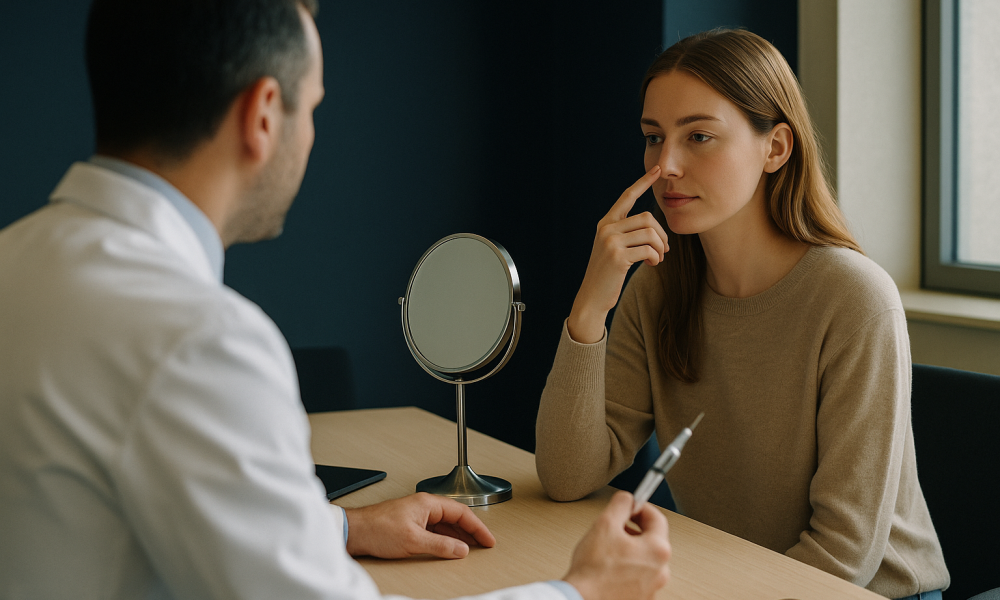
What Non-Surgical Rhinoplasty is and who it is for
Non-surgical rhinoplasty, often referred to as a ‘liquid nose job’, is a minimally invasive cosmetic procedure that uses injectable fillers to alter the shape of the nose. This technique is particularly effective for individuals seeking minor adjustments without the commitment of surgery. The procedure typically involves the use of dermal fillers, such as hyaluronic acid, which are injected beneath the skin to smooth out bumps, reshape the nasal tip, or adjust the symmetry of the nose. This method is ideal for those who wish to correct minor imperfections, such as a slight hump or a droopy tip, without undergoing traditional surgical rhinoplasty.
The non-surgical approach is advantageous for many due to its convenience and minimal downtime. The procedure usually takes between 30 to 60 minutes and is performed under topical anaesthesia, eliminating the need for general anaesthesia and a hospital stay. The results are visible immediately, and patients can return to their normal activities the following day. However, it’s important to note that the effects of non-surgical rhinoplasty are temporary, typically lasting between 6 to 18 months depending on the type of filler used and individual factors.
This procedure is particularly suited for individuals who are seeking subtle changes rather than dramatic alterations. It is also an option for those who wish to ‘test’ the results of a nose job before committing to a more permanent surgical procedure. However, non-surgical rhinoplasty is not suitable for reducing the size of the nose or for correcting functional issues such as breathing difficulties. As such, it is important for prospective patients to have realistic expectations and to discuss their goals thoroughly with a qualified practitioner.
Non-surgical rhinoplasty in Turkey has become increasingly popular due to the expertise of local practitioners and the cost-effectiveness of the procedure. Typical costs in Turkey range from £300 to £600, which is significantly lower than in Canada, where similar procedures can cost upwards of £1,000. This affordability, combined with the opportunity to recover in a culturally rich and beautiful country, makes Turkey a compelling option for many international patients.
Are you a good candidate?
Determining whether you are a good candidate for non-surgical rhinoplasty involves several considerations. This procedure is most suitable for individuals who are looking for minor cosmetic enhancements rather than significant structural changes. The ideal candidate is someone who wishes to improve the symmetry of their nose, smooth out small bumps, or lift a droopy nasal tip without undergoing surgery.
Here are some criteria to consider when evaluating your candidacy for non-surgical rhinoplasty:
- Desire for minor adjustments: Ideal for those seeking subtle changes rather than major reconstruction.
- No functional issues: Not intended for correcting breathing problems or other functional nasal issues.
- Realistic expectations: Understand that results are temporary and will require maintenance for long-term satisfaction.
- General health: Good overall health and no contraindications for dermal fillers.
- Non-smoker: Smoking can impact healing and the longevity of results.
- Age: Candidates should typically be over 18 years old, as nasal development should be complete.
If you meet these criteria, non-surgical rhinoplasty may be a viable option for you. It’s crucial to have an initial consultation with a qualified practitioner who can assess your nasal structure and discuss your aesthetic goals. During this consultation, you can also explore the types of fillers available and their respective benefits. This discussion will help ensure that the procedure aligns with your expectations and that you are fully informed of the potential outcomes and limitations.
Ultimately, the decision to undergo non-surgical rhinoplasty should be made carefully, with consideration of both the benefits and limitations. A thorough understanding of the procedure, alongside a realistic appraisal of what it can achieve, will help you make an informed decision about whether this cosmetic enhancement is right for you.
The procedure, step by step
Non-surgical rhinoplasty, often referred to as a ‘liquid nose job’, is a minimally invasive procedure that uses dermal fillers to alter the shape of the nose. This procedure is particularly appealing to those seeking aesthetic changes without the commitment of surgery. Here is a detailed step-by-step guide to what patients can expect during their non-surgical rhinoplasty in Turkey.
- Initial Consultation: The process begins with a comprehensive consultation with a qualified cosmetic specialist. During this session, the doctor will discuss the patient’s aesthetic goals, assess the nose’s current shape, and determine the most suitable filler type. Common fillers used include hyaluronic acid-based products, known for their safety and efficacy.
- Pre-Procedure Preparation: If the patient decides to proceed, the doctor will provide pre-procedure instructions. These may include avoiding alcohol, aspirin, and certain supplements, such as vitamin E and fish oil, for at least a week prior to the procedure to minimise bruising.
- Application of Numbing Cream: On the day of the procedure, a topical anaesthetic cream is applied to the nose area to minimise discomfort. This is usually left on for about 15-30 minutes to ensure the area is adequately numbed.
- Marking and Planning: Once the area is numb, the doctor will use a fine marker to outline the areas that will be injected. This step is crucial as it ensures the filler is applied precisely to achieve the desired outcome.
- Injection of Fillers: Using a fine needle or cannula, the doctor will carefully inject the filler into the marked areas. The process typically involves several small injections to ensure even distribution and natural-looking results. The entire injection process usually takes about 15-30 minutes.
- Shaping and Massaging: After the injections, the doctor may gently massage the nose to shape the filler and smooth out any irregularities. This step helps in achieving a balanced and symmetrical appearance.
- Final Assessment and Aftercare Instructions: Once the desired shape is achieved, the doctor will assess the results and provide aftercare instructions. Patients are usually advised to avoid touching the nose, refraining from wearing glasses, and avoiding strenuous activities for at least 24-48 hours post-procedure.
Non-surgical rhinoplasty offers a quick and effective way to enhance nasal contours without the downtime associated with surgery. Patients can typically resume normal activities immediately after the procedure, although some minor swelling or redness may occur.
Recovery timeline
Recovering from a non-surgical rhinoplasty is generally quick and straightforward, especially compared to surgical alternatives. However, understanding the recovery timeline can help manage expectations and ensure optimal results. Below is a detailed timeline of what patients can expect during the recovery process.
| Period | What to Expect | Care Notes |
|---|---|---|
| Day 1 | Immediately after the procedure, patients may experience mild redness, swelling, or tenderness around the injection sites. These are normal reactions and typically subside within a few hours. | Avoid touching or applying pressure to the nose. Use a cold compress to reduce swelling if necessary. Refrain from wearing glasses for at least 24 hours. |
| Days 2-3 | Swelling and redness should continue to diminish. Some patients may notice slight bruising, especially if the skin is sensitive. The nose may feel slightly firm or tender. | Continue to avoid heavy physical activities. Sleep with your head elevated to help reduce swelling. Follow any additional care instructions provided by your doctor. |
| Week 1 | By the end of the first week, most swelling should have resolved, and the final results will start to become apparent. The nose should look smoother and more refined. | Normal activities can usually be resumed, but it is advisable to avoid high-impact exercise. Keep the skin hydrated and protected from sun exposure. |
| Weeks 2-4 | Any residual swelling or bruising should be gone, revealing the full effect of the treatment. The filler will have settled, and the nose should feel more natural. | Regular skincare routines can be resumed. Consider scheduling a follow-up appointment to assess the results and discuss any concerns with your doctor. |
| Full Recovery | After approximately four weeks, patients can expect complete recovery with stable results. The filler will continue to integrate with the tissue, providing a natural appearance. | Maintain regular follow-up appointments as recommended. Results can last from 6 months to 2 years, depending on the type of filler used and individual factors. |
Overall, the recovery process for non-surgical rhinoplasty is minimal, allowing patients to enjoy their enhanced appearance with little interruption to their daily lives.
What it costs: Turkey vs Canada
When considering non-surgical rhinoplasty, cost is often a significant factor for patients. The procedure involves the use of dermal fillers to subtly reshape the nose, and prices can vary significantly between countries. In Turkey, non-surgical rhinoplasty is often more affordable compared to Canada, primarily due to lower operational costs and favourable exchange rates.
Below is a comparative table of indicative price ranges for non-surgical rhinoplasty in Turkey and Canada. These figures are approximate and can vary based on the clinic, the experience of the practitioner, and specific patient needs.
| Country | Indicative Price Range (GBP) | Typical Inclusions |
|---|---|---|
| Turkey | £200 – £500 |
|
| Canada | £600 – £1,200 |
|
As seen in the table, Turkey offers a more comprehensive package, often including additional services such as local transportation and interpreter services, which can be particularly beneficial for international patients. It is important to note that these prices are indicative and should be confirmed with individual clinics during the consultation process.
Patients should also consider the additional costs that might not be included in the package, such as airfare, accommodation, and personal expenses during the stay. However, even with these additional costs, many patients find that the overall expenditure in Turkey remains competitive due to the lower base price of the procedure.
Before making a decision, it is advisable to contact multiple clinics to obtain detailed quotes and to ensure that all aspects of the procedure and associated costs are clearly understood.
Risks and how accredited providers manage them
Non-surgical rhinoplasty, while less invasive than traditional surgical methods, does carry certain risks that patients should be aware of. These include potential allergic reactions to dermal fillers, infection, asymmetry, and in rare cases, vascular complications. Accredited providers in Turkey are well-versed in managing these risks and follow stringent protocols to ensure patient safety.
One of the most important steps in risk management is the initial consultation. During this phase, the practitioner will assess the patient’s medical history, discuss any potential allergies, and evaluate the suitability of the procedure for the individual’s unique nasal structure. This thorough assessment helps in minimising the risk of adverse reactions.
Accredited clinics in Turkey employ highly trained specialists who use only certified, high-quality dermal fillers. These fillers have undergone rigorous testing to ensure safety and efficacy. In addition, clinics adhere to international hygiene and safety standards, which include sterilisation of equipment and use of disposable needles to prevent infections.
Another aspect of risk management is the skill and experience of the practitioner. Experienced professionals are adept at precise injection techniques, reducing the likelihood of complications such as asymmetry or vascular issues. They are also trained to recognise early signs of complications and take immediate action to mitigate them.
Post-procedure care is a critical component in managing risks. Accredited providers offer comprehensive aftercare instructions to ensure smooth recovery. This typically includes advice on avoiding certain medications, managing swelling or bruising, and recognising signs of complications that require immediate attention.
In the rare event of a complication, accredited providers have protocols in place for swift intervention. This may involve the use of hyaluronidase to dissolve fillers in case of vascular complications or other medical interventions as necessary. Patients are encouraged to maintain open communication with their provider and report any concerns promptly.
Choosing an accredited clinic with a strong track record in non-surgical rhinoplasty is crucial. Patients should inquire about the provider’s certifications, experience, and patient reviews. This due diligence helps ensure that the chosen clinic adheres to best practices in safety and patient care, providing peace of mind to those seeking treatment abroad.
How to choose the right provider
Choosing the right provider for a non-surgical rhinoplasty in Turkey involves careful consideration of multiple factors to ensure safety and satisfaction. Accreditation is a critical first step. Look for clinics that are accredited by internationally recognised organisations such as the Joint Commission International (JCI) or the International Organization for Standardization (ISO). These accreditations indicate adherence to high standards of healthcare quality and patient safety.
The experience of the practitioner is equally important. Non-surgical rhinoplasty, typically performed using dermal fillers, requires precision and an artistic eye. Seek out surgeons or dermatologists who specialise in facial aesthetics with at least five years of experience in non-surgical procedures. Ask for before and after photos of previous patients and, if possible, testimonials or reviews from those who have undergone similar treatments.
Aftercare is another vital component of your decision. A reputable provider will offer comprehensive aftercare instructions and be readily available to address any concerns post-procedure. Ensure the clinic provides follow-up consultations, either in person or via video calls, to monitor your progress and address any issues.
Be aware of red flags that may indicate a less reliable provider. These include a lack of transparency regarding the qualifications of the practitioner, absence of accreditation, or an unwillingness to discuss potential risks and complications. Additionally, be cautious of clinics that offer significantly lower prices compared to the typical range of £300 to £600, as this may indicate compromises in quality or safety.
Finally, communication is key. Choose a provider who communicates clearly and openly, answering all your questions thoroughly. They should provide detailed information about the procedure, potential risks, and realistic outcomes. A trustworthy provider will never guarantee results, as every patient’s response to treatment can vary.
Planning your trip
Planning your trip to Turkey for a non-surgical rhinoplasty involves several steps to ensure a smooth and stress-free experience. Begin by establishing a timeline. It’s advisable to schedule your treatment at least 4 to 6 weeks in advance, giving you ample time to prepare and make necessary arrangements.
Ensure your passport is valid for at least six months beyond your planned return date. Canadian citizens typically do not require a visa for stays under 90 days, but it’s wise to check the latest travel advisories and entry requirements.
Consider the length of stay carefully. While the procedure itself is quick, often taking less than an hour, it’s recommended to stay in Turkey for at least 3 to 5 days. This allows time for any immediate side effects, such as swelling or bruising, to subside before travelling back home. Additionally, scheduling a follow-up appointment with your practitioner before departure can be beneficial.
Prepare necessary medical documents, including any previous medical records that might be relevant to your treatment. Your provider should be informed of any allergies, past procedures, or medical conditions that could affect your treatment.
Post-procedure follow-up at home is crucial for ensuring the long-term success of your treatment. Arrange for a local healthcare provider in Canada who can assist with any post-treatment care or concerns. This may involve checking the treatment area for any signs of complications and ensuring the results are settling as expected.
Lastly, consider travel insurance that covers medical procedures abroad. This can provide peace of mind in case of unexpected events. While planning your trip, factor in costs for accommodation and transportation, which typically range from £50 to £150 per night for a mid-range hotel, and around £10 to £30 for local transportation per day.
Frequently Asked Questions
What is the typical cost of non-surgical rhinoplasty in Turkey?
The cost of non-surgical rhinoplasty in Turkey typically ranges from £300 to £600. This can vary based on the clinic's location, the practitioner's experience, and the type of dermal fillers used. It's important to verify what is included in the price, such as consultation fees and follow-up appointments, to avoid unexpected expenses.
Is non-surgical rhinoplasty safe?
Non-surgical rhinoplasty is generally considered safe when performed by an experienced and qualified practitioner. It involves fewer risks than surgical options, but potential side effects like swelling or bruising can occur. Always verify the clinic’s accreditation and the practitioner's credentials to ensure safety standards are met.
How long do the results of non-surgical rhinoplasty last?
The results of non-surgical rhinoplasty typically last between 6 to 18 months, depending on the type of filler used and individual patient factors. Over time, the body gradually absorbs the filler, and touch-up treatments may be needed to maintain the desired effect.
What should I expect during the procedure?
During a non-surgical rhinoplasty, the practitioner will apply a topical anaesthetic to minimise discomfort. The procedure involves injecting dermal fillers into specific areas of the nose to achieve the desired shape. It usually takes less than an hour, and you can return to most activities shortly after.
Are there any risks associated with the procedure?
While non-surgical rhinoplasty is less invasive, it carries some risks, including infection, asymmetry, and vascular complications. Choosing a qualified and experienced practitioner reduces these risks. Discuss potential complications during your consultation to make an informed decision.
Can I fly immediately after the procedure?
It's generally recommended to wait at least 24 to 48 hours before flying after a non-surgical rhinoplasty. This allows time for any immediate side effects like swelling or bruising to subside and ensures you are comfortable during your flight.
How can I verify a clinic's accreditation?
Check if the clinic is accredited by recognised organisations such as the Joint Commission International (JCI) or the International Organization for Standardization (ISO). These accreditations are indicators of adherence to high standards of healthcare quality and patient safety.
What should I bring with me for the procedure?
Bring any relevant medical records, your passport, and travel insurance details. It's also helpful to have a list of any medications or supplements you are taking, as well as a note of any allergies. Comfortable clothing is recommended for the day of the procedure.
How soon can I see the results?
Results from a non-surgical rhinoplasty can often be seen immediately after the procedure, although there may be some swelling. The final results become more apparent as the swelling subsides, usually within a few days to a week.
Will I need follow-up appointments?
Follow-up appointments are recommended to ensure the treatment has settled well and to address any concerns. These can often be conducted via video call if returning to the clinic is not feasible. Discuss follow-up care with your provider before your procedure.
What if I'm not satisfied with the results?
If you're not satisfied with the results, discuss your concerns with your practitioner. They may offer touch-up treatments or alternative solutions. It's important to set realistic expectations during your initial consultation to understand what can be achieved.
How do I manage post-procedure care?
Follow your practitioner's aftercare instructions, which may include avoiding strenuous activities and direct sun exposure for a few days. Keep the treated area clean and refrain from touching it unnecessarily. Contact your provider if you experience any unusual symptoms.