
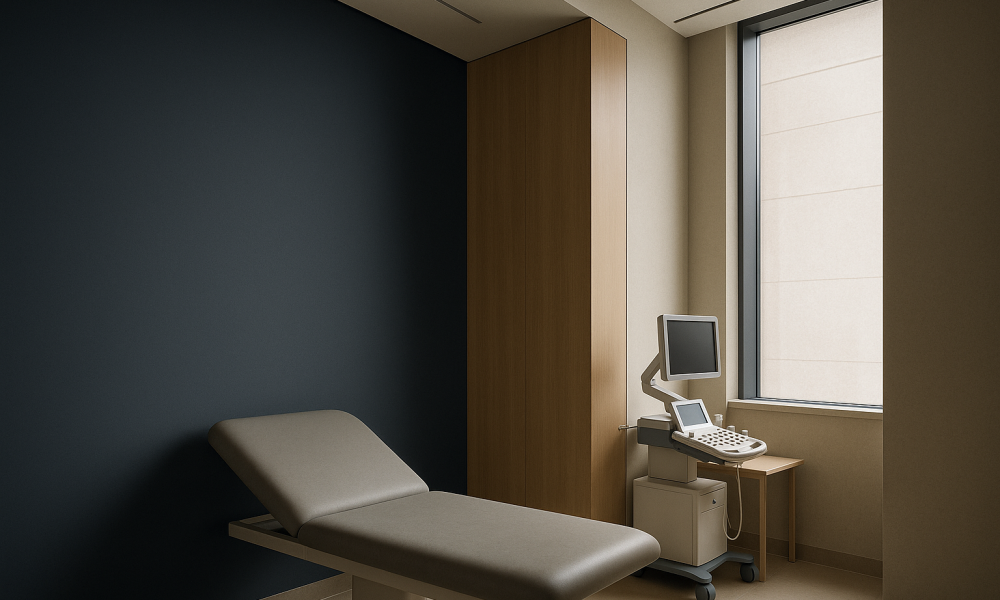
What Peyronie's Disease Treatment is and who it is for
Peyronie’s Disease is a condition characterised by the development of fibrous scar tissue inside the penis, causing curved, painful erections. This condition can lead to significant physical and emotional distress, impacting sexual function and quality of life. The exact cause of Peyronie’s Disease isn’t entirely understood, but it is believed to involve trauma to the penis, possibly during sexual activity, or could be linked to genetic factors.
Treatment options in Turkey for Peyronie’s Disease are varied and cater to different stages of the condition. Non-surgical treatments include oral medications, which might aim to reduce pain or curvature, and injections directly into the scar tissue. These options are typically considered when the curvature is mild and the condition is in its early stages.
For those with more pronounced curvature or significant functional impairment, surgical options might be recommended. Surgical procedures can include plication, where sutures are used to straighten the penis, or more complex grafting techniques to replace scar tissue. An option for severe cases is penile prosthesis implantation, which can also address erectile dysfunction that sometimes accompanies Peyronie’s Disease.
Turkey has become a popular destination for medical tourism due to its combination of skilled specialists and cost-effective treatment options. Clinics in Turkey often offer comprehensive care packages that include pre-operative consultations, the procedure itself, and post-operative care, which can be particularly beneficial for international patients. However, outcomes can vary based on the severity of the condition, the type of treatment chosen, and individual patient factors.
Are you a good candidate?
Determining whether you are a suitable candidate for Peyronie’s Disease treatment involves several considerations. It’s essential to have a thorough evaluation by a qualified healthcare professional, ideally a urologist with experience in treating Peyronie’s Disease. Here are some criteria that might indicate that you are a good candidate for treatment:
- Persistent Symptoms: You have had symptoms of Peyronie’s Disease for more than 12 months, and the curvature has stabilised.
- Significant Curvature: The curvature of the penis is severe enough to interfere with sexual intercourse or cause substantial discomfort.
- Emotional Impact: The condition is causing significant emotional or psychological distress, affecting your quality of life.
- Failed Non-Surgical Treatments: You have tried non-surgical treatments such as oral medications or injections without satisfactory results.
- Overall Health: You are in good general health, with no conditions that would complicate surgery, such as uncontrolled diabetes or heart disease.
- Realistic Expectations: You have realistic expectations about the outcomes of treatment and understand the potential risks and benefits.
It’s also important to consider the timing of the treatment. Many specialists recommend waiting until the active phase of Peyronie’s Disease has passed, which typically means waiting until the curvature has stopped progressing. This can help in achieving more predictable outcomes. Additionally, discussing your case with a specialist in Turkey can provide insights into the most appropriate treatment options based on the latest research and techniques available in the country.
3. The procedure, step by step
Undergoing treatment for Peyronie’s disease in Turkey involves a series of carefully planned steps designed to ensure both the effectiveness of the treatment and the safety of the patient. The procedure is typically carried out by a specialised urologist in a fully equipped medical facility. Here is an outline of the typical steps involved:
- Initial Consultation and Assessment: The process begins with an in-depth consultation with the urologist. During this session, the doctor will review your medical history, conduct a physical examination, and may request imaging tests such as an ultrasound to assess the extent of the penile curvature and plaque formation. This step is crucial to determine the most appropriate treatment approach for your specific condition.
- Pre-operative Preparation: Once the treatment plan is decided, you will receive detailed instructions on how to prepare for the procedure. This may include fasting for a certain period before the surgery and avoiding specific medications that could increase bleeding risk. You will also be advised on any lifestyle adjustments needed to optimise surgical outcomes.
- Procedure Day: On the day of the procedure, you will be admitted to the hospital. The treatment is usually performed under local or general anaesthesia, depending on the complexity of the surgery and patient preference. Common surgical techniques include plication, plaque incision and grafting, or penile prosthesis implantation, chosen based on the severity of the curvature and erectile function.
- Surgical Procedure: The surgery typically lasts between 1 to 3 hours. During this time, the surgeon will make precise incisions to correct the curvature. In grafting procedures, a piece of tissue may be used to cover the area where the plaque was removed. Each technique aims to straighten the penis and restore its function while minimising risks and side effects.
- Post-operative Monitoring: After the surgery, you will be moved to a recovery room where your vital signs will be closely monitored. You may experience some discomfort and swelling, which is normal and will be managed with prescribed pain relief medication.
- Discharge Instructions: Before discharge, you will receive comprehensive instructions on how to care for the surgical site, manage pain, and recognise signs of potential complications. You will also be scheduled for follow-up appointments to assess your recovery progress.
Each patient’s experience may vary slightly depending on individual health conditions and the specific surgical method used. Always follow the guidance of your healthcare provider for the best outcomes.
4. Recovery timeline
The recovery process following Peyronie’s disease treatment is a critical phase that requires careful attention and adherence to medical advice. Below is a general timeline of what you can expect during the recovery period:
| Period | What to expect | Care notes |
|---|---|---|
| Day 1 | Immediately post-surgery, you may experience mild discomfort and swelling. Some bruising around the incision site is also common. | Rest is paramount. Follow your doctor’s instructions regarding pain management and wound care. Avoid any strenuous activities. |
| Days 2-7 | Swelling and bruising should begin to subside. Pain levels usually decrease significantly. You may notice some drainage from the incision site. | Maintain hygiene by gently cleaning the area as instructed. Continue taking prescribed medications. Attend any scheduled follow-up appointments. |
| Weeks 2-4 | Initial healing is typically well underway. Most patients can resume light activities. Swelling should be minimal by now. | Gradually increase activity levels, but avoid any heavy lifting or sexual activity. Keep attending follow-up visits to monitor healing. |
| Weeks 5-8 | By this stage, most patients feel significantly better. The surgical site should be healing well, with reduced discomfort. | Begin gentle stretching exercises if recommended by your doctor. Continue to avoid high-impact activities. Report any unusual symptoms to your healthcare provider. |
| Weeks 9-12 | Full recovery is usually achieved. The penis should have regained its normal function and appearance, with the curvature significantly corrected. | You can typically resume all normal activities, including sexual intercourse. Ensure a final check-up to confirm successful recovery. |
Recovery times can vary based on individual factors such as age, overall health, and the specific surgical technique used. It is essential to follow your healthcare provider’s advice throughout the recovery period to ensure optimal results and avoid complications.
What it costs: Turkey vs Europe
When considering treatment for Peyronie’s Disease, cost is a significant factor for many patients. Turkey has emerged as a popular destination for medical tourism, offering competitive pricing compared to other European countries. It is essential to understand that these costs can vary based on several factors, such as the type of treatment, the healthcare facility, and the specifics of each patient’s condition. Below is a comparative table that illustrates the indicative price ranges for Peyronie’s Disease treatment in Turkey versus Europe.
| Country | Indicative Price Range (EUR) | Typical Package Inclusions |
|---|---|---|
| Turkey | 3,000 – 8,000 |
|
| Germany | 7,000 – 15,000 |
|
| United Kingdom | 9,000 – 18,000 |
|
It is crucial to note that these figures are indicative and can vary based on individual circumstances and the specific healthcare provider. Turkey’s relatively lower costs are attributed to the country’s lower cost of living and government incentives to boost medical tourism. Additionally, many Turkish healthcare providers offer comprehensive packages that include not only the medical procedure but also travel and accommodation arrangements, which can be a significant advantage for international patients.
When evaluating costs, prospective patients should also consider the quality of care, the experience of the medical professionals, and the reputation of the healthcare facilities. Many Turkish clinics are accredited by international organisations, ensuring that they adhere to high standards of medical care and patient safety. Comparing the costs and inclusions of different packages can help patients make an informed decision that best suits their needs and budget.
Risks and how accredited providers manage them
Treating Peyronie’s Disease, like any medical procedure, comes with inherent risks. These can range from minor complications to more serious concerns, depending on the treatment type and individual patient factors. Understanding these risks is crucial for patients considering treatment abroad, and knowing how accredited providers in Turkey manage these risks can offer reassurance.
Common risks associated with surgical treatments for Peyronie’s Disease include infection, bleeding, and adverse reactions to anaesthesia. There is also the possibility of erectile dysfunction or changes in penile length or sensation post-surgery. Non-surgical treatments, such as injections or shockwave therapy, may have risks of their own, including mild pain, swelling, or bruising at the treatment site.
Accredited healthcare providers in Turkey are well-equipped to manage these risks effectively. Many clinics are certified by international accreditation bodies such as the Joint Commission International (JCI), which ensures they meet rigorous standards for patient safety and quality of care. These clinics implement comprehensive pre-operative assessments to evaluate a patient’s suitability for surgery, which helps in identifying potential risk factors early.
In addition to adherence to high standards, Turkish healthcare providers often employ a multidisciplinary approach to patient care. This involves collaboration between urologists, anaesthetists, and nursing staff to ensure a holistic approach to treatment. Pre-operative and post-operative care protocols are designed to minimise complications, with emphasis placed on infection control and pain management.
Communication is another critical aspect of risk management. Accredited providers ensure that patients are fully informed about the potential risks and benefits of their treatment options. This includes detailed discussions about what the procedure involves, what to expect during recovery, and the likelihood of different outcomes. Informed consent is obtained only after patients have had the opportunity to ask questions and consider their options thoroughly.
In the unlikely event of complications, accredited clinics are prepared with contingency plans and resources to manage them promptly. This might involve additional medical intervention or extended hospital stays, which are typically covered within the treatment package. Follow-up care is also a key component, with many clinics offering telemedicine consultations to monitor recovery and address any concerns once the patient has returned home.
Overall, while the risks associated with Peyronie’s Disease treatment cannot be entirely eliminated, choosing an accredited provider in Turkey can help mitigate these risks significantly. Patients can feel confident that they will receive quality care and support throughout their treatment journey.
How to choose the right provider
Choosing the right provider for Peyronie’s disease treatment in Turkey involves several crucial factors that can significantly impact your experience and outcomes. First and foremost, accreditation is vital. Look for clinics that are accredited by internationally recognised bodies such as the Joint Commission International (JCI) or the Turkish Ministry of Health. Accreditation ensures that the facility meets specific standards of quality and safety.
Another critical factor is the experience and qualifications of the surgeon. It’s advisable to choose a surgeon who specialises in urology and has substantial experience in treating Peyronie’s disease. You can enquire about the number of procedures they have performed and their success rates, but remember that no specific outcome can be guaranteed.
Aftercare is equally important. Comprehensive aftercare services can significantly affect your recovery process. Ensure that the provider offers a detailed aftercare plan, including follow-up appointments and access to physiotherapy if necessary. Some clinics may offer virtual consultations for follow-up care, which can be beneficial if you live far away.
Be aware of red flags that might indicate a less reputable provider. These include a lack of transparency in pricing, guarantees of specific outcomes, or pressure to make quick decisions. Additionally, check for online reviews and testimonials from previous patients, but approach them with a critical eye, as they can sometimes be biased.
- Accreditation: Look for JCI or Turkish Ministry of Health accreditation.
- Surgeon Experience: Specialisation in urology and significant experience with Peyronie’s disease.
- Aftercare: Comprehensive plans including follow-up and possible virtual consultations.
- Red Flags: Lack of transparency, outcome guarantees, and high-pressure sales tactics.
Planning your trip
Planning your trip for Peyronie’s disease treatment in Turkey involves several logistical considerations to ensure a smooth experience. Start by establishing a timeline. Typically, you should begin planning two to three months in advance. This timeframe allows you to gather necessary documents, arrange travel, and schedule your treatment.
Ensure that you have all required documents in order, such as a valid passport, visa (if necessary), and any medical records or referrals from your home country. It’s advisable to carry copies of these documents and have digital versions accessible on your smartphone or tablet.
The length of stay in Turkey will depend on the type of treatment you are undergoing. For surgical procedures, plan for a stay of about one to two weeks. This includes time for pre-operative consultations, the procedure itself, and initial recovery. Non-surgical treatments may require a shorter stay, typically five to seven days.
Consider arranging accommodation close to the clinic to minimise travel time and stress. Many clinics have partnerships with local hotels and can offer discounted rates. Check if your chosen clinic provides transport services from the airport to your accommodation.
Finally, plan for follow-up care once you return home. Discuss with your Turkish provider how follow-up care will be managed. Some clinics offer virtual follow-ups, which can be convenient. Ensure you have a local healthcare provider who can assist if any complications arise post-treatment.
- Timeline: Start planning 2-3 months in advance.
- Documents: Passport, visa, medical records, and referrals.
- Length of Stay: 1-2 weeks for surgical, 5-7 days for non-surgical treatments.
- Accommodation: Consider staying close to the clinic.
- Follow-Up: Arrange with both Turkish and local healthcare providers.
Frequently Asked Questions
What is the typical cost range for Peyronie's disease treatment in Turkey?
The cost for Peyronie's disease treatment in Turkey can vary widely depending on the type of treatment and the clinic. Surgical procedures typically range from €3,000 to €8,000, while non-surgical treatments might cost between €1,000 and €3,000. These figures are indicative and should be confirmed with the clinics directly.
Are there any risks involved with travelling for treatment?
Travelling for medical treatment carries some risks, such as complications from the procedure, differences in medical standards, and the challenges of receiving follow-up care far from home. However, choosing a reputable, accredited clinic can mitigate many of these risks. Always discuss potential risks with your healthcare provider before travelling.
What should I look for in a surgeon?
Look for a surgeon who specialises in urology and has substantial experience in treating Peyronie's disease. Check their qualifications, the number of procedures performed, and patient reviews. While success rates can be discussed, remember that no specific outcome can be guaranteed.
How long should I plan to stay in Turkey for the treatment?
The length of stay will depend on the treatment type. Surgical procedures usually require a stay of one to two weeks, which includes pre-operative consultations and initial recovery. Non-surgical treatments may require a stay of five to seven days.
Will I need a visa to travel to Turkey for medical treatment?
Visa requirements vary depending on your nationality. Citizens of many European countries can travel to Turkey visa-free for short stays, while others may need to apply for a visa. It is advisable to check the latest requirements with the Turkish consulate or embassy before planning your trip.
How can I ensure the clinic is reputable?
Ensure the clinic is accredited by recognised bodies such as the Joint Commission International (JCI) or the Turkish Ministry of Health. Additionally, check for positive patient reviews and transparency in their communication about procedures and costs.
What kind of aftercare can I expect?
Aftercare typically includes follow-up consultations, which may be conducted virtually, and access to physiotherapy if required. Discuss the aftercare plan with your provider before undergoing treatment to ensure it meets your needs.
Are there any red flags to watch out for when choosing a clinic?
Be cautious of clinics that lack transparency in pricing, offer guarantees of specific outcomes, or pressure you to make quick decisions. Always research the clinic's reputation and accreditation status.
Can I bring a companion with me for support?
Yes, most clinics and accommodations are accustomed to international patients bringing companions for support. It's advisable to inform the clinic in advance so they can accommodate you both appropriately.
What follow-up care will I need once I return home?
Follow-up care may include regular check-ups with a local healthcare provider and virtual consultations with your Turkish surgeon. Ensure you have a plan in place for managing any potential complications or questions that arise post-treatment.
How do I handle language barriers during my treatment in Turkey?
Many clinics catering to international patients have English-speaking staff or offer translation services. It's advisable to confirm this with the clinic before your visit to ensure smooth communication.
Will my insurance cover the treatment abroad?
Coverage for treatment abroad varies by insurance provider and policy. Contact your insurance company to understand what aspects of your treatment, if any, are covered. Some policies may cover certain procedures or part of the costs.