
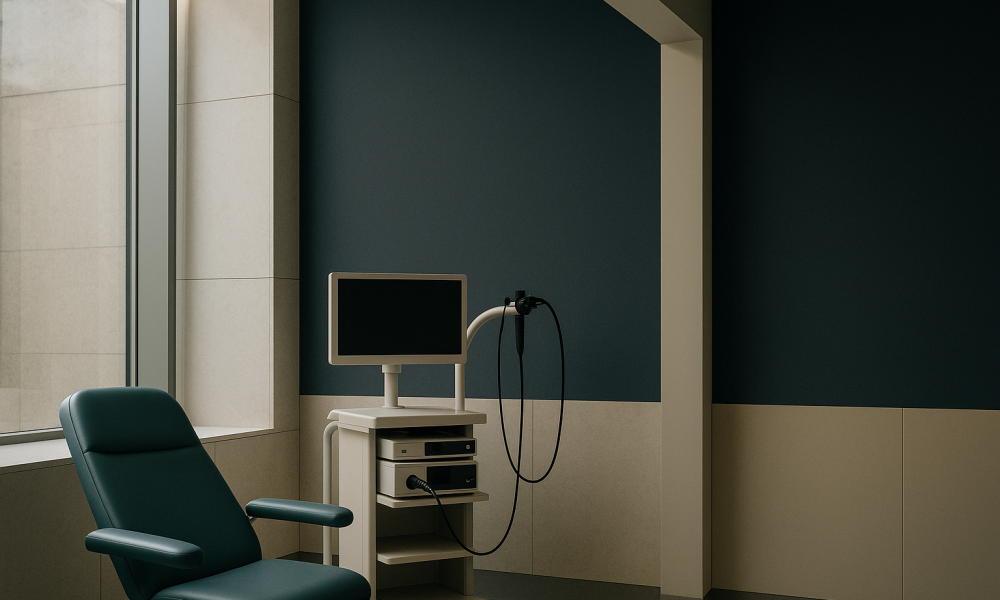
What POEM Achalasia Treatment is and who it is for
Peroral Endoscopic Myotomy (POEM) is a minimally invasive endoscopic procedure designed to treat achalasia, a condition characterised by difficulty in swallowing due to the inability of the oesophageal sphincter to relax. Unlike traditional surgical methods, POEM is performed via the mouth, eliminating the need for external incisions. This technique involves creating a tunnel in the oesophageal lining to access and cut the muscle fibres responsible for the disorder. As a result, it alleviates the blockage at the lower oesophageal sphincter, facilitating smoother passage of food and liquids.
Achalasia affects individuals of all ages, but it is most commonly diagnosed in adults between 25 and 60 years old. The condition is rare, with an incidence of approximately 1 in 100,000 people annually. Symptoms include regurgitation of undigested food, chest pain, weight loss, and persistent coughing, significantly impacting the quality of life. POEM offers a promising alternative to more invasive surgical options like Heller myotomy, particularly for patients who may not be ideal candidates for surgery due to age or comorbidities.
In Turkey, POEM is performed by highly trained gastroenterologists and surgeons, leveraging state-of-the-art endoscopic technology. The procedure typically takes between 1 to 3 hours under general anaesthesia, and patients can expect a hospital stay of 1 to 2 days. Given the country’s strategic location, Turkey has become a popular destination for medical tourism, offering cost-effective healthcare solutions without compromising on quality. Patients from Australia and other countries are increasingly seeking treatment in Turkey due to its robust healthcare infrastructure and experienced medical professionals.
POEM is particularly beneficial for individuals with early-stage achalasia, where the oesophageal muscles have not yet undergone significant degeneration. It is also suitable for patients who have not responded well to other treatments such as pneumatic dilation or Botox injections. The procedure’s minimally invasive nature results in a quicker recovery time, with most patients able to return to normal activities within one to two weeks and achieving full recovery in about four to six weeks. Importantly, the relief from symptoms is immediate for many, with patients reporting improved swallowing function shortly after the procedure.
Are you a good candidate?
Determining whether you are a good candidate for POEM involves a comprehensive evaluation by a qualified healthcare provider. This assessment typically includes a detailed medical history, physical examination, and a series of diagnostic tests. The goal is to ensure that POEM is the most appropriate treatment option for your specific condition.
Here is a checklist of criteria to consider if you are exploring POEM treatment for achalasia:
- Diagnosis of Achalasia: Confirmed through tests such as oesophageal manometry, which measures the rhythmic muscle contractions in your oesophagus when you swallow.
- Symptom Severity: Experiencing moderate to severe symptoms, including difficulty swallowing, regurgitation, or chest pain.
- Age Consideration: Generally suitable for adults between 18 and 80 years old. Special considerations may be required for those outside this age range.
- Previous Treatments: Candidates who have not found relief from other treatments like pneumatic dilation or pharmacological interventions.
- General Health: Overall good health, without significant comorbidities that could complicate anaesthesia or recovery.
- Willingness to Undergo Endoscopy: Comfort with the endoscopic nature of the procedure, which involves inserting instruments through the mouth.
- Access to Follow-up Care: Ability to attend follow-up appointments in Turkey or with a local provider post-procedure.
It is crucial to consult with a healthcare professional to discuss your symptoms and medical history in detail. They may recommend additional tests such as an endoscopic ultrasound or barium swallow study to gather more information about your oesophageal condition. This thorough evaluation will help in making an informed decision about whether POEM is the right choice for you.
Understanding the potential risks and benefits is essential. Although POEM is generally safe, like any medical procedure, it carries some risks such as infection, bleeding, or reaction to anaesthesia. However, with experienced practitioners and proper post-operative care, these risks can be minimised. Always ensure that your treatment is carried out in a reputable medical facility with qualified professionals to maximise the likelihood of a successful outcome.
The procedure, step by step
Peroral Endoscopic Myotomy (POEM) is a minimally invasive procedure designed to treat achalasia, a condition where the oesophagus is unable to move food toward the stomach. The procedure is performed under general anaesthesia and typically lasts between 60 to 120 minutes. Here’s a detailed step-by-step guide on what patients can expect during the procedure:
- Preparation: Prior to the procedure, patients undergo a series of tests to ensure suitability, including oesophageal manometry and endoscopy. These tests help in assessing the oesophageal function and ruling out other conditions.
- Initial Endoscopy: The procedure begins with an initial diagnostic endoscopy to confirm the diagnosis and examine the oesophagus. This step ensures that the treatment is appropriately tailored to the patient’s specific condition.
- Creating the Mucosal Entry: A small incision, typically 1-2 cm, is made in the mucosal layer of the oesophagus. This entry point is crucial as it allows further access to the submucosal layer without affecting the outer muscular layer.
- Submucosal Tunnelling: A tunnel is carefully created in the submucosal layer of the oesophagus. This step is essential as it provides a pathway to access the lower oesophageal sphincter (LES) while preserving the integrity of the mucosal layer.
- Myotomy: The surgeon performs the myotomy by cutting the muscle fibres of the LES. This step relieves the constriction caused by achalasia, allowing food to pass more easily into the stomach. The length of the myotomy is usually between 6 to 10 cm, depending on the severity of the condition.
- Closure of the Mucosal Entry: The mucosal incision is closed using endoscopic clips. These clips are designed to fall off naturally within a few weeks, ensuring a safe and secure closure.
- Final Endoscopy: A final endoscopy is conducted to check the integrity of the mucosal closure and to ensure there is no bleeding or other complications. This step marks the completion of the procedure.
Throughout the procedure, carbon dioxide is used to insufflate the oesophagus, which helps in better visualisation and reduces the risk of complications. The use of advanced endoscopic tools ensures precision and safety, making POEM a highly effective treatment for achalasia.
Recovery timeline
Recovery from POEM is generally swift, thanks to its minimally invasive nature. Patients can expect a structured recovery process that typically spans a few weeks to a couple of months, depending on individual circumstances. Below is a detailed timeline of the recovery process:
| Period | What to expect | Care notes |
|---|---|---|
| Day 1 | Patients are usually kept under observation for 24 hours. Some may experience mild discomfort or throat irritation. | Adhere to a liquid diet and avoid strenuous activities. Pain relief medication may be provided if necessary. |
| Days 2-3 | Most patients are discharged from the hospital. Minor bloating or gas pains can occur. | Continue with a liquid diet. Gradually introduce soft foods as tolerated. Regular follow-up appointments should be scheduled. |
| Week 1 | Patients typically feel more comfortable. Swallowing should improve significantly. | Transition to soft foods. Avoid alcohol, caffeine, and spicy foods to prevent irritation. |
| Weeks 2-4 | Steady improvement in swallowing and reduction in symptoms. Patients may return to normal activities. | Monitor for any unusual symptoms such as fever or severe pain. Maintain hydration and a balanced diet. |
| Month 1-2 | Full recovery is often achieved. Patients report significant improvement in quality of life. | Regular follow-ups are essential to ensure healing and assess oesophageal function. Dietary advice may be provided by a nutritionist. |
It is important for patients to follow the post-operative care instructions provided by their healthcare team. This includes dietary modifications, activity restrictions, and attending scheduled follow-up appointments to monitor progress and address any concerns. While complications are rare, patients should be aware of signs such as persistent pain, fever, or difficulty swallowing, and contact their healthcare provider immediately if these occur.
5. What it costs: Turkey vs Australia
When considering POEM (Peroral Endoscopic Myotomy) treatment for achalasia, cost is a significant factor for many patients. In Turkey, the cost of medical procedures can be considerably lower than in Australia, making it an attractive option for international patients. However, it’s important to understand what these costs typically cover and how they compare between the two countries.
The cost of POEM treatment in Turkey generally ranges from £3,000 to £6,000. This price typically includes the procedure itself, hospital stay, initial consultations, and follow-up appointments. In contrast, the cost of the same procedure in Australia is often higher, ranging from £8,000 to £15,000. These figures are indicative and can vary depending on the hospital, the complexity of the case, and the healthcare provider.
| Country | Indicative Price Range | Typical Package Inclusions |
|---|---|---|
| Turkey | £3,000 – £6,000 |
|
| Australia | £8,000 – £15,000 |
|
It’s essential to verify what is included in the quoted prices. In Turkey, packages are often comprehensive, covering not only the medical procedure but also logistical support such as airport transfers and accommodation arrangements. Patients should inquire about these additional services, as they can significantly affect the overall cost and convenience of their treatment abroad.
While cost is a key consideration, it is also crucial to assess the quality of care and the experience of the medical team. Many Turkish hospitals offering POEM are internationally accredited and staffed by physicians who have trained in leading medical institutions globally. This ensures that, despite the lower cost, the quality of treatment meets international standards.
6. Risks and how accredited providers manage them
As with any medical procedure, POEM for achalasia carries certain risks, though it is minimally invasive. Understanding these risks and how they are managed by accredited providers in Turkey can help reassure prospective patients.
Some potential risks associated with POEM include bleeding, infection, and inadvertent perforation of the oesophagus. These complications are relatively rare but can occur. Accredited healthcare providers in Turkey implement rigorous protocols to minimise these risks. For instance, thorough pre-operative assessments are performed to ensure the patient is a suitable candidate for the procedure. This involves reviewing the patient’s medical history, conducting physical examinations, and performing necessary diagnostic tests.
In the event of a complication, Turkish hospitals are well-equipped to handle emergencies. They have comprehensive protocols in place and experienced medical teams who can address issues promptly. The use of advanced medical technology also plays a crucial role in reducing risks. For example, high-resolution endoscopic equipment allows for greater precision during the procedure, which helps in avoiding complications such as perforation.
Infection control is another critical area of focus. Accredited hospitals adhere to international standards of hygiene and sterilisation, thereby significantly reducing the risk of post-operative infections. This includes the use of sterile environments and equipment, as well as stringent hand hygiene practices by the medical staff.
Furthermore, patient monitoring is an integral part of the risk management strategy. Post-operative care involves close monitoring of the patient’s condition to detect any early signs of complications. This includes regular checks of vital signs and the provision of appropriate medications to manage pain and prevent infection.
Accredited providers also prioritise patient education. Before undergoing POEM, patients receive detailed information about the procedure, potential risks, and post-operative care. This empowers patients to recognise any unusual symptoms early and seek medical attention promptly, thereby mitigating potential complications.
Overall, while there are inherent risks associated with POEM, accredited providers in Turkey employ comprehensive strategies to manage them effectively. Patients considering this treatment can be reassured by the high standards of care and the expertise available in Turkish medical facilities.
7. How to choose the right provider
Choosing the right provider for your Peroral Endoscopic Myotomy (POEM) treatment in Turkey is crucial to ensure a safe and effective procedure. Here are several factors to consider:
- Accreditation: Ensure the hospital or clinic is accredited by international bodies such as the Joint Commission International (JCI) or equivalent Turkish accreditation bodies. Accreditation indicates adherence to international healthcare standards.
- Surgeon Experience: Research the surgeon’s qualifications and experience. Ideally, the surgeon should have a specialisation in gastroenterology or related fields and extensive experience in performing POEM procedures. A track record of at least 50 successful POEM procedures can be a good benchmark.
- Aftercare Services: Post-operative care is critical for recovery. The provider should offer comprehensive aftercare, including dietary consultation, follow-up endoscopies, and access to a multidisciplinary team for addressing any complications.
- Red Flags: Be wary of clinics that make unrealistic promises or guarantee outcomes. Transparency about potential risks and a clear explanation of the procedure’s benefits and limitations are essential. Avoid providers that offer significantly lower prices without clear justification, as this may indicate compromised quality.
- Patient Reviews and Testimonials: Look for reviews from previous international patients. While personal stories should be taken with caution, consistent themes in reviews can provide insights into patient satisfaction and the provider’s reliability.
- Technology and Facilities: Advanced medical facilities equipped with the latest technology ensure higher safety standards and better outcomes. Verify that the provider uses state-of-the-art endoscopic equipment.
By carefully considering these factors, you can make a well-informed decision that prioritises both safety and quality care.
8. Planning your trip
Planning your trip for POEM treatment in Turkey involves several logistical considerations to ensure a smooth experience:
- Timeline Before Travel: Begin planning at least 2-3 months in advance. This allows ample time for consultations, securing medical reports, and arranging travel logistics. Early planning also provides flexibility in scheduling the procedure at your preferred facility.
- Documents Required: Prepare your medical records, including any previous tests or endoscopy reports, as well as your passport and visa documentation. Ensure your travel insurance covers medical tourism and specifically the POEM procedure.
- Length of Stay: Typically, patients are advised to stay in Turkey for about 7-10 days. This includes time for pre-operative consultations, the procedure itself, and initial recovery and monitoring. Some patients may require a longer stay based on individual recovery rates.
- Accommodation and Transportation: Consider staying in a hotel near the medical facility for convenience. Many hospitals offer packages that include transportation between the airport, hotel, and hospital.
- Follow-up at Home: Arrange for follow-up care with a local gastroenterologist in Australia. This ensures continuity of care and monitoring of your recovery process, with follow-up appointments typically scheduled at 1 month, 3 months, and 6 months post-procedure.
- Language Considerations: While many medical professionals in Turkey speak English, it might be beneficial to have a translator or guide, especially for non-medical interactions.
- Financial Planning: The cost for POEM in Turkey typically ranges from £4,000 to £7,000, including hospital fees, surgeon’s fees, and basic aftercare. Ensure you have a financial plan that covers these costs as well as additional travel-related expenses.
By meticulously planning each aspect of your trip, you can focus on your treatment and recovery with peace of mind.
Frequently Asked Questions
What is the typical cost of POEM treatment in Turkey?
The typical cost for POEM treatment in Turkey ranges from £4,000 to £7,000. This includes hospital fees, the surgeon’s fee, and basic aftercare services. It's crucial to confirm what is covered in the package to avoid unexpected expenses. Some hospitals offer packages that might include accommodation and transportation, so it’s worth inquiring about these when making your decision.
How can I verify the accreditation of a Turkish hospital?
You can verify the accreditation of a Turkish hospital by checking if they are listed on the Joint Commission International (JCI) website or contacting the Turkish Ministry of Health. Accreditation ensures that the hospital meets specific international healthcare standards, providing assurance of quality and safety in medical services. You can also ask the hospital directly for their accreditation details and any related documentation.
What qualifications should the surgeon have for POEM?
The surgeon performing a POEM procedure should ideally be a gastroenterologist or a surgeon with a specialisation in minimally invasive endoscopic procedures. Look for a surgeon with extensive experience, ideally having performed at least 50 successful POEM procedures. Additionally, membership in professional bodies such as the European Society of Gastrointestinal Endoscopy (ESGE) is a positive indicator of their expertise.
What are the risks associated with POEM?
As with any medical procedure, POEM carries some risks, including bleeding, infection, or oesophageal perforation. However, it is generally considered safe when performed by an experienced surgeon. Discuss potential risks and complications with your healthcare provider, ensuring you understand both the benefits and limitations of the procedure before proceeding. A thorough pre-operative evaluation helps mitigate these risks.
How long should I plan to stay in Turkey for the procedure?
You should plan to stay in Turkey for approximately 7-10 days. This duration allows for pre-operative assessments, the procedure itself, and initial recovery and monitoring. Some patients may require a longer stay based on individual recovery needs, so it's advisable to discuss this with your healthcare provider during the planning phase.
What should I do if I experience complications after returning home?
If you experience complications after returning to Australia, contact your local healthcare provider immediately. It’s essential to arrange for follow-up care with a gastroenterologist before you travel, ensuring continuity of care. Having access to your medical records from Turkey will assist your local doctor in managing any complications effectively.
Is travel insurance necessary, and what should it cover?
Yes, travel insurance is essential for medical tourism. Ensure your policy covers medical procedures abroad, including POEM, and any potential complications. It should also cover travel-related issues like flight cancellations or lost luggage. Review the policy details carefully to understand the coverage limits and exclusions before purchasing.
How early should I start planning my trip?
Start planning your trip at least 2-3 months in advance. This timeframe allows you to schedule consultations, gather necessary medical documentation, and make travel arrangements. Early planning also provides flexibility in choosing dates and securing appointments with your preferred healthcare provider.
Are there any red flags to watch out for when selecting a provider?
Yes, be cautious of providers that make overly optimistic promises or guarantee outcomes, as these can be unrealistic. A lack of transparency about costs, qualifications, or the procedure itself is another red flag. Additionally, significantly lower prices compared to other providers without clear justification may indicate compromised quality of care.
What aftercare is typically provided following POEM?
Aftercare following POEM typically includes dietary guidelines, follow-up endoscopies, and consultations with a multidisciplinary team to monitor recovery and address any complications. Some providers offer remote consultations to assist with follow-up care once you return home. Verify the specifics of aftercare services included in your treatment package.
How can I manage language barriers during my stay in Turkey?
Many medical professionals in Turkey speak English, but having a translator or guide can be helpful, especially for non-medical interactions. Consider hiring a local translator or using translation apps to facilitate communication. Some hospitals offer translation services as part of their international patient services, so inquire about this option.
Is it safe to travel to Turkey for medical treatment?
Traveling to Turkey for medical treatment is generally safe, especially when choosing a well-accredited facility. Turkey has a robust healthcare system with many hospitals meeting international standards. However, always check travel advisories from your government and take standard travel precautions to ensure a safe and smooth experience.