
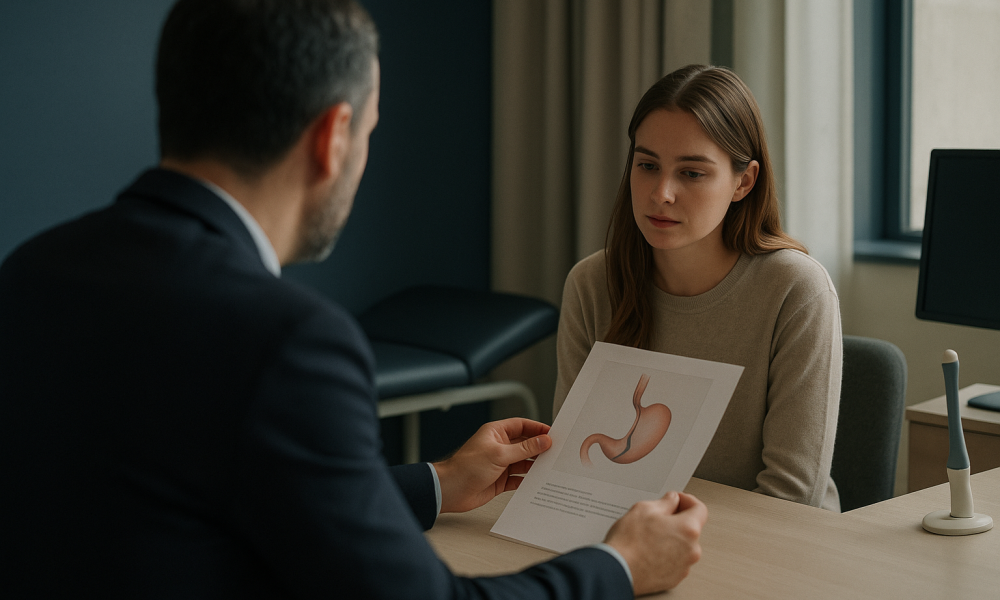
What POEM Achalasia Treatment is and who it is for
Peroral Endoscopic Myotomy (POEM) is a minimally invasive endoscopic procedure designed to treat achalasia, a rare disorder of the oesophagus characterized by difficulty in swallowing, regurgitation, and sometimes chest pain. In achalasia, the lower oesophageal sphincter (LES) fails to relax properly, disrupting the passage of food from the oesophagus into the stomach. This condition can significantly affect quality of life, leading to nutritional deficiencies and weight loss.
POEM offers a promising alternative to more invasive surgical procedures such as Heller myotomy. The procedure involves using an endoscope, a flexible tube with a camera, passed through the mouth to access the oesophagus. Surgeons create a tunnel in the oesophageal lining to reach the muscle layers and perform a myotomy, or cutting of the muscle, to relieve the abnormal pressure caused by the non-relaxing sphincter.
One of the main advantages of POEM is its minimally invasive nature. Unlike traditional surgery, it does not require external incisions, which can lead to a reduced risk of infection and faster recovery times. This makes POEM an attractive option for patients seeking effective management of achalasia with less post-operative discomfort and a shorter hospital stay. The procedure time typically ranges from 60 to 90 minutes and is performed under general anaesthesia.
Patients often experience immediate relief from symptoms such as dysphagia (difficulty swallowing) and regurgitation soon after the procedure. However, as with any medical treatment, individual results can vary, and it is important for patients to have realistic expectations. While POEM is highly effective, it is not a cure for achalasia. Instead, it aims to manage the symptoms and improve the patient’s ability to eat and drink comfortably.
As a procedure available in Turkey, POEM is performed by skilled gastroenterologists and surgeons with extensive experience in endoscopic techniques. The country is known for its advanced medical infrastructure and cost-effective healthcare services, making it a popular destination for medical tourists from countries like Canada seeking high-quality treatment.
Are you a good candidate?
Determining whether you are a good candidate for POEM treatment involves a comprehensive evaluation by a healthcare professional. The procedure is typically recommended for individuals diagnosed with achalasia who have not responded well to other treatments or prefer a less invasive option than traditional surgery. Here is a checklist to help assess your candidacy:
- Confirmed diagnosis of achalasia: Candidates should have a confirmed diagnosis through tests such as oesophageal manometry, which measures the pressure inside the oesophagus, or barium swallow studies that show the movement of food through the oesophagus.
- Symptoms affecting quality of life: Persistent symptoms such as difficulty swallowing, regurgitation, and chest pain that significantly impact daily activities and nutritional intake.
- Previous treatment attempts: Patients who have not achieved satisfactory results from other treatments like pneumatic dilation or botulinum toxin injections may consider POEM as a viable option.
- Overall health: Candidates should be in overall good health to undergo general anaesthesia and the procedure itself. A thorough medical evaluation will help determine any potential risks.
- Realistic expectations: Understanding that while POEM can significantly alleviate symptoms, it is not a cure for achalasia. Patients should be prepared for follow-up care and possible lifestyle adjustments.
- Access to follow-up care: Ensuring access to medical care post-procedure, whether in Turkey or at home, is crucial for monitoring recovery and managing any potential complications.
POEM is generally suitable for a wide range of patients, including those who may not be ideal candidates for more invasive surgeries due to age or other health conditions. However, a detailed consultation with a specialist is essential to evaluate all factors and make an informed decision. As medical tourists, Canadian patients should also consider logistical aspects such as travel arrangements, accommodation, and post-procedure support when planning treatment in Turkey.
The procedure, step by step
The Peroral Endoscopic Myotomy (POEM) procedure is a minimally invasive technique designed to treat achalasia by relieving the symptoms of this esophageal condition. Below is a detailed step-by-step overview of the procedure:
- Pre-operative Preparation: Patients are typically instructed to fast for at least 8 hours before the procedure to ensure the stomach is empty. Pre-operative assessments may include blood tests and imaging studies such as an endoscopy or esophageal manometry to confirm the diagnosis of achalasia.
- Anaesthesia Administration: The procedure is performed under general anaesthesia. An anaesthetist will administer the anaesthetic, and the patient will be monitored throughout the procedure to ensure safety and comfort.
- Endoscope Insertion: A flexible endoscope equipped with a camera and special instruments is gently inserted through the mouth and into the esophagus. This provides the surgeon with a clear view of the esophageal lining.
- Creation of a Submucosal Tunnel: The surgeon makes a small incision in the mucosal layer of the esophagus to create a tunnel. This tunnel is made in the submucosal space, which is the layer between the mucosa and muscle layers of the esophagus.
- Myotomy: Once the tunnel is established, the surgeon carefully cuts the circular muscle fibres of the lower esophageal sphincter. This is the critical step in the procedure, as it relieves the tightness and allows food to pass more easily into the stomach.
- Closure of the Mucosal Incision: After the myotomy is completed, the initial incision in the mucosal layer is closed using endoscopic clips. These clips are designed to be temporary and typically fall off naturally as the incision heals.
- Post-operative Observation: Patients are monitored in a recovery area immediately after the procedure. Vital signs are closely observed to ensure a smooth recovery from anaesthesia.
This procedure typically takes between 60 to 90 minutes, depending on the complexity of the case and the patient’s specific anatomy. The minimally invasive nature of POEM allows for a shorter hospital stay, often enabling patients to return home the day after the procedure. It is important to note that while POEM is highly effective, it requires a skilled and experienced surgical team to minimize risks and ensure optimal outcomes.
Recovery timeline
The recovery process following a POEM procedure is generally smooth, but it is important to understand the typical timeline and what one might expect during this period. The table below outlines the recovery stages from the first day post-procedure to full recovery:
| Period | What to expect | Care notes |
|---|---|---|
| Day 1 | Patients may experience mild throat discomfort and some bloating. Nausea from anaesthesia is possible but usually resolves quickly. | Patients are advised to rest and avoid strenuous activities. A liquid diet is recommended to avoid putting stress on the esophagus. |
| Day 2-3 | Most patients notice a reduction in symptoms such as difficulty swallowing. Some soreness in the throat may persist. | Continue with a soft diet, gradually introducing more solid foods as tolerated. Stay hydrated and follow any specific dietary advice provided by the healthcare team. |
| Week 1 | By the end of the first week, many patients feel significantly better and can resume light activities. | Patients should avoid heavy lifting and vigorous exercise. Follow-up appointments may be scheduled to assess recovery progress. |
| Weeks 2-4 | Improvement in swallowing and reduction in symptoms continue. Most patients can return to normal activities. | Continue to follow dietary recommendations and report any unusual symptoms to the healthcare provider immediately. |
| Full recovery (4-6 weeks) | Patients typically achieve full recovery, with significant improvement in quality of life and resolution of achalasia symptoms. | Maintain regular follow-up appointments to ensure long-term success and monitor for potential complications. Adhere to any lifestyle changes suggested by the healthcare team. |
Recovery times can vary based on individual health conditions and the specifics of the procedure. Adhering to post-operative instructions and attending follow-up appointments are crucial for a successful recovery.
5. What it costs: Turkey vs Canada
When considering the Peroral Endoscopic Myotomy (POEM) procedure for achalasia, understanding the cost differences between Turkey and Canada is crucial for prospective patients. While costs can vary based on individual circumstances, the following table provides indicative price ranges and typical package inclusions to assist in planning and decision-making.
| Country | Indicative Price Range (GBP) | Typical Inclusions |
|---|---|---|
| Turkey | £3,500 – £6,000 |
|
| Canada | £8,000 – £15,000 |
|
It is important to note that these figures are indicative and can vary based on the specific healthcare provider, the complexity of the case, and the duration of the hospital stay. In Turkey, the cost advantage is often attributed to lower operational costs and favourable exchange rates, allowing for competitive pricing without compromising on the quality of care.
Many Turkish healthcare providers offer comprehensive packages that include not only the medical procedure itself but also additional services such as airport transfers, accommodation arrangements, and even sightseeing tours for accompanying family members. Such packages can provide added convenience and peace of mind for international patients.
In Canada, while the costs are generally higher, the procedure might be covered under certain health insurance plans, depending on the province and the patient’s specific insurance policy. Patients are advised to check with their insurance provider to understand the extent of coverage they may receive for a POEM procedure.
Ultimately, the decision on where to undergo POEM treatment should consider not only the cost but also factors such as the surgeon’s expertise, hospital accreditation, and personal comfort with travelling for medical care. Patients are encouraged to conduct thorough research and consult with healthcare professionals to make an informed choice that aligns with their treatment goals and financial situation.
6. Risks and how accredited providers manage them
As with any medical procedure, the POEM treatment for achalasia carries certain risks. Understanding these risks and how accredited providers in Turkey manage them can help patients make informed decisions and approach their treatment with confidence.
Potential risks associated with the POEM procedure include:
- Perforation: A tear in the oesophagus can occur, which may require additional intervention. Accredited providers mitigate this risk through careful surgical technique and immediate post-operative monitoring.
- Infection: Although rare, infections can arise from the procedure. To prevent this, patients are often given prophylactic antibiotics, and sterile techniques are rigorously applied in accredited facilities.
- Bleeding: Some bleeding is expected, but excessive bleeding is managed by the surgical team using endoscopic tools and techniques to control and stop bleeding during the procedure.
- Reflux: Post-procedure, some patients may experience gastroesophageal reflux disease (GERD). This is managed through dietary advice and medication, with follow-up care to monitor and address symptoms.
Accredited providers in Turkey adhere to international standards of care to ensure patient safety and optimal outcomes. This includes the use of advanced endoscopic equipment and the presence of highly trained surgical teams who specialise in minimally invasive procedures like POEM. These teams undergo continuous professional development and training to stay abreast of the latest techniques and best practices.
Moreover, accredited hospitals in Turkey are equipped with state-of-the-art facilities that include intensive care units, ensuring that any complications can be promptly and effectively managed. Pre-operative assessments are thorough, involving detailed medical history reviews and diagnostic tests to tailor the procedure to the individual patient’s needs and minimise risks.
Patient education is another critical component of risk management. Before undergoing POEM, patients receive comprehensive information about the procedure, potential risks, and post-operative care. This empowers patients to participate actively in their care and adhere to post-operative instructions, which is crucial for recovery and the prevention of complications.
In summary, while the POEM procedure does carry inherent risks, accredited providers in Turkey implement robust measures to manage these risks effectively. Patients are encouraged to discuss these risks with their healthcare providers, ensuring they have a clear understanding and realistic expectations of the procedure and its outcomes.
How to choose the right provider
Choosing the right provider for your POEM achalasia treatment in Turkey involves careful consideration of several factors. Accreditation is a key starting point. Look for hospitals and clinics that are accredited by internationally recognised organisations, such as the Joint Commission International (JCI) or the European Foundation for Quality Management (EFQM). These accreditations signify adherence to global healthcare standards and patient safety protocols.
Surgeon experience is another critical factor. Inquire about the specific experience of the surgical team with POEM procedures. Ideally, the surgeon should have performed a substantial number of these procedures, with a focus on minimally invasive techniques. You may request data on their success rates, although it’s important to remember that past performance does not guarantee future results. A surgeon who is part of or regularly attends international conferences on gastrointestinal surgery might be more abreast with the latest techniques and innovations.
Aftercare services are vital to a successful recovery. Confirm that the provider offers comprehensive post-operative care, including dietary consultations and follow-up appointments. Some clinics provide telemedicine options, allowing you to consult with your healthcare team after returning home, which can be particularly beneficial for international patients.
Be aware of red flags when choosing a provider. Avoid clinics that make unrealistic promises about outcomes or those unwilling to share information about their accreditation or the experience of their surgical team. Be cautious of significantly lower costs without a clear explanation, as these could indicate compromised service quality or hidden fees.
Finally, consider patient reviews and testimonials, but approach them with a critical eye. Look for detailed feedback about the entire treatment journey, from initial consultation to post-operative care, rather than focusing solely on outcomes.
Planning your trip
Planning your trip to Turkey for POEM achalasia treatment involves several logistical considerations. Start by consulting with your local healthcare provider in Canada to ensure you are fit to travel and undergo surgery. Once you’ve chosen a provider, they will typically offer a pre-travel consultation to discuss your medical history and any specific requirements.
Begin arranging your travel documents well ahead of time. A valid passport is essential, and you may need a medical visa depending on the length of your stay. Check the latest requirements from the Turkish embassy or consulate. Ensure you have comprehensive travel insurance that includes medical coverage.
The timeline before travel typically involves several stages. You should plan to arrive in Turkey at least three days before the scheduled procedure to allow for pre-operative assessments and to acclimatise to the local environment. The POEM procedure itself usually requires a hospital stay of about 2 to 3 days, followed by an additional 5 to 7 days in Turkey for initial recovery and follow-up appointments.
In total, plan for a trip lasting approximately 10 to 14 days. This timeframe allows for any unforeseen delays and ensures you have ample time for recovery before flying home. Discuss the expected recovery timeline and any necessary post-operative care with your healthcare provider in Turkey to prepare for your return journey.
Upon returning to Canada, arrange a follow-up appointment with your local healthcare provider to ensure continuity of care. They should be informed about the procedure you underwent and any specific recommendations from your Turkish surgeon. Keep a detailed record of your treatment and any medications prescribed to facilitate this transition.
Frequently Asked Questions
What is POEM achalasia treatment?
POEM, or Peroral Endoscopic Myotomy, is a minimally invasive endoscopic procedure used to treat achalasia, a condition where the oesophagus has difficulty moving food to the stomach. It involves cutting the muscle at the lower end of the oesophagus to relieve symptoms like difficulty swallowing and chest pain.
How much does POEM achalasia treatment cost in Turkey?
The cost of POEM treatment in Turkey typically ranges from £6,000 to £10,000. This indicative range includes hospital fees, surgeon fees, anaesthesia, and basic post-operative care. It's important to confirm what specific services are included in the quoted price to avoid unexpected expenses.
Is POEM treatment safe?
POEM is considered a safe procedure when performed by experienced surgeons. Like all surgeries, it carries risks such as bleeding or infection, but these are relatively rare. Choosing a well-accredited facility with a skilled surgical team can help minimise these risks.
How do I choose a clinic for my POEM procedure?
When selecting a clinic, consider factors such as international accreditation, the surgeon's experience with POEM procedures, comprehensive aftercare services, and transparent pricing. Avoid clinics that make unrealistic promises or have a lack of clear information about their services.
What are the benefits of having POEM surgery in Turkey?
Turkey offers high-quality medical care at competitive prices, often significantly lower than in Canada. Many Turkish hospitals are internationally accredited and employ experienced, English-speaking medical staff. Additionally, the country is a popular destination for medical tourism, offering excellent hospitality and a rich cultural experience.
What should I bring with me for my medical trip to Turkey?
Ensure you have all necessary documents, including your passport, visa (if required), medical records, and any prescribed medications. It's also advisable to bring comfortable clothing, personal toiletries, and a list of emergency contacts. Having a credit card or some local currency for miscellaneous expenses is also recommended.
How long will I need to stay in Turkey for the procedure?
For POEM treatment, you should plan to stay in Turkey for about 10 to 14 days. This includes a few days before the procedure for pre-operative assessments, a short hospital stay, and a post-operative recovery period before returning home.
Will I need a visa to travel to Turkey for medical treatment?
Canadian citizens can travel to Turkey for short stays without a visa for up to 90 days within a 180-day period. However, if your stay for medical treatment exceeds this period, you may need to apply for a medical visa. Check with the Turkish consulate for the most current information.
What kind of follow-up care is needed after POEM?
After POEM, follow-up care typically involves dietary adjustments and monitoring for any complications. Your Turkish healthcare provider will give you detailed post-operative instructions. It's crucial to have a follow-up appointment with your local doctor in Canada to ensure continuity of care.
Can I travel alone for my POEM procedure?
While it's possible to travel alone, having a companion can be beneficial, particularly during the recovery phase. They can assist with logistics and provide emotional support. If you choose to travel alone, ensure that the hospital or clinic offers comprehensive support services.
How soon can I return to work after POEM surgery?
Most patients can return to non-strenuous work within 2 to 3 weeks after the procedure. However, this can vary based on individual recovery rates and job demands. Discuss your specific situation with your healthcare provider for personalised advice.
Are there any dietary restrictions after POEM?
Yes, following POEM, you will need to adhere to a modified diet, typically starting with liquids and gradually progressing to soft foods. Your healthcare provider will give you specific dietary guidelines to follow to ensure proper healing and minimise discomfort.