
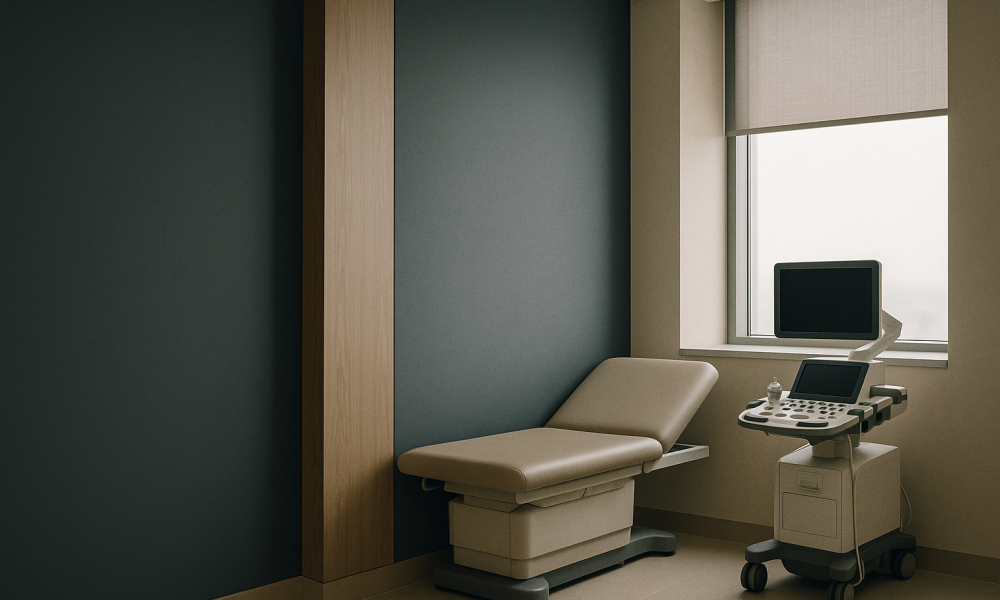
What Prostate Cancer Treatment Abroad is and who it is for
Prostate cancer treatment abroad, particularly in Turkey, offers patients from the United States the opportunity to access high-quality healthcare services at more affordable prices. Turkey has become a popular destination for medical tourism due to its advanced medical facilities, highly trained specialists, and competitive pricing. The country offers a range of prostate cancer treatments, including surgery, radiation therapy, and hormone therapy, all of which are performed by experienced medical professionals.
The decision to seek treatment abroad is often driven by several factors. These include the cost of treatment, the availability of cutting-edge technology, and shorter waiting times compared to those in the US. Turkey has invested significantly in its healthcare infrastructure, ensuring that hospitals are equipped with state-of-the-art technology and adhere to international standards of care. Additionally, many Turkish medical professionals have received training in Europe and the United States, ensuring a high level of expertise.
For prostate cancer, treatment options vary based on the stage and grade of the cancer, as well as the patient’s overall health and preferences. Common treatments include radical prostatectomy, which involves the surgical removal of the prostate gland, and radiation therapy, which uses high-energy rays to target and kill cancer cells. Hormone therapy may also be used to reduce levels of male hormones that can stimulate cancer growth.
Patients considering prostate cancer treatment in Turkey should be aware of the healthcare system’s structure. Most hospitals providing these services are private and offer tailored packages that may include accommodation, transportation, and a personal healthcare coordinator to assist with logistics and communication. The costs for treatment in Turkey typically range from $5,000 to $15,000, depending on the specific treatment plan and hospital chosen. This is considerably lower than the average costs in the United States, allowing patients to potentially save thousands of dollars.
It’s important for prospective patients to conduct thorough research and possibly consult with a healthcare facilitator or a medical tourism agency that specializes in guiding international patients through the process. This can help ensure that the chosen facility meets their expectations and that their treatment plan aligns with their medical needs.
Are you a good candidate?
Determining whether you are a good candidate for prostate cancer treatment abroad involves several key considerations. These include your current health status, the stage and grade of your cancer, and your personal circumstances and preferences. Below is a checklist to help you assess your suitability for seeking treatment in Turkey:
- Diagnosis: You have been diagnosed with prostate cancer and are exploring treatment options.
- Stage of Cancer: Your cancer is at a stage where treatment abroad is viable. Early to mid-stage cancers are often the most suitable for international treatment.
- Overall Health: You are in good general health, with no comorbid conditions that could complicate travel or surgery.
- Financial Considerations: You are looking for cost-effective treatment options that offer significant savings compared to the US.
- Support System: You have a support system in place, whether it be family or friends, who can assist you with travel and post-treatment care.
- Flexibility: You are flexible with your schedule and can accommodate the travel and recovery time required for treatment abroad.
- Research: You have conducted thorough research on potential treatment centres in Turkey and have consulted with a healthcare professional about your options.
- Communication: You are comfortable communicating in English, as most medical staff in Turkish hospitals catering to international patients are proficient in English.
Ultimately, the decision to pursue prostate cancer treatment abroad should be made in consultation with your current healthcare provider. They can provide guidance on whether travel and treatment in another country are advisable given your personal health circumstances. Additionally, consider reaching out to a medical tourism facilitator who can offer insights and logistical support, ensuring a smoother experience from start to finish.
The procedure, step by step
Undergoing prostate cancer treatment in Turkey involves a series of carefully coordinated steps, ensuring that each patient receives the best possible care tailored to their individual needs. Here is a detailed overview of what you can expect during the procedure.
- Initial Consultation: Upon arrival in Turkey, the first step is an in-depth consultation with an oncologist. This session typically includes a review of your medical history, previous diagnostic tests, and a discussion about the potential treatment options. You can expect this consultation to last between 60 to 90 minutes.
- Pre-operative Assessment: Once a treatment plan is agreed upon, a comprehensive pre-operative assessment is conducted. This may include blood tests, imaging scans such as MRI or CT, and other diagnostic evaluations to ascertain the current status of your cancer and your overall health. This step ensures that the treatment is tailored precisely to your needs.
- Hospital Admission: On the day of the procedure, you will be admitted to the hospital. Admission typically occurs the morning of or the night before the procedure, allowing the medical team to prepare you adequately.
- Preparation for Surgery: Before the surgery, you will meet with the anaesthesiologist to discuss anaesthesia options. Most prostate cancer surgeries are performed under general anaesthesia. You will also be briefed by the surgical team on what to expect during the procedure.
- The Surgical Procedure: Depending on the specifics of your case, the surgery may be either a radical prostatectomy or a minimally invasive procedure such as robotic-assisted surgery. The operation can last anywhere from 2 to 4 hours. Robotic-assisted surgery is often preferred due to its precision and reduced recovery time.
- Post-operative Care: After the surgery, you will be moved to a recovery area where your vital signs will be monitored closely. Pain management will be a priority, and you will be encouraged to begin gentle movements as soon as you are able. This helps to reduce the risk of complications such as blood clots.
- Hospital Stay: The typical hospital stay ranges from 2 to 5 days, depending on the type of surgery and your recovery progress. During this time, the healthcare team will continue to monitor your condition and provide care to ensure a smooth recovery.
Recovery timeline
Recovery from prostate cancer treatment is a gradual process that varies from patient to patient. Below is a typical recovery timeline to help you understand what to expect during each phase of your recovery journey.
| Period | What to expect | Care notes |
|---|---|---|
| Day 1 | Post-operative monitoring in the hospital. You may experience some pain and discomfort, which will be managed with medication. | Encouraged to start light movements to prevent blood clots. Pain management is a priority. |
| Days 2-5 | Gradual improvement in mobility. The catheter will likely remain in place, and you may start on a liquid diet. | Continue with prescribed medications. Follow instructions for catheter care. Begin gentle walking as advised. |
| Week 1-2 | Discharge from hospital. Initial follow-up appointment to assess recovery. | Rest at home with limited activities. Keep the surgical area clean and dry. |
| Weeks 3-4 | Increased mobility and energy levels. Catheter removal typically occurs during this period. | Gradually increase physical activity as tolerated. Follow-up appointments to monitor healing. |
| Months 1-3 | Return to normal daily activities. Some patients may start experiencing improvements in urinary function. | Continue with pelvic floor exercises to aid recovery. Attend regular check-ups. |
| Full recovery | Most patients achieve full recovery within 3 to 6 months. Long-term follow-ups are essential. | Regular PSA tests to monitor for recurrence. Maintain a healthy lifestyle. |
What it costs: Turkey vs the United States
When considering prostate cancer treatment abroad, cost is often a significant factor for many patients. Turkey has emerged as a popular destination for medical tourism due to its competitive pricing, without compromising on quality. Below is a comparative overview of indicative price ranges for prostate cancer treatments in Turkey versus the United States. These figures are meant to provide a general idea and may vary based on the specifics of the treatment, the healthcare facility, and the individual patient’s condition.
| Treatment | Turkey (USD) | United States (USD) |
|---|---|---|
| Prostatectomy | 5,000 – 10,000 | 15,000 – 30,000 |
| Radiation Therapy | 4,000 – 8,000 | 10,000 – 20,000 |
| Hormone Therapy | 500 – 1,500 | 1,000 – 4,000 |
| Cryotherapy | 3,000 – 5,000 | 10,000 – 15,000 |
| High-Intensity Focused Ultrasound (HIFU) | 6,000 – 12,000 | 20,000 – 25,000 |
Typically, treatment packages in Turkey include a range of services beyond the procedure itself. These may comprise pre-treatment consultations, diagnostic tests, medications during hospitalisation, accommodation for the patient and a companion, airport transfers, and follow-up care. It is crucial for patients to confirm the specifics of what is included in their package to avoid unexpected expenses.
The lower cost in Turkey can be attributed to several factors, including lower living expenses, competitive pricing strategies among healthcare providers, and government support for the medical tourism industry. Despite the cost advantage, it is important to ensure that the chosen healthcare provider meets international standards of care and has the necessary accreditations.
Risks and how accredited providers manage them
All medical procedures carry inherent risks, and prostate cancer treatments are no exception. While the prospect of receiving treatment abroad can be daunting, understanding the risks involved and how accredited providers in Turkey manage them can offer some reassurance.
Potential risks associated with prostate cancer treatments may include infection, bleeding, urinary incontinence, erectile dysfunction, and damage to surrounding tissues. The extent of these risks can vary based on the type of treatment, the patient’s overall health, and the skill of the medical team performing the procedure.
Accredited healthcare providers in Turkey take comprehensive measures to mitigate these risks. Accreditation by international bodies such as the Joint Commission International (JCI) ensures that hospitals and clinics adhere to rigorous standards of patient care and safety. These standards cover a wide array of practices, including infection control, surgical safety protocols, and patient communication.
- Infection Control: Accredited facilities implement strict hygiene and sterilisation protocols to minimise the risk of infection. This includes the use of sterile equipment, regular sanitisation of medical environments, and adherence to global best practices in patient care.
- Skilled Personnel: Accredited providers employ highly skilled and experienced medical professionals. Surgeons and oncologists are often trained in leading international institutions and are proficient in the latest treatment techniques.
- Preoperative Evaluation: A thorough preoperative evaluation helps identify potential risk factors and allows for personalised treatment planning. This evaluation typically includes a series of diagnostic tests and consultations with specialists.
- Postoperative Care: Comprehensive postoperative care is crucial for minimising complications. Accredited facilities provide detailed follow-up schedules and support, ensuring a smooth recovery process for international patients.
- Patient Education: Providers place a strong emphasis on educating patients about their treatment options, potential risks, and postoperative care. This empowers patients to make informed decisions and encourages active participation in their recovery.
While the risks are real, selecting an accredited provider in Turkey can significantly reduce the likelihood of complications. Patients are advised to conduct thorough research, seek testimonials from previous patients, and engage in open discussions with their chosen healthcare provider to fully understand the benefits and risks of their treatment options.
How to choose the right provider
Choosing the right provider for prostate cancer treatment abroad is a crucial decision that can significantly impact your treatment experience and outcomes. Here are key factors to consider:
- Accreditation: Ensure that the hospital or clinic is accredited by internationally recognised bodies such as Joint Commission International (JCI). Accreditation ensures that the facility meets rigorous standards of care, safety, and quality.
- Surgeon Experience: Research the qualifications and experience of surgeons. Look for specialists who have extensive experience in prostate cancer treatment and are involved in ongoing education. A surgeon with a history of successful surgeries and patient testimonials can provide reassurance.
- Aftercare: Consider the quality of aftercare services provided. Comprehensive aftercare includes post-operative monitoring, access to necessary medications, and support from a multidisciplinary team such as oncologists, urologists, and physiotherapists.
- Red Flags: Be cautious of providers that promise guaranteed outcomes or use high-pressure sales tactics. Lack of transparency about costs or reluctance to provide detailed information about treatment protocols should also be considered red flags.
When evaluating potential providers, ask for detailed information about their services, including the types of treatments offered, the technology used, and the expected healing and recovery timelines. Additionally, verify the language proficiency of the medical staff to ensure clear communication during your stay.
It is advisable to seek recommendations from previous patients or consult with medical tourism facilitators who have a track record of working with reputable facilities in Turkey. These facilitators can provide insights based on firsthand experience and help navigate the complexities of international treatment.
Planning your trip
Planning your trip for prostate cancer treatment in Turkey involves several steps to ensure a smooth and stress-free experience. Here’s a comprehensive guide:
- Timeline Before Travel: Begin planning at least 2-3 months in advance. This allows ample time for consultations, obtaining medical records, and making travel arrangements.
- Documents: Ensure you have a valid passport, a medical visa if required, and comprehensive medical records, including recent medical history, diagnostic reports, and any previous treatment details. Having these documents ready will facilitate a smoother consultation process.
- Length of Stay: The typical length of stay for prostate cancer treatment can range from 2 to 4 weeks, depending on the complexity of the procedure and your recovery speed. Discuss with your healthcare provider to get a precise estimate based on your treatment plan.
- Follow-Up at Home: Arrange follow-up care with a healthcare provider in your home country before you travel. This ensures continuity of care and monitoring of your recovery. Share your treatment plan and any post-operative instructions with your local doctor to coordinate care effectively.
During your stay, it is advisable to have a comprehensive travel insurance policy that covers medical evacuation and treatment abroad. Additionally, consider accommodation options that are conveniently located near the treatment facility to minimise travel stress.
Finally, stay informed about the cultural and logistical aspects of travelling to Turkey. Familiarise yourself with the local customs, language basics, and currency to enhance your experience while receiving treatment. By taking these detailed steps, you can focus on your health and recovery during your stay.
Frequently Asked Questions
How much does prostate cancer treatment in Turkey cost?
The cost of prostate cancer treatment in Turkey typically ranges from £4,000 to £12,000, depending on the type of procedure and length of stay required. This price range is indicative and may vary based on the hospital, surgeon’s expertise, and additional services such as aftercare and accommodation. It is advisable to request a detailed quote from the healthcare provider to understand what is included in the cost.
Is it safe to have prostate cancer treatment in Turkey?
Yes, it is generally safe to have prostate cancer treatment in Turkey, provided you choose a reputable and accredited healthcare provider. Many hospitals in Turkey are accredited by international bodies such as JCI, ensuring high standards of care. However, it is important to conduct thorough research on the facility, check surgeon credentials, and verify patient reviews to ensure safety and quality of care.
What are the benefits of choosing Turkey for my treatment?
Turkey offers several benefits for prostate cancer treatment, including access to highly qualified medical professionals, state-of-the-art facilities, and cost-effective treatment options. Additionally, the country is known for its hospitality and has a well-developed medical tourism infrastructure, making it a convenient choice for international patients seeking quality care at competitive prices.
How do I verify the credentials of a surgeon in Turkey?
To verify the credentials of a surgeon in Turkey, request their professional qualifications, certifications, and details of their experience in prostate cancer treatments. Many surgeons are members of international medical associations and have their credentials available on hospital websites. Additionally, patient reviews and testimonials can provide insights into their expertise and reputation.
What should I do if complications arise after returning home?
If complications arise after returning home, contact your local healthcare provider immediately for assessment and treatment. It's crucial to have arranged follow-up care before travelling, so your local doctor is aware of your treatment history. Additionally, maintain communication with your treatment provider in Turkey for guidance and to report any issues you experience.
Will language be a barrier during my treatment in Turkey?
Language is generally not a barrier as many hospitals in Turkey catering to international patients have English-speaking staff and offer translation services. It is advisable to confirm language support availability with your chosen healthcare provider to ensure clear communication and understanding throughout your treatment process.
What types of prostate cancer treatments are available in Turkey?
Turkey offers a variety of prostate cancer treatments including surgical options like radical prostatectomy, minimally invasive techniques such as laparoscopic surgery, radiation therapy, and hormone therapy. The choice of treatment depends on the stage and aggressiveness of the cancer, and should be discussed with your healthcare provider to determine the most appropriate approach for your condition.
How long will I need to stay in Turkey for treatment?
The length of stay in Turkey for prostate cancer treatment typically ranges from 2 to 4 weeks. This duration includes pre-operative consultations, the treatment itself, and initial recovery and follow-up care. The exact length of stay depends on the complexity of your treatment and your personal recovery timeline, which should be discussed with your healthcare provider.
What follow-up care will I need after surgery?
After prostate cancer surgery, follow-up care typically includes regular check-ups with a healthcare provider to monitor recovery, manage any side effects, and ensure there are no signs of cancer recurrence. This may involve blood tests, imaging studies, and consultations with specialists such as urologists and oncologists. Discuss a detailed follow-up plan with your treatment team before returning home.
Are there any cultural considerations I should be aware of when travelling to Turkey?
When travelling to Turkey, it's helpful to be aware of cultural norms, such as conservative dress codes in certain areas, especially when visiting religious sites. Understanding basic Turkish phrases can enhance your experience, although English is widely spoken in urban areas and medical facilities. Being respectful of local customs and traditions will contribute to a positive stay.
Can I combine my treatment with a holiday in Turkey?
While it is possible to combine treatment with leisure activities, it is important to prioritise your health and recovery. Discuss with your healthcare provider the appropriate timing for any travel or tourism activities post-treatment, as your recovery process may limit physical activity. Many patients choose to explore Turkey once they have sufficiently recovered and received medical clearance.
What payment methods are accepted by hospitals in Turkey?
Most hospitals in Turkey accept a variety of payment methods including major credit cards, bank transfers, and sometimes cash payments. It is advisable to confirm the accepted payment methods with your healthcare provider in advance. Additionally, some hospitals may offer financing options or payment plans for international patients, so inquire about these possibilities if needed.