
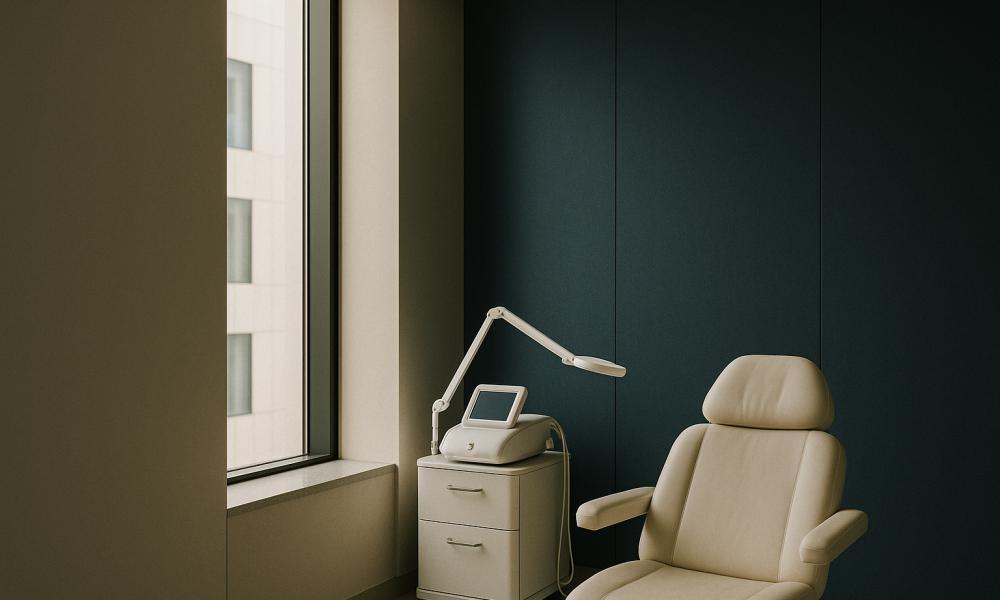
What Skin Boosters is and who it is for
Skin boosters are a non-surgical treatment designed to enhance the skin’s natural glow and hydration. Unlike traditional dermal fillers that add volume, skin boosters work by injecting hyaluronic acid into the skin to improve its overall texture and elasticity. Hyaluronic acid is a naturally occurring substance in the body that retains moisture, making it an ideal ingredient for rejuvenating tired or aged skin. This treatment is particularly popular for those looking to achieve a youthful, radiant appearance without undergoing invasive surgery.
The procedure involves multiple micro-injections into the dermis, the layer of skin just below the surface. These injections are spaced out over the treatment area to ensure even distribution and optimal results. The process typically takes between 30 to 60 minutes, depending on the size of the area being treated. A topical anaesthetic is usually applied beforehand to minimise discomfort.
Skin boosters can be used on various parts of the body, though they are most commonly applied to the face, neck, and hands. They are suitable for individuals with all skin types, including those with sensitive skin. The treatment is often sought by people who have noticed a decline in their skin’s hydration levels, or who are experiencing fine lines and wrinkles. It is also beneficial for those with acne scars or other minor skin imperfections.
While skin boosters are effective, it is important to have realistic expectations. The treatment is not intended to replace major procedures like facelifts, nor does it provide permanent results. Most patients require a series of treatments, usually spaced weeks apart, to achieve and maintain the desired outcome. Typically, initial treatments are followed by maintenance sessions every six months to a year.
Are you a good candidate?
Determining if you are a suitable candidate for skin boosters involves understanding both your skin’s current condition and your aesthetic goals. This treatment is ideal for those seeking subtle enhancements rather than dramatic changes. It is crucial to have a consultation with a qualified practitioner to assess your individual needs and expectations.
Here are some factors that might make you a good candidate for skin boosters:
- Adults over the age of 25 looking to improve skin hydration and texture.
- Individuals with fine lines and wrinkles who prefer non-surgical options.
- Those with mild acne scarring or uneven skin tone.
- People with no active skin infections or conditions such as eczema or psoriasis in the treatment area.
- Individuals who are not pregnant or breastfeeding.
- Patients with realistic expectations about the outcomes of the treatment.
Before proceeding with treatment, it is essential to discuss your medical history, including any allergies or previous skin treatments, with your practitioner. This ensures the treatment is safe and tailored to your specific needs. Candidates should also be aware that results can vary based on individual skin conditions and adherence to post-treatment care. Following the practitioner’s advice on skincare routines and avoiding sun exposure will help maximise the benefits of the treatment.
The procedure, step by step
Skin booster treatments are designed to rejuvenate and hydrate the skin by injecting hyaluronic acid or other nourishing substances into the dermal layers. The process is minimally invasive and typically performed in a clinical setting by a qualified practitioner. Here is a detailed step-by-step guide to what you can expect during the procedure:
- Initial Consultation: Before the procedure, a comprehensive consultation is conducted. The practitioner will assess your skin type, discuss your aesthetic goals, and review any medical history that could affect the treatment. This is also the time to discuss potential risks, benefits, and aftercare.
- Preparation: On the day of the procedure, the treatment area will be cleaned thoroughly to prevent infection. A topical anaesthetic cream may be applied to minimise discomfort during the injections. This takes approximately 20-30 minutes to take effect.
- Marking the Treatment Area: The practitioner will mark the areas to be injected to ensure precise placement of the skin booster. This step is crucial for achieving even results and optimising the absorption of the product.
- Injection: Using a fine needle or cannula, the practitioner will inject the skin booster into the predetermined areas. The injections are usually performed in a grid-like pattern to ensure uniform distribution. The entire injection process typically takes 20-30 minutes, depending on the size of the area being treated.
- Post-Injection Massage: After the injections, a gentle massage may be applied to the treated areas to help distribute the product evenly and reduce any minor swelling or bruising.
- Immediate Aftercare: Once the treatment is complete, you’ll be given specific aftercare instructions. This usually includes advice on avoiding intense physical activities, excessive sun exposure, and certain skincare products for a few days.
The entire procedure, including preparation and aftercare discussion, usually takes between 60 to 90 minutes. It’s important to follow the aftercare instructions carefully to ensure optimal results and minimise the risk of complications.
Recovery timeline
The recovery process after a skin booster treatment is generally straightforward and quick, with most individuals experiencing only mild discomfort. The following table outlines what you can expect during the recovery period:
| Period | What to expect | Care notes |
|---|---|---|
| Day 1 | Immediately after the procedure, you may experience slight redness, swelling, or bruising at the injection sites. These effects are typically mild and temporary. | Apply a cold compress to reduce swelling. Avoid touching or rubbing the treated areas. Follow any specific instructions provided by your practitioner. |
| Days 2-3 | Redness and swelling should begin to subside. Some patients report a feeling of tightness or sensitivity in the treated areas. | Continue to avoid strenuous activities and direct sun exposure. Use a gentle cleanser and moisturiser to maintain skin hydration. |
| Days 4-7 | Most visible side effects should have resolved, with the skin starting to appear more hydrated and radiant. | You may resume normal activities but continue to protect your skin from sun exposure by wearing a high-SPF sunscreen. |
| Week 2 | The full effects of the treatment become more apparent. Skin should look plumper and feel more supple. | Maintain a regular skincare routine and consider scheduling a follow-up appointment to assess the results. |
| Full recovery (4-6 weeks) | By this time, the skin’s texture and tone improvements should be fully visible. Any residual swelling or bruising should be completely gone. | Follow any long-term care advice from your practitioner to prolong the results, such as periodic maintenance treatments every 6-12 months. |
It is essential to adhere to the care instructions provided by your healthcare provider to ensure a smooth recovery and to maximise the benefits of the treatment. If you experience any unusual symptoms or prolonged side effects, contact your practitioner promptly.
What it costs: Turkey vs Canada
When considering skin booster treatments, one of the critical factors for many international patients is the cost. Turkey has become a popular destination for these treatments, in part due to its competitive pricing compared to countries like Canada. However, it is important to note that prices can vary based on several factors, including the clinic’s location, the specific product used, and the expertise of the practitioner.
Below is a comparative table illustrating the indicative price ranges for skin booster treatments in Turkey versus Canada. These figures are intended to provide a general idea and actual costs may vary.
| Country | Indicative Price Range (per session) | Typical Package Inclusions |
|---|---|---|
| Turkey | €150 – €300 | Consultation, treatment session, follow-up care, and basic aftercare products |
| Canada | €400 – €700 | Consultation and treatment session |
As seen in the table, the cost of a single skin booster session in Turkey typically ranges from €150 to €300. In contrast, prices in Canada are generally higher, ranging from €400 to €700 per session. This difference is often attributed to the lower operational costs and competitive market dynamics in Turkey. Additionally, many clinics in Turkey offer comprehensive packages that include not only the treatment itself but also consultation, follow-up care, and sometimes even basic aftercare products. In Canada, these additional services might incur extra costs.
Patients should be aware that opting for the lowest price is not always advisable. It is crucial to ensure that the clinic is reputable and that the practitioners are qualified and experienced. Many Turkish clinics are accredited by international healthcare organisations, which can provide additional assurance of quality and safety. Ultimately, when comparing costs, consider the overall value, including the quality of care, the experience of the medical team, and the comprehensiveness of the package.
Risks and how accredited providers manage them
Like any medical procedure, skin booster treatments carry certain risks, albeit generally minimal when performed by qualified professionals. Understanding these risks and how accredited providers in Turkey manage them is essential for prospective patients.
Common risks associated with skin boosters include temporary redness, swelling, or bruising at the injection site. These are usually mild and resolve within a few days. Less common are risks such as infection, allergic reactions, or uneven results, which can occur if the procedure is not conducted properly.
Accredited providers in Turkey employ several strategies to mitigate these risks:
- Pre-treatment Assessment: Before any treatment, a thorough consultation is conducted to assess the patient’s medical history, skin type, and specific needs. This helps tailor the treatment plan and minimise the risk of adverse reactions.
- Qualified Practitioners: Treatments are typically performed by certified dermatologists or aesthetic doctors who have undergone extensive training. Their expertise plays a crucial role in reducing the likelihood of complications.
- High-Quality Products: Clinics use FDA-approved or CE-marked products, ensuring that the materials used are safe and effective. Providers choose products that are well-suited to the patient’s skin type and treatment goals.
- Hygienic Practices: Adherence to strict hygiene protocols is paramount. Clinics maintain sterile environments and use single-use needles to prevent infections.
- Post-treatment Care: Accredited clinics provide detailed aftercare instructions to help patients manage any side effects and ensure optimal results. This may include advice on skincare routines and follow-up appointments to monitor progress.
Despite these precautions, it is important for patients to be realistic about the outcomes and understand that side effects, although rare, can occur. Patients are encouraged to discuss any concerns with their practitioner before proceeding with the treatment. Transparent communication and a comprehensive understanding of the procedure can significantly enhance the patient experience and satisfaction.
How to choose the right provider
Choosing the right provider for skin boosters in Turkey is crucial to ensure both safety and satisfaction with your procedure. Start by verifying the accreditation of the clinic. Look for certifications from international bodies such as the Joint Commission International (JCI) or the International Organization for Standardization (ISO), which indicate adherence to global healthcare standards.
Next, consider the experience and qualifications of the surgeon or dermatologist who will perform the procedure. Ideally, they should have specific training in dermatology or aesthetic medicine and several years of experience with skin booster treatments. Inquire about their track record, including the number of procedures performed and any specialisations in particular techniques or products. It is reasonable to request before-and-after photos of previous patients, although remember these are not guarantees of your results.
Aftercare is another critical component. A reputable clinic should offer comprehensive post-treatment support, which may include follow-up appointments, advice on managing any potential side effects, and a clear plan for maintaining the results of your skin boosters. This can involve recommendations for skincare products and lifestyle adjustments to optimise the longevity of the treatment.
Watch out for red flags. Be cautious of clinics that offer significantly lower prices than the typical range, which in Turkey can be around £200 to £500 per session. While cost is an important consideration, extremely low prices can be indicative of compromised quality or safety standards. Also, be wary of providers who make unrealistic promises about results or downplay potential risks. Transparency is key; a trustworthy provider will give you a balanced view of what to expect, including discussing any possible side effects or complications.
Finally, consider patient reviews and testimonials, but approach them critically. While positive reviews can be reassuring, they should not be the sole basis for your decision. Look for patterns in feedback rather than isolated comments, and consider consulting independent review platforms for a more balanced perspective.
Planning your trip
Planning your trip to Turkey for a skin booster treatment involves several key steps to ensure a smooth and stress-free experience. Begin by establishing a timeline. Ideally, you should contact the clinic at least one to two months before your planned travel date to allow ample time for consultation and scheduling. This period also provides a buffer for any preliminary tests or assessments that might be required.
Gather all necessary documents well in advance. Canadian citizens typically require a valid passport and may need a visa to enter Turkey, which can often be obtained online through the e-Visa system. Check these requirements early to avoid any last-minute issues. Additionally, compile any medical records or documentation the clinic requests, such as previous dermatological treatments or relevant health history.
Consider the length of your stay. While the procedure itself is usually quick, often taking less than an hour, plan to stay in Turkey for at least a few days. This allows time for initial recovery and any follow-up appointments that the clinic might recommend. Many patients choose to stay for a week to accommodate these needs and to enjoy some leisure time exploring Turkey.
Plan for follow-up care once you return to Canada. Discuss with the clinic the possibility of remote consultations to address any post-treatment concerns or questions. Additionally, identify a local dermatologist who can assist with ongoing care and monitoring of your skin’s condition. This ensures continuity of care and provides peace of mind as you maintain your results.
Financial planning is also important. Aside from the treatment cost, which typically ranges from £200 to £500 per session, budget for travel expenses, accommodation, and any incidental costs. Travel insurance is advisable to cover unforeseen circumstances, including medical emergencies.
Finally, consider any personal arrangements that need to be made, such as work leave or family care. Inform your employer and make necessary adjustments to your schedule to accommodate your trip and recovery time. By planning meticulously, you can focus on your treatment and enjoy your time in Turkey with minimal stress.
Frequently Asked Questions
What are the typical costs for skin boosters in Turkey?
The cost for skin booster treatments in Turkey typically ranges from £200 to £500 per session. This price can vary depending on the clinic's location, the specific product used, and the expertise of the practitioner. It's important to consider that lower-than-average prices might reflect compromised quality or safety standards, so always research your provider thoroughly before proceeding.
How safe are skin booster treatments?
Skin booster treatments are generally considered safe when performed by qualified professionals in accredited facilities. As with any medical procedure, there are potential risks and side effects, such as swelling, bruising, or infection. To minimise these risks, ensure your provider is experienced and follows strict hygiene and safety protocols. Discuss any concerns with your practitioner before undergoing treatment.
How do I verify the accreditation of a clinic in Turkey?
To verify a clinic's accreditation, look for certifications from recognised international bodies such as the Joint Commission International (JCI) or the International Organization for Standardization (ISO). You can also check with Turkish healthcare authorities or consult independent reviews and testimonials from previous patients. A reputable clinic will be transparent about its credentials and certifications.
What should I expect during the recovery period?
Recovery from skin booster treatments is typically minimal, with most patients experiencing only mild swelling or redness at the injection sites. These effects usually subside within a few days. Your practitioner will provide specific aftercare instructions, which may include gentle skincare routines and avoiding sun exposure. Follow-up appointments may be recommended to monitor your progress and address any concerns.
How long do the results of skin boosters last?
The effects of skin booster treatments can vary based on the type of product used and individual skin characteristics. Generally, results last between 6 to 12 months. Maintaining a good skincare routine and following your practitioner's advice can help prolong the benefits. Regular top-up sessions may be recommended to sustain the desired results over time.
What documents do I need for my trip to Turkey?
Canadian citizens need a valid passport and may require a visa to enter Turkey. The visa can often be obtained online through the e-Visa system. It's also advisable to carry any medical records or documentation requested by your clinic, such as details of previous dermatological treatments or relevant health history, to ensure a smooth consultation process.
How do I manage follow-up care after returning to Canada?
Discuss the possibility of remote consultations with your clinic to address post-treatment concerns once you return to Canada. Additionally, identify a local dermatologist who can assist with ongoing care and monitoring of your skin’s condition. This ensures continuity of care and provides peace of mind as you maintain your results.
How far in advance should I book my treatment?
It is advisable to book your treatment at least one to two months in advance. This allows time for any necessary consultations, scheduling, and preliminary assessments. Booking early also provides a buffer for any unforeseen changes to your travel plans, ensuring a smoother experience.
How long should I plan to stay in Turkey for the treatment?
While the skin booster procedure itself is quick, typically taking less than an hour, it's advisable to stay in Turkey for at least a few days. This accommodates initial recovery and any follow-up appointments. Many patients choose to stay for a week to ensure ample time for these needs and to enjoy some leisure activities.
What if I experience complications after the treatment?
If you experience complications after your treatment, contact your Turkish clinic immediately for advice. They may offer remote consultations to address your concerns. Additionally, seek assistance from a local dermatologist in Canada who can provide in-person evaluations and treatment if necessary. Having a plan in place for such scenarios ensures prompt attention to any issues.
Can I combine skin boosters with other treatments?
Yes, skin boosters can often be combined with other aesthetic treatments, such as dermal fillers or laser therapies, to enhance overall results. Discuss your goals with your practitioner, who can recommend a tailored treatment plan that safely combines multiple procedures. Always ensure that your provider is experienced in administering combination treatments.
Are there any lifestyle changes I should make before the treatment?
Before undergoing skin booster treatments, it’s beneficial to maintain a healthy lifestyle. Avoid excessive sun exposure, hydrate adequately, and follow a balanced diet to optimise skin health. Discuss any specific skin concerns or habits with your practitioner, as they may provide additional pre-treatment recommendations tailored to your needs.