
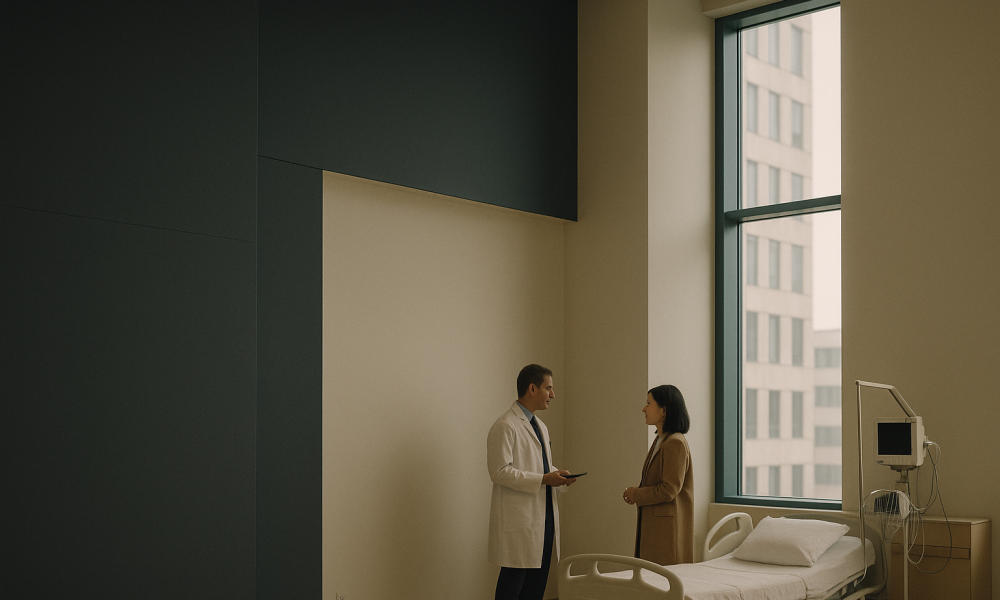
What Sleep Study Abroad is and who it is for
A sleep study, or polysomnography, is a non-invasive, overnight examination that allows doctors to monitor you while you sleep to see what’s happening in your brain and body. For those considering a sleep study abroad, Turkey offers a viable option due to its modern healthcare infrastructure, skilled medical professionals, and cost-effective services. This procedure is typically recommended for individuals experiencing sleep disorders such as obstructive sleep apnoea, insomnia, restless legs syndrome, or narcolepsy.
The process involves staying overnight in a sleep centre or hospital, where you will be connected to various monitoring equipment. These devices record your brain waves, oxygen levels, heart rate, breathing, and movements during sleep. The data collected can help diagnose conditions that affect sleep quality and provide insights into unexplained daytime fatigue.
Turkey’s appeal as a destination for medical tourism, particularly for sleep studies, is bolstered by its state-of-the-art facilities and internationally accredited hospitals. While the typical cost of a sleep study in the United States can range from £2,000 to £5,000, in Turkey, the indicative cost is significantly lower, ranging between £400 and £800. This makes it an attractive option for uninsured patients or those facing high deductibles.
Furthermore, the sleep study procedure in Turkey is designed to be as comfortable as possible. Patients are provided with private, hotel-like rooms, and the monitoring equipment used is advanced and minimally intrusive, ensuring a restful night as much as possible under the circumstances. The results, which are analysed by a team of specialists, are usually available within one to two weeks, providing a comprehensive overview of your sleep patterns and any potential disorders.
Patients travelling for a sleep study in Turkey can also take advantage of the country’s rich cultural heritage and hospitality, turning what might be a daunting medical procedure into an opportunity for rest and exploration. Istanbul, in particular, offers a blend of historical sites, vibrant culture, and modern conveniences, making it an ideal location for medical tourists.
Are you a good candidate?
Determining whether you are a suitable candidate for a sleep study abroad involves assessing several factors. Primarily, sleep studies are recommended for individuals who exhibit symptoms of sleep disorders that remain unresolved through initial consultations or home remedies. These symptoms often include persistent snoring, frequent awakenings during the night, excessive daytime sleepiness, or observed pauses in breathing during sleep.
Before considering a sleep study in Turkey, it is essential to consult with a healthcare provider in your home country to ensure that this diagnostic approach is appropriate for your condition. If your doctor suspects a disorder that affects your sleep quality, such as sleep apnoea or narcolepsy, they might recommend a polysomnography as the next step in your diagnosis and treatment plan.
Here is a checklist to help determine if you might be a good candidate for a sleep study abroad:
- Experiencing chronic snoring or breathing interruptions during sleep.
- Having difficulty staying asleep or excessive daytime fatigue.
- Diagnosed with conditions like insomnia or restless leg syndrome without improvement.
- Recommendations from a healthcare provider for further sleep analysis.
- Unaffordable or unavailable sleep study options locally.
- Comfortable with travelling internationally for medical purposes.
- Able to follow post-study recommendations from your healthcare provider.
It is also crucial to consider logistical aspects such as travel arrangements, potential language barriers, and post-procedure care. Many medical facilities in Turkey offer English-speaking staff and coordinators to assist international patients, ensuring a smooth experience from arrival through to departure.
Ultimately, a sleep study can be a valuable diagnostic tool, providing insights that are critical for managing sleep-related conditions. By opting for a sleep study in Turkey, patients can benefit from high-quality medical care at a fraction of the cost, provided they meet the suitability criteria and are prepared for the travel involved.
The procedure, step by step
Undergoing a sleep study in Turkey involves a series of well-coordinated steps to ensure that patients receive the most accurate diagnosis and subsequent treatment. The procedure generally follows a structured path, with each step designed to maximise comfort and efficacy.
- Initial Consultation: The process begins with a thorough consultation with a sleep specialist. This can be conducted virtually or in person, depending on your arrival plans. During this session, the specialist will discuss your medical history, current symptoms, and any previous sleep studies you may have undergone.
- Pre-study Assessment: Prior to the sleep study, you will undergo a pre-study assessment, which may include physical examinations and possibly some preliminary tests like blood work. This is to ensure that there are no underlying conditions that might affect the study’s results.
- Preparation for the Study: On the day of the study, you will be asked to avoid caffeine, alcohol, and heavy meals. You should bring comfortable sleepwear and any items that will help you relax, such as a book or music.
- Arrival at the Sleep Centre: You will arrive at the sleep centre in the evening. The centre will typically resemble a comfortable hotel room, equipped with the necessary medical equipment. A technician will explain the process and answer any questions you may have.
- Attachment of Monitoring Devices: Before you sleep, a technician will attach various sensors to your body. These sensors will monitor brain activity, eye movements, heart rate, breathing patterns, and oxygen levels. The process is non-invasive, though it might feel slightly unusual.
- Overnight Monitoring: You will spend the night in the sleep centre while the monitoring equipment records data on your sleep patterns. Technicians will be available throughout the night to assist if needed.
- Data Analysis: The recorded data is analysed by sleep specialists who interpret the results to diagnose any sleep disorders such as sleep apnoea, insomnia, or restless legs syndrome.
- Follow-up Consultation: After the analysis, you will have a follow-up consultation with your specialist. They will explain the findings and discuss potential treatment options, which may include lifestyle changes, medication, or further medical interventions.
Recovery timeline
Although a sleep study is non-invasive and generally requires minimal recovery time, understanding what to expect after the procedure can help ease any concerns. The timeline for recovery and follow-up is straightforward, with a focus on ensuring you understand your diagnosis and subsequent steps.
| Period | What to Expect | Care Notes |
|---|---|---|
| Day 1 | Post-study, you may feel slightly tired due to the unfamiliar sleep environment. Most patients can resume normal activities immediately. | Ensure to hydrate well and avoid scheduling any demanding tasks on this day. Consider taking a short nap if needed. |
| Day 2-3 | Most patients feel back to their normal energy levels. You will likely receive preliminary feedback from the sleep centre. | Continue regular activities. If you have any concerns, contact the sleep centre for advice. |
| Day 4-7 | You will have a follow-up consultation to discuss the results of your sleep study. Treatment options will be outlined. | Prepare questions in advance for your consultation. Depending on the results, you may need to adjust lifestyle habits. |
| Week 2-4 | If treatment is initiated, you may begin to notice improvements in sleep quality. Ongoing communication with your specialist is advised. | Adhere to any prescribed treatments or lifestyle changes. Report any side effects or concerns promptly. |
| Full Recovery | While recovery isn’t typically needed, achieving optimal sleep quality may take several weeks to months, depending on the treatment plan. | Maintain regular follow-ups with your healthcare provider to track progress and adjust treatments as necessary. |
What it costs: Turkey vs the United States
When considering a sleep study abroad, understanding the cost differences between Turkey and the United States is crucial. Sleep studies, including polysomnography, are comprehensive tests used to diagnose sleep disorders. The cost structure for such studies can vary significantly depending on the country, the facility, and the specific services included in the package.
In Turkey, the cost of a sleep study typically ranges from $600 to $1,200 USD. This price range often includes pre-consultation assessments, the sleep study itself, post-study analysis, and a follow-up consultation to discuss results and potential treatments. Many facilities also offer additional services, such as airport transfers, accommodation arrangements, and interpretation services, which can be included in the package or provided at an additional cost.
In contrast, the cost of a sleep study in the United States is generally higher, averaging between $2,500 and $5,000 USD. This price usually covers similar components to those offered in Turkey, such as initial consultations, the overnight study, and result discussions. However, additional services like accommodation and transportation are typically not included in the base price and may incur extra charges.
| Service Component | Turkey (USD) | United States (USD) |
|---|---|---|
| Sleep Study | $600 – $1,200 | $2,500 – $5,000 |
| Pre-consultation | Included | Included |
| Post-study Consultation | Included | Included |
| Accommodation | Optional/Included | Optional/Extra |
| Transportation | Optional/Included | Optional/Extra |
It is important to note that these figures are indicative and may vary based on the specific clinic, location, and any additional services selected. Prospective patients should directly consult with the chosen facility to obtain a detailed quote tailored to their individual needs and preferences.
Risks and how accredited providers manage them
Undertaking a sleep study, whether domestically or abroad, involves certain risks and considerations. It is essential to understand these risks and how they are managed by accredited providers in Turkey to ensure a safe and effective diagnostic experience.
The primary risks associated with sleep studies are generally minimal but may include discomfort during the night due to the sensors and wires attached to the body, as well as potential skin irritation from the adhesives used. Some patients may also experience anxiety or difficulty sleeping in an unfamiliar environment, which can affect the accuracy of the study.
Accredited providers in Turkey are well-equipped to manage these risks through a variety of strategies:
- Comprehensive Pre-study Consultation: Before the sleep study, patients typically undergo a thorough consultation. This allows healthcare providers to understand any pre-existing conditions and tailor the study environment to minimise discomfort.
- Use of Modern Equipment: Clinics use state-of-the-art equipment designed to be as unobtrusive as possible, helping to reduce discomfort and improve the accuracy of the study.
- Experienced Medical Staff: Accredited facilities employ experienced sleep technicians and healthcare professionals who are trained to manage patient concerns effectively, ensuring a comfortable and reassuring experience.
- Patient-centred Environment: Many clinics offer private, hotel-like rooms to create a relaxing atmosphere, which can help alleviate anxiety and promote better sleep quality during the study.
- Post-study Support: After the sleep study, providers offer detailed feedback and follow-up consultations to discuss results and any necessary treatment plans, ensuring patients fully understand their condition and options.
In addition to these strategies, Turkish sleep clinics must adhere to international healthcare standards and are often accredited by reputable organisations such as the Joint Commission International (JCI). This accreditation ensures that facilities maintain high levels of patient safety, quality care, and continuous improvement, providing reassurance to international patients seeking treatment abroad.
While the risks associated with sleep studies are generally low, prospective patients should engage in open communication with their chosen provider to address any specific concerns or questions they may have. By doing so, they can make informed decisions and ensure a smooth and successful diagnostic process.
How to choose the right provider
Choosing the right provider for a sleep study in Turkey is a critical step in ensuring a successful and stress-free experience. One of the first aspects to consider is accreditation. Look for facilities that are accredited by international bodies such as the Joint Commission International (JCI) or the Turkish Ministry of Health. This ensures that the clinic adheres to international standards of care and safety.
Surgeon and Staff Experience is another vital factor. Investigate the qualifications of the medical staff, particularly the sleep specialists. You should inquire about their training, years of experience, and any specialisations in sleep medicine. It’s advisable to select providers where the staff have at least five years of experience in conducting sleep studies and interpreting results.
Aftercare Services are essential for a comprehensive treatment plan. Ensure that the clinic offers thorough aftercare and follow-up services. This may include a detailed report of your sleep study, consultations to discuss the findings, and recommendations for treatment, if necessary. Some clinics might offer telehealth follow-ups, which can be particularly convenient for international patients.
Be mindful of red flags that might indicate a less reputable provider. These include lack of clear communication, absence of verifiable credentials, or pressure tactics urging quick decisions. Additionally, be cautious of clinics that offer prices significantly lower than the typical range of $800 to $1,500 USD, as this might indicate compromises in quality or safety.
Lastly, patient reviews and testimonials can provide insight into the experiences of others. Look for feedback on the facility’s cleanliness, the professionalism of the staff, and the overall satisfaction with the services received. While reviews should not be the sole deciding factor, they can provide valuable context when combined with other considerations.
Planning your trip
Proper planning is essential for a successful trip to Turkey for a sleep study. Begin by considering the timeline before travel. Ideally, start planning at least two to three months in advance. This allows ample time for research, consultations, and logistics arrangements.
Ensure that you have all necessary documents, including a valid passport (with at least six months’ validity beyond your planned return date) and any required visas. US citizens typically require an e-Visa, which can be obtained online and is valid for up to 90 days.
Consider the length of stay. A typical sleep study might require a stay of two to four days, including pre-study consultations and post-study discussions of the findings. However, if additional treatments or consultations are needed, you might need to extend your stay. It is often recommended to plan for a week to accommodate unforeseen delays or additional needs.
Regarding follow-up care at home, arrange for your results to be shared with a sleep specialist in your local area. This ensures continuity of care and that any recommended treatments can be implemented effectively. Some Turkish clinics offer telemedicine services for follow-up consultations, which can be a convenient option if in-person visits are not feasible.
Finally, consider logistics such as accommodation and transportation. Many clinics offer packages that include hotel stays and airport transfers, which can simplify your travel arrangements. Ensure that your accommodation is comfortable and conveniently located near the clinic. Transport options like ride-sharing apps or rental cars can provide flexibility during your stay.
Frequently Asked Questions
What is the cost of a sleep study in Turkey?
The cost of a sleep study in Turkey typically ranges from $800 to $1,500 USD. This price range is indicative and can vary depending on the clinic, the complexity of the study, and any additional services or consultations required. It's advisable to obtain a detailed quote from the clinic, which should include all associated costs to avoid surprises.
Is it safe to undergo a sleep study in Turkey?
Yes, undergoing a sleep study in Turkey is generally safe, especially when conducted at accredited facilities. Look for clinics accredited by the Joint Commission International (JCI) or the Turkish Ministry of Health, as these adhere to international safety and quality standards. It's also important to research the experience and qualifications of the medical staff to ensure a high standard of care.
Do I need a visa to travel to Turkey for medical treatment?
Yes, most travellers, including those from the United States, will need a visa to enter Turkey. For medical tourism purposes, a tourist e-Visa is usually sufficient. This can be obtained online prior to your trip and is generally valid for 90 days. Ensure your passport is valid for at least six months beyond your planned departure date.
What should I pack for my trip?
When packing for your trip to Turkey, consider both the medical and personal necessities. Include all relevant medical documents, a list of medications, and comfortable clothing for your stay at the clinic. Additionally, pack travel essentials such as a universal power adapter, local currency, and any personal comfort items like books or electronic devices for entertainment.
How long will I need to stay in Turkey?
The length of your stay in Turkey for a sleep study will typically be two to four days, including pre-study consultations and post-study discussions. However, if further treatments or consultations are necessary, you may need to extend your stay. Planning for up to a week is advisable to accommodate any unforeseen requirements.
Will there be language barriers during my treatment?
Many healthcare providers in Turkey cater to international patients and offer services in English. It’s advisable to confirm the language capabilities of the clinic staff when making arrangements. Some clinics also provide translation services to ensure clear communication throughout your treatment.
How can I ensure continuity of care after returning home?
Continuity of care is crucial after returning home. Arrange to have your sleep study results shared with a local sleep specialist. Some Turkish clinics offer telemedicine follow-ups, which can be a convenient way to discuss your results and any necessary treatments with your healthcare provider without needing to travel back to Turkey.
Are there travel packages available for medical tourists?
Yes, many clinics in Turkey offer comprehensive travel packages for medical tourists. These packages often include accommodation, airport transfers, and sometimes even guided tours of local attractions. It’s a convenient option that can simplify the logistics of your trip, allowing you to focus on your treatment and recovery.
What are the payment methods accepted by clinics in Turkey?
Most clinics in Turkey accept a variety of payment methods, including major credit cards, bank transfers, and cash payments in both local currency and USD. It's important to confirm the accepted methods of payment with your chosen clinic before your trip to ensure a smooth transaction process.
Can I combine my treatment with a holiday in Turkey?
Yes, many patients choose to combine their medical treatment with a holiday in Turkey. The country offers a rich cultural heritage, stunning landscapes, and numerous attractions. However, it’s important to prioritize your health and follow any medical advice regarding rest and recovery post-treatment before engaging in extensive travel or activities.
How do I verify a clinic's accreditation?
You can verify a clinic’s accreditation by checking their official website or directly contacting the accreditation body such as the Joint Commission International (JCI). Accredited facilities usually proudly display their certification, and you can cross-check this information through the accrediting organisation’s database to ensure authenticity.
What should I do if I experience complications after returning home?
If you experience complications after returning home, promptly contact your local healthcare provider or the clinic in Turkey for guidance. Most clinics offer post-treatment support and can provide advice or coordinate with your local doctor. Ensure you have all relevant contact information before leaving Turkey to facilitate this process.