
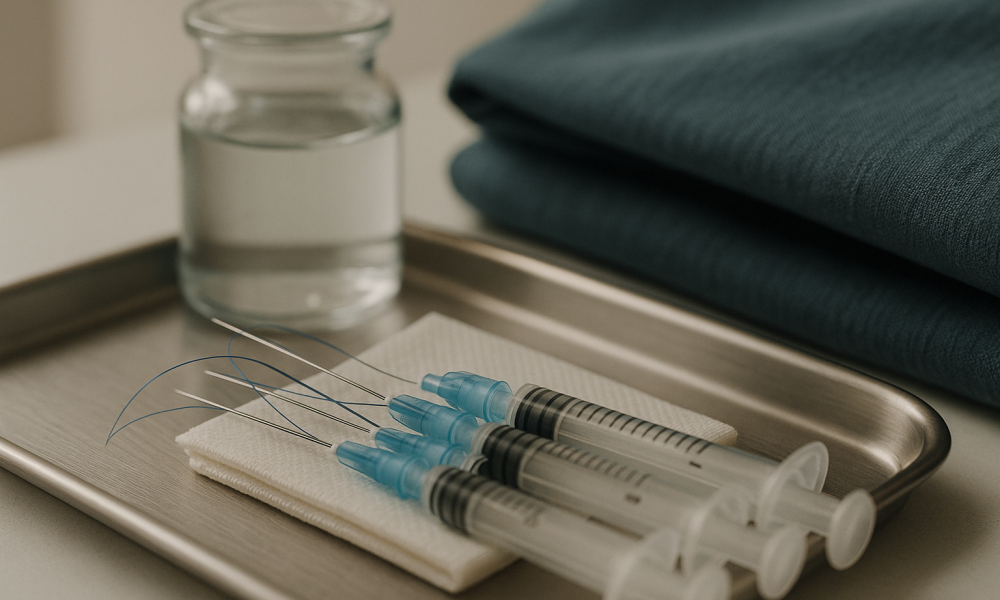
What Thread Lift is and who it is for
A Thread Lift is a minimally invasive cosmetic procedure designed to subtly lift and tighten the skin, primarily on the face and neck. It involves inserting special threads under the skin, which act as a scaffold to lift sagging skin and stimulate collagen production. This treatment is particularly appealing to those seeking a refreshed appearance without the commitment of a full surgical facelift. The threads used in this procedure are typically made of biocompatible materials, such as polydioxanone (PDO), poly-L-lactic acid (PLLA), or polycaprolactone (PCL), which dissolve naturally over time.
The procedure is often chosen by individuals in their late 30s to 50s who are experiencing mild to moderate skin laxity. It is a popular option for those who desire immediate, natural-looking results with minimal downtime. Unlike traditional facelifts, a thread lift can be performed under local anaesthesia, reducing the risks associated with general anaesthesia and making it accessible to a broader range of patients.
Thread lifts are suitable for both men and women looking to improve the appearance of sagging jowls, cheeks, brows, and neck. The results are typically visible immediately after the procedure and can last anywhere from 12 to 18 months, depending on factors such as the type of threads used, the patient’s age, and lifestyle choices. Furthermore, the procedure is often combined with other non-surgical treatments, such as dermal fillers or botulinum toxin injections, to enhance overall facial rejuvenation.
One of the key benefits of opting for a thread lift in Turkey is the cost-effectiveness of the procedure when compared to Australia. While the cost can vary depending on the clinic and the extent of treatment, patients can typically expect to pay between £800 and £1,500. This represents a significant saving compared to prices in Australia, where the same procedure might cost considerably more.
Are you a good candidate?
Determining whether you are a suitable candidate for a thread lift involves considering several factors related to your skin condition, health status, and expectations. Generally, the ideal candidate is someone who is experiencing early signs of ageing, such as minor sagging of the facial skin, but does not require the extensive lifting provided by a surgical facelift. The following checklist can help you assess your suitability:
- Age: Typically between 30 and 60 years old.
- Skin condition: Mild to moderate skin laxity, particularly around the cheeks, jawline, and neck.
- Health status: Generally healthy, with no significant medical conditions that could impair healing.
- Expectations: Realistic expectations about the results, understanding that the procedure offers subtle lifting rather than dramatic changes.
- Non-smoker: Smoking can impede healing and affect results.
- Commitment to aftercare: Willingness to follow post-procedure care instructions to optimise results.
It’s important to have a thorough consultation with a qualified practitioner who can assess your individual needs and determine whether a thread lift is the right choice for you. During this consultation, you should discuss your medical history, any medications you are taking, and your aesthetic goals. This will help ensure that the procedure is not only safe but also tailored to meet your specific expectations.
In addition to individual suitability, the overall success of a thread lift can depend on the skill of the practitioner and the quality of the clinic. Turkey is renowned for its highly trained medical professionals and state-of-the-art facilities, making it an attractive destination for those considering cosmetic procedures abroad. However, it is crucial to conduct thorough research and choose a reputable clinic to ensure the best possible outcome.
The procedure, step by step
A thread lift is a minimally invasive cosmetic procedure designed to lift and tighten sagging skin on the face and neck. Here is a detailed step-by-step overview of what typically happens during a thread lift procedure in Turkey:
- Initial Consultation: The journey begins with a comprehensive consultation with a qualified cosmetic surgeon. During this session, the surgeon assesses your skin condition, discusses your aesthetic goals, and determines your suitability for the procedure. This is the time to ask questions and clarify any concerns you may have. The surgeon will explain the types of threads that may be used, such as polydioxanone (PDO), polylactic acid (PLA), or polycaprolactone (PCL).
- Preparation: On the day of the procedure, you will be prepped in a comfortable clinical setting. The surgeon will mark the areas on your face where the threads will be inserted. A local anaesthetic will be administered to numb the treatment area, ensuring that you remain comfortable throughout the procedure.
- Thread Insertion: Using a thin needle or cannula, the surgeon inserts the threads under the skin. The threads are strategically placed to provide the desired lift and support. The number of threads used can vary, typically ranging from 4 to 20, depending on the areas being treated and the degree of lift required.
- Adjusting and Anchoring: Once the threads are in place, the surgeon gently pulls them to lift the skin and achieve the desired contour. The threads anchor into the subdermal layers, providing an immediate lifting effect. The excess threads are trimmed, and the insertion points are carefully closed, often requiring no stitches.
- Final Assessment: After the threads are secured, the surgeon evaluates the results to ensure symmetry and satisfaction with the lift. Any necessary adjustments are made at this time. The entire procedure typically takes between 30 minutes to 1 hour, depending on the complexity and the number of areas treated.
- Post-Procedure Care: The medical team provides detailed aftercare instructions, which may include advice on managing swelling and discomfort, avoiding strenuous activities, and sleeping with the head elevated. You are usually able to return home the same day.
Recovery timeline
Recovering from a thread lift is generally quicker than traditional surgical lifts, but proper care is crucial to ensure optimal results. Below is a detailed recovery timeline:
| Period | What to expect | Care notes |
|---|---|---|
| Day 1 | Immediately after the procedure, you may experience mild swelling, bruising, and discomfort in the treated areas. The lifting effect is visible but may be obscured by swelling. | Apply cold compresses to reduce swelling. Avoid touching or applying pressure to your face. Follow the surgeon’s instructions regarding medication for pain management. |
| Days 2-3 | Swelling and bruising may peak during this period. Some patients report a feeling of tightness or pulling in the treated areas. | Continue using cold compresses. Rest and avoid strenuous activities. Keep your head elevated, especially while sleeping, to minimise swelling. |
| Week 1 | Swelling and bruising begin to subside. The skin starts to adjust to the new contours created by the threads. | Avoid facial massages and sleeping on your side. If you experience any unusual symptoms, contact your healthcare provider. |
| Weeks 2-3 | Most swelling and bruising should have resolved. The lifting effect becomes more apparent as the skin settles. | You may gradually resume normal activities, but continue to protect your face from direct sun exposure. Use sunscreen diligently. |
| Month 1 | The threads stimulate collagen production, contributing to improved skin texture and firmness. The results of the thread lift are now more evident. | Maintain a healthy skincare routine and consider follow-up appointments to monitor progress. |
| Full Recovery (3-6 months) | By this time, the full effects of the thread lift are visible. The skin appears firmer and rejuvenated. | Continue to care for your skin with a consistent routine. Discuss any concerns or further treatment options with your provider. |
What it costs: Turkey vs Australia
When considering a thread lift, understanding the cost differences between Turkey and Australia can help in making an informed decision. It is important to note that the figures provided here are indicative, meant to offer a general understanding of potential expenses rather than exact costs.
In Turkey, the cost of a thread lift typically ranges from £800 to £1,500. This range is influenced by factors such as the location of the clinic, the expertise of the medical team, and the complexity of the procedure. Many clinics in Turkey offer comprehensive packages that often include not only the procedure itself but also pre-operative consultations, post-operative care, local transportation, and sometimes accommodation.
In contrast, the cost of a thread lift in Australia is generally higher, with prices ranging from £1,500 to £3,000. Australian clinics may offer similar inclusions as part of their packages, though the overall cost remains elevated due to higher operational costs, including staff wages and regulatory compliance expenses.
| Country | Indicative Price Range | Typical Package Inclusions |
|---|---|---|
| Turkey | £800 – £1,500 | Procedure, consultations, post-operative care, local transport, accommodation (in some cases) |
| Australia | £1,500 – £3,000 | Procedure, consultations, post-operative care |
While the price is a significant factor, it is crucial to consider the quality of care and the expertise of the practitioners. In Turkey, many clinics are internationally accredited and staffed by highly experienced professionals who have trained in Europe or the USA. This ensures that the lower cost does not equate to lower quality. Patients should carefully review what each package includes and verify the credentials of the providers to ensure they receive safe and effective care.
Risks and how accredited providers manage them
As with any medical procedure, a thread lift carries certain risks. Prospective patients should be aware of these risks and understand how they are managed, particularly when considering treatment abroad in Turkey.
Common risks associated with thread lifts include infection, bruising, swelling, and the possibility of asymmetry or thread migration. Although these complications are relatively rare, they can occur, and it is essential for patients to discuss these potential outcomes with their healthcare provider during the initial consultation.
Accredited providers in Turkey manage these risks through a combination of rigorous standards and practices. Firstly, clinics that are accredited by international bodies adhere to stringent hygiene and safety protocols designed to minimise the risk of infection. This includes sterilisation of equipment and thorough cleaning of the procedure rooms.
Secondly, experienced practitioners play a crucial role in risk management. Many doctors in Turkey have undergone extensive training and have years of experience in performing cosmetic procedures, including thread lifts. Their expertise helps in carefully planning and executing the procedure to minimise complications such as asymmetry or thread migration.
Pre-operative consultations are another critical component in managing risks. During these sessions, the healthcare provider will evaluate the patient’s medical history, discuss their aesthetic goals, and explain the procedure in detail. This ensures that patients have realistic expectations and are fully informed about the potential risks and outcomes.
Post-operative care is equally important in reducing risks. Accredited clinics typically offer comprehensive aftercare services, which may include follow-up appointments to monitor the healing process and provide guidance on how to care for the treated area. Patients are advised to follow their provider’s aftercare instructions closely to promote optimal healing and reduce the risk of complications.
While the idea of undergoing a cosmetic procedure abroad may seem daunting, choosing an accredited provider in Turkey can offer high-quality care with a focus on patient safety. By thoroughly researching clinics, verifying credentials, and engaging in open communication with healthcare professionals, patients can mitigate risks and achieve satisfactory results.
How to choose the right provider
Choosing the right provider for your thread lift in Turkey is crucial for achieving the best possible results and ensuring a safe experience. Here are several factors to consider:
- Accreditation: Look for clinics accredited by reputable international organisations such as the Joint Commission International (JCI) or the International Society for Aesthetic Plastic Surgery (ISAPS). Accreditation ensures that the clinic adheres to international standards of safety and quality.
- Surgeon Experience: Investigate the credentials and experience of the surgeon who will perform your procedure. Ideally, the surgeon should be a board-certified plastic surgeon with specific experience in thread lifts. Request before-and-after photos of previous patients to assess the quality of their work.
- Aftercare: A comprehensive aftercare programme is essential for a smooth recovery. Confirm that the clinic provides detailed post-operative instructions and has a dedicated team available for follow-up queries. Some clinics may offer virtual consultations post-procedure, which can be particularly useful for international patients.
- Red Flags: Be cautious of providers that offer prices significantly lower than the typical range of £1,200 to £2,500 for a thread lift. While cost is a consideration, excessively low prices may indicate compromised quality or safety. Additionally, avoid clinics that pressure you into making quick decisions or do not provide clear answers to your questions.
When researching potential providers, utilise online resources like reviews and patient testimonials. However, be discerning of overly positive or negative reviews and seek balanced opinions. Engaging with online forums or social media groups dedicated to medical tourism can also provide valuable insights from other patients who have undergone similar procedures.
Planning your trip
Planning your trip for a thread lift in Turkey involves careful consideration of timing, documentation, and post-procedure care. Here is a detailed guide to ensure a smooth experience:
- Timeline Before Travel: Begin planning at least 3 to 6 months prior to your desired procedure date. This allows ample time to research clinics, schedule consultations, and organise travel logistics. Ensure you have time for a pre-travel consultation, which can often be conducted virtually.
- Documents: Ensure your passport is valid for at least six months beyond your planned return date. Check visa requirements for Australian citizens, although many can enter Turkey for short stays without a visa. Always carry a copy of your medical records and any relevant health information that may be needed by your provider.
- Length of Stay: Plan to stay in Turkey for at least 5 to 7 days to allow for the procedure and initial recovery. This duration can vary based on individual recovery rates and the complexity of the procedure. Discuss the recommended length of stay with your provider to tailor your itinerary accordingly.
- Follow-up at Home: Arrange for follow-up care with a local healthcare provider in Australia before you travel. This ensures continuity of care and allows you to address any post-procedure concerns promptly. Many Turkish clinics offer virtual follow-up consultations, which can supplement your local care.
Consider travel insurance that covers medical procedures abroad, as this can provide additional peace of mind. Additionally, plan your travel itinerary to include some leisure time, allowing you to explore Turkey’s rich culture and heritage, provided your health allows it post-procedure.
Frequently Asked Questions
What is the typical cost of a thread lift in Turkey?
The typical cost of a thread lift in Turkey ranges from £1,200 to £2,500. This variation depends on factors such as the clinic's reputation, the surgeon's experience, and the specific type of threads used. It's important to remember that costs should be considered alongside the quality of care and safety standards. Always ensure that the quoted price includes all necessary components of the procedure, such as initial consultation, the procedure itself, and aftercare services.
Are there any risks associated with a thread lift?
Like any medical procedure, a thread lift carries some risks, though they are generally minimal. Common side effects include swelling, bruising, and slight discomfort, which usually subside within a few days. Rare complications can include infection, thread migration, or asymmetry. Choosing a reputable clinic with experienced surgeons significantly reduces these risks. Always discuss potential risks in detail with your provider before proceeding with the treatment to ensure you have a clear understanding.
How long does the recovery period last after a thread lift?
Recovery from a thread lift is typically quick, with most patients returning to their daily activities within 24 to 48 hours. However, it is advisable to avoid strenuous activities and facial massages for a couple of weeks to ensure optimal results. Any swelling or bruising usually resolves within a week. Your surgeon will provide specific aftercare instructions tailored to your procedure, which should be followed closely to facilitate a smooth recovery.
How long do the results of a thread lift last?
The results of a thread lift can last between 12 to 18 months, depending on factors such as the type of threads used and individual skin characteristics. Over time, the threads dissolve naturally, and the effects gradually diminish. To maintain results, some patients opt for repeat treatments or additional cosmetic procedures. Discuss with your surgeon about maintenance options and the best approach for achieving long-lasting results.
What qualifications should I look for in a surgeon for a thread lift?
When selecting a surgeon for a thread lift, ensure they are board-certified in plastic or cosmetic surgery, with specific training and experience in thread lifts. Membership in professional organisations such as the International Society of Aesthetic Plastic Surgery (ISAPS) can be an indicator of a surgeon's commitment to high standards. Reviewing before-and-after photos of previous patients can also help assess the surgeon's skill and the quality of their work.
Is it safe to travel alone for a thread lift in Turkey?
Travelling alone for a thread lift in Turkey is generally safe, provided you take necessary precautions. Inform your clinic and hotel about your travel plans, and ensure you have reliable transportation arranged for appointments. Consider having a local contact or a medical tourism facilitator who can assist if needed. It's also advisable to have someone who can check in on you post-procedure, even if virtually, to ensure everything is going smoothly during your recovery.
How soon can I fly back to Australia after a thread lift?
Most patients are able to fly back to Australia within 5 to 7 days after a thread lift, allowing time for initial recovery and follow-up appointments. However, your specific timeline may vary based on individual recovery rates and any additional procedures you may have undergone. Always consult with your surgeon before booking your return flight to ensure you allow adequate time for recovery and any potential complications.
What are the signs of a successful thread lift?
A successful thread lift is characterised by immediate but subtle lifting of sagging skin, with results that improve over the following weeks as collagen production is stimulated. Patients often notice a more youthful appearance with improved skin texture and firmness. Minimal swelling and bruising are expected initially, but these should resolve quickly. Regular follow-ups with your surgeon can help assess the success of the procedure and address any concerns.
How can I verify the accreditation of a Turkish clinic?
To verify the accreditation of a Turkish clinic, check for certifications from internationally recognised organisations like the Joint Commission International (JCI) or the International Society for Aesthetic Plastic Surgery (ISAPS). These certifications indicate adherence to high standards of medical care. Additionally, you can contact these organisations directly or visit their websites to confirm the clinic's status. Some clinics also display their accreditations on their websites, which can be a good starting point for verification.
What should I do if I experience complications after returning to Australia?
If you experience complications after returning to Australia, seek immediate medical attention from a local healthcare provider familiar with cosmetic procedures. It's important to inform them about the details of your thread lift, including the type of threads used and any post-operative instructions you received. Contact your Turkish provider for advice and consider scheduling a virtual follow-up consultation. Prompt action can help address issues effectively and ensure your safety and well-being.
How do I prepare for a consultation with a Turkish clinic?
To prepare for a consultation with a Turkish clinic, gather all relevant medical records, including any previous cosmetic procedures. Make a list of questions regarding the procedure, surgeon's experience, and clinic accreditation. Be ready to discuss your medical history and any medications you are taking. Virtual consultations often require a reliable internet connection and a quiet space to discuss your concerns. This preparation ensures a comprehensive and productive consultation.
What factors affect the cost of a thread lift in Turkey?
Several factors affect the cost of a thread lift in Turkey, including the clinic's location and reputation, the surgeon's expertise, the type and number of threads used, and any additional services like aftercare or accommodations. Urban centres like Istanbul may have higher costs due to increased demand. It's crucial to clarify what is included in the quoted price and whether there are any additional fees. Always prioritise quality and safety over cost alone.