
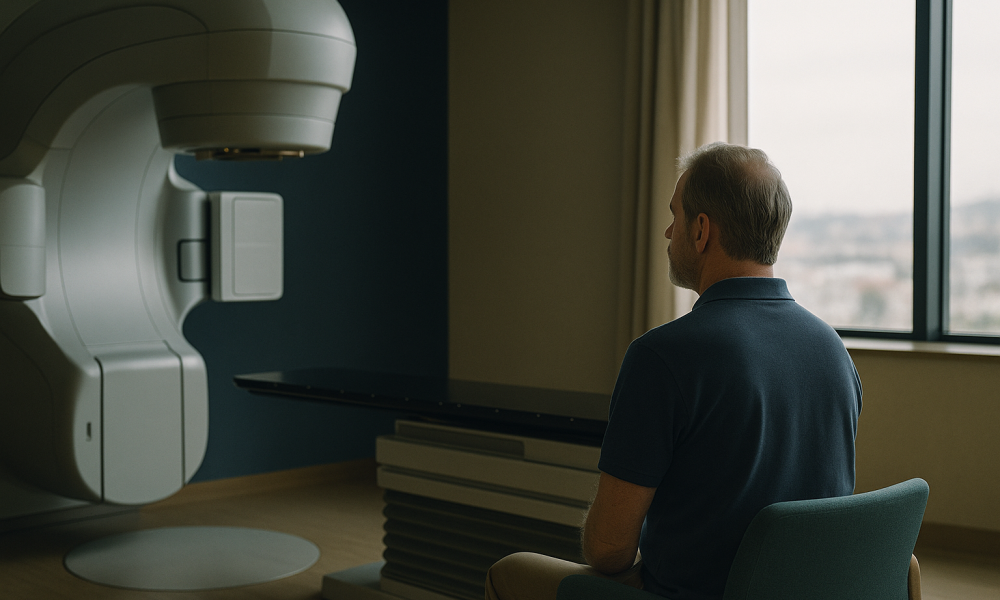
What TrueBeam Radiotherapy Abroad is and who it is for
TrueBeam Radiotherapy is an advanced form of radiation therapy designed to treat various types of cancer with precision and effectiveness. Originating from the United States, this technology is now globally recognized and available in Turkey as a viable option for international patients, including those from Canada. TrueBeam Radiotherapy employs image-guided radiotherapy (IGRT) and intensity-modulated radiotherapy (IMRT) to deliver high doses of radiation directly to cancer cells while minimizing exposure to surrounding healthy tissues. This makes it particularly suitable for treating complex and hard-to-reach tumours, such as those in the brain, spine, lungs, and prostate.
One of the significant advantages of TrueBeam technology is its speed and accuracy. A typical session lasts between 15 to 30 minutes, allowing for shorter treatment times without compromising on effectiveness. This is particularly beneficial for patients who may find it challenging to remain still for extended periods. Furthermore, the precision of TrueBeam reduces the number of sessions required compared to conventional radiotherapy methods, often leading to a more comfortable treatment experience.
Turkey has emerged as a leading destination for medical tourism, offering high-quality healthcare services at competitive prices. The country is home to numerous JCI-accredited hospitals and clinics equipped with state-of-the-art technology and staffed by highly trained oncologists and radiologists. Patients from Canada can expect to receive care that meets international standards, often at a fraction of the cost they might incur at home. The typical cost for TrueBeam Radiotherapy in Turkey ranges from £3,000 to £5,000, depending on the complexity of the case and the number of sessions required.
In summary, TrueBeam Radiotherapy in Turkey offers Canadian patients a combination of advanced technology, skilled medical professionals, and cost-effective treatment. It is particularly suitable for individuals seeking an alternative to traditional radiotherapy methods, those who require precise targeting of tumours, and patients looking for international healthcare solutions at a reasonable cost.
Are you a good candidate?
Determining whether you are a suitable candidate for TrueBeam Radiotherapy involves a comprehensive evaluation of your medical condition, overall health, and specific needs. This advanced treatment is most commonly recommended for patients with localized tumours that can benefit from high-precision targeting. Here are some factors and criteria that can help in assessing candidacy:
- Type of Cancer: TrueBeam is effective for treating a variety of cancers, including but not limited to brain, lung, prostate, and spine. It is particularly beneficial for tumours that are difficult to reach or require high precision.
- Stage of Cancer: Patients with early to intermediate-stage cancers are often ideal candidates, as the treatment can effectively target and reduce tumours before they spread.
- General Health: Candidates should be in good general health, as the procedure requires the ability to lie still during treatment sessions. Those with severe comorbid conditions may need further evaluation.
- Previous Treatments: If you have undergone previous radiation treatments, your oncologist will need to assess the cumulative dose of radiation you’ve received to determine if further radiotherapy is advisable.
- Patient Preferences: Individuals looking for shorter treatment durations and fewer sessions may find TrueBeam appealing due to its efficiency and precision.
- Consultation with Specialists: A thorough consultation with a radiologist or oncologist is necessary to discuss your medical history, treatment goals, and the potential benefits and risks of TrueBeam Radiotherapy.
Ultimately, the decision to proceed with TrueBeam Radiotherapy should be made collaboratively between you, your family, and your healthcare team. This ensures that all aspects of your health and personal preferences are considered, leading to a treatment plan that aligns with your needs and expectations.
The procedure, step by step
The TrueBeam radiotherapy procedure is a sophisticated treatment designed to target cancerous cells with precision. Understanding the process step by step can help alleviate any concerns you might have about the procedure.
- Initial Consultation: Before any treatment begins, you will have an initial consultation with a radiation oncologist. This involves discussing your medical history and conducting a thorough examination to determine the suitability of TrueBeam radiotherapy for your condition. The oncologist will also explain the potential benefits and risks involved.
- Simulation and Planning: Once you are deemed suitable for the procedure, a CT simulation is conducted. This involves lying still while a CT scan is performed to map the exact location of the tumour. The data from this scan is used to create a customised treatment plan. Advanced software helps in designing a plan that maximises radiation delivery to the tumour while sparing healthy tissues.
- Positioning and Immobilisation: During the planning stage, you will be fitted with immobilisation devices, such as masks or body moulds, to ensure you remain in the same position for each treatment session. Accurate positioning is crucial for the precision of TrueBeam therapy.
- Treatment Sessions: TrueBeam radiotherapy is typically administered over several sessions, which may occur daily over a period of several weeks. Each session lasts approximately 10 to 30 minutes. You will lie on a treatment couch, and the TrueBeam machine will rotate around you, delivering the radiation beams from multiple angles. The process is painless, and communication with the treatment team is maintained throughout.
- Monitoring and Adjustments: During each session, real-time imaging technology is used to monitor the tumour’s position. This allows for adjustments to be made instantly if there is any movement, ensuring that radiation is delivered precisely to the target area.
- Follow-up and Evaluation: After completing the scheduled sessions, follow-up appointments will be arranged to evaluate the treatment’s effectiveness. The oncologist may order additional imaging tests to assess tumour response and discuss further treatment options if necessary.
Throughout the entire process, the medical team is committed to ensuring your comfort and safety, providing support and answering any questions you may have.
Recovery timeline
The recovery timeline following TrueBeam radiotherapy can vary depending on individual health factors and the specific area being treated. Below is an indicative timeline to give you an idea of what to expect during recovery.
| Period | What to expect | Care notes |
|---|---|---|
| Day 1 | Immediately after the first session, you may feel slightly fatigued. It is normal to experience mild skin irritation or redness in the treated area. | Rest as needed and keep the treated area clean and moisturised. Use only recommended skin care products. |
| First Week | Fatigue and skin changes may become more noticeable. Some patients report mild nausea or appetite changes. | Maintain a balanced diet and stay hydrated. Follow any dietary recommendations provided by your healthcare team. |
| 2-4 Weeks | Fatigue may persist; skin may start to peel or darken. Temporary hair loss may occur if treatment was near the scalp. | Continue skin care routine and avoid sun exposure on treated areas. Inform your doctor of any persistent side effects. |
| 4-6 Weeks | Most acute side effects begin to subside. Energy levels gradually improve. Some patients notice early signs of tumour response. | Gradually resume normal activities, but listen to your body. Regular follow-up appointments are crucial during this period. |
| 6 Weeks to 3 Months | Further improvement in energy and reduction of side effects. Long-term tumour response is evaluated. | Attend all scheduled follow-ups. Discuss any ongoing symptoms with your doctor to adjust care plans as needed. |
| 3-6 Months | Full recovery is generally expected. Most side effects resolve, although some may persist depending on the treatment site. | Continue regular check-ups and imaging tests. Engage in a healthy lifestyle to support overall recovery. |
It’s important to note that individual experiences may vary, and ongoing communication with your healthcare team is key to managing your recovery effectively.
What it costs: Turkey vs Canada
When considering TrueBeam radiotherapy in Turkey, understanding the cost implications is crucial, especially in comparison to undergoing treatment in Canada. While healthcare can be more affordable in Turkey, it is important to note that prices vary based on several factors including the clinic’s location, the expertise of the medical team, and the specific requirements of the treatment plan.
Below is a table that provides a comparative overview of the indicative price ranges for TrueBeam radiotherapy in Turkey versus Canada. These figures should be regarded as typical estimates rather than fixed prices:
| Country | Indicative Price Range (GBP) | Typical Inclusions |
|---|---|---|
| Turkey | £3,500 – £6,000 |
|
| Canada | £8,000 – £15,000 |
|
As the table illustrates, the cost of TrueBeam radiotherapy in Turkey is generally lower than in Canada. This is partly due to lower operational costs and the favourable exchange rate. Moreover, many Turkish healthcare providers offer comprehensive packages that include additional services such as accommodation and airport transfers, which can be particularly beneficial for international patients.
It is essential for prospective patients to obtain detailed quotes from multiple clinics and to ensure that they understand what is included in the price. Some clinics might offer lower prices but exclude certain services that could lead to additional costs later. Transparency in pricing and understanding the full scope of what is included in the treatment package will help in making an informed decision.
Risks and how accredited providers manage them
As with any medical procedure, TrueBeam radiotherapy carries certain risks. These can include both short-term and long-term side effects, such as skin irritation, fatigue, and, in some cases, changes to nearby organs and tissues. It is crucial for patients to fully understand these risks and how they are managed by accredited healthcare providers in Turkey.
The first step in risk management is a comprehensive initial assessment. Accredited providers ensure that each patient undergoes a detailed medical examination and imaging tests to determine the precise location and size of the tumour. This allows for the creation of a highly personalised treatment plan that minimises exposure to surrounding healthy tissues.
Accredited clinics in Turkey adhere to international safety standards and protocols. They employ advanced technologies and techniques to ensure precision in treatment delivery. For instance, the use of 3D imaging and real-time tumour tracking allows for adjustments during treatment, reducing the risk of damage to healthy tissue.
Moreover, well-qualified medical teams are a hallmark of accredited centres. These teams typically consist of experienced oncologists, radiologists, and medical physicists who collaborate closely to monitor patient progress and adjust treatment plans as necessary. Continuous training and adherence to international guidelines ensure that these professionals are up-to-date with the latest advancements in radiotherapy.
Patient safety is further enhanced through rigorous quality control measures. Accredited providers conduct regular audits and maintenance of their equipment to ensure optimal performance. They also have protocols in place for managing any adverse effects that may arise, providing patients with immediate support and intervention if needed.
Communication is another key aspect of risk management. Accredited providers prioritise clear and open communication with patients, ensuring they are well-informed about the potential side effects and the steps taken to mitigate them. This includes providing detailed information on what patients can do to manage minor side effects at home and when to seek medical attention.
In summary, while there are inherent risks associated with TrueBeam radiotherapy, accredited providers in Turkey employ a comprehensive approach to risk management. This includes personalised treatment planning, adherence to international safety standards, continuous professional development, and robust communication strategies, all aimed at ensuring the highest level of patient care and safety.
How to Choose the Right Provider
When considering TrueBeam Radiotherapy in Turkey, selecting the right provider is crucial for a successful treatment experience. A key factor is accreditation. Look for clinics accredited by international bodies such as the Joint Commission International (JCI) or the International Organization for Standardization (ISO). These accreditations ensure the facility meets rigorous safety and quality standards.
Another important factor is the experience of the medical team. The expertise of the oncologists and radiologists involved can significantly influence treatment outcomes. Inquire about the number of years the team has been using TrueBeam technology and the number of procedures performed annually. A facility with a well-established team might perform several hundred treatments per year, indicating a high level of proficiency.
Aftercare services are also vital. Post-treatment care should include regular follow-ups, both in-person and remotely, to monitor the patient’s recovery and manage any side effects. Check if the provider offers a comprehensive aftercare package that includes consultations with dietitians, physiotherapists, and psychologists, which can be crucial for holistic recovery.
Be aware of red flags when choosing a provider. Avoid clinics that make unrealistic promises, such as guaranteed outcomes or exceedingly low prices without detailed cost breakdowns. Transparency about costs and treatment plans is essential. An indicative range for TrueBeam Radiotherapy in Turkey might be between £3,000 and £7,000, depending on the complexity of the treatment and the length of stay.
Finally, ensure that the clinic has a robust patient support system. This includes language services, as communication is key to understanding treatment options and making informed decisions. Many clinics in Turkey offer English-speaking staff and patient coordinators who can assist with every aspect of the treatment journey, from initial inquiries to aftercare.
Planning Your Trip
Planning a medical trip for TrueBeam Radiotherapy in Turkey involves several steps to ensure a smooth and stress-free experience. Begin by establishing a timeline. It’s advisable to start planning at least three months in advance. This allows ample time for consultations, obtaining necessary medical records, and securing travel arrangements.
Ensure you have all necessary documents. This includes your passport, medical records, treatment plans, and any correspondence with the clinic. Additionally, it’s wise to have a list of medications you are taking and any known allergies. Some clinics may require pre-treatment tests, which can often be performed in your home country.
Consider the length of stay. For TrueBeam Radiotherapy, the actual treatment might last only a few days, but you should plan for a stay of at least two weeks. This allows for initial consultations, treatment sessions, and post-treatment observation. Some patients may choose to stay longer to ensure they are stable before returning home.
Think about accommodation and transportation. Many medical facilities in Turkey offer packages that include airport transfers and hotel accommodations. These packages can range from budget-friendly to luxury options, with indicative costs between £30 and £150 per night for accommodation, depending on the level of comfort desired.
Finally, arrange for follow-up care at home. Before leaving Turkey, ensure you have a clear follow-up plan. This might include virtual consultations with your Turkish medical team and coordination with your healthcare providers in Canada. Maintaining communication with your doctors is crucial for monitoring your recovery and addressing any concerns that may arise post-treatment.
Frequently Asked Questions
What accreditations should I look for when choosing a clinic in Turkey?
Look for international accreditations such as the Joint Commission International (JCI) or the International Organization for Standardization (ISO). These certifications indicate that the clinic meets high standards for safety and quality in healthcare.
How experienced are Turkish radiotherapy teams with TrueBeam technology?
Turkish medical teams are often highly experienced, with many clinics performing several hundred TrueBeam procedures annually. It is important to inquire directly with the clinic about the specific experience levels of their oncologists and radiologists.
What is the typical cost range for TrueBeam Radiotherapy in Turkey?
The cost for TrueBeam Radiotherapy in Turkey typically ranges from £3,000 to £7,000. This depends on factors such as the complexity of the treatment and the duration of your stay. Always request a detailed cost breakdown before proceeding.
How long should I plan to stay in Turkey for my treatment?
While the treatment itself may last only a few days, it is recommended to stay in Turkey for at least two weeks. This allows time for consultations, treatment sessions, and post-treatment observation to ensure you are stable before returning home.
What documents are necessary for my medical trip to Turkey?
You will need your passport, medical records, treatment plans, and any communication with the clinic. Additionally, a list of medications and known allergies is essential for your medical team in Turkey.
What does aftercare for TrueBeam Radiotherapy involve?
Aftercare may include regular follow-ups, both in-person and remotely, to monitor recovery and manage side effects. Clinics may offer consultations with dietitians, physiotherapists, and psychologists as part of a comprehensive aftercare package.
Are there language services available at Turkish clinics?
Yes, many clinics offer language services, including English-speaking staff and patient coordinators, to assist with communication and ensure you fully understand your treatment options and plan.
What are the accommodation options during my stay in Turkey?
Accommodation options range from budget-friendly to luxury hotels, with indicative costs between £30 and £150 per night. Many clinics offer packages that include accommodation and airport transfers, making your stay more convenient.
How do I arrange follow-up care once I return to Canada?
Before leaving Turkey, ensure you have a follow-up care plan in place. This may include virtual consultations with your Turkish medical team and coordination with healthcare providers in Canada to monitor recovery.
What are the red flags to watch out for when selecting a provider?
Be cautious of clinics that make unrealistic promises, such as guaranteed outcomes or very low prices without detailed cost breakdowns. Transparency about costs and treatment plans is essential to avoid any hidden surprises.
Is TrueBeam Radiotherapy safe?
TrueBeam Radiotherapy is a highly advanced and precise technology designed to target cancer cells while minimising damage to surrounding tissue. However, like all medical treatments, it carries some risks. It is crucial to discuss these with your medical team.
How can I ensure a stress-free travel experience for treatment?
Start planning at least three months in advance, ensuring all documents are in order. Consider booking a package that includes accommodation and airport transfers. Clear communication with the clinic and a well-established follow-up plan will further ease the process.