
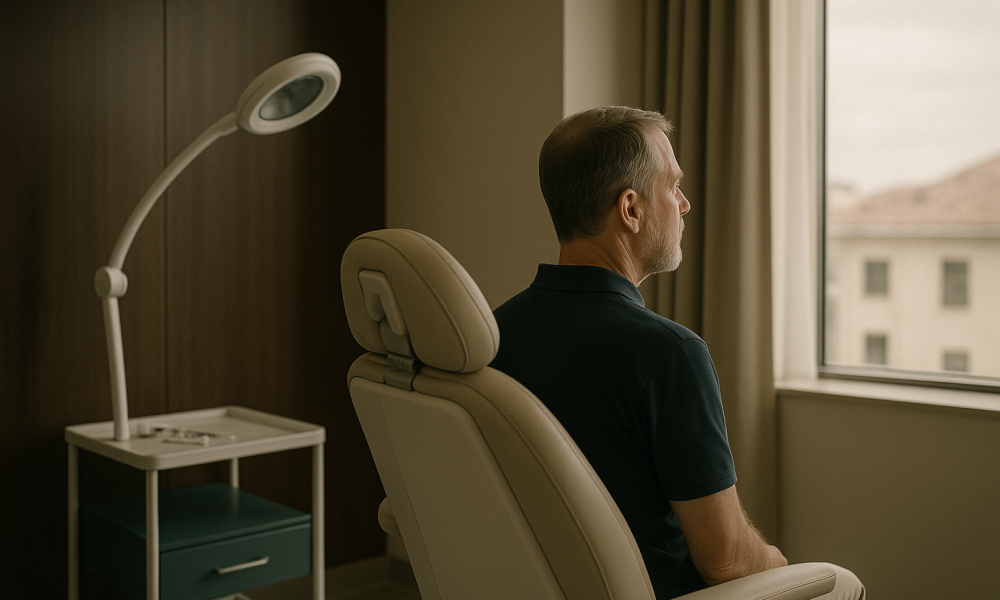
What Under-Eye Filler is and who it is for
Under-eye filler is a non-surgical aesthetic procedure designed to reduce the appearance of dark circles, hollows, and fine lines under the eyes. This treatment involves the injection of a gel-like substance, typically composed of hyaluronic acid, into the under-eye area. Hyaluronic acid is a naturally occurring substance in the body, known for its ability to retain moisture and add volume, making it a popular choice for facial rejuvenation.
The procedure is minimally invasive and aims to restore a youthful and refreshed appearance by filling in the tear troughs, the area between the lower eyelid and the upper cheek. This can result in a smoother, more even skin texture and a reduction in the tired or aged look often associated with under-eye hollows.
Patients from Australia considering under-eye filler in Turkey can benefit from the country’s advanced medical facilities and experienced practitioners. Turkey is renowned for its high-quality cosmetic procedures at competitive prices, making it an attractive destination for medical tourism. The procedure is suitable for individuals who experience volume loss in the under-eye area due to ageing, genetics, or lifestyle factors.
It’s important to note that while under-eye fillers can significantly improve the appearance of the eye area, they are not a permanent solution. The effects typically last between 9 and 12 months, after which additional treatments may be required to maintain the desired results. Patients should also be aware that outcomes can vary based on individual factors such as skin type, age, and lifestyle.
Overall, under-eye filler is an appealing option for those seeking a quick and effective way to rejuvenate the eye area without undergoing surgery. The procedure is generally well-tolerated, with most patients experiencing minimal discomfort and downtime. However, as with any cosmetic treatment, it is essential to consult with a qualified practitioner to determine the best approach for your specific needs and to ensure realistic expectations are set.
Are you a good candidate?
Determining if you are a good candidate for under-eye filler involves assessing several factors related to your health, skin condition, and aesthetic goals. While this treatment is suitable for many, it is not universally recommended for everyone. Here are some criteria to consider:
- Age and Skin Condition: Ideal candidates are typically adults over the age of 18 who have mild to moderate under-eye hollows or dark circles. The skin should not be excessively sagging or wrinkled, as fillers are more effective for volume loss rather than skin tightening.
- Overall Health: Candidates should be in good general health. Those with chronic health conditions or allergies, particularly to the filler ingredients, should discuss these with their practitioner.
- Realistic Expectations: Understanding the limitations and potential outcomes of the procedure is crucial. Fillers can enhance appearance but will not completely eliminate all signs of ageing or fatigue.
- Non-smokers: Smoking can affect healing and the longevity of the filler results. Non-smokers or those willing to refrain from smoking are preferred candidates.
- Commitment to Maintenance: Since the effects of fillers are temporary, candidates should be prepared for follow-up treatments to maintain results.
- Not Pregnant or Breastfeeding: It is generally advised to avoid cosmetic injectables during pregnancy and breastfeeding due to potential risks.
Before proceeding with treatment, a thorough consultation with a qualified cosmetic practitioner is essential. This will involve a detailed discussion of your medical history, aesthetic goals, and any concerns you may have. During the consultation, the practitioner will evaluate your under-eye area, skin type, and overall facial anatomy to tailor the treatment plan to your specific needs.
It is also advisable to ask about the practitioner’s experience with under-eye fillers, view before-and-after photos of previous patients, and discuss any potential risks or side effects. Common side effects include temporary swelling, bruising, or redness at the injection site, which usually subside within a few days. Serious complications are rare but can occur, underscoring the importance of choosing a skilled and experienced practitioner.
The procedure, step by step
Under-eye filler treatments in Turkey are performed with meticulous attention to detail, ensuring patient safety and satisfaction. The procedure generally involves the use of hyaluronic acid-based fillers, which are commonly chosen for their compatibility with the human body and their ability to provide natural-looking results.
- Consultation: The process begins with a detailed consultation with a qualified dermatologist or plastic surgeon. During this session, the doctor will assess the patient’s under-eye area, discuss aesthetic goals, and review medical history to ensure there are no contraindications. This step is crucial for tailoring the treatment to the individual needs of the patient.
- Preparation: Once both the patient and doctor agree on the treatment plan, the area around the eyes is cleansed thoroughly to prevent infection. A topical anaesthetic cream may be applied to minimise discomfort during the injection process. This numbing process typically takes about 20-30 minutes.
- Marking: The doctor will mark the injection sites carefully, focusing on areas where volume loss is most apparent. This step ensures precision in filler placement, which is critical for achieving a balanced and harmonious appearance.
- Injection: Using a fine needle or cannula, the doctor injects the filler into the pre-marked areas. The use of a cannula is often preferred as it reduces the risk of bruising and swelling. The injection process itself is usually completed within 15 to 30 minutes, depending on the extent of the treatment.
- Assessment and Adjustment: Immediately after the injections, the doctor will gently massage the area to ensure even distribution of the filler. They may ask the patient to sit up or look in the mirror to assess the initial results. If necessary, small adjustments can be made at this stage to fine-tune the outcome.
- Post-Treatment Instructions: Once the procedure is complete, the doctor will provide specific aftercare instructions. These might include applying ice packs to reduce swelling, avoiding strenuous exercise, and not wearing makeup for at least 24 hours. Patients are also advised to sleep with their head elevated for the first night to minimise swelling.
This step-by-step process is designed to ensure that patients receive a personalised and effective treatment, with the primary focus on safety and achieving natural-looking results.
Recovery timeline
Recovery from under-eye filler treatment is generally straightforward, with most patients experiencing minimal downtime. The timeline below provides a typical overview of what patients can expect during the recovery period, from the first day post-procedure to full recovery.
| Period | What to expect | Care notes |
|---|---|---|
| Day 1 | Mild swelling and bruising may be present. Some patients report slight redness or tenderness in the treated area. These symptoms are generally mild and manageable. | Apply cold compresses intermittently to reduce swelling. Avoid touching or massaging the treated area. Follow any additional specific instructions provided by your doctor. |
| Days 2-3 | Swelling should start to decrease, and bruising may begin to fade. The under-eye area may still feel slightly tender. | Continue to avoid strenuous activities and exposure to high heat environments such as saunas. Keep the head elevated when resting or sleeping. |
| Days 4-7 | The majority of swelling and bruising should resolve. The filler begins to settle, and initial results can be more accurately assessed. | Patients can resume light exercise and normal skincare routines, avoiding any harsh treatments or exfoliants near the treated area. |
| Week 2 | Any residual swelling or bruising should be minimal. The final results of the filler treatment are becoming more apparent. | Attend any follow-up appointments scheduled by your doctor to evaluate the results and discuss any concerns. |
| Full Recovery (Week 3-4) | The filler is fully settled, and the final aesthetic outcome is visible. The under-eye area should look refreshed and rejuvenated. | Maintain regular skincare and follow any long-term care advice provided by your doctor to prolong the effects of the treatment. |
This recovery timeline is a guideline and individual experiences may vary. Always follow your healthcare provider’s specific advice for the best outcomes.
What it costs: Turkey vs Australia
When considering under-eye filler treatments, cost is a significant factor for many prospective patients. In Turkey, the cost of these procedures is often a fraction of what one might expect to pay in Australia, without compromising on quality. The price difference can largely be attributed to the lower cost of living and operational expenses in Turkey, as well as the competitive nature of the Turkish medical tourism market.
Below is a table that illustrates the indicative price ranges for under-eye filler treatments in both Turkey and Australia. It’s important to note that these figures are typical ranges and can vary depending on the specifics of the treatment, the experience of the practitioner, and the reputation of the clinic.
| Location | Indicative Price Range (GBP) | Typical Package Inclusions |
|---|---|---|
| Turkey | £250 – £400 |
|
| Australia | £500 – £900 |
|
While the initial price point is a key consideration, prospective patients should also be aware of what is typically included in these packages. In Turkey, many clinics offer comprehensive packages that may include additional services such as airport transfers and accommodation assistance, making the experience not only cost-effective but also convenient.
It’s important to remember that while cost is an important factor, it should not be the sole determinant in choosing a treatment location. The expertise of the practitioner and the quality of the clinic are critical to achieving desirable outcomes.
Risks and how accredited providers manage them
Like any medical procedure, under-eye filler treatments carry certain risks. However, when performed by experienced and accredited providers, these risks are significantly minimised. The most common risks associated with under-eye fillers include bruising, swelling, and redness at the injection site. These are typically mild and resolve within a few days.
More serious complications, albeit rare, could include infection, allergic reactions, or asymmetry. In very rare instances, there could be issues with blood vessel blockage, which can lead to tissue damage. Accredited clinics in Turkey are well-equipped to handle such situations, ensuring that patient safety is always a priority.
- Pre-treatment Consultation: Reputable clinics conduct thorough pre-treatment consultations. This includes discussing the patient’s medical history, any allergies, and their expectations from the treatment. This step is crucial in identifying any potential risks and ensuring that the procedure is appropriate for the patient.
- Use of Approved Products: Accredited providers use only high-quality, approved dermal fillers. They ensure that all products are sourced from reputable manufacturers, reducing the risk of adverse reactions.
- Qualified Practitioners: Procedures are performed by qualified and experienced practitioners who are trained in the latest techniques. This expertise helps in minimising risks and achieving optimal results.
- Post-procedure Care: After the procedure, patients are given detailed aftercare instructions to follow. This includes advice on how to minimise swelling and bruising, as well as what symptoms to watch for that might indicate a complication.
- Emergency Protocols: Clinics have established protocols for managing emergencies. If a complication arises, such as an allergic reaction or unexpected swelling, the clinic is prepared to respond swiftly and effectively.
Patients can further mitigate risks by ensuring they choose a clinic that is properly accredited and has a reputation for high standards of care. Checking reviews, asking for practitioner credentials, and understanding the clinic’s safety protocols can provide additional peace of mind.
Overall, while there are inherent risks in any cosmetic procedure, choosing an accredited provider in Turkey can help ensure these risks are managed effectively, allowing patients to focus on the positive outcomes of their under-eye filler treatment.
How to choose the right provider
Choosing the right provider for under-eye filler treatment in Turkey is a critical decision that can impact both your experience and the outcome. Start by verifying the accreditation of the clinic. Reputable clinics should be accredited by international organisations such as the Joint Commission International (JCI) or have appropriate national certifications from the Turkish Ministry of Health. These accreditations indicate adherence to stringent healthcare standards.
Next, evaluate the experience and qualifications of the practitioner. Look for a surgeon with a proven track record in dermal fillers, ideally specialising in facial aesthetics. They should possess relevant credentials, such as a board certification in dermatology or cosmetic surgery, and have several years of experience. Request to see before-and-after photos of previous patients, which can provide insight into their skill level and aesthetic style.
Aftercare is another crucial factor. A comprehensive aftercare plan should include immediate post-procedure instructions, follow-up appointments, and access to medical advice should complications arise. Ensure that the clinic provides clear communication channels, allowing you to contact your surgeon or a dedicated care coordinator easily.
Be vigilant about red flags. Avoid clinics that make unrealistic promises or guarantees of results, as outcomes can vary based on individual factors. Be wary of significantly lower prices than the typical range of £200 to £400 per treatment, as this might indicate subpar materials or practices. Additionally, steer clear of providers who pressure you into making quick decisions or do not provide detailed information about the procedure and potential risks.
Finally, consider patient reviews and testimonials. While these should not be the sole basis for your decision, they can offer valuable insights into the clinic’s operations and patient satisfaction. Look for consistent patterns in reviews, both positive and negative, to guide your choice.
Planning your trip
Planning your trip for under-eye filler treatment in Turkey requires careful attention to timing, documentation, and post-procedure considerations. Begin by consulting with your chosen provider to determine the ideal timeline. It’s advisable to schedule your treatment at least a month in advance, allowing ample time for consultation, travel arrangements, and any necessary preparations.
Ensure you have all required travel documents. Australian citizens typically need a valid passport and may require a visa to enter Turkey, depending on the latest regulations. Check the current visa requirements and apply online if necessary. It’s also wise to have copies of your medical records and any relevant health information, which can assist the medical team in providing personalised care.
When planning the length of your stay, consider both the procedure and recovery time. While the under-eye filler procedure is minimally invasive and often completed within 30 minutes, it’s prudent to allow for a few days in Turkey. This time frame accommodates any immediate post-treatment effects, such as swelling or bruising, which usually subside within a week. Staying for at least three to five days post-procedure allows for a follow-up consultation to ensure everything is progressing as expected.
Regarding follow-up care at home, discuss with your provider how they will support your recovery remotely. Many clinics offer virtual consultations and aftercare support via phone or email. This service is crucial for addressing any concerns that may arise once you return to Australia. Ensure you understand the signs of potential complications, such as prolonged swelling or discomfort, and have a plan in place for seeking medical attention if needed.
Finally, consider travel logistics such as accommodation and transport. Choose a hotel or accommodation close to the clinic to reduce travel stress on the day of your procedure. Some clinics offer package deals that include transportation and accommodation, which can simplify your planning process and ensure a smoother experience.
Frequently Asked Questions
What factors influence the cost of under-eye filler in Turkey?
The cost of under-eye filler in Turkey can vary based on several factors, including the reputation and location of the clinic, the experience of the practitioner, and the type of filler used. Typical prices range from £200 to £400 per session. Additional costs may include consultation fees and aftercare services. It's important to choose a provider based on quality and experience rather than cost alone to ensure the best possible outcome.
Is under-eye filler treatment safe?
Under-eye filler treatment is generally considered safe when performed by a qualified and experienced practitioner. However, like any medical procedure, it carries some risks, such as bruising, swelling, and, in rare cases, infection or allergic reaction. To minimise risks, ensure that your provider is accredited, uses high-quality products, and follows strict hygiene protocols. Discuss any concerns with your practitioner before proceeding.
How long do the results of under-eye filler last?
The results of under-eye filler treatment typically last between 6 to 18 months, depending on the type of filler used and individual factors such as metabolism and lifestyle. Hyaluronic acid fillers, which are commonly used, tend to last around 12 months. Regular touch-ups can help maintain the desired effect over time. Discuss with your provider the best schedule for follow-up treatments based on your specific needs.
Can I fly immediately after the procedure?
It is generally recommended to wait at least 24 to 48 hours before flying after receiving under-eye filler treatment. This waiting period allows any initial swelling or bruising to subside and reduces the risk of complications during travel. Consult your provider for personalised advice, as they will consider your specific circumstances and any potential side effects you may experience.
How should I prepare for my under-eye filler treatment?
Preparation for under-eye filler treatment includes avoiding blood-thinning medications and supplements, such as aspirin and vitamin E, for at least a week prior to the procedure. Additionally, refrain from consuming alcohol 24 hours before your appointment. Arrive with a clean face, free of makeup, and discuss any allergies or medical conditions with your practitioner to ensure a safe and effective treatment.
What should I expect during recovery?
Recovery from under-eye filler treatment is usually quick, with most patients experiencing mild swelling and bruising that subsides within a few days. It's advised to avoid strenuous activities, excessive sun exposure, and alcohol consumption for at least 24 hours post-treatment. Applying ice packs and keeping your head elevated can help reduce swelling. Follow all aftercare instructions provided by your practitioner for optimal results.
Are there any non-surgical alternatives to under-eye fillers?
Yes, there are non-surgical alternatives to under-eye fillers, such as topical creams and laser treatments. These options may help improve the appearance of under-eye circles or bags but typically offer less dramatic results compared to fillers. Discuss with your practitioner the best approach for your concerns, as they can recommend the most suitable treatment based on your skin type and aesthetic goals.
How can I verify the credentials of a Turkish clinic?
To verify the credentials of a Turkish clinic, check for accreditation from international bodies like the Joint Commission International (JCI) or certifications from the Turkish Ministry of Health. Additionally, research the practitioner's qualifications, including board certifications and years of experience in cosmetic treatments. Reviews and testimonials from previous patients can also provide insight into the clinic's reputation and quality of care.
Will I need a visa to travel to Turkey for treatment?
Australian citizens may require a visa to enter Turkey for medical treatment. The visa application process is often straightforward and can be completed online. Check the latest entry requirements and apply for a visa well in advance of your travel date to ensure a smooth journey. Ensure your passport is valid for at least six months beyond your planned departure date from Turkey.
What are the potential side effects of under-eye fillers?
Potential side effects of under-eye fillers include swelling, bruising, redness, and tenderness at the injection site. These effects are typically mild and resolve within a few days. In rare cases, more serious complications such as infection or allergic reactions can occur. To minimise risks, choose an experienced practitioner and follow all pre- and post-procedure instructions. Report any unusual symptoms to your provider promptly.
Can I combine under-eye filler with other treatments?
Yes, under-eye filler treatments can often be combined with other cosmetic procedures, such as Botox or skin resurfacing, to enhance overall facial rejuvenation. However, it's important to discuss your goals with your practitioner to ensure a safe and coordinated treatment plan. They can advise you on the best sequence of procedures and any necessary recovery periods between treatments.
How soon will I see results after the procedure?
Results from under-eye filler treatment are typically visible immediately, with full effects becoming more apparent as any initial swelling subsides, usually within a few days. The final outcome can vary based on individual factors such as skin type and the specific filler used. Your practitioner will provide guidance on what to expect and how to care for your skin post-treatment to achieve the best results.