
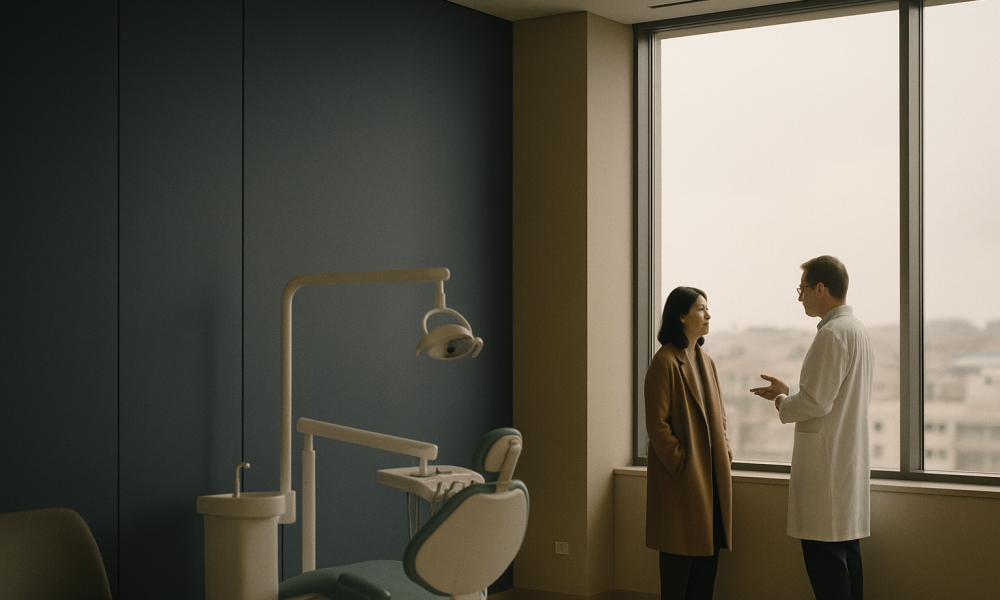
What Wisdom Teeth Removal is and who it is for
Wisdom teeth removal, or third molar extraction, is a common dental procedure designed to address issues associated with the eruption of wisdom teeth, the last set of molars. Typically appearing between the ages of 17 and 25, these teeth can cause a variety of dental problems due to insufficient space in the jaw. When wisdom teeth fail to erupt properly, they can lead to pain, infection, and even damage to neighbouring teeth.
The procedure involves the careful extraction of one or more of these molars by a qualified dental surgeon. The method of extraction depends on the tooth’s position and the complexity of the case. In straightforward cases, a simple extraction is performed where the tooth is loosened and removed. However, impacted wisdom teeth, which are trapped beneath the gum or against another tooth, may require surgical extraction. This involves incisions in the gum and sometimes the removal of bone around the tooth.
The decision to remove wisdom teeth often hinges on the presence of symptoms like pain, infection, or cysts. Even asymptomatic wisdom teeth may be removed as a preventive measure if they pose a risk of future complications. Dentists will typically use diagnostic tools such as X-rays to evaluate the positioning and health of the wisdom teeth before recommending extraction.
Wisdom teeth removal is generally performed as an outpatient procedure under local anaesthesia, although sedation or general anaesthesia may be used in more complex cases or at the patient’s request. The procedure is relatively quick, often lasting between 30 to 60 minutes, and patients can usually return home the same day. Post-operative care involves managing swelling and pain through prescribed medications and following a soft diet for a few days.
Turkey has become a popular destination for dental procedures, including wisdom teeth removal, due to the country’s high-quality medical care and competitive pricing. Patients can expect to pay between £150 and £400 per tooth, which is significantly lower than the costs typically charged in the United States. The combination of experienced dental professionals, state-of-the-art facilities, and the opportunity to enjoy Turkey’s rich cultural heritage makes it an attractive option for many seeking dental care abroad.
Are you a good candidate?
Determining whether you are a good candidate for wisdom teeth removal involves a comprehensive evaluation by a dental professional. Not everyone with wisdom teeth requires extraction, but there are several criteria that may make you a suitable candidate for the procedure. The decision is based on both current symptoms and potential future risks.
- Impacted Teeth: If your wisdom teeth are impacted, meaning they are trapped beneath the gum line or against other teeth, extraction is often recommended to prevent complications.
- Pain or Discomfort: Persistent pain or discomfort in the back of your mouth can indicate that your wisdom teeth are causing problems and may need to be removed.
- Infection or Gum Disease: Recurring infections or signs of gum disease around the wisdom teeth are strong indicators for extraction.
- Damage to Nearby Teeth: Wisdom teeth that press against other molars can cause damage, necessitating removal to preserve overall dental health.
- Cysts or Tumours: The presence of cysts or tumours around the wisdom teeth area requires immediate attention and often leads to the decision for removal.
- Limited Space: A lack of space in the jaw for additional teeth can lead to crowding, making extraction a preventive measure.
- Orthodontic Considerations: If you’re undergoing orthodontic treatment, your dentist may recommend wisdom teeth removal to prevent disruption of the alignment.
It’s important to have a detailed discussion with your dentist or oral surgeon to understand your specific situation. They will use diagnostic tools like X-rays to assess the position and condition of your wisdom teeth. The evaluation will take into account your overall dental health, the potential for future problems, and your personal preferences.
In Turkey, dental clinics provide comprehensive consultations to international patients, ensuring you receive a thorough assessment before proceeding with any treatment. The process involves not only evaluating your dental health but also discussing your medical history and any concerns you may have about the procedure. This careful approach ensures that you are well-informed and comfortable with the decision to have your wisdom teeth removed.
The procedure, step by step
Undergoing a wisdom teeth removal in Turkey involves several well-coordinated steps designed to ensure patient comfort and safety. Here is a detailed outline of the procedure:
- Initial Consultation: The journey begins with a thorough consultation with a dental surgeon. During this appointment, a comprehensive oral examination is conducted, often accompanied by panoramic X-rays or 3D scans. These images help assess the position of the wisdom teeth and their relationship with surrounding structures, such as nerves and other teeth. The dentist will discuss the findings, explain potential risks, and outline the available anaesthesia options. Patients are encouraged to ask questions to fully understand the procedure.
- Preparation: On the day of the procedure, patients are advised to wear comfortable clothing and avoid eating or drinking for six to eight hours prior, especially if general anaesthesia is planned. The dental clinic staff will review the patient’s medical history and confirm any allergies or medications being taken.
- Anaesthesia Administration: Depending on the complexity of the extraction and patient preference, local anaesthesia, sedation, or general anaesthesia is administered. Local anaesthesia involves numbing the immediate area around the teeth, while sedation or general anaesthesia ensures the patient is relaxed or asleep during the procedure.
- Incision and Extraction: Once the anaesthesia takes effect, the dentist makes a small incision in the gum tissue to expose the tooth and bone. If the tooth is impacted, it may be necessary to remove some of the bone that covers the tooth. In certain cases, the dentist may section the tooth into smaller pieces to facilitate easier removal.
- Cleaning and Stitching: After the tooth is removed, the site is cleaned to ensure no debris or fragments remain. The dentist may place stitches to aid in healing; these can be dissolvable or may require removal after a few days.
- Immediate Post-Operative Care: Patients are moved to a recovery area where they are monitored until the effects of anaesthesia begin to wear off. The dental team provides detailed post-operative care instructions, including how to manage pain and swelling, dietary recommendations, and signs of complications to watch for.
Throughout the procedure, the emphasis is on patient safety and minimising discomfort, ensuring a smooth experience from start to finish.
Recovery timeline
The recovery process following wisdom teeth removal can vary, but here is a general timeline that outlines typical expectations and care recommendations:
| Period | What to expect | Care notes |
|---|---|---|
| Day 1 | Patients may experience drowsiness and discomfort as the anaesthesia wears off. Swelling and bleeding are common. | Rest is crucial. Use gauze pads to control bleeding, and apply ice packs intermittently to reduce swelling. Stick to a soft diet and avoid hot foods or drinks. |
| Days 2-3 | Swelling typically peaks. Pain can be managed with prescribed or over-the-counter pain relief. Some bruising may appear. | Continue with ice packs and begin saltwater rinses gently to maintain oral hygiene. Avoid strenuous activities. |
| Days 4-7 | Swelling should begin to decrease, and pain levels reduce. Stitches, if non-dissolvable, may need removal. | Introduce more solid foods gradually. Maintain oral hygiene with gentle brushing, avoiding the extraction sites. |
| Week 2 | Most patients experience significant improvement. Any residual swelling and discomfort diminish. | Regular activities can typically be resumed, but caution should still be exercised with intense physical exertions. |
| Weeks 3-4 | Full recovery is generally achieved. Gum tissue continues to heal, and the jaw regains normal function. | Final follow-up with the dentist may be scheduled to ensure proper healing and address any concerns. |
Adhering to the dentist’s post-operative care instructions is critical for a smooth recovery. Patients should be vigilant for signs of complications, such as prolonged bleeding or severe pain, and seek medical advice if needed.
5. What it costs: Turkey vs the United States
When considering wisdom teeth removal, one of the key factors for patients is the cost involved. The financial aspect can significantly influence the decision-making process, especially when comparing prices between Turkey and the United States. It is crucial to note that the figures provided are indicative and can vary based on several factors, including the complexity of the procedure, the location of the clinic, and any additional services included in the treatment package.
In the United States, the cost for removing a single wisdom tooth can range from $225 to $600, depending on the complexity of the extraction. For impacted teeth, this cost can rise significantly, often reaching $750 to $1,100 per tooth. These figures typically cover the procedure itself but do not always include consultation fees, anaesthesia, or post-operative care, which can add to the overall expense.
In contrast, Turkey offers a more affordable option for wisdom teeth removal, with costs generally ranging from $100 to $250 per tooth. For impacted teeth, the cost typically ranges from $250 to $400 per tooth. These figures often include additional services such as initial consultation, X-rays, local anaesthesia, and sometimes even post-operative care, making it a more comprehensive package.
| Service | United States (USD) | Turkey (USD) |
|---|---|---|
| Simple Extraction (per tooth) | $225 – $600 | $100 – $250 |
| Impacted Extraction (per tooth) | $750 – $1,100 | $250 – $400 |
| Consultation & X-rays | Additional (varies) | Often included |
| Post-operative Care | Additional (varies) | Often included |
It is important for patients to inquire about what is included in the treatment package when receiving quotes from clinics in Turkey. The inclusion of X-rays, anaesthesia, and follow-up care can make a significant difference in the overall cost-effectiveness of the procedure. Additionally, travel and accommodation expenses should be considered, though many clinics offer assistance with travel arrangements and may provide discounted rates with partner hotels or transport services.
In summary, while the upfront costs of treatment in Turkey are generally lower than those in the United States, prospective patients should ensure they have a clear understanding of what is included in their chosen package and account for all associated travel costs to make a well-informed decision.
6. Risks and how accredited providers manage them
Undergoing wisdom teeth removal, like any surgical procedure, carries certain risks. However, understanding these risks and how accredited providers in Turkey manage them can provide reassurance to prospective patients considering treatment abroad.
The most common risks associated with wisdom teeth extraction include infection, nerve damage, dry socket, and excessive bleeding. Infection can occur if bacteria enter the extraction site, but this risk is minimised by following strict hygiene protocols and prescribing antibiotics when necessary. Nerve damage, while rare, can result in temporary or permanent numbness in the tongue, lip, or chin. Accredited providers mitigate this risk by using advanced imaging techniques to map nerve pathways before surgery.
Dry socket, a painful condition where the blood clot at the extraction site dislodges, is another potential complication. To prevent this, patients are advised to follow post-operative care instructions carefully, such as avoiding smoking and drinking through a straw. Accredited clinics provide detailed aftercare guidelines and often offer follow-up consultations to monitor healing and address any concerns promptly.
Accredited dental providers in Turkey adhere to international standards of care and often hold certifications from recognised bodies such as the Joint Commission International (JCI) or the International Organization for Standardization (ISO). These certifications ensure that the clinics maintain high levels of hygiene, patient safety, and clinical care. Providers typically employ experienced oral surgeons who are well-versed in handling complex cases, further reducing the risk of complications.
In addition to procedural safety, accredited providers prioritise patient education and informed consent. Before the procedure, patients are thoroughly briefed on potential risks, benefits, and alternative treatment options. This transparency helps patients make informed decisions about their care and fosters trust between the patient and the healthcare provider.
Another important aspect of risk management is the accessibility of emergency care. Accredited clinics in Turkey are equipped with the necessary facilities to address any immediate post-surgical complications. Many clinics also offer 24/7 contact support for patients to reach out with any concerns during their recovery period.
In conclusion, while risks are inherent in any surgical procedure, accredited dental providers in Turkey employ comprehensive strategies to minimise these risks and ensure patient safety. By choosing a reputable clinic with recognised accreditations, patients can be assured of receiving high-quality care that aligns with international standards.
How to choose the right provider
Choosing the right provider for wisdom teeth removal in Turkey is crucial to ensure a safe and successful procedure. Start by verifying the clinic’s accreditation. Clinics should be accredited by recognised bodies such as the Joint Commission International (JCI) or the International Organization for Standardization (ISO). These accreditations confirm adherence to international healthcare standards.
Next, consider the surgeon’s experience. Look for oral surgeons who specialise in wisdom teeth removal and have a track record of successful surgeries. Experienced surgeons often have advanced training and are members of professional organisations such as the Turkish Dental Association or the European Association for Cranio-Maxillo-Facial Surgery. It is beneficial to ask for the surgeon’s portfolio or patient testimonials to understand their expertise better.
Aftercare is another critical aspect. A reputable clinic will offer comprehensive aftercare services, including follow-up appointments, pain management, and emergency contact options. Ensure that the provider has a clear aftercare plan and that they communicate this effectively before your procedure.
Be vigilant about red flags. Avoid clinics that pressure you into making quick decisions or those unwilling to provide detailed information about their services and costs. Transparency is vital; a trustworthy provider will offer a clear breakdown of costs, typically ranging from £200 to £600 per tooth, depending on complexity and sedation requirements.
Additionally, investigate the clinic’s infrastructure and hygiene standards. A clean and well-equipped facility is essential for safe surgery. If possible, visit the clinic in person or request a virtual tour to assess their environment. Finally, ensure that communication is seamless. The clinic should have staff proficient in English to ensure clear understanding and comfort throughout your treatment journey.
Planning your trip
Planning your trip for wisdom teeth removal in Turkey involves several key steps to ensure a smooth experience. Start by establishing a timeline. Ideally, you should begin planning at least two to three months in advance, allowing ample time to research providers, book appointments, and arrange travel.
Documents are essential. Ensure your passport is valid for at least six months beyond your planned return date. You may also need a visa to enter Turkey, which can often be obtained online through the e-Visa system. Additionally, prepare copies of your medical records and any relevant dental X-rays to share with your provider.
The length of stay in Turkey will depend on the complexity of your procedure and your recovery needs. Typically, patients are advised to stay for at least five to seven days. This allows for pre-surgical consultations, the procedure itself, and a short recovery period before flying home. Discuss this with your provider to tailor your stay to your specific needs.
Regarding accommodation, choose a comfortable place near your clinic to minimise travel post-surgery. Many providers offer packages that include hotel stays, which can simplify logistics.
Plan for follow-up care once you return home. Before leaving Turkey, your provider should supply a detailed aftercare plan and emergency contact information. It’s wise to schedule a follow-up appointment with your local dentist or oral surgeon to ensure proper healing and to address any concerns that may arise post-travel.
Finally, consider travel insurance that covers medical procedures abroad. This can provide peace of mind, covering unforeseen complications or travel delays. With careful planning and consideration of these factors, your trip for wisdom teeth removal in Turkey can be a well-managed and positive experience.
Frequently Asked Questions
How much does wisdom teeth removal cost in Turkey?
The cost of wisdom teeth removal in Turkey can vary depending on several factors, including the complexity of the extraction and the type of anaesthesia used. On average, you can expect to pay between £200 to £600 per tooth. This range is indicative and it's important to consult with your chosen provider for a detailed quote based on your specific needs.
Is it safe to have wisdom teeth removed in Turkey?
Yes, it is generally safe to have wisdom teeth removed in Turkey, provided you choose a reputable clinic with the necessary accreditations and experienced oral surgeons. Turkey has a robust healthcare system with many clinics meeting international standards. It's crucial to verify accreditation, surgeon qualifications, and aftercare services before proceeding with treatment.
What documents do I need for treatment in Turkey?
For treatment in Turkey, you will need a valid passport with at least six months remaining before expiry. Depending on your nationality, a visa may be required, which can often be obtained online via the e-Visa system. Additionally, bring copies of your medical history and any dental X-rays to assist your provider in planning your treatment.
How long should I stay in Turkey for the procedure?
The recommended stay in Turkey for wisdom teeth removal is typically five to seven days. This duration allows for pre-procedure consultations, the surgery itself, and a short recovery period. Discuss your specific case with your provider as the length of stay may vary based on the complexity of your procedure and your recovery needs.
What kind of aftercare is provided after the surgery?
Reputable clinics in Turkey will provide comprehensive aftercare, including follow-up appointments to monitor healing, pain management strategies, and emergency contact information. Before leaving, ensure you receive a detailed aftercare plan. It's also advisable to schedule a follow-up with your local dentist once you return home to ensure continued recovery.
Do clinics in Turkey offer packages that include accommodation?
Yes, many clinics in Turkey offer packages that include accommodation, which can simplify the logistics of your trip. These packages often cover hotel stays near the clinic, transfers, and sometimes additional services such as guided tours. It's advisable to inquire with your provider about available packages when planning your treatment.
What should I look for in a Turkish dental clinic?
When selecting a dental clinic in Turkey, look for accreditations from bodies like JCI or ISO, experienced oral surgeons, and comprehensive aftercare services. Ensure the clinic maintains high hygiene standards and has modern facilities. Communication is also key; staff should be proficient in English to ensure clear understanding of your treatment plan.
How do I verify the credentials of a Turkish oral surgeon?
To verify the credentials of a Turkish oral surgeon, you can check their membership in professional organisations such as the Turkish Dental Association or the European Association for Cranio-Maxillo-Facial Surgery. Request information about their training, years of experience, and patient testimonials. Reputable clinics will willingly provide this information.
What is the typical recovery time after wisdom teeth removal?
The typical recovery time after wisdom teeth removal ranges from a few days to a week, depending on the complexity of the extraction and the individual’s healing process. Most patients experience swelling and discomfort for the first few days, which gradually subsides. Following your surgeon’s aftercare instructions can help facilitate a smoother recovery.
Can I travel immediately after wisdom teeth removal?
It is generally recommended to wait at least a few days after wisdom teeth removal before travelling, particularly by air. This allows initial swelling and discomfort to subside and reduces the risk of complications. Consult with your surgeon about the appropriate time to travel based on your specific condition and recovery progress.
What should I do if I experience complications after returning home?
If you experience complications after returning home, contact your Turkish provider immediately for guidance. They should have provided you with emergency contact details. Additionally, seek care from a local dentist or oral surgeon who can assess and manage any issues. Ensure you have access to medical records and treatment plans for reference.
Are there any red flags to watch out for when choosing a clinic?
Yes, be cautious of clinics that lack transparency regarding costs, pressure you into quick decisions, or refuse to provide detailed information about their services. Verify their accreditations and ensure the facility maintains high hygiene standards. Avoid clinics that do not offer comprehensive aftercare or have unqualified staff.