
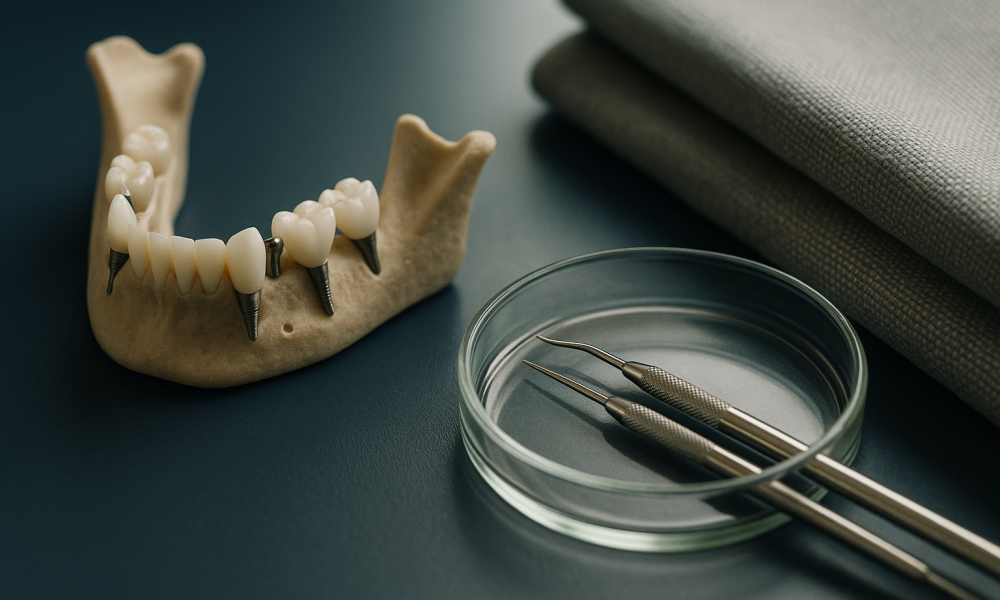
What Zygomatic Dental Implants is and who it is for
Zygomatic dental implants are a specialised type of dental implant used as an alternative to traditional implants for patients with severe bone loss in the upper jaw. Unlike conventional dental implants that require adequate bone in the jaw for anchorage, zygomatic implants are anchored in the zygomatic bone, or cheekbone, which is denser and offers a solid foundation. This makes them particularly suitable for individuals who have suffered extensive bone loss due to periodontal disease, trauma, or long-term denture use.
The procedure for placing zygomatic implants is more complex than traditional implants and typically requires a skilled oral surgeon or maxillofacial specialist. It often involves the use of advanced imaging techniques such as cone beam computed tomography (CBCT) to precisely plan the placement of the implants. The surgery is usually performed under general anaesthesia and can take between two to four hours, depending on the complexity of the case.
Patients who opt for zygomatic implants often do so because they have been told they are not candidates for standard dental implants without undergoing bone grafting, which can be an extensive and lengthy process. Zygomatic implants offer a viable alternative with quicker results, as they often do not require bone grafts, thus significantly reducing the total treatment time.
In terms of recovery, most patients can expect to return to work within one to two weeks, although the full recovery period can range from three to six months. During this time, the implants integrate with the bone, a process known as osseointegration, which is crucial for the long-term success of the implants. Immediate loading of the implants is often possible, meaning that temporary teeth can be placed on the same day or shortly after the surgery, allowing patients to leave with a functional set of teeth.
While the primary goal of zygomatic implants is to restore function, they also provide significant aesthetic benefits, improving facial structure and appearance. The cost of zygomatic implants in Turkey is typically more affordable compared to countries like Australia, with prices ranging from £4,000 to £8,000. This cost generally includes the surgery, temporary prosthetics, and follow-up visits, but patients should verify what is covered in their specific treatment plan.
Are you a good candidate?
Determining whether you are a good candidate for zygomatic dental implants involves evaluating several factors related to your oral health, medical history, and overall treatment goals. Zygomatic implants are primarily designed for individuals who have insufficient bone in the upper jaw, making them unsuitable for traditional dental implants without extensive bone grafting. Here are some key criteria to consider:
- Severe Bone Loss: If you have been diagnosed with severe bone loss in the upper jaw, zygomatic implants may be a viable solution. This is particularly true for patients who have been edentulous (without teeth) for a long period, leading to bone resorption.
- Periodontal Disease History: Individuals with a history of periodontal disease, which may have resulted in significant bone loss, could benefit from zygomatic implants.
- Previous Implant Failure: Patients who have experienced failure with traditional dental implants due to inadequate bone support may find success with zygomatic implants.
- General Health: You should be in good overall health, with no uncontrolled chronic conditions such as diabetes or heart disease, which could complicate surgery or healing.
- Non-Smoker: Smoking can impede healing and osseointegration, so non-smokers are preferred candidates.
- Commitment to Oral Hygiene: A strong commitment to maintaining oral hygiene is crucial for the success of the implants.
- Realistic Expectations: Understanding the procedure, recovery time, and potential outcomes is essential for patient satisfaction.
Before proceeding with zygomatic implants, a comprehensive evaluation by a dental specialist is necessary. This typically involves a detailed examination, imaging studies such as CBCT scans, and discussions about your dental history and future goals. The specialist will assess the condition of your remaining bone structure and determine the best course of action. It is also important to discuss any concerns or questions you might have about the procedure, recovery, and long-term care. Being well-informed and prepared plays a crucial role in achieving a successful outcome.
The procedure, step by step
Undergoing zygomatic dental implant surgery can seem daunting, but understanding the procedure step by step can help alleviate concerns. Here is a detailed overview of what you can expect during the process:
- Initial Consultation: The journey begins with a comprehensive consultation. Your dental specialist will perform a thorough examination, including 3D imaging and X-rays, to assess your bone structure and plan the implant placement. This stage is crucial for tailoring the procedure to your specific needs.
- Pre-Surgery Preparation: Once the treatment plan is confirmed, you’ll receive instructions on pre-surgery care. This may include dietary restrictions, medication guidelines, and oral hygiene practices to ensure you are optimally prepared for the surgery.
- Anaesthesia Administration: On the day of the surgery, a local or general anaesthetic will be administered. The choice depends on the complexity of the procedure and your comfort level. The anaesthetic ensures that you remain pain-free throughout the surgery.
- Incision and Implant Placement: The surgeon makes small incisions in the gum tissue to expose the underlying bone. Zygomatic implants are longer than traditional implants and are anchored in the zygomatic bone, which is denser than the maxilla, providing a stable foundation for the dental prosthesis. The implants are carefully positioned and secured.
- Abutment Attachment: Once the implants are in place, abutments are attached. These serve as connectors between the implants and the prosthetic teeth. Temporary prosthetic teeth are often placed at this stage to restore function and aesthetics immediately.
- Closure and Post-Surgery Instructions: The gum tissue is sutured around the abutments, and you will be provided with detailed post-operative care instructions. These instructions are essential for promoting healing and ensuring the success of the implants.
- Post-Surgery Check-Up: A follow-up appointment is typically scheduled within a week to monitor healing and address any immediate concerns. This visit helps ensure that the implants are integrating well with the bone.
- Final Prosthetic Placement: After a few months of healing, during which the implants integrate with the bone, permanent prosthetic teeth are custom-made and fitted. This marks the completion of the procedure, restoring full oral function and aesthetics.
Each step in the procedure is designed to ensure the best possible outcome and minimise risks. Your dental team will guide you through each stage, providing support and answering any questions you may have.
Recovery timeline
Understanding the recovery timeline for zygomatic dental implants is essential for planning and managing expectations. Here is a detailed overview of the recovery process, from the first day post-surgery to full recovery:
| Period | What to expect | Care notes |
|---|---|---|
| Day 1-3 | Expect some swelling and discomfort, which is normal after surgery. Pain should be manageable with prescribed medication. | Apply ice packs to the affected area to reduce swelling. Follow your dentist’s pain management instructions carefully. |
| Day 4-7 | Swelling should begin to subside. Bruising may appear, and you might experience some tenderness in the mouth. | Maintain a soft diet to avoid stressing the implants. Continue with oral hygiene practices using a gentle approach. |
| Week 2-4 | Most of the swelling and bruising should have diminished. You may begin to feel more comfortable eating a wider variety of foods. | Gradually reintroduce more solid foods. Attend any scheduled follow-up appointments to monitor healing progress. |
| Month 1-3 | The implants will continue to integrate with the bone. Any residual discomfort should be minimal. | Focus on maintaining excellent oral hygiene. Report any unusual symptoms to your dentist immediately. |
| Month 4-6 | Full recovery is typically achieved within this period. You should be fully adapted to the implants and prosthetics. | Continue regular dental check-ups to ensure long-term success of the implants and address any concerns. |
Recovery times can vary based on individual health and adherence to care instructions. It’s crucial to follow your dentist’s guidance throughout the recovery period to ensure a successful outcome.
What it costs: Turkey vs Australia
When considering zygomatic dental implants, cost is often a significant factor, especially for patients contemplating treatment abroad. Turkey has become a popular destination for such procedures, offering competitive prices compared to Australia. It is essential to understand that the figures provided are indicative and can vary based on several factors, including the complexity of the case, the clinic’s location, and the specific package chosen.
Below is a comparison table of the typical price ranges for zygomatic dental implants in Turkey versus Australia:
| Country | Lower Range (AUD) | Upper Range (AUD) | Typical Package Inclusions |
|---|---|---|---|
| Turkey | 12,000 | 20,000 | Consultation, surgery, anaesthesia, prosthetic teeth, accommodation, airport transfers |
| Australia | 25,000 | 40,000 | Consultation, surgery, anaesthesia, prosthetic teeth |
The cost for zygomatic implants in Turkey typically ranges from AUD 12,000 to 20,000. This often includes a comprehensive package that covers the consultation, surgery, anaesthesia, prosthetic teeth, accommodation, and airport transfers. Such packages are designed to provide convenience and peace of mind, ensuring that patients have support throughout their stay.
In contrast, the cost in Australia can range from AUD 25,000 to 40,000. Typically, this includes the consultation, surgery, anaesthesia, and prosthetic teeth, but additional expenses such as accommodation and transportation are usually not covered, adding to the overall cost for international patients.
It is important to note that while the initial cost in Turkey may seem significantly lower, potential patients should consider the total cost of travel and any follow-up care required. Despite these additional considerations, many find that the overall cost savings and the opportunity to receive high-quality care from experienced professionals in Turkey make it an attractive option.
Risks and how accredited providers manage them
Undergoing zygomatic dental implants, like any surgical procedure, involves certain risks. Prospective patients should have a clear understanding of these risks, as well as the measures that accredited providers in Turkey take to mitigate them. This knowledge can help patients make informed decisions about their treatment options.
Common risks associated with zygomatic implants include infection, nerve damage, sinus complications, and implant failure. Accredited clinics in Turkey are well-equipped to manage these risks through a combination of advanced technology, experienced practitioners, and rigorous protocols.
- Infection Control: Clinics adhere to stringent hygiene standards to prevent infections. This includes sterilisation of all surgical instruments and maintaining a sterile environment during surgery. Patients are often prescribed antibiotics as a preventive measure.
- Nerve Damage Prevention: The risk of nerve damage is minimised by using detailed imaging techniques, such as CT scans, which allow surgeons to map out the exact placement of implants. This precision reduces the likelihood of contact with nerves.
- Managing Sinus Complications: Given the proximity of the zygomatic bone to the sinus cavity, experienced surgeons perform thorough pre-operative assessments to identify any sinus-related issues. When necessary, sinus lift procedures are conducted to ensure safe implant placement.
- Preventing Implant Failure: Accredited providers use high-quality materials and implants that have a proven track record of success. Follow-up care is critical, and patients are advised on proper oral hygiene practices to support the longevity of the implants.
Accredited clinics in Turkey often hold international certifications, such as ISO or JCI accreditation, which demonstrate their commitment to maintaining high standards of care. These certifications require clinics to undergo regular audits and adhere to international best practices, ensuring patient safety and quality outcomes.
Patient education is another critical component in managing risks. Clinics provide comprehensive pre- and post-operative instructions, ensuring patients understand what to expect and how to care for their implants. This includes guidance on dietary restrictions, oral hygiene, and recognising signs of complications.
Ultimately, while risks exist, choosing an accredited provider in Turkey can significantly mitigate these risks. Patients are encouraged to ask questions and seek full transparency about the surgeon’s experience, the clinic’s accreditation, and the specific measures taken to ensure a safe and successful outcome.
How to choose the right provider
When considering zygomatic dental implants in Turkey, selecting the right provider is crucial for a successful outcome. Begin by researching clinics with international accreditation. Look for certifications from reputable organisations such as the Joint Commission International (JCI) or the International Organization for Standardization (ISO). These accreditations ensure the clinic adheres to high standards of quality and safety.
Next, evaluate the experience and expertise of the dental surgeons. A surgeon with a substantial track record in performing zygomatic implants is preferable. Look for professionals who have completed advanced training in implant dentistry and have a history of successful outcomes. It may be beneficial to ask for before-and-after photos of past patients and seek patient testimonials.
Aftercare services are another essential consideration. A reputable clinic should offer comprehensive aftercare, including regular follow-up appointments and support for any complications that may arise. Ensure that there is a clear plan for postoperative care and that the clinic provides a point of contact for any concerns you may have once you return home.
Be aware of red flags that may indicate a less reputable provider. Avoid clinics that offer prices significantly lower than the typical range of £7,000 to £12,000 for the full procedure, as this may indicate cost-cutting measures that could compromise quality. Clinics that guarantee results or resort to high-pressure sales tactics should also be approached with caution. A trustworthy provider will offer realistic expectations and be transparent about potential risks and outcomes.
Additionally, check if the clinic provides detailed information about the materials used for the implants, as high-quality, biocompatible materials are essential for the long-term success of the implants. Inquire about the availability of language support services, as clear communication is vital throughout the treatment process.
Lastly, consider the location and accessibility of the clinic. Choose a provider that is easily reachable and situated in a safe area. Being close to accommodation and transport facilities can make your stay more convenient and stress-free.
Planning your trip
Proper planning is essential for a smooth and successful trip to Turkey for zygomatic dental implants. Begin by establishing a realistic timeline before travel. It is advisable to start your research and consultations at least three to six months in advance. This allows ample time to gather information, make informed decisions, and handle any necessary arrangements.
Ensure you have all the required documents ready, including a valid Australian passport with at least six months of validity remaining. Check if a visa is required for entry into Turkey and apply well in advance if necessary. Additionally, carry all medical records relevant to your dental treatment, including any recent dental X-rays or reports.
The length of stay in Turkey will depend on the complexity of your treatment and the clinic’s protocol. Typically, patients may need to stay for about one to two weeks. This duration allows for the initial consultation, the surgical procedure, and a few days of post-operative observation. Discuss the expected timeline with your chosen clinic to ensure you have adequate time for recovery before travelling back to Australia.
Consider follow-up care at home as part of your planning. Arrange for a local dentist in Australia to manage any necessary follow-up appointments and address potential complications. It’s wise to inform your local dentist about your plans for treatment abroad so they are prepared to provide support upon your return.
When booking flights, consider opting for flexible tickets in case unexpected changes to your treatment schedule occur. Direct flights from major Australian cities like Sydney or Melbourne to Istanbul are available, typically taking around 20 to 24 hours, including layovers.
Accommodation should be booked in advance, ideally close to the clinic to minimise travel time and stress. Look for hotels or serviced apartments that offer flexibility in check-in and check-out times, and ensure they have necessary amenities for comfort during your recovery.
Finally, ensure you have adequate travel insurance that covers medical tourism. This insurance should include coverage for medical complications and any unforeseen travel changes. Confirm the specific coverage details with your provider to avoid any surprises.
Frequently Asked Questions
What is the typical cost of zygomatic dental implants in Turkey?
The cost of zygomatic dental implants in Turkey generally ranges from £7,000 to £12,000. This range can vary based on factors such as the clinic's location, the surgeon's expertise, and the specific materials used in the procedure. It's important to consider that this price typically includes the surgical procedure, initial consultations, and postoperative care. Always confirm what is included in the quoted price to avoid unexpected expenses.
How do zygomatic implants differ from regular dental implants?
Zygomatic implants are designed for patients with significant bone loss in the upper jaw. Unlike regular dental implants, which are anchored into the jawbone, zygomatic implants are longer and anchored into the zygomatic bone (cheekbone). This allows patients who are not candidates for traditional implants due to insufficient bone to still receive stable and long-lasting dental restorations. The procedure is more complex and requires a skilled surgeon with specific expertise.
What should I look for in a zygomatic implant surgeon?
When selecting a zygomatic implant surgeon, look for extensive experience and specialised training in implant dentistry. Verify their credentials and check for international accreditations of the clinic. It's beneficial to review patient testimonials and before-and-after photos to assess the surgeon's track record. A good surgeon should provide clear communication about the procedure, potential risks, and realistic outcomes. Avoid those who offer guaranteed results or use high-pressure sales tactics.
Is it safe to travel to Turkey for dental treatment?
Travelling to Turkey for dental treatment can be safe if you choose a reputable, accredited clinic and experienced surgeon. Ensure the clinic adheres to international standards of care, such as those set by JCI or ISO. It's also important to have comprehensive travel insurance that covers medical tourism. Stay informed about current travel advisories for Turkey and plan your trip accordingly to ensure a safe experience.
How long should I plan to stay in Turkey for the procedure?
For zygomatic dental implants, plan to stay in Turkey for approximately one to two weeks. This duration allows for the initial consultation, the surgical procedure, and a few days of postoperative observation. Discuss the specific timeline with your chosen clinic to ensure you have enough time for recovery before returning home. Flexibility in your travel plans is advisable in case of any unexpected changes to your treatment schedule.
What is the recovery process like after receiving zygomatic implants?
Recovery from zygomatic implants involves several stages. Initially, you may experience swelling, bruising, and discomfort, which can be managed with prescribed pain medications. Most patients can resume normal activities within a week, but full healing and osseointegration of the implants can take several months. Follow your surgeon's aftercare instructions carefully, attend all follow-up appointments, and maintain good oral hygiene to ensure a successful recovery.
What kind of aftercare is required post-surgery?
After zygomatic implant surgery, diligent aftercare is crucial. This includes taking prescribed medications, maintaining oral hygiene, and attending follow-up appointments. Avoid strenuous activities and follow dietary recommendations to aid healing. Your clinic should provide a detailed aftercare plan and a point of contact for any concerns. It's also important to arrange for follow-up care with a local dentist once you return home to monitor your progress.
Can I finance my dental treatment in Turkey?
Many clinics in Turkey offer financing options for international patients. These can include payment plans that allow you to spread the cost over several months. It's advisable to discuss financing options directly with your chosen clinic and ensure you understand the terms and conditions. Additionally, check if your Australian insurance covers any part of the treatment, although most elective procedures abroad may not be covered.
What are the risks associated with zygomatic implants?
As with any surgical procedure, there are risks associated with zygomatic implants, including infection, implant failure, sinus complications, and nerve damage. These risks can be minimised by choosing a highly experienced surgeon and following all pre- and postoperative care instructions. During your consultation, discuss potential risks and complications with your surgeon to fully understand the procedure and make an informed decision.
Will I need to return to Turkey for follow-up visits?
While most follow-up care can be managed by a local dentist in Australia, some patients may choose to return to Turkey for follow-up visits, especially if complications arise that require the original surgeon's expertise. Discuss follow-up care plans with your clinic to understand what is expected and whether remote consultations are possible. Ensure your local dentist is informed and prepared to assist with any necessary follow-up care.
What should I pack for my trip for dental treatment in Turkey?
When travelling to Turkey for dental treatment, pack comfortable clothing, personal hygiene items, and any medications you may need. Bring copies of your medical records and any necessary documents, including your passport and visa. Consider bringing a small first aid kit, a list of emergency contacts, and a travel guide. If travelling during cooler months, pack warm clothing as temperatures can vary. Ensure you have chargers for your electronic devices and consider travel insurance documentation.
How can I verify the accreditation of a dental clinic in Turkey?
To verify a clinic's accreditation, check if they are certified by reputable organisations such as the Joint Commission International (JCI) or the International Organization for Standardization (ISO). You can visit the official websites of these organisations to confirm the clinic's accreditation status. Additionally, inquire directly with the clinic for documentation and ask about their quality standards and safety protocols. A reputable clinic will be transparent about their credentials and willingly provide this information.