
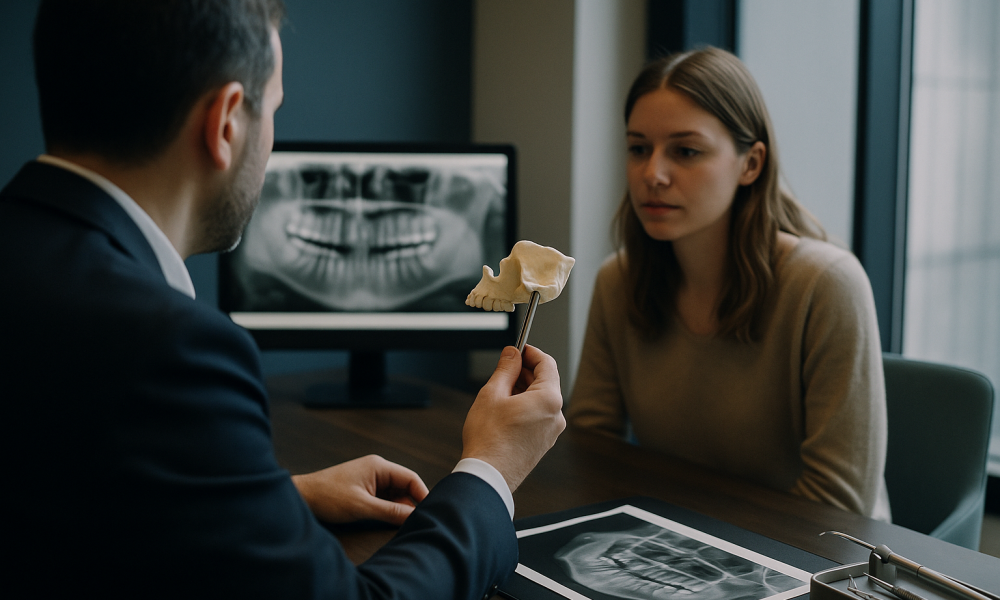
What Zygomatic Dental Implants is and who it is for
Zygomatic dental implants represent a highly specialised solution for individuals who have experienced significant bone loss in the upper jaw, often due to prolonged tooth loss or advanced periodontal disease. Unlike traditional dental implants that require sufficient bone density in the jaw, zygomatic implants utilise the zygomatic bone, or cheekbone, as an anchoring point. This approach allows for the placement of dental implants without the need for bone grafting, which is particularly beneficial for those who have been previously told they are not candidates for standard implants due to insufficient bone.
The procedure involves the placement of one or more long implants through the maxillary sinus to anchor in the dense zygomatic bone. Typically, zygomatic implants are used in conjunction with traditional implants in the anterior maxilla to provide a stable and robust support structure for a full arch of prosthetic teeth. This makes them an ideal choice for patients with severe maxillary resorption who are seeking a reliable and functional dental restoration solution.
Patients undergoing this procedure can expect the entire process to take between two to four hours under general anaesthesia. Post-operative care includes a short hospital stay, usually lasting one to two days, to ensure proper recovery and to manage any immediate complications. The immediate loading of prosthetic teeth is often possible, allowing patients to leave with a functional set of teeth, although the final prosthetic may be fitted after a few months once healing is complete.
Zygomatic implants are particularly suited for individuals who have been wearing dentures for a long time or those who have experienced significant bone atrophy due to long-term edentulism. The procedure is also recommended for patients who have undergone multiple failed bone grafts or sinus lift surgeries, as it bypasses the need for such interventions. The success rate of zygomatic implants is generally high, with studies indicating a success rate comparable to that of conventional implants, though individual outcomes can vary based on several factors including overall health and adherence to post-operative care instructions.
Are you a good candidate?
Determining if you are a suitable candidate for zygomatic dental implants involves several considerations. This advanced dental procedure is not suitable for everyone, and a thorough evaluation by a qualified dental surgeon is essential. Here are some criteria that can help identify good candidates for zygomatic implants:
- Significant Upper Jaw Bone Loss: Ideal candidates are those with severe bone loss in the upper jaw, often due to prolonged tooth loss or advanced periodontal disease.
- Previous Implant Failures: Patients who have experienced failed traditional implants due to insufficient bone density are often considered for zygomatic implants.
- Unsuitability for Bone Grafting: If you have been deemed unsuitable for bone grafting procedures in the past, zygomatic implants might be a viable alternative.
- Long-term Denture Users: Those who have been wearing dentures for many years and are looking for a more permanent solution can benefit from zygomatic implants.
- Overall Health: Candidates should be in good general health and free from conditions that could impair healing, such as uncontrolled diabetes or severe cardiovascular issues.
- Non-Smokers: Smoking can significantly affect the healing process and the success of the implants, so non-smokers or those willing to quit are preferred.
- Commitment to Oral Hygiene: A strong commitment to maintaining excellent oral hygiene and attending regular dental check-ups is crucial for long-term success.
A comprehensive dental examination, including imaging studies such as a CT scan, is typically conducted to assess the condition of the jaw and surrounding structures. This helps in planning the precise placement of the implants and ensuring the best possible outcome. It’s important to have an open discussion with your dental surgeon about your medical history, expectations, and any concerns you might have regarding the procedure. The goal is to ensure that you fully understand the potential risks and benefits, allowing you to make an informed decision about your treatment options.
The procedure, step by step
Zygomatic dental implants offer a viable alternative for patients with insufficient bone in the upper jaw. The procedure is intricate and requires a high level of expertise. Understanding each step can help patients feel more prepared and comfortable with what to expect.
- Initial Consultation and Assessment: The process begins with a thorough dental examination, which includes imaging techniques such as panoramic X-rays and 3D CT scans. These diagnostic tools help the dental surgeon assess the bone structure and plan the precise placement of the implants. During this phase, the dentist will discuss your medical history, any existing dental issues, and your expectations from the procedure.
- Treatment Planning: Detailed planning is crucial for the success of zygomatic implants. The dentist will create a customised treatment plan that maps out the exact angles and positions for the implants. This plan is tailored to each patient’s unique anatomy and dental needs.
- Sedation and Anaesthesia: On the day of the surgery, the patient will receive local anaesthesia to numb the surgical area. In many cases, conscious sedation or general anaesthesia is administered to ensure comfort and minimise anxiety. The type of sedation is chosen based on the complexity of the procedure and the patient’s preference.
- Surgical Procedure: The surgery typically lasts between 2 to 4 hours, depending on the complexity and the number of implants being placed. The dentist makes incisions in the gum tissue to expose the underlying bone. The zygomatic implants, which are longer than traditional implants, are then inserted into the zygomatic bone (cheekbone) rather than the maxillary bone. This provides a stable foundation for the prosthetic teeth.
- Temporary Prosthesis Placement: In many cases, a temporary prosthesis can be attached on the same day as the implant placement, allowing the patient to leave the clinic with functional teeth. This immediate loading technique is possible due to the stability offered by the zygomatic implants.
- Post-Operative Care: After surgery, patients are given specific instructions on how to care for their mouth during the healing process. This includes guidelines on oral hygiene, dietary restrictions, and activity limitations to ensure proper healing and integration of the implants.
- Follow-Up Appointments: Regular follow-up visits are scheduled to monitor the healing process and ensure that the implants are integrating well with the bone. These appointments are crucial for assessing the success of the procedure and making any necessary adjustments.
Recovery timeline
The recovery process following zygomatic dental implant surgery is a gradual journey, with each phase requiring specific care and attention. Understanding this timeline can help patients manage their expectations and adhere to their recovery plan effectively.
| Period | What to expect | Care notes |
|---|---|---|
| Day 1-3 | Patients may experience swelling, bruising, and some discomfort. These are normal post-operative symptoms. | Apply ice packs to reduce swelling and take prescribed pain medication as directed. Rest is essential during this period. |
| Day 4-7 | Swelling should begin to subside. Some patients may notice slight bleeding around the surgical sites. | Continue with prescribed medications and start using a gentle mouth rinse to maintain oral hygiene. Avoid strenuous activities. |
| Week 2-4 | The initial healing phase progresses, with discomfort significantly reduced. Patients can gradually return to normal activities. | Follow a soft diet and maintain good oral hygiene practices. Attend scheduled follow-up appointments for progress checks. |
| Month 2-3 | Implants continue to integrate with the bone, a process known as osseointegration. Most patients experience minimal discomfort by this stage. | Regular dental check-ups are important. Continue to adhere to oral hygiene recommendations and dietary guidelines. |
| Month 4-6 | Full recovery is typically achieved, with implants fully integrated and stable. Patients are usually ready for the final prosthesis fitting. | The final prosthesis can be placed, completing the treatment. Continue regular dental visits for maintenance and monitoring. |
Recovery times can vary based on individual health conditions and adherence to post-operative care instructions. It is essential to follow the dentist’s advice closely to ensure a successful and smooth recovery.
What it costs: Turkey vs Canada
When considering zygomatic dental implants, cost is a significant factor for many patients. In Turkey, the cost for zygomatic implants can be significantly lower than in Canada. However, it’s important to understand that these figures are indicative and can vary depending on various factors such as the complexity of the case, the specific clinic, and the expertise of the dental surgeon.
A typical package for zygomatic implants in Turkey might include the implants themselves, the surgical procedure, initial consultation, post-operative care, and sometimes accommodation and transportation. In contrast, in Canada, the costs are generally higher, and packages might not include additional services such as accommodation or transportation.
| Service | Turkey (Indicative Range) | Canada (Indicative Range) |
|---|---|---|
| Zygomatic Implants (per implant) | £1,500 – £3,000 | £3,500 – £6,000 |
| Surgical Procedure | Included in package | £2,000 – £4,000 |
| Initial Consultation | Included in package | £100 – £300 |
| Post-operative Care | Included in package | £200 – £500 |
| Accommodation | Often included or discounted | Not typically included |
| Transportation | Often included or discounted | Not typically included |
These indicative costs highlight the potential savings for patients choosing Turkey for their dental implant procedures. Patients may find that the overall cost in Turkey, even when accounting for travel and accommodation, can be significantly less than undergoing the same procedure in Canada. It is crucial, however, for patients to conduct thorough research and consult with clinics directly to obtain a clear understanding of the total costs involved.
Beyond the monetary aspect, choosing a provider with a strong reputation and accreditation is key to ensuring a successful outcome. Patients should look for clinics that offer transparent pricing and detailed breakdowns of what their packages include.
Risks and how accredited providers manage them
Undergoing zygomatic dental implants, like any surgical procedure, carries certain risks. These may include infection, nerve damage, sinus complications, or implant failure. However, accredited providers in Turkey employ rigorous protocols to manage and mitigate these risks effectively.
Firstly, infection is a common concern with any surgical procedure. Accredited clinics in Turkey utilize stringent sterilization techniques and adhere to international hygiene standards to minimize this risk. Patients are often prescribed antibiotics as a preventative measure against infection, and detailed post-operative care instructions are provided to ensure proper healing.
Nerve damage, although rare, is a potential risk associated with zygomatic implants. Experienced surgeons utilize advanced imaging technology, such as 3D CT scans, to assess the patient’s anatomy thoroughly before surgery. This pre-operative planning helps in identifying and avoiding nerve pathways, thereby reducing the risk of nerve damage.
Sinus complications can also occur, given the proximity of the zygomatic bone to the sinus cavities. Accredited providers manage this risk by conducting comprehensive pre-surgical evaluations. They may work in collaboration with ENT specialists when necessary, to ensure that the sinus cavities are not adversely affected during the procedure.
Implant failure, though infrequent, is another risk. This can arise from factors such as insufficient bone support or improper integration with the bone. To combat this, accredited clinics in Turkey employ highly skilled implantologists who are adept at assessing bone quality and ensuring optimal implant placement. They also provide follow-up care to monitor the integration process and address any issues promptly.
Accredited providers in Turkey also emphasize patient education. They ensure that patients are fully informed of the potential risks and the steps taken to mitigate them. This includes providing detailed instructions on oral hygiene practices and lifestyle modifications that can enhance the success rate of the implants.
In conclusion, while zygomatic dental implants carry inherent risks, choosing an accredited provider in Turkey can significantly mitigate these risks. These providers are committed to maintaining high standards of care and safety, offering patients peace of mind and a higher likelihood of successful outcomes.
7. How to choose the right provider
Choosing the right provider for zygomatic dental implants in Turkey involves careful evaluation of several factors to ensure safety, quality, and satisfactory outcomes. Here are key considerations:
- Accreditation: Verify that the clinic is accredited by international bodies such as the Joint Commission International (JCI) or the International Organization for Standardization (ISO). These accreditations indicate adherence to global healthcare standards.
- Surgeon Experience: Investigate the surgeon’s credentials and experience. A qualified oral surgeon should have extensive training in maxillofacial surgery and specific experience with zygomatic implants. Look for surgeons with a minimum of 5-10 years of specialised experience and a history of successful procedures.
- Aftercare: Comprehensive aftercare is crucial for recovery and long-term success. Ensure the provider offers detailed post-operative care plans, including follow-up visits and emergency contact options. Ask about the availability of remote consultations once you return to Canada.
- Red Flags: Be cautious of clinics that make unrealistic promises, such as guaranteed outcomes or extremely low prices that deviate significantly from the typical range of £5,000 to £12,000. Lack of transparency in pricing, insufficient information about the procedure, or pressure to make quick decisions are also warning signs.
Gathering information from multiple sources is advisable. Online reviews, patient testimonials, and before-and-after photos can provide insights into the experiences of previous patients. Additionally, reaching out to past patients through forums or social media can offer personal perspectives that may aid in your decision-making.
8. Planning your trip
When planning your trip to Turkey for zygomatic dental implants, careful preparation is crucial to ensure a smooth experience. Here’s a detailed guide:
- Timeline Before Travel: Begin your planning process at least 3-6 months in advance. This allows ample time for research, consultations, and securing necessary documents.
- Documents: Ensure your passport is valid for at least six months beyond your intended stay. You may also need a visa to enter Turkey, which can usually be obtained online or at the airport. Bring all medical records relevant to your dental health and any previous dental treatments.
- Length of Stay: Plan for a stay of about 7-10 days. This duration is generally sufficient to accommodate the surgical procedure, initial recovery, and at least one follow-up appointment. Discuss the exact length with your provider, as it may vary based on individual circumstances.
- Follow-up at Home: Arrange for follow-up care with a local dentist in Canada before your trip. This ensures continuity in care and allows a professional to monitor your recovery. Your Turkish provider should offer a detailed report of the procedure and any specific instructions for your Canadian dentist.
Consider travel insurance that covers medical procedures abroad, as this can provide additional peace of mind. Lastly, familiarize yourself with local customs and language basics to ease your stay in Turkey.
Frequently Asked Questions
What are zygomatic dental implants?
Zygomatic dental implants are a type of dental implant used in cases where there is insufficient bone in the upper jaw for traditional implants. They anchor into the zygomatic bone (cheekbone) rather than the maxilla, providing a stable foundation for dental prostheses.
How long does the procedure take?
The procedure for placing zygomatic dental implants typically takes 2 to 4 hours, depending on the complexity of the case and the number of implants being placed. This is usually performed under general anaesthesia or sedation for patient comfort.
What is the recovery time for zygomatic implants?
Initial recovery from zygomatic implant surgery may take about 1 to 2 weeks, during which swelling and discomfort are common. Full healing and osseointegration, where the implant fuses with the bone, can take several months, usually around 4 to 6 months.
Are zygomatic implants safe?
Zygomatic implants are generally considered safe when performed by experienced oral surgeons. As with any surgical procedure, there are risks, including infection, sinus complications, or nerve injury, but these are relatively rare with proper technique and care.
How much do zygomatic implants cost in Turkey?
The cost of zygomatic implants in Turkey typically ranges from £5,000 to £12,000. This price usually includes the procedure itself, anaesthesia, and initial aftercare, but it is important to confirm what's included in the price with your provider.
Why are zygomatic implants less expensive in Turkey?
Lower costs in Turkey are often due to lower living expenses, operational costs, and favourable currency exchange rates. Despite the lower prices, many Turkish clinics offer high-quality care with internationally accredited standards.
How do I prepare for the procedure?
Preparation involves a thorough dental examination, imaging studies like CT scans, and a detailed consultation with your surgeon. Discuss any medications you take, and follow pre-operative instructions carefully, such as fasting before surgery.
Will I experience pain after the procedure?
Some discomfort and swelling are expected after the procedure. Pain is typically managed with prescribed analgesics. Most patients find that pain diminishes significantly within a few days, though complete recovery takes longer.
What if I encounter problems after returning home?
Before your trip, arrange for follow-up care with a local dentist in Canada. Your Turkish provider should offer detailed records and instructions for your local dentist. Remote consultations with your Turkish surgeon may also be possible for additional support.
Can I travel alone for the procedure?
While it is possible to travel alone, it is advisable to have a companion. Having someone with you can provide assistance during recovery, help with communication, and offer emotional support throughout the process.
How soon can I return to work after the surgery?
Most patients can return to non-strenuous work within 1 to 2 weeks post-surgery. However, this can vary based on individual recovery and the nature of your job. Discuss your specific situation with your surgeon for tailored advice.
What are the signs of complications I should watch for?
Be alert for signs such as excessive swelling, persistent pain, bleeding, or signs of infection like fever or pus. If you experience any of these symptoms, contact your healthcare provider immediately for evaluation and management.