

The Process: Cardiac Check-Up in Turkey, step by step
- Enquiry: The journey begins with an initial enquiry, where prospective patients reach out to medical tourism facilitators or directly to hospitals in Turkey. This step involves gathering basic information about the patient’s medical history, current health status, and any specific concerns they may have regarding their cardiac health.
- Assessment: Once the enquiry is made, a preliminary assessment is conducted by healthcare professionals. This assessment may involve reviewing the patient’s medical records, previous test results, and any symptoms they are experiencing. The goal is to determine the necessity and scope of the cardiac check-up, ensuring that the patient’s needs align with the services offered.
- Travel Arrangements: After the assessment, patients proceed to plan their travel to Turkey. This includes booking flights, arranging accommodation, and ensuring that all necessary travel documents, such as visas and passports, are in order. Many medical tourism agencies offer packages that streamline this process, providing assistance with logistics and travel planning.
- Treatment Days: Upon arrival in Turkey, patients are welcomed by hospital staff or medical tourism coordinators. The cardiac check-up typically begins with a comprehensive consultation with a cardiologist, who will discuss the tests to be conducted and answer any questions. The check-up may include a variety of diagnostic procedures such as electrocardiograms (ECGs), echocardiograms, stress tests, and blood tests. These tests are conducted over a period of one to two days, depending on the complexity of the assessment required.
- Discharge: Once the cardiac check-up is completed, patients will have a final consultation with their cardiologist to review the results. The cardiologist will provide detailed feedback on the findings and, if necessary, recommend further treatment or lifestyle modifications. Patients are then discharged, typically on the same day or within 24 hours, depending on their travel schedule.
- Follow-Up: After returning home, patients are encouraged to maintain contact with their Turkish healthcare providers for follow-up consultations. This can be done via telemedicine platforms, allowing patients to discuss their progress and any additional concerns with their cardiologist. The follow-up ensures continuity of care and helps patients implement any recommended lifestyle changes or treatments.
What Cardiac Check-Up is and who it is for
A cardiac check-up is a comprehensive evaluation of the heart and its functions, designed to detect any underlying cardiovascular conditions that may not yet present symptoms. It involves a series of diagnostic tests and consultations with a cardiologist, aimed at assessing the overall health of the heart, identifying risk factors, and diagnosing potential heart diseases early. This proactive approach to cardiac health is crucial for preventing serious complications and maintaining overall well-being.
The cardiac check-up is suitable for a wide range of individuals. It is particularly beneficial for those with a family history of heart disease, individuals with lifestyle factors that increase cardiovascular risk (such as smoking, obesity, and sedentary habits), and those experiencing symptoms such as chest pain, shortness of breath, or irregular heartbeats. Additionally, it is recommended for middle-aged and older adults as part of routine health maintenance, even in the absence of symptoms.
The check-up typically includes a variety of tests, such as blood pressure measurement, cholesterol and glucose level tests, electrocardiograms (ECG), echocardiograms, and stress tests. These tests provide a comprehensive overview of heart health, helping to identify areas of concern that may require further investigation or intervention.
In Turkey, cardiac check-ups are conducted using state-of-the-art technology and are overseen by experienced cardiologists. The country’s healthcare system is renowned for its high standards and cost-effectiveness, making it an attractive destination for international patients seeking quality cardiac care. Patients benefit from personalized attention and thorough evaluations, ensuring that their health concerns are addressed with precision and care.
Ultimately, a cardiac check-up serves as a vital tool for maintaining heart health, preventing disease, and promoting a longer, healthier life. By choosing to undergo a cardiac check-up in Turkey, patients gain access to world-class medical expertise and cutting-edge diagnostic facilities, all while enjoying the country’s rich cultural heritage and hospitality.
Are you a candidate? Criteria and preparation
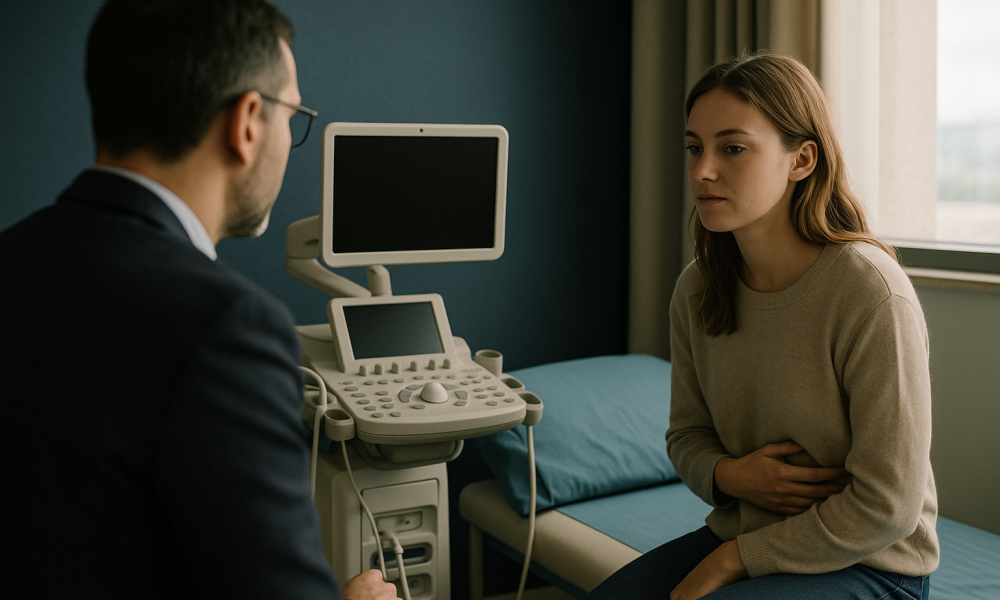
Determining whether you are a candidate for a cardiac check-up in Turkey involves several considerations. The primary aim of a cardiac check-up is to assess the overall health of your cardiovascular system, identify any potential risks, and catch early signs of heart disease. While these check-ups are useful for many, they are particularly recommended for individuals with specific risk factors and symptoms.
Firstly, if you have a family history of heart disease, you may be at an increased risk and should consider regular monitoring. Age is another significant factor; individuals over the age of 40 are generally advised to undergo cardiac evaluations more frequently. Additionally, lifestyle factors such as smoking, excessive alcohol consumption, and a sedentary lifestyle can increase your risk of developing heart disease, making regular check-ups advisable.
Those with existing conditions like hypertension, diabetes, or high cholesterol should also consider regular cardiac check-ups, as these conditions can exacerbate heart disease if left unmanaged. Symptoms such as chest pain, shortness of breath, or unexplained fatigue are also red flags that warrant a thorough cardiac evaluation.
Before undergoing a cardiac check-up in Turkey, it is essential to prepare adequately to ensure the process is smooth and effective. Here is a checklist to help guide your preparation:
- Consult with your primary healthcare provider to discuss your symptoms and risk factors.
- Gather your medical history, including any previous cardiac assessments, current medications, and known allergies.
- Ensure you have adequate travel insurance that covers medical procedures abroad.
- Research and select a reputable clinic or hospital in Turkey that specialises in cardiac care.
- Arrange for translation services if you are not fluent in Turkish.
- Plan your travel itinerary to allow for rest and recovery time after the check-up.
- Fast for at least 8-12 hours before the check-up if instructed, as some tests require fasting for accurate results.
- Wear comfortable clothing and shoes to allow for any physical assessments that may be part of the check-up.
By carefully considering whether you meet the criteria for a cardiac check-up and preparing accordingly, you can optimise the benefits of your assessment and ensure a seamless experience in Turkey.
Techniques and options available in Turkey
Turkey offers a wide range of advanced techniques and options for cardiac check-ups, making it a popular destination for international patients seeking comprehensive cardiovascular assessments. The country is home to numerous state-of-the-art medical facilities equipped with the latest technology and staffed by highly trained cardiologists and healthcare professionals.
One of the most common procedures included in a cardiac check-up is the electrocardiogram (ECG or EKG), which records the electrical activity of the heart and can help detect irregular heartbeats, structural abnormalities, and other cardiac issues. In addition to the standard ECG, some clinics in Turkey offer advanced ECG options, such as Holter monitoring, which involves wearing a portable device that records your heart’s activity over 24 to 48 hours.
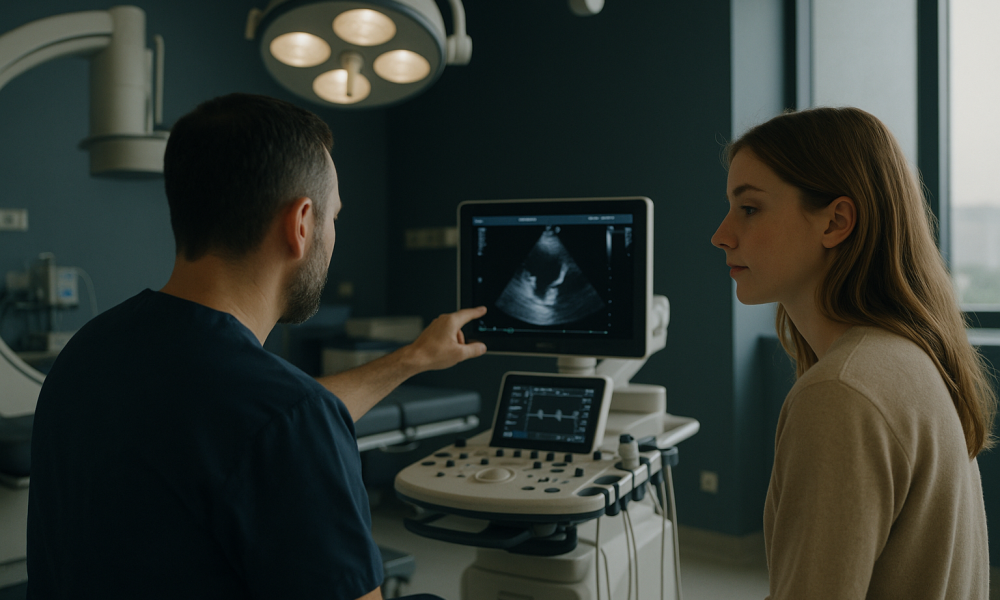
Another key component of a cardiac check-up is echocardiography, an ultrasound-based technique that provides real-time images of the heart’s structure and function. This non-invasive test is crucial for assessing heart valves, chamber sizes, and overall cardiac performance. Doppler echocardiography may also be used to evaluate blood flow through the heart and major vessels.
Stress testing is another option available in Turkey, designed to assess how your heart functions under physical exertion. This test typically involves walking on a treadmill or pedalling a stationary bike while your heart rate, blood pressure, and ECG are monitored. For those unable to exercise, pharmacological stress tests using medication to simulate the effects of exercise on the heart are also available.
Advanced imaging techniques, such as cardiac computed tomography (CT) and magnetic resonance imaging (MRI), are also offered in Turkey. These high-resolution imaging modalities provide detailed views of the heart and surrounding structures, aiding in the diagnosis of complex conditions and planning of further treatment if necessary.
Blood tests are another vital component of a cardiac check-up, providing insight into factors like cholesterol levels, blood sugar, and markers of inflammation that can indicate an increased risk of heart disease. In Turkey, comprehensive blood panels are routinely included in cardiac assessments to ensure a holistic evaluation of your cardiovascular health.
Finally, many clinics in Turkey offer personalised risk assessments that take into account your unique health profile, lifestyle, and genetic factors. This tailored approach helps in developing a customised prevention or treatment plan to address your specific cardiovascular needs.
Overall, the variety of techniques and options available for cardiac check-ups in Turkey ensures that patients receive thorough and accurate evaluations, paving the way for effective management and prevention of heart disease.
Recovery and aftercare timeline
After undergoing a cardiac check-up in Turkey, understanding the recovery and aftercare timeline is crucial for ensuring optimal health outcomes. The process is generally straightforward but involves several stages, each with its own expectations and care requirements. The timeline below provides a comprehensive overview of what patients can anticipate during their recovery period.
| Period | What to expect | Care notes |
|---|---|---|
| Immediate (0-24 hours) | Patients are typically monitored in a recovery room where vital signs are continuously observed. It is common to feel slightly drowsy due to any sedatives used during diagnostic procedures. | Ensure adequate rest and hydration. Follow any dietary restrictions advised by your healthcare provider, and avoid strenuous activities. |
| Short-term (1-7 days) | Most patients can resume normal activities within a day or two, although some may experience minor discomfort or fatigue. Follow-up consultations are often scheduled to discuss test results and any necessary lifestyle changes or treatments. | Adhere to medication schedules if prescribed. Engage in light activities and avoid heavy lifting. Maintain a balanced diet to support recovery. |
| Mid-term (2-4 weeks) | Patients should notice a return to their usual energy levels. This period is crucial for implementing lifestyle modifications recommended by healthcare professionals. | Continue with prescribed medications and attend all follow-up appointments. Start incorporating recommended exercises gradually to improve cardiovascular health. |
| Long-term (1 month and beyond) | By this stage, patients should have established a routine that includes any new lifestyle changes. Regular check-ups may be scheduled every 6-12 months to monitor heart health. | Maintain regular exercise and a heart-healthy diet. Stay in contact with your healthcare provider to address any ongoing concerns. |
It is essential to follow the aftercare instructions provided by your healthcare team to ensure a smooth recovery. Any unusual symptoms or concerns should be promptly addressed with a medical professional.
Risks, safety and how accredited Turkish providers manage them
Undergoing a cardiac check-up, like any medical procedure, involves certain risks. However, accredited Turkish healthcare providers are well-equipped to manage these risks, ensuring patient safety is a top priority. The risks associated with cardiac check-ups are generally minimal, particularly when performed in state-of-the-art facilities by qualified professionals.
Potential risks may include minor complications from diagnostic procedures such as stress tests or imaging, which can involve exposure to radiation or the use of contrast dyes. Rarely, patients may experience allergic reactions to these substances. Additionally, invasive procedures like catheterization carry a slight risk of bleeding, infection, or adverse reactions to anaesthesia.
Accredited Turkish healthcare providers employ several strategies to mitigate these risks. Facilities adhere to stringent international standards, such as those set by the Joint Commission International (JCI) and other global accrediting bodies. These standards ensure rigorous safety protocols, including regular equipment maintenance, staff training, and adherence to hygiene protocols.
Before any diagnostic procedure, patients undergo a thorough assessment to evaluate their suitability, reducing the likelihood of adverse events. This assessment includes reviewing medical history, allergies, and current medications. During procedures, healthcare professionals closely monitor patients to promptly address any arising issues.
Post-procedure, patients receive detailed aftercare instructions, including signs to watch for that may indicate complications. Accredited providers ensure that emergency care is readily available if required, offering peace of mind to international patients.
Moreover, Turkish healthcare facilities often provide multilingual support, ensuring clear communication about risks and safety measures. This transparency helps patients make informed decisions about their care. The commitment to safety is further supported by continuous staff education and training, ensuring that all team members are up-to-date with the latest advancements in cardiac care.
In conclusion, while the risks associated with cardiac check-ups exist, they are minimal and well-managed by Turkish healthcare providers. By choosing accredited facilities, international patients can rest assured that their safety and well-being are prioritized throughout the diagnostic and recovery process.
Choosing the right provider in Turkey
When considering a cardiac check-up in Turkey, selecting the right healthcare provider is paramount. Turkey boasts numerous internationally accredited hospitals, many of which are JCI (Joint Commission International) accredited. This accreditation ensures that the facility meets high international healthcare standards, which is crucial for patient safety and quality care.
Surgeon experience is another critical factor. Many Turkish cardiologists and surgeons have extensive training and experience, often with education and fellowships completed in Europe or North America. It is advisable to research the specific qualifications and experience of the medical professionals who will be conducting your check-up. Look for information on their education, years of practice, and any additional certifications they might hold.
When evaluating potential providers, be vigilant about red flags. Facilities that offer prices significantly lower than the average without transparent pricing details or those that lack clear patient testimonials should be approached with caution. Additionally, ensure that the clinic provides comprehensive pre- and post-check-up support, including follow-up consultations if needed.
Utilising online resources and patient reviews can be incredibly helpful. Many past patients share their experiences on healthcare forums and review websites, providing insights into the level of care and service provided by different institutions. Be wary of reviews that seem overly positive or negative, as these can sometimes be misleading.
Finally, communication is key. Choose a provider that offers clear and open communication channels. This includes the ability to discuss your health concerns and treatment options in a language you are comfortable with. Many Turkish clinics offer multilingual services, including English-speaking staff, which can make a significant difference in understanding your treatment plan and feeling at ease.
Cardiac Check-Up Cost in Turkey
The cost of a cardiac check-up in Turkey is generally more affordable compared to many Western countries, making it an attractive option for international patients. However, understanding the indicative price ranges and what is included in these costs is essential for making an informed decision.
| Country | Indicative Cost Range (USD) |
|---|---|
| Turkey | $500 – $1,200 |
| United Kingdom | $1,500 – $3,000 |
| United States | $2,000 – $4,500 |
| Germany | $1,800 – $3,500 |
| Australia | $2,200 – $4,000 |
| Canada | $1,600 – $3,200 |
These costs are indicative and can vary based on several factors, including the specific tests included in the check-up, the hospital or clinic’s reputation, and the experience of the medical staff. In Turkey, all-inclusive packages often cover the initial consultation, a comprehensive set of diagnostic tests (such as ECG, echocardiogram, and blood tests), and a follow-up consultation to discuss results. Some packages may also include additional services like airport transfers and accommodation, which can enhance the convenience for international patients.
Price variations can occur due to the complexity of the check-up, additional tests required based on initial findings, and the use of advanced technology. It is also important to consider the geographical location of the clinic, as facilities in major cities like Istanbul may have different pricing than those in smaller towns.
When reviewing quotes, ensure they are comprehensive and transparent. A detailed quote should outline all included services and any potential additional costs. It’s advisable to ask for clarification on any unclear items in the quote and confirm if the package is all-inclusive or if there might be extra charges.
Lastly, while cost is a significant factor, it should not be the sole determinant in your decision-making process. Quality of care, provider accreditation, and the experience of the medical team are equally important considerations to ensure a safe and successful cardiac check-up experience.
Frequently Asked Questions
What is the average cost of a cardiac check-up in Turkey?
The average cost of a cardiac check-up in Turkey ranges from $500 to $1,200. This cost is generally more affordable compared to countries like the US or UK. Prices may vary based on the specific tests included, the facility's reputation, and the experience of the medical staff. It's important to obtain a detailed quote to understand what services are covered.
Are there any hidden costs in the cardiac check-up packages?
Most reputable clinics in Turkey offer transparent pricing with no hidden costs. All-inclusive packages typically cover consultations, diagnostic tests, and follow-up appointments. However, additional costs may arise if extra tests are required based on initial findings. It's crucial to confirm with the provider what the package includes and if there are any potential additional fees.
How safe is it to have a cardiac check-up in Turkey?
Having a cardiac check-up in Turkey is generally safe, especially if you choose a JCI-accredited hospital or clinic. These facilities adhere to high international standards, ensuring quality and safety in healthcare services. It's essential to research and select a provider with experienced medical professionals and transparent patient reviews to ensure a positive and safe experience.
What does a typical cardiac check-up include?
A typical cardiac check-up usually includes an initial consultation, an electrocardiogram (ECG), an echocardiogram, blood tests, and sometimes a stress test. The specific tests may vary based on individual health needs and the clinic's offerings. Follow-up consultations to discuss results are also commonly included in the package.
Can I choose my cardiologist for the check-up?
In many clinics, you can choose your preferred cardiologist based on their qualifications and experience. It's advisable to request the profiles of available specialists so you can make an informed decision. However, availability may depend on the clinic's scheduling and the specialist's existing commitments.
Do I need to prepare anything before my cardiac check-up?
Preparation for a cardiac check-up typically involves fasting for a certain period before blood tests and wearing comfortable clothing for any physical assessments. Your chosen clinic will provide specific instructions based on the tests included in your check-up. It's important to follow these guidelines to ensure accurate results.
How long does a cardiac check-up take?
A comprehensive cardiac check-up can take anywhere from a few hours to a full day, depending on the number and type of tests included. Some tests may require waiting times for results or between procedures. Your clinic will provide a schedule detailing the expected duration of each part of the check-up.
Will language be a barrier during my check-up in Turkey?
Language is generally not a barrier, as many Turkish clinics offer services with English-speaking staff. Some facilities provide multilingual support to cater to international patients. It's recommended to confirm the availability of language services when booking your appointment to ensure clear communication.
What should I do if I need additional tests after my initial check-up?
If additional tests are recommended following your initial check-up, your healthcare provider will discuss these with you, including their purpose and any associated costs. It's important to ask questions and ensure you understand the necessity and implications of any further testing before proceeding.
Are there any risks associated with cardiac check-ups?
Cardiac check-ups are generally low-risk procedures, involving non-invasive tests like ECGs and blood tests. However, any procedure carries some risk, especially if more invasive tests are required. Your healthcare provider will inform you of any potential risks and ensure all safety protocols are followed to minimise them.
How soon can I receive my results after the check-up?
The timeframe for receiving results can vary. Some test results, like ECGs, are available immediately, while others, such as blood tests, may take a few days. Your clinic will inform you of the expected timeline for all results and arrange a follow-up consultation to discuss them once they are ready.
What happens if I need follow-up care after my check-up?
If follow-up care is necessary, your healthcare provider will guide you through the next steps, which may include additional consultations, treatments, or lifestyle recommendations. Many clinics offer continued support and communication with your home country healthcare team to ensure seamless care coordination.