
The Process: Cochlear Implant Abroad in Turkey, step by step
- Enquiry: The journey begins with an enquiry where patients express interest in receiving a cochlear implant in Turkey. During this stage, potential patients communicate with healthcare coordinators to gather initial information, discuss their needs, and understand the basic framework of the treatment. This involves providing medical history and any previous audiological assessments.
- Assessment: Once the initial enquiry has been made, a comprehensive medical assessment is scheduled. This is often conducted remotely, using telemedicine tools, where the patient’s audiological data is reviewed by Turkish specialists. The assessment may include audiograms, CT scans, and MRI results, which are crucial for determining the suitability of the implant. A personalized treatment plan is then developed.
- Travel: After assessment and treatment planning, the patient arranges travel to Turkey. This involves coordinating with the healthcare provider to schedule the procedure and book accommodation. Many clinics offer packages that include airport transfers, hotel stays, and local transportation to ensure a seamless experience.
- Treatment Days: Upon arrival, patients undergo a pre-operative consultation to finalize the surgical plan. The cochlear implantation procedure is performed under general anaesthesia and typically takes 2-4 hours. Post-surgery, patients are monitored in the hospital for 1-2 days to ensure initial recovery and address any immediate post-operative needs.
- Discharge: After sufficient recovery from the procedure, patients are discharged from the hospital. They receive detailed post-operative care instructions, including wound care, medication schedules, and follow-up appointments. Patients may choose to spend a few more days in Turkey to recover before travelling back home.
- Follow-up: Post-discharge, follow-up is crucial to the success of the cochlear implant. Patients are required to return for activation of the device, usually a few weeks after surgery. This involves fine-tuning the implant settings to achieve the best hearing outcomes. Continuous remote follow-ups are scheduled to monitor progress and make necessary adjustments.
What Cochlear Implant Abroad is and who it is for
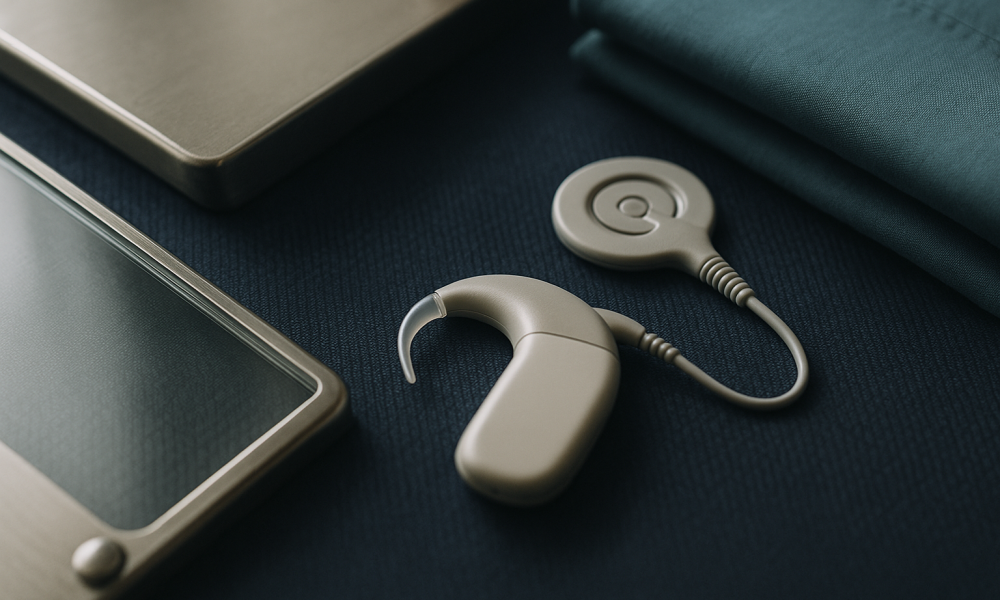
A cochlear implant is a sophisticated electronic device designed to provide a sense of sound to individuals with severe to profound hearing loss who derive little benefit from traditional hearing aids. Unlike hearing aids, which amplify sound, cochlear implants bypass damaged portions of the ear and directly stimulate the auditory nerve. This makes them an effective solution for those who have lost their hearing due to various causes, including genetic conditions, illness, or age-related deterioration.
Receiving a cochlear implant abroad, particularly in Turkey, combines world-class medical care with the opportunity for significant cost savings. Turkey has become a leading destination for medical tourism due to its advanced healthcare infrastructure, skilled medical professionals, and competitive pricing. The country offers internationally accredited facilities equipped with state-of-the-art technology, ensuring high standards of treatment.
Candidates for cochlear implants typically include adults and children who meet specific criteria. Adults who have experienced a gradual decline in hearing and have limited benefit from hearing aids are prime candidates. Children as young as 12 months old who demonstrate severe hearing loss may also be eligible, with early implantation often leading to better language development outcomes.
Before deciding on this procedure, potential candidates undergo a thorough evaluation to confirm their suitability. This includes audiological tests, imaging studies, and consultations with an otolaryngologist and audiologist. The goal is to ensure that the patient will benefit from the implant and that there are no contraindications for surgery.
Overall, cochlear implant surgery in Turkey offers patients not only the chance to regain their sense of hearing but also the opportunity to experience a culturally rich and welcoming environment. With comprehensive care from pre-operative assessment to post-operative follow-ups, patients are guided through every step of their journey, ensuring a supportive and effective treatment experience.
Are you a candidate? Criteria and preparation
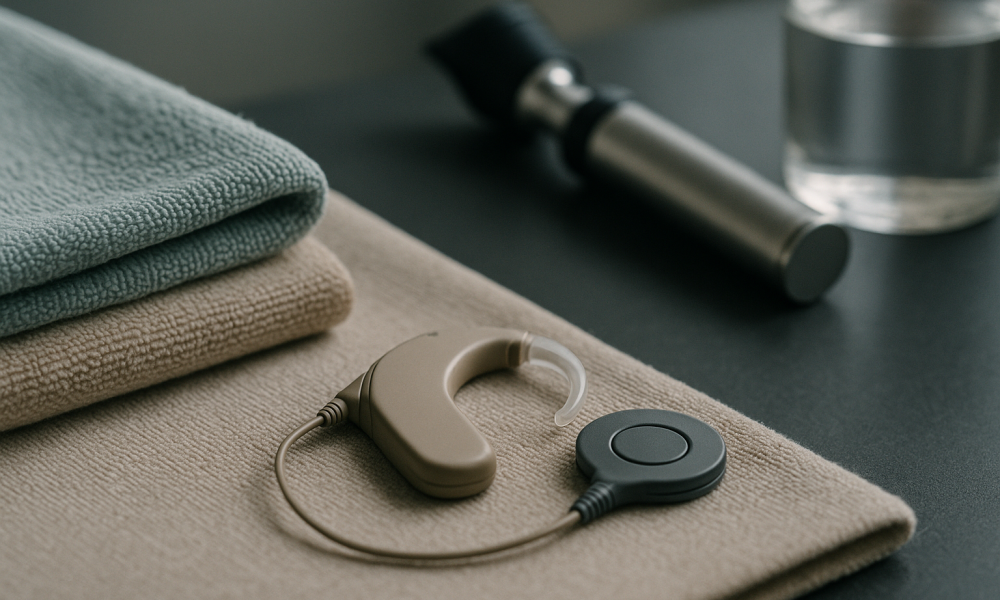
Determining candidacy for a cochlear implant involves a comprehensive evaluation by a team of specialists, typically including an audiologist, otolaryngologist, and sometimes a speech-language pathologist. The primary goal is to assess whether the potential benefits of the implant outweigh any risks or limitations. Generally, candidates are those with severe to profound sensorineural hearing loss in both ears who do not sufficiently benefit from conventional hearing aids. However, there are specific criteria and preparatory steps that need to be considered.
First, the degree of hearing loss is crucial. Candidates should have limited benefit from hearing aids, which is often quantified by speech recognition scores. Adults typically need to have a score of 50% or less on sentence recognition tests in the ear to be implanted. For children, the criteria might differ slightly, focusing on their ability to develop speech and language skills.
Age is another factor, although cochlear implants can be performed on patients of almost any age. In children, early implantation is often preferred, ideally before the age of 2, to maximize the development of auditory skills. Adults of any age can be candidates, provided they are in good health to undergo surgery.
Medical evaluations are essential to ensure there are no contraindications to surgery. This includes a thorough examination of the inner ear’s anatomy through imaging tests such as an MRI or CT scan. These tests help determine if the cochlea is suitable for implant placement and identify any anatomical anomalies that might complicate the procedure.
Psychosocial factors also play a role. Candidates should have realistic expectations and a willingness to participate in post-operative rehabilitation, which is crucial for the success of the implant. Support from family or caregivers is often necessary, especially for children, to reinforce learning and adaptation to the new auditory sensations.
Here is a checklist to determine candidacy:
- Severe to profound sensorineural hearing loss in both ears
- Limited benefit from hearing aids as evidenced by poor speech recognition scores
- Age considerations: younger children benefit from early implantation
- Good general health with no medical contraindications
- Suitable cochlear anatomy as determined by imaging tests
- Commitment to post-operative rehabilitation and realistic expectations
- Strong family or caregiver support, especially for pediatric candidates
Preparation for the procedure involves several steps. Once candidacy is established, patients undergo a series of pre-operative assessments, including audiological tests, medical evaluations, and consultations with the surgical team. These assessments are crucial for tailoring the implant choice to the patient’s specific needs and ensuring optimal outcomes. Psychological and social readiness are also assessed, as these factors significantly impact the success of the cochlear implant.
Techniques and options available in Turkey
Turkey has emerged as a popular destination for cochlear implant procedures, offering advanced techniques and a variety of options for international patients. The country is known for its state-of-the-art healthcare facilities and highly skilled medical professionals who are experienced in performing complex ear surgeries. Patients considering cochlear implants in Turkey have access to a range of techniques and technologies designed to suit individual needs and preferences.
One of the key techniques available in Turkey is the minimally invasive surgical approach, which reduces recovery time and postoperative discomfort. This technique involves smaller incisions and advanced imaging technologies to ensure precise placement of the implant. Surgeons in Turkey are well-versed in both traditional and minimally invasive methods, allowing them to tailor the procedure to each patient’s anatomical and health requirements.
In terms of implant options, Turkey offers a variety of cochlear implant systems from leading manufacturers. These systems are equipped with the latest technology to enhance auditory perception and facilitate post-operative rehabilitation. Patients can choose from different types of electrode arrays, such as straight or perimodiolar arrays, depending on their specific cochlear anatomy and hearing needs. Each type of array has distinct advantages, and the choice is made after thorough evaluation by the surgical team.
Advanced speech processing strategies are another highlight of the cochlear implant options in Turkey. These strategies are designed to improve sound clarity and speech understanding in various listening environments. Patients can benefit from features such as noise reduction, directional microphones, and wireless connectivity, which enhance the overall hearing experience.
Furthermore, Turkey’s healthcare facilities are equipped with comprehensive post-operative rehabilitation programs. These programs are crucial for the success of the cochlear implant, as they help patients adapt to the new auditory sensations and improve their communication skills. Rehabilitation services include auditory training, speech therapy, and regular follow-up appointments to monitor progress and make necessary adjustments to the implant settings.
Cost is an important consideration for many international patients, and Turkey offers competitive pricing for cochlear implant procedures. While prices vary depending on the specific hospital and surgeon, as well as the chosen implant system, patients can expect to pay between £15,000 and £25,000, including pre-operative evaluations, surgery, and initial rehabilitation.
Overall, patients opting for cochlear implants in Turkey can expect high-quality care, advanced surgical techniques, and a range of implant options to suit their individual needs. The combination of skilled professionals, modern facilities, and comprehensive rehabilitation services makes Turkey an attractive choice for those seeking to improve their hearing through cochlear implantation.
Recovery and aftercare timeline
Recovery following a cochlear implant surgery is a structured process that involves several stages, each with its own expectations and care requirements. The timeline varies slightly depending on the individual’s health status and specific circumstances of the surgery. Below is a detailed breakdown of the recovery and aftercare timeline:
| Period | What to expect | Care notes |
|---|---|---|
| First 24-48 hours | Patients might experience mild discomfort, dizziness, or a sense of pressure around the implanted ear. Some may notice a small amount of blood or fluid drainage from the incision site. | Rest is crucial during this period. Patients should avoid any strenuous activities and keep the head elevated while resting. It’s important to follow the prescribed pain management plan and contact the healthcare provider if excessive bleeding or severe pain occurs. |
| First week | Swelling and bruising around the ear and incision site are common. The head bandage applied after surgery is usually removed within the first few days. | Keep the incision site clean and dry. Avoid getting the area wet and follow any specific instructions given by the healthcare provider regarding wound care. Patients should refrain from heavy lifting and bending over. |
| 2-4 weeks | Initial healing occurs, and patients may begin to feel more comfortable. The implant is typically activated 2-4 weeks post-surgery, during which the external processor is fitted and programmed. | Attending all follow-up appointments is essential to ensure the proper setting of the device. Patients should continue to protect the ear from water and refrain from high-impact activities. |
| 1-3 months | Patients start adjusting to the new sounds through the cochlear implant. The brain begins to interpret the signals, but this adaptation process can vary widely among individuals. | Regular visits to the audiologist are necessary for adjustments to the device settings. Engaging in auditory rehabilitation exercises as recommended can enhance the adaptation process. |
| 3-6 months | Most patients experience significant improvement in hearing abilities and become more accustomed to the implant. Continued adaptation and learning to interpret new sounds occur. | Ongoing auditory therapy may be required. Patients should report any concerns or unusual symptoms to their healthcare provider promptly. |
Overall, the recovery process is gradual, and patience is key. It’s vital to adhere to the aftercare instructions provided by the healthcare professionals to achieve the best possible outcome.

Risks, safety and how accredited Turkish providers manage them
Cochlear implant surgery, like any surgical procedure, carries certain risks and potential complications. However, accredited Turkish healthcare providers are well-equipped to mitigate these risks through comprehensive pre-operative assessments, advanced surgical techniques, and stringent post-operative care protocols. Below is an overview of the potential risks associated with cochlear implants and how Turkish providers manage them:
- Infection: As with any surgery, there is a risk of infection at the incision site. Turkish clinics implement rigorous sterilization procedures and post-operative care instructions to minimize this risk. Patients are usually prescribed antibiotics to prevent infections.
- Device malfunction: Although rare, there is a possibility that the cochlear implant may not function as intended. Turkish providers ensure that all devices used are FDA or CE approved and undergo thorough testing before implantation. In case of malfunction, providers have protocols in place for device inspection and replacement if necessary.
- Facial nerve damage: The proximity of the facial nerve to the cochlear implant site poses a risk during surgery. Experienced surgeons in Turkey utilize advanced imaging and navigation systems to precisely map out the surgical area, significantly reducing the risk of nerve damage.
- Dizziness or balance issues: Some patients may experience dizziness or balance problems post-surgery. Accredited Turkish hospitals offer vestibular rehabilitation to help patients recover their balance and coordination.
- Hearing loss: While the goal of a cochlear implant is to improve hearing, there is a slight risk of residual hearing loss in the implanted ear. Turkish specialists conduct detailed audiological assessments pre- and post-surgery to monitor hearing levels and adjust the implant settings accordingly.
Accredited Turkish healthcare providers are committed to maintaining high standards of patient safety and quality care. They follow international guidelines and best practices to ensure optimal outcomes for their patients. Regular audits and accreditations by international bodies such as the Joint Commission International (JCI) further ensure that these providers adhere to the highest standards of clinical governance and hygiene.
For international patients considering cochlear implant surgery in Turkey, it is advisable to choose a provider with a proven track record and relevant accreditations. This not only ensures that the patient receives high-quality care but also provides peace of mind knowing that potential risks are professionally managed.
Choosing the right provider in Turkey (accreditation, surgeon experience, red flags)
When considering a cochlear implant procedure in Turkey, selecting the right healthcare provider is essential to ensure optimal outcomes and a positive experience. Accreditation is a crucial factor. Look for clinics and hospitals accredited by internationally recognized organizations such as the Joint Commission International (JCI) or the International Organization for Standardization (ISO). These accreditations indicate that the facility adheres to high standards of quality and patient safety.
Surgeon experience is another critical consideration. Research the qualifications and experience of the surgeons available. Ideally, you should choose a surgeon who specializes in otolaryngology with extensive experience in cochlear implant procedures. This can often be verified through the clinic’s website or by requesting the surgeon’s credentials and past patient reviews. Experience in performing a high volume of these procedures often correlates with better patient outcomes.
Be vigilant about potential red flags. Clinics that offer unusually low prices without clear justification should be approached with caution. Ensure that the provider is transparent about all costs involved and is willing to discuss the procedure in detail. Additionally, facilities that do not provide post-operative care plans or have poor communication should be avoided. A reputable provider will offer comprehensive pre- and post-operative care as part of their package.
Furthermore, patient testimonials and reviews can provide insight into the quality of care and patient satisfaction. Look for consistent positive feedback regarding the surgical outcomes, the professionalism of the staff, and the overall experience. It is also beneficial to contact the clinic directly to gauge their responsiveness and willingness to answer questions thoroughly. A good provider will prioritize patient education and engagement throughout the process.
In summary, choosing the right provider involves careful consideration of accreditation, surgeon experience, pricing transparency, and patient feedback. By prioritizing these factors, you can ensure a safer and more effective cochlear implant experience in Turkey.
Cochlear Implant Abroad Cost in Turkey
The cost of cochlear implant procedures in Turkey is significantly lower compared to many Western countries, making it an attractive option for international patients. Below is a table comparing the indicative costs of cochlear implants in Turkey with those in the UK, US, Germany, Australia, and Canada.
| Country | Indicative Cost (USD) |
|---|---|
| Turkey | $15,000 – $25,000 |
| UK | $35,000 – $50,000 |
| US | $40,000 – $60,000 |
| Germany | $30,000 – $45,000 |
| Australia | $35,000 – $55,000 |
| Canada | $35,000 – $55,000 |
Many clinics in Turkey offer all-inclusive packages that cover various aspects of the treatment journey. These packages typically include pre-operative assessments, the surgical procedure itself, hospital stay, post-operative care, and sometimes even accommodation and transportation. It is important to clarify what is included in these packages to avoid unexpected costs.
Several factors can influence the final price of a cochlear implant procedure. These include the specific technology used, the complexity of the surgery, the experience of the surgeon, and the level of aftercare provided. Customization of the implant to suit the patient’s specific needs may also alter the cost.
When reviewing quotes from clinics, it’s essential to read them carefully. Ensure that the quote is itemized and includes all potential costs, such as anesthesia, follow-up visits, and any necessary medications. Some quotes might appear lower initially but can increase significantly due to hidden charges. Always ask for a detailed breakdown to understand the full financial commitment.
In conclusion, while the cost of cochlear implants in Turkey is generally lower than in many other countries, it is crucial to understand what the price includes and be aware of factors that could influence the overall cost. By thoroughly evaluating quotes and package details, patients can make informed decisions that align with their financial and medical needs.
Frequently Asked Questions
What factors should I consider when choosing a clinic for my cochlear implant in Turkey?
When selecting a clinic, consider accreditation, the surgeon's experience, patient reviews, and transparency in pricing. Ensure the clinic is accredited by recognized organizations like JCI or ISO, and the surgeon has extensive experience in cochlear implants. Look for positive patient testimonials and check that the clinic offers clear, itemized pricing with no hidden costs.
How much does a cochlear implant cost in Turkey compared to the UK?
In Turkey, the cost of a cochlear implant typically ranges from $15,000 to $25,000, whereas in the UK, it can range from $35,000 to $50,000. These costs are indicative and can vary based on the clinic, technology used, and specific patient needs. Patients should ensure they understand what the package includes and any additional costs.
Are cochlear implants in Turkey safe?
Yes, cochlear implants in Turkey are generally safe, especially when performed at accredited clinics by experienced surgeons. It is crucial to verify the clinic's accreditation, the surgeon's qualifications, and past patient outcomes. Accredited facilities adhere to international standards, ensuring the safety and quality of care.
Do all-inclusive packages for cochlear implants in Turkey cover everything?
All-inclusive packages often cover pre-operative assessments, the surgical procedure, hospital stay, and post-operative care. However, it's essential to confirm the specifics with the clinic, as some packages might also include accommodation and transportation, while others may not. Always ask for a detailed breakdown of what is included to avoid unexpected costs.
What should I ask about a surgeon's experience with cochlear implants?
Inquire about the surgeon's qualifications, the number of cochlear implant procedures they have performed, and their success rates. It's also helpful to ask for patient testimonials or case studies. An experienced surgeon should be open about their experience and willing to discuss their approach to the procedure.
Can I expect additional costs beyond the quoted price for a cochlear implant in Turkey?
Yes, there may be additional costs not included in the initial quote, such as medications, follow-up visits, or unexpected complications. Ensure the quote is itemized and ask the clinic to clarify any potential additional costs beforehand to avoid surprises.
How do I know if a clinic in Turkey is reputable?
Check for international accreditations, such as JCI or ISO, and research patient reviews online. A reputable clinic will have transparent pricing, experienced surgeons, and a comprehensive pre- and post-operative care plan. Direct communication with the clinic can also provide insights into their professionalism and responsiveness.
What is the recovery process like for cochlear implant surgery in Turkey?
Recovery typically involves a short hospital stay, followed by several weeks of healing and adjustment to the implant. Patients may need follow-up visits for device tuning and rehabilitation sessions. Clinics should provide a clear recovery plan and support to help patients through this process.
How long will I need to stay in Turkey for the cochlear implant procedure?
The duration of your stay will depend on the specific clinic's protocol, but generally, patients should plan for at least a one to two-week stay. This allows time for pre-operative assessments, the surgery, initial recovery, and any necessary follow-up visits before returning home.
What if I experience complications after returning home from Turkey?
Most clinics provide a post-operative care plan and remote support for international patients. Before the procedure, discuss with the clinic what follow-up care is available and how they handle complications. It's essential to have a local healthcare provider at home who can assist if needed.
How can I verify a surgeon's credentials for cochlear implants in Turkey?
You can verify a surgeon's credentials by requesting their professional qualifications, certifications, and asking about their experience with cochlear implants. Reputable clinics often share this information on their websites or upon request. Additionally, patient reviews and testimonials can offer insights into the surgeon's expertise.
What payment options are available for cochlear implant procedures in Turkey?
Most clinics in Turkey accept various payment methods, including major credit cards, bank transfers, and sometimes financing options. It's advisable to confirm the available payment methods with the clinic beforehand and ensure that you understand the terms and any associated fees.