

The Process: Thyroid Surgery Abroad in Turkey, step by step
- Enquiry: The journey begins with an initial enquiry, where patients contact a medical tourism facilitator in Turkey. During this stage, potential patients provide basic medical information and state their needs and expectations. The facilitator provides general information about thyroid surgery options and indicative costs.
- Assessment: Following the enquiry, a detailed assessment is conducted. Patients are asked to submit medical records, including any imaging or tests related to their thyroid condition. These records are reviewed by Turkish specialists to determine the suitability for surgery. A preliminary treatment plan is developed, and a virtual consultation may be arranged to discuss the plan with the patient.
- Travel Arrangements: Once the treatment plan is agreed upon, patients are assisted with travel arrangements. This includes guidance on booking flights, obtaining visas if necessary, and organizing accommodation near the hospital. Patients are advised to arrive in Turkey at least a couple of days before the scheduled procedure to acclimate and have final pre-operative consultations.
- Treatment Days: Upon arrival, patients meet their surgical team for final evaluations and discussions. Pre-operative tests are conducted to ensure readiness for surgery. The thyroid surgery is performed under general anaesthesia, typically lasting 2-3 hours. Post-surgery, patients are monitored in the hospital for 1-2 days to ensure stable recovery.
- Discharge: After being discharged, patients receive detailed post-operative care instructions. They are advised on medication, wound care, and dietary considerations. Follow-up appointments are scheduled, and patients are encouraged to remain in Turkey for a few days post-discharge for initial recovery support.
- Follow-up: Continuous follow-up is arranged through virtual consultations once the patient returns home. These sessions help monitor recovery progress and address any concerns. Patients are also advised to have regular check-ups with their local healthcare providers to ensure long-term health and stability.
What Thyroid Surgery Abroad is and who it is for
Thyroid surgery abroad, particularly in Turkey, involves the surgical removal of all or part of the thyroid gland. This procedure is often recommended for individuals with thyroid conditions such as nodules, cancer, hyperthyroidism, or goitre. Turkey has become a sought-after destination for this surgery due to its advanced medical facilities, skilled surgeons, and cost-effective treatment packages.
Thyroid surgery is suitable for patients who have been diagnosed with thyroid disorders that require surgical intervention. It is particularly beneficial for those who may not have access to timely or affordable surgery in their home countries. Patients must be in good general health to undergo the procedure and should have a clear understanding of the surgical risks and benefits.
Turkey’s healthcare system offers a comprehensive approach to thyroid surgery, integrating state-of-the-art technology with personalized patient care. Surgeons in Turkey are often internationally trained and experienced in handling complex thyroid cases. The country’s medical tourism infrastructure supports international patients with language assistance, cultural sensitivity, and logistical support, ensuring a seamless treatment experience.
Moreover, the cost of thyroid surgery in Turkey is significantly lower than in many Western countries, without compromising on quality. This affordability, combined with high standards of care, makes Turkey an attractive option for patients seeking thyroid surgery abroad. However, patients are advised to conduct thorough research and choose accredited hospitals and certified surgeons to ensure optimal outcomes.
Are you a candidate? Criteria and preparation
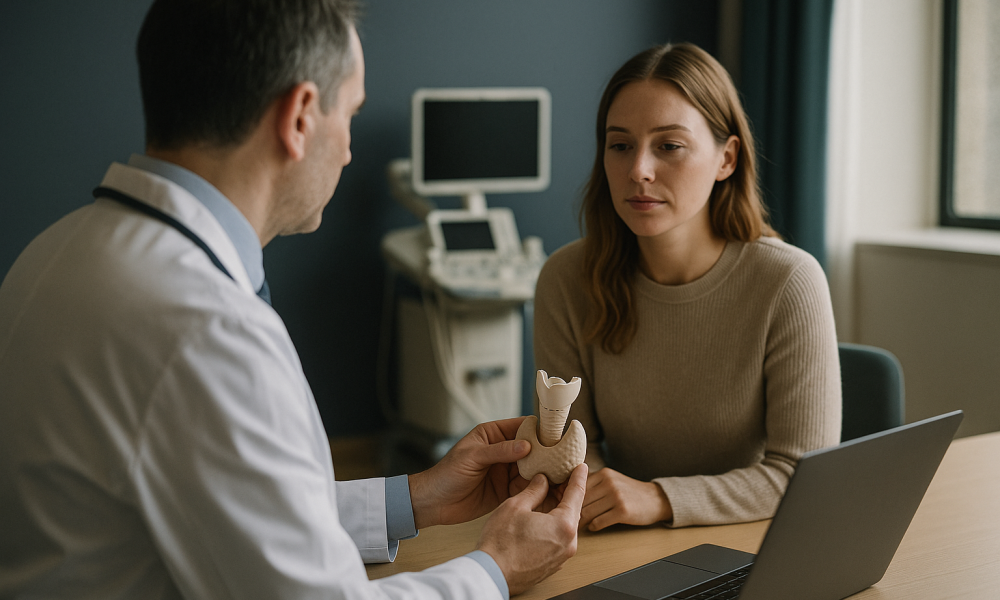
Determining whether you are a candidate for thyroid surgery involves a comprehensive evaluation by a healthcare professional. This assessment typically includes a series of diagnostic tests and consultations to ensure that surgery is the appropriate course of action for your specific condition. The primary conditions that may necessitate thyroid surgery include thyroid cancer, large goitres, hyperthyroidism, and suspicious thyroid nodules that cannot be conclusively diagnosed with non-surgical methods.
Before considering surgery, a thorough examination will be conducted, including a detailed medical history and physical examination. Imaging tests such as ultrasound, CT scans, or MRIs may be recommended to assess the size and characteristics of the thyroid and any nodules present. Fine needle aspiration biopsy is often performed to evaluate the nature of any suspicious nodules.
Preparation for thyroid surgery also involves addressing any underlying medical conditions that could affect the surgery or recovery process. Patients may need to undergo blood tests to check levels of thyroid hormones and other relevant parameters. A consultation with an endocrinologist and possibly an anaesthetist will help in planning the procedure. Patients are advised to stop taking certain medications, such as blood thinners, and to follow specific dietary instructions prior to surgery.
- Undergo a comprehensive medical evaluation and history review.
- Complete necessary imaging tests such as ultrasound, CT, or MRI.
- Perform fine needle aspiration biopsy if required.
- Consult with specialists, including an endocrinologist and anaesthetist.
- Adjust or discontinue certain medications as advised.
- Follow pre-surgery dietary instructions.
- Address any comorbid conditions that might affect surgery.
- Understand the risks and benefits of the procedure thoroughly.
Patients must also be informed about the potential risks and benefits of the surgery, and all questions should be addressed during preoperative consultations. Understanding the postoperative care and recovery process is also crucial for ensuring a smooth recovery.
Techniques and options available in Turkey
Turkey offers a range of advanced techniques and options for thyroid surgery, capitalising on its well-established medical infrastructure and highly trained surgical teams. The most common surgical procedure for thyroid conditions is a thyroidectomy, which involves the removal of part or all of the thyroid gland. The choice of technique depends largely on the condition being treated, the size of the thyroid or nodules, and the overall health of the patient.
One of the prevalent techniques in Turkey is the conventional open thyroidectomy, which is performed through an incision in the neck. This method provides the surgeon with a direct view and access to the thyroid gland, ensuring precise removal of the affected tissue. While this approach is traditional, it is highly effective and widely used for large goitres and cases of thyroid cancer.
Another option is the minimally invasive thyroidectomy, which has gained popularity due to its reduced recovery time and minimal scarring. This technique involves smaller incisions and often utilises endoscopic assistance, allowing surgeons to perform the procedure with enhanced precision and less impact on surrounding tissues. This option is particularly suitable for smaller nodules and benign conditions.
In addition to these, robotic thyroidectomy is an innovative technique available in select Turkish clinics. Using robotic systems, surgeons can perform the procedure with high precision through remote control, ensuring minimal invasion and optimal outcomes. This technique is particularly beneficial for patients concerned about cosmetic outcomes, as it leaves less noticeable scars.
Turkey also offers advanced diagnostic and monitoring technologies to support these surgical techniques. Intraoperative nerve monitoring is commonly used to prevent damage to the recurrent laryngeal nerve, which is vital for preserving vocal function. Additionally, frozen section analysis during surgery helps in making immediate pathological assessments, guiding the extent of tissue removal required.
The cost of thyroid surgery in Turkey is generally more affordable compared to Western countries, without compromising on quality. Patients can expect transparent pricing structures with indicative ranges provided during initial consultations. It is important for international patients to discuss all available options with their healthcare provider to determine the most suitable approach based on their individual needs and medical history.
Recovery and aftercare timeline
The recovery and aftercare period following thyroid surgery is crucial to ensure optimal healing and to prevent any complications. Patients can expect a structured timeline of recovery, during which various stages of healing and care are essential.
| Period | What to expect | Care notes |
|---|---|---|
| First 24-48 hours | Patients typically remain in the hospital for monitoring. Swelling and mild discomfort are common. Drains may be used to prevent fluid accumulation. | Regular monitoring by healthcare professionals. Pain management with prescribed medications. Initiate gentle neck movements to prevent stiffness. |
| First week | Swelling and bruising may persist. Some patients experience mild hoarseness or sore throat. Most patients can resume light activities. | Continue prescribed medication. Keep the surgical site clean and dry. Follow-up appointment to check the incision and remove any drains or stitches. |
| 2-4 weeks | Most swelling subsides. Energy levels may fluctuate. Patients can gradually return to normal activities but should avoid strenuous exercise. | Attend follow-up visits to monitor recovery. Watch for signs of infection. Begin scar management as advised by your surgeon. |
| 1-3 months | Full recovery for most patients. Scar tissue begins to mature. Voice changes, if any, usually resolve. | Regular check-ups to assess thyroid hormone levels. Adjustments to thyroid medication, if necessary. Continue to avoid heavy lifting. |
| Beyond 3 months | Complete healing of the incision. Scar may continue to fade. Long-term monitoring of thyroid function. | Annual follow-ups recommended. Maintain a healthy lifestyle to support overall well-being. Discuss any concerns with your healthcare provider. |
Throughout the recovery process, patients are encouraged to keep in close contact with their healthcare provider to address any concerns or unexpected changes. Adhering to aftercare instructions and attending scheduled follow-ups are critical components of a successful recovery.

Risks, safety and how accredited Turkish providers manage them
Thyroid surgery, like any surgical procedure, comes with inherent risks. However, accredited healthcare providers in Turkey are well-equipped to manage these risks effectively. Understanding the potential complications and the safety measures in place can help reassure patients considering thyroid surgery abroad.
Common risks associated with thyroid surgery include bleeding, infection, and damage to the parathyroid glands or recurrent laryngeal nerve, which can affect calcium levels or voice quality. Accurately assessing the risk profile of each patient preoperatively is a standard practice among Turkish surgeons.
Accredited Turkish providers, recognized by international bodies, follow rigorous protocols to minimize these risks. Pre-surgical evaluations typically include blood tests, imaging studies, and a thorough review of the patient’s medical history to identify any potential complications.
During surgery, the use of advanced technologies such as intraoperative nerve monitoring helps in preserving nerve function. This technology allows surgeons to detect and prevent nerve damage in real-time, significantly reducing the likelihood of postoperative complications related to nerve injury.
Postoperative care is another critical component of risk management. Accredited facilities in Turkey ensure that patients receive comprehensive care following surgery. This includes regular monitoring for signs of infection, bleeding, and other complications. Patients are educated about the symptoms of potential complications and are encouraged to report any concerns immediately.
Moreover, accredited Turkish healthcare providers emphasize the importance of personalized aftercare plans. These plans are tailored to the individual needs of the patient, taking into account their specific health conditions and recovery progress. This personalized approach ensures that any complication is promptly identified and managed.
International accreditation, such as that from the Joint Commission International (JCI), ensures that Turkish healthcare facilities adhere to high standards of patient safety and care quality. These standards include strict protocols for sterilization, infection control, and surgical procedures, all of which contribute to minimizing risks.
In summary, while thyroid surgery involves certain risks, the robust safety measures and high standards of care provided by accredited Turkish healthcare providers significantly mitigate these risks. Patients can feel confident that they are receiving care that meets international safety standards, with a strong emphasis on minimizing complications and ensuring a safe recovery.
Choosing the right provider in Turkey
When considering thyroid surgery in Turkey, selecting the right healthcare provider is crucial. Accreditation is a key factor; ensure the clinic or hospital is accredited by international bodies such as the Joint Commission International (JCI) or the Turkish Ministry of Health. These accreditations indicate adherence to global healthcare standards.
Surgeon experience is another critical consideration. It is advisable to choose a surgeon who specialises in endocrine surgery and has substantial experience in performing thyroid surgeries. Look for surgeons who are members of reputable medical associations, such as the European Society of Endocrine Surgeons, as this reflects a commitment to continuing education and adherence to best practices.
When evaluating potential providers, be vigilant for red flags. These include a lack of transparency about the surgeon’s qualifications, limited or no patient reviews, and an absence of clear communication about the surgical process. Additionally, be cautious of clinics offering prices that are significantly lower than the average, as this could indicate compromised quality of care.
Conduct thorough research, including reading patient testimonials and reviews on independent platforms. Scheduling a video consultation with the surgeon can provide insight into their communication skills and allow you to ask detailed questions about the procedure, recovery, and potential risks. A reputable provider will be transparent about potential complications and have a clear plan for post-operative care.
Lastly, consider the overall facilities of the clinic or hospital. A modern, well-equipped facility with a dedicated international patient department can enhance your experience and ensure a smoother process from arrival to discharge. Choose a provider that offers comprehensive support, including assistance with travel arrangements and language interpretation services if necessary.
Thyroid Surgery Abroad Cost in Turkey
The cost of thyroid surgery in Turkey is a significant consideration for international patients. Turkey offers competitive pricing compared to many Western countries, while maintaining high standards of healthcare. Below is a comparative table of indicative prices for thyroid surgery across different countries:
| Country | Indicative Price Range (USD) |
|---|---|
| Turkey | 3,000 – 5,000 |
| United Kingdom | 8,000 – 12,000 |
| United States | 15,000 – 25,000 |
| Germany | 10,000 – 15,000 |
| Australia | 12,000 – 18,000 |
| Canada | 10,000 – 16,000 |
These prices are indicative and can vary based on several factors. In Turkey, many clinics offer all-inclusive packages, which may cover the cost of the surgery, hospital stay, pre-operative tests, post-operative care, and sometimes even accommodation and airport transfers. It is essential to fully understand what is included in these packages to avoid unexpected expenses.
Factors that can influence the price include the specific type of thyroid surgery (e.g., partial vs. total thyroidectomy), the complexity of the case, the surgeon’s expertise, and the hospital’s reputation. Additional costs may arise from extended hospital stays, additional tests, or unforeseen complications.
When reviewing quotes, pay attention to the breakdown of costs. A detailed quote should specify what is included in the package and outline any potential additional charges. It is advisable to request clarification on any vague or unclear terms within the quote.
In summary, while the lower cost of thyroid surgery in Turkey is appealing, it is important to consider the total value offered, including the quality of care, surgeon experience, and post-operative support. These factors can significantly impact your overall satisfaction and outcome.
Frequently Asked Questions
What are the average costs of thyroid surgery in Turkey?
In Turkey, the cost of thyroid surgery typically ranges from $3,000 to $5,000 USD. This is significantly lower than in countries like the United States or the United Kingdom, where prices can range from $8,000 to $25,000 USD. It's important to confirm what is included in the price, such as hospital stay or post-operative care.
Why is thyroid surgery cheaper in Turkey compared to Western countries?
Thyroid surgery in Turkey is generally cheaper due to lower operational and labour costs, as well as government incentives to promote medical tourism. Despite the lower costs, many Turkish hospitals maintain high standards of care and are accredited by international bodies, providing a cost-effective option without compromising quality.
Is thyroid surgery in Turkey safe?
Thyroid surgery in Turkey can be safe, provided you choose a reputable, accredited hospital and an experienced surgeon. Many Turkish hospitals are accredited by international organisations, ensuring they meet global healthcare standards. Researching the hospital and surgeon's credentials and reviews can further assure safety.
What should I look for in a thyroid surgeon in Turkey?
Look for a thyroid surgeon with extensive experience in endocrine surgery and membership in reputable medical associations. Verify their credentials and read patient reviews. A good surgeon will be transparent about their qualifications and willing to discuss the procedure, risks, and post-operative care in detail.
Do clinics in Turkey offer all-inclusive packages for thyroid surgery?
Yes, many clinics in Turkey offer all-inclusive packages which may cover surgery costs, hospital stay, pre- and post-operative care, and sometimes accommodation and airport transfers. Ensure you understand what is included in the package to avoid unexpected expenses.
How do I verify a clinic's accreditation in Turkey?
You can verify a clinic's accreditation by checking for certifications from international bodies like the Joint Commission International (JCI) or the Turkish Ministry of Health. These accreditations ensure the clinic adheres to global healthcare standards.
What are the potential risks of thyroid surgery?
Potential risks of thyroid surgery include bleeding, infection, damage to the vocal cords or parathyroid glands, and hypothyroidism. An experienced surgeon will discuss these risks and the measures taken to mitigate them. Post-operative care is crucial to monitor and manage any complications.
How long is the recovery period after thyroid surgery?
The recovery period after thyroid surgery can vary, but most patients can return to normal activities within two weeks. Some may experience temporary hoarseness or discomfort, which usually resolves. Follow-up appointments are important to monitor recovery and adjust any necessary medications.
What should I ask during a consultation with a thyroid surgeon?
During a consultation, ask about the surgeon's experience, the specific procedure recommended, potential risks and complications, recovery time, and post-operative care. It's also important to ask about the costs involved and what is included in any packages offered.
Can I travel immediately after thyroid surgery in Turkey?
It is generally recommended to stay in Turkey for at least a few days after thyroid surgery to ensure proper recovery and attend follow-up appointments. Your surgeon will provide guidance on when it is safe to travel based on your individual recovery progress.
How do I prepare for thyroid surgery in Turkey?
Preparation for thyroid surgery includes undergoing pre-operative tests, discussing your medical history with your surgeon, and understanding the procedure and recovery process. It's also important to arrange travel, accommodation, and any necessary post-operative care in advance.
What post-operative care is required after thyroid surgery?
Post-operative care typically includes monitoring for complications, managing pain, and possibly taking thyroid hormone replacement medication. Regular follow-up appointments are essential to assess recovery and adjust treatments as necessary. Your surgeon will provide specific instructions based on your needs.