
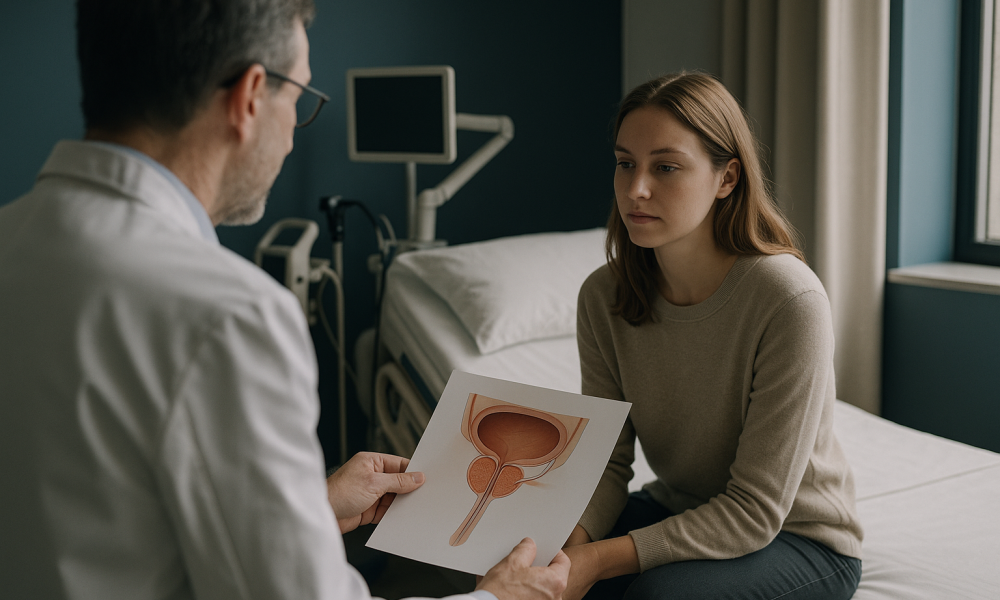
The Process: TURP Prostate Surgery in Turkey, step by step
- Enquiry: The journey begins with an initial enquiry where patients reach out to the healthcare providers in Turkey. This can be done through direct contact via email, phone, or online forms available on the clinics’ websites. During this stage, patients are encouraged to provide detailed medical history and any previous diagnostic tests to help the medical team understand their condition better.
- Assessment: Once the enquiry is received, a dedicated patient coordinator will assist in arranging a virtual consultation with a urologist. This consultation aims to assess the patient’s suitability for TURP surgery by reviewing their medical history, current symptoms, and diagnostic tests such as PSA levels, urine flow studies, or ultrasound results.
- Travel Arrangements: After the assessment, if the patient is deemed suitable for the procedure, the next step is to make travel arrangements. This includes booking flights and accommodations, with some clinics offering packages that cover transportation and lodging. Patients should ensure they have all necessary travel documents, including a valid passport and any required visas.
- Treatment Days: Upon arrival in Turkey, patients are welcomed by a representative who assists with transportation to their accommodations and medical appointments. The treatment day involves pre-operative evaluations, including physical exams and blood tests. On the day of the surgery, the patient is admitted to the hospital, and the procedure is typically performed under general or spinal anaesthesia. The surgical team inserts a resectoscope through the urethra to remove excess prostate tissue, which alleviates symptoms of urinary obstruction.
- Discharge: After the procedure, patients are monitored in the hospital for 1-2 days to ensure there are no immediate complications. During this period, they receive care instructions and medication to manage pain and prevent infection. The healthcare team provides detailed information on post-operative care, including activity restrictions and dietary guidelines.
- Follow-up: Once discharged, patients are advised to remain in Turkey for a few additional days for follow-up consultations. These appointments are crucial for assessing recovery progress and addressing any concerns. Upon returning home, patients are encouraged to maintain communication with their Turkish healthcare providers and their local doctors to ensure a smooth recovery process.
What TURP Prostate Surgery is and who it is for
Transurethral Resection of the Prostate (TURP) is a surgical procedure designed to alleviate urinary symptoms caused by an enlarged prostate, a condition known as benign prostatic hyperplasia (BPH). BPH is a common condition among aging men, leading to issues such as urinary frequency, urgency, nocturia, and incomplete bladder emptying. TURP is considered the gold standard treatment for BPH, especially in cases where medication has failed to provide adequate relief or when the patient experiences significant discomfort or complications such as recurrent urinary tract infections or bladder stones.
The procedure involves the removal of prostate tissue that is obstructing the urethra to improve urine flow. During TURP, a resectoscope is inserted through the urethra, eliminating the need for external incisions. The resectoscope is equipped with a camera and surgical instruments, allowing the surgeon to excise excess prostate tissue with precision. The removed tissue is flushed out of the bladder during the operation.
TURP is suitable for men who have moderate to severe urinary symptoms that significantly impact their quality of life. It is typically recommended for patients who have not found relief through less invasive treatments such as medications or lifestyle changes. The decision to undergo TURP is made after a comprehensive evaluation that includes assessing the size of the prostate, the severity of symptoms, and the overall health of the patient.
While TURP is highly effective in improving urinary symptoms, it is not without potential risks or complications. Common risks include bleeding, infection, and temporary difficulty urinating post-surgery. In some cases, patients may experience retrograde ejaculation, where semen enters the bladder instead of exiting through the urethra. However, the benefits of symptom relief and improved quality of life often outweigh these risks for many patients.
In summary, TURP is a well-established procedure for treating BPH in men who experience significant urinary issues. It is performed by skilled urologists in Turkey, who ensure a comprehensive approach to patient care, from initial assessment to post-operative follow-up.
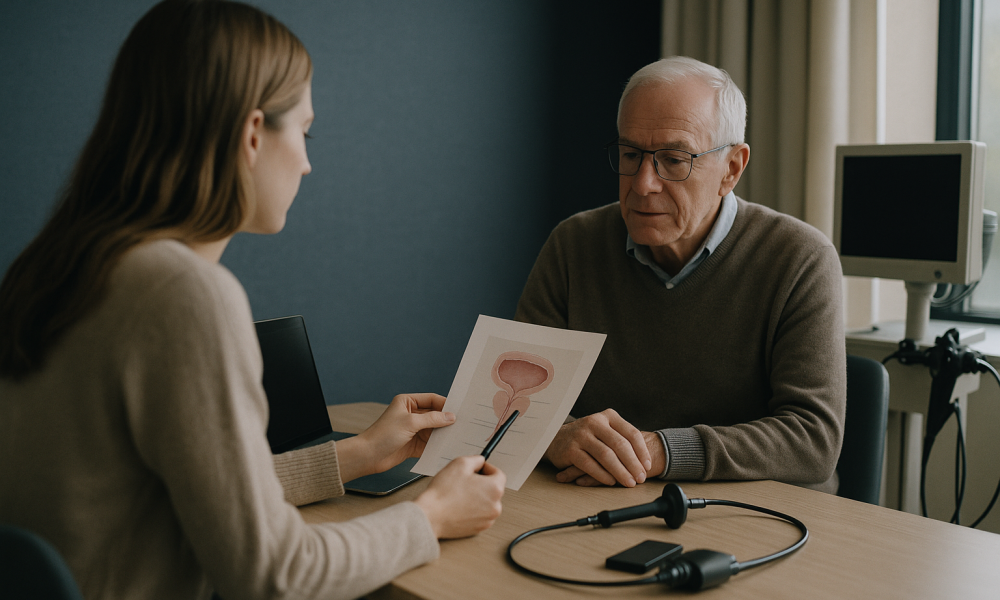
Are you a candidate? Criteria and preparation
Transurethral Resection of the Prostate (TURP) is a surgical procedure primarily recommended for men experiencing significant urinary symptoms due to benign prostatic hyperplasia (BPH). Not every patient with BPH is an immediate candidate for TURP, and thorough evaluation is necessary to determine suitability. Key factors influencing candidacy include the severity of symptoms, overall health status, and response to prior treatments.
The following criteria are generally considered when evaluating a patient for TURP:
- Severity of Symptoms: Patients typically experience moderate to severe urinary symptoms, including frequent urination, urgency, weak stream, and nocturia. These symptoms significantly impact quality of life.
- Failure of Medical Therapy: Candidates for TURP often have not responded adequately to medical treatments, such as alpha-blockers or 5-alpha-reductase inhibitors, or have experienced intolerable side effects.
- Complications of BPH: Presence of complications like recurrent urinary tract infections, bladder stones, or renal insufficiency may necessitate surgical intervention.
- Overall Health: The patient must be in adequate health to undergo surgery and anaesthesia. Conditions such as uncontrolled diabetes or cardiovascular issues may require stabilization before proceeding.
- Prostate Size: TURP is typically most effective for prostates of a certain size, usually between 30-80 grams. Larger prostates may require alternative surgical techniques.
- Patient Preference: Patients who prefer a more definitive solution over ongoing medication might opt for surgical intervention.
Preparation for TURP surgery involves several steps to ensure safety and efficacy. Initially, a thorough medical evaluation is performed, including blood tests, urinalysis, and possibly imaging studies such as ultrasound or MRI to assess prostate size and anatomy. Pre-operative consultations will include discussions about the procedure, potential risks, and aftercare.
Patients are typically advised to stop certain medications, such as blood thinners, to minimize bleeding risk during surgery. Fasting is usually required from midnight before the procedure. Additionally, patients may undergo a pre-operative assessment to evaluate cardiovascular health, especially if they have a history of heart disease.
In summary, candidacy for TURP involves a multifaceted assessment of symptoms, health status, and patient preferences. Adequate preparation, including medical evaluations and lifestyle adjustments, is crucial for successful outcomes.
Techniques and options available in Turkey
Turkey is renowned for its advanced medical facilities and experienced urologists, offering a range of techniques for Transurethral Resection of the Prostate (TURP). While the traditional TURP remains the gold standard, several innovative variations and alternatives are available, providing patients with tailored treatment options.
The conventional TURP procedure involves the use of a resectoscope inserted through the urethra. The surgeon uses a loop to cut away excess prostate tissue, which is then flushed out with irrigation fluid. The procedure is typically performed under spinal or general anaesthesia and takes about 60 to 90 minutes. Patients usually stay in the hospital for one to two days post-surgery.
In addition to the standard TURP, Turkey offers several alternative techniques:
- Bipolar TURP: This technique uses bipolar energy instead of the traditional monopolar energy, which reduces the risk of complications such as TUR syndrome. Bipolar TURP allows for the use of saline irrigation, enhancing patient safety and reducing post-operative complications.
- Laser Prostatectomy: Options such as Holmium Laser Enucleation of the Prostate (HoLEP) and GreenLight Laser PVP are available. These minimally invasive techniques use laser energy to vaporize or enucleate prostate tissue, with reduced bleeding and shorter recovery times compared to traditional TURP.
- Plasma Button Vaporization: This technique involves the use of a plasma button electrode to vaporize prostate tissue. It is associated with minimal bleeding and quick recovery, making it suitable for patients who cannot tolerate more invasive procedures.
- Transurethral Incision of the Prostate (TUIP): Recommended for patients with smaller prostates, TUIP involves making small incisions in the prostate tissue to relieve obstruction without removing significant tissue. It is less invasive and typically results in shorter hospital stays.
Choosing the right technique depends on several factors, including prostate size, patient health, and personal preferences. The urologist will conduct a comprehensive evaluation to recommend the most suitable option.
In Turkey, the cost of TURP and its variations can vary widely depending on the technique and facility. Indicative cost ranges for traditional TURP are generally between €2,500 and €5,000, while laser treatments may range from €3,500 to €6,500. These costs typically include hospital stay, surgeon fees, and pre-operative assessments.
With its combination of advanced technology, skilled practitioners, and competitive pricing, Turkey remains a leading destination for patients seeking TURP surgery.
Recovery and aftercare timeline
Following Transurethral Resection of the Prostate (TURP) surgery, patients typically experience a structured recovery period that involves gradual healing and specific care protocols. Understanding this timeline can help patients manage expectations and adhere to necessary aftercare instructions, thereby promoting optimal recovery outcomes.
Post-operative recovery from TURP surgery in Turkey is generally well-organised, with healthcare providers offering comprehensive guidance and support. The following table outlines the typical recovery timeline and associated care notes:
| Period | What to Expect | Care Notes |
|---|---|---|
| Day 1-3 | Initial recovery in hospital. Patients may experience mild discomfort and urinary catheterisation is common. Blood in urine is expected. | Hospital staff will monitor vital signs and manage pain. Patients are encouraged to drink plenty of fluids to help flush the bladder. |
| Week 1-2 | Discharge from hospital typically within 2-3 days. Some urinary symptoms may persist, such as urgency or frequency. Fatigue is common. | Patients should avoid strenuous activities and follow prescribed medication regimens. Regular follow-up appointments are crucial. |
| Week 3-4 | Gradual improvement in urinary symptoms. Patients may still notice blood in urine, but it should progressively reduce. | Resume light activities but avoid heavy lifting. Continue hydration and discuss any concerns with healthcare provider. |
| Month 1-3 | Most urinary symptoms should significantly improve. Full return to normal activities is possible, barring any complications. | Maintain regular check-ups with the urologist. Report any persistent or new symptoms immediately. |
| Beyond 3 Months | Complete recovery for most patients. Long-term benefits include improved urinary flow and reduced symptoms. | Continue to monitor urinary health and attend annual check-ups. Lifestyle modifications may be recommended for overall health. |
Patients are advised to maintain open communication with their healthcare providers throughout this period to address any concerns and ensure a smooth recovery process.

Risks, safety and how accredited Turkish providers manage them
TURP surgery, like any medical procedure, carries certain risks. However, Turkish healthcare providers are renowned for their adherence to international safety standards and accreditation, ensuring that patients receive high-quality care.
Common risks associated with TURP include bleeding, infection, and temporary urinary incontinence. Less common but more serious risks may include urethral stricture, bladder injury, or retrograde ejaculation. Accredited Turkish clinics mitigate these risks through rigorous pre-operative assessments, advanced surgical techniques, and comprehensive post-operative care.
Accreditation by international bodies such as the Joint Commission International (JCI) is a hallmark of quality for many Turkish healthcare facilities. JCI accreditation requires adherence to stringent safety protocols, staff training, and continuous quality improvement measures. These standards ensure that facilities are equipped to handle complications effectively.
Pre-operative evaluations in Turkey include thorough patient assessments to identify potential risk factors. This involves detailed medical history reviews, physical examinations, and appropriate diagnostic tests. Patients are informed about the potential risks and benefits of the procedure, ensuring informed consent.
During the procedure, Turkish surgeons utilise state-of-the-art technology and adhere to minimally invasive techniques to reduce trauma and enhance recovery. The surgical teams are highly experienced, often trained internationally, and well-versed in the latest TURP methodologies.
Post-operatively, Turkish providers emphasise vigilant monitoring and prompt intervention should complications arise. This includes regular follow-ups, laboratory tests, and imaging as needed to ensure recovery is on track. Patients receive detailed aftercare instructions, which are critical in preventing complications such as infections or urinary retention.
In terms of infection control, Turkish hospitals implement strict hygiene protocols. This includes sterilisation of surgical instruments, use of disposable materials when possible, and adherence to infection prevention guidelines. These measures significantly reduce the risk of post-operative infections.
Overall, the combination of skilled healthcare professionals, advanced medical technology, and rigorous safety standards makes Turkey a safe destination for TURP surgery. Patients can expect a well-coordinated care experience that prioritises their safety and health outcomes.
Choosing the right provider in Turkey
Selecting the appropriate healthcare provider for Transurethral Resection of the Prostate (TURP) surgery in Turkey is a critical decision that can significantly impact the success of the procedure and the patient’s overall experience. Patients should prioritize choosing clinics and hospitals that are accredited by reputable international healthcare bodies such as the Joint Commission International (JCI) or the International Organization for Standardization (ISO). These accreditations ensure that the healthcare facility adheres to international standards of quality and safety, thus providing patients with a higher level of confidence in their choice.
The experience and expertise of the surgeon performing the TURP surgery is another crucial factor. Patients are encouraged to inquire about the surgeon’s qualifications, years of experience, and the number of TURP procedures they have performed. A surgeon with a substantial track record in TURP surgeries is more likely to handle any unforeseen complications and deliver optimal outcomes. Additionally, patients may request to see testimonials or reviews from previous patients, which can provide insights into the surgeon’s reputation and the quality of care provided.
When evaluating potential providers, it’s essential to be vigilant about certain red flags. These include clinics that offer prices significantly lower than the average without clear explanations, or those that lack transparency regarding their accreditation status and the credentials of their medical staff. Patients should also be cautious of facilities that make unrealistic promises regarding the outcomes of the surgery or guarantee a full recovery in an unusually short time frame. Such claims are often misleading and do not reflect the complexities involved in medical procedures.
Furthermore, communication is a key aspect of choosing a provider. Prospective patients should assess whether the clinic offers comprehensive pre-operative consultations and post-operative care, and whether they provide support in the patient’s native language. Effective communication can greatly enhance the patient’s experience, ensuring that they fully understand the procedure, the recovery process, and any potential risks involved. In summary, thorough research and careful consideration of accreditation, surgeon experience, and potential red flags are essential steps in selecting the right provider for TURP surgery in Turkey.
TURP Prostate Surgery Cost in Turkey
The cost of Transurethral Resection of the Prostate (TURP) surgery in Turkey is often a key consideration for international patients seeking high-quality yet affordable medical care. On average, the cost of TURP surgery in Turkey ranges from $3,000 to $6,000 USD. This is considerably lower compared to other countries, where costs can be significantly higher due to various factors such as healthcare system structure and living costs.
| Country | Indicative Cost Range (USD) |
|---|---|
| Turkey | $3,000 – $6,000 |
| United Kingdom | $7,000 – $12,000 |
| United States | $10,000 – $20,000 |
| Germany | $8,000 – $15,000 |
| Australia | $9,000 – $18,000 |
| Canada | $9,000 – $16,000 |
Many clinics in Turkey offer all-inclusive packages that cover not only the surgery itself but also pre-operative consultations, hospital stay, post-operative care, and sometimes even accommodation and transportation. These packages provide significant value, allowing patients to manage their expenses more predictably. However, patients should carefully review what is included in these packages to avoid unexpected costs.
Several factors can influence the cost of TURP surgery, including the complexity of the case, the surgeon’s experience, the hospital’s reputation, and the specific services included in the package. Patients should be aware that additional tests or treatments required due to unforeseen complications may incur extra costs. It’s advisable to discuss these possibilities with the healthcare provider beforehand to gain a clear understanding of potential additional expenses.
When reviewing quotes, it’s crucial for patients to ensure they are comparing like-for-like services. A detailed quote should itemize each component of the package, such as the surgery fee, hospital charges, anesthesia, and any post-operative care. Patients should question any vague areas and ask for clarification on terms they do not understand. This due diligence ensures transparency and helps patients make informed decisions that align with their financial and medical needs.
Frequently Asked Questions
What is the average cost of TURP surgery in Turkey?
The average cost of TURP surgery in Turkey ranges from $3,000 to $6,000 USD. This cost is significantly lower compared to countries like the US or UK due to the lower cost of living and healthcare expenses in Turkey. However, prices may vary based on the clinic, the surgeon's experience, and the specific services included in the package.
Are there any hidden costs associated with TURP surgery in Turkey?
While many clinics offer all-inclusive packages, it's important to thoroughly review what these packages cover. Typically, they include the surgery, hospital stay, and post-operative care. However, additional costs may arise from unforeseen complications or extra treatments. Patients should discuss potential additional expenses with their provider to avoid surprises.
Is TURP surgery in Turkey safe?
TURP surgery in Turkey is generally safe, particularly when performed at accredited hospitals by experienced surgeons. Patients should ensure that their chosen facility is accredited by reputable international bodies like JCI or ISO, and that the surgeon has a strong track record with TURP procedures. This helps ensure adherence to high standards of care and safety.
What should I look for in a TURP surgery provider in Turkey?
When choosing a provider, look for accreditation by international bodies such as JCI or ISO, which ensures adherence to global healthcare standards. Additionally, consider the experience and qualifications of the surgeon, and review patient testimonials. Transparency in pricing and clear communication are also key factors to consider.
How long will I need to stay in Turkey for TURP surgery?
The typical stay in Turkey for TURP surgery is around one to two weeks. This duration includes pre-operative consultations, the surgery itself, and post-operative recovery. However, the exact length of stay may vary depending on individual recovery rates and any additional treatments required.
What is included in an all-inclusive TURP surgery package?
An all-inclusive TURP surgery package often includes the surgical procedure, hospital stay, pre-operative consultations, and post-operative care. Some packages may also cover accommodation and transportation. It's important to confirm the specifics with your provider to understand exactly what is included and avoid unexpected costs.
How can I verify the accreditation of a Turkish hospital?
You can verify a hospital's accreditation by checking for certifications from recognized international bodies such as the Joint Commission International (JCI) or the International Organization for Standardization (ISO). These certifications ensure that the hospital meets high international standards for quality and safety.
What are the potential risks of TURP surgery?
As with any surgical procedure, TURP surgery carries certain risks, including bleeding, infection, and issues related to anesthesia. There may also be specific risks such as urinary incontinence or erectile dysfunction. Discussing these risks with your surgeon will help you understand them and manage your expectations.
Can I speak with former patients of the clinic?
Many clinics facilitate communication with former patients who have undergone TURP surgery. Speaking with past patients can provide valuable insights into the quality of care, the surgeon's expertise, and the overall experience. Always ask the clinic if they can arrange for you to speak with these individuals.
How do I prepare for TURP surgery?
Preparation for TURP surgery involves several steps, including attending pre-operative consultations, undergoing necessary tests, and following any specific instructions from your healthcare provider. This may include dietary restrictions, medication adjustments, and arranging for post-operative care and support.
What should I do if I experience complications after TURP surgery?
If you experience complications after TURP surgery, contact your healthcare provider immediately for guidance. It's important to have a clear post-operative care plan, including emergency contact information and follow-up appointments, to address any issues promptly and ensure a smooth recovery.
Will I need follow-up care after returning home?
Yes, follow-up care is crucial after TURP surgery to monitor recovery and address any complications. Your Turkish healthcare provider should provide a detailed post-operative care plan, including instructions for your local healthcare provider. Regular check-ups will help ensure a successful recovery.