
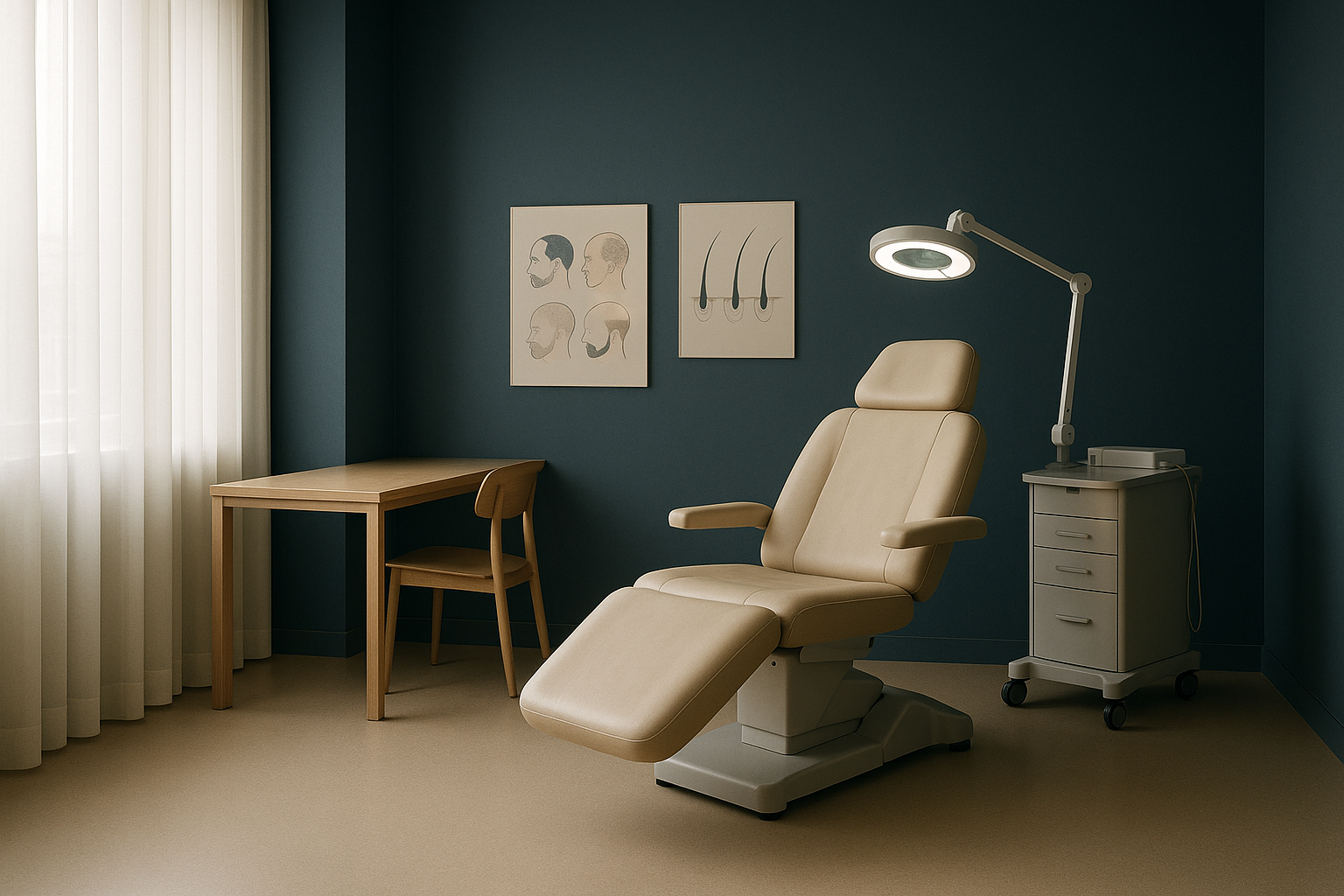
Turkey has become a leading destination for beard transplants, attracting patients worldwide with its blend of affordable costs and high-quality care. This article explores the process, costs, and what prospective international patients can expect when considering a beard transplant in Turkey.
What is a Beard Transplant?
A beard transplant is a cosmetic procedure where hair follicles are transplanted to the face to create a fuller beard. This is often sought by individuals who struggle with patchy facial hair or lack of growth due to genetics or hormonal factors. The demand for beard transplants has been on the rise as more men opt for fuller facial hair as a style statement, whether to enhance their appearance or boost self-esteem. The procedure not only provides a solution for aesthetic purposes but also helps individuals who may have suffered facial hair loss due to trauma or medical conditions.
The procedure is similar to a hair transplant, involving harvesting hair follicles from a donor site, typically the back of the scalp, which is chosen for its dense and robust hair growth. These follicles are then implanted into the facial area where growth is desired. The process requires careful planning to achieve natural-looking results. Surgeons meticulously arrange the hair follicles to mimic natural beard growth patterns, considering factors like hair direction and density. This meticulous attention to detail ensures that the final result is harmonious with the patient’s facial features, offering a seamless and natural appearance.
Turkey is renowned for its expertise in this field, with many clinics offering state-of-the-art facilities and skilled surgeons. The country’s reputation for cosmetic procedures has made it a popular choice for beard transplants. Clinics in Turkey often employ the latest techniques such as Follicular Unit Extraction (FUE), which ensures minimal scarring and quicker recovery times. The FUE method involves extracting individual hair follicles and implanting them in the beard area, which allows for greater precision and a more natural look. Patients benefit from the extensive experience Turkish surgeons have gained from performing thousands of procedures annually, making them highly proficient and reliable in executing successful transplants.
How Much Does a Beard Transplant Cost in Turkey?
The cost of a beard transplant in Turkey can vary based on several factors, including the clinic’s location, the surgeon’s experience, and the extent of the transplant required. On average, patients can expect to pay between USD 2,000 to USD 3,500. This is significantly lower compared to prices in Western countries, where similar procedures can cost upwards of USD 7,000 to USD 10,000. The affordability of beard transplants in Turkey is a major draw for international patients seeking high-quality results without the prohibitive costs associated with such procedures elsewhere.
It’s important for prospective patients to understand that the quoted price often includes the procedure itself, postoperative care, and sometimes accommodation and transportation. However, it is advisable to confirm what is included in the package to avoid unexpected expenses. Some clinics may offer all-inclusive packages that provide added convenience and cost savings, encompassing everything from airport transfers to hotel stays. This can be particularly beneficial for international patients who may be unfamiliar with the logistics of navigating a foreign healthcare system.
Despite the lower cost, the quality of care and outcomes in Turkey are often on par with more expensive regions, making it a cost-effective option for many. The competitive pricing is largely due to the lower cost of living and operational expenses in Turkey, allowing clinics to offer high-quality services at affordable rates. Additionally, the volume of procedures performed contributes to the clinics’ ability to maintain lower prices. This high volume not only reduces costs but also enhances the surgeons’ expertise, further ensuring that patients receive top-tier care and excellent results.
Why Choose Turkey for a Beard Transplant?
Turkey’s popularity as a destination for beard transplants stems from its combination of cost-effectiveness and high-quality medical care. The country boasts a large number of clinics that specialize in hair and beard transplants, staffed by experienced professionals. The abundance of skilled surgeons in Turkey is a significant draw for international patients seeking reliable and effective cosmetic procedures. Additionally, Turkish clinics often invest in continuous training and the latest medical technologies to ensure they remain at the forefront of cosmetic surgery advancements.
Additionally, Turkey’s strategic location makes it accessible for international patients. The country’s healthcare regulations ensure that clinics maintain high standards of hygiene and safety, providing reassurance to patients traveling from abroad. Many clinics are accredited by international bodies, which further assures patients of the quality and safety of their services. Language is seldom a barrier, as most clinics have multilingual staff who can cater to a global clientele. This cultural sensitivity and adaptability make the entire process smoother for international patients, from consultation to recovery.
Turkey’s cultural heritage and tourism appeal also offer an added incentive for patients who wish to combine their medical trip with a vacation. Cities like Istanbul and Antalya offer rich cultural experiences, allowing patients to explore historical sites and enjoy the local cuisine during their stay. This combination of medical tourism and leisure makes Turkey an attractive option for many seeking cosmetic enhancements. Patients can recuperate while enjoying the scenic and historical beauty of Turkey, ensuring their trip is both medically and personally rewarding.
What to Expect During the Procedure?
Before undergoing a beard transplant, patients will have a consultation to assess their suitability for the procedure. During this session, the surgeon will discuss the desired outcome and plan the implantation pattern for optimal results. The consultation involves a thorough analysis of the patient’s facial structure, hair growth patterns, and overall health to ensure the best possible outcome. This step is crucial as it sets the foundation for a successful transplant, with tailored plans that align with the patient’s unique facial aesthetics and expectations.
The procedure itself is performed under local anaesthesia and typically lasts between 4 to 8 hours, depending on the number of grafts required. Patients can expect some redness and swelling post-procedure, which usually subsides within a week. The meticulous nature of the procedure ensures that the transplanted hair blends seamlessly with existing facial hair, creating a natural look. Surgeons pay close attention to the angle and direction of each follicle to mimic natural beard growth, ensuring an aesthetically pleasing and natural result.
Results are gradual, with initial shedding of transplanted hairs expected within the first few weeks. New growth should become visible after three months, with full results apparent after 9 to 12 months. This timeline allows the transplanted follicles to settle and start producing new hair, gradually creating a fuller, more defined beard over time. Patients are encouraged to follow all post-operative care instructions to enhance recovery and final results. This includes avoiding certain activities and adhering to specific grooming practices to ensure optimal growth and integration of the transplanted hair.
How Safe are Beard Transplants in Turkey?
Beard transplants in Turkey are generally safe, provided that the procedure is carried out by a qualified and experienced surgeon. Patients should ensure that the clinic is accredited and follows international healthcare standards. The high volume of procedures performed in Turkey contributes to the expertise and precision that local surgeons bring to each transplant. This experience is crucial in minimizing risks and enhancing the success rates of the procedures.
Patients are advised to research clinics thoroughly, verify credentials, and read reviews from previous patients. It is also beneficial to have a clear understanding of the procedure and any associated risks or side effects. Clinics often offer pre-procedure consultations where potential patients can ask questions and clarify any doubts they may have about the beard transplant process. This transparency helps build trust between the patient and the clinic, ensuring that the patient feels confident and informed about their decision.
Common side effects include minor swelling and redness, but serious complications are rare when the procedure is performed correctly. The risk of infection is minimized with proper hygiene practices and post-operative care. Patients should adhere to all aftercare instructions to ensure a smooth recovery and optimal results. With the right precautions, beard transplants in Turkey can lead to successful and satisfying outcomes for most patients. The combination of skilled surgeons and stringent safety protocols ensures that patients receive high-quality care with minimal risk.
How to Prepare for Your Trip?
Preparation is key to a successful medical trip. Patients should start by obtaining necessary travel documents and ensuring they have a valid passport. It’s also wise to book accommodations in advance, preferably close to the clinic for convenience. Ensuring easy access to the clinic can help reduce stress and facilitate smoother logistics during the recovery period. Familiarizing oneself with the local area and transportation options can also contribute to a more comfortable and efficient experience.
Many clinics offer packages that include airport transfers and hotel accommodations, which can simplify logistics. Patients should also prepare a list of questions for their surgeon to ensure all concerns are addressed prior to the procedure. Being well-informed about the procedure and the expected outcomes can help ease any anxiety and set realistic expectations. Thorough preparation also involves understanding the recovery process and any lifestyle adjustments that may be necessary post-procedure.
It’s crucial to follow pre-operative instructions provided by the clinic, which may include avoiding certain medications and abstaining from alcohol or smoking. These recommendations are designed to minimize risks and promote optimal healing. Patients should also arrange for any post-operative care they might need upon returning home, ensuring a smooth transition back to their normal routine. Planning for recovery time and potential follow-up appointments can further ensure a successful outcome and a positive overall experience.
Aftercare and Recovery
Post-operative care is crucial for optimal results. Patients will receive instructions on how to care for their new beard, including washing and grooming tips. Proper maintenance of the transplanted area is essential to promote healthy growth and prevent any potential complications. This includes using recommended products and techniques to ensure the transplanted hair remains healthy and integrates well with existing facial hair.
It is important to avoid strenuous activities and direct sun exposure for a few weeks post-surgery. Regular follow-up appointments will be scheduled to monitor progress and address any concerns. These check-ins allow the surgeon to assess the healing process and ensure that the patient is on track to achieving their desired results. Adjustments or additional guidance can be provided during these visits to optimize outcomes.
Adhering to post-operative guidelines will help ensure a smooth recovery and the best possible outcome. Patients should maintain a healthy lifestyle, including a balanced diet and adequate hydration, to support the body’s healing processes. By following all aftercare instructions diligently, patients can maximize the success of their beard transplant and enjoy a fuller, more aesthetically pleasing beard. Consistent care and attention to the transplanted area will help ensure that the results are long-lasting and natural-looking.
Conclusion
Opting for a beard transplant in Turkey can be a worthwhile investment for those seeking to enhance their appearance. With careful planning and research, patients can achieve natural-looking results at a fraction of the cost compared to other countries. By choosing a reputable clinic and following post-operative care instructions, patients can enjoy a fuller, more defined beard. The comprehensive approach to pre-and post-operative care ensures that patients are supported throughout their journey, leading to successful and satisfactory outcomes.
The combination of experienced surgeons, cost-effective pricing, and the opportunity to explore Turkey’s rich cultural heritage makes the country an appealing destination for medical tourism. As with any medical procedure, prospective patients should conduct thorough research and consult with qualified professionals to ensure the best possible experience and outcomes. By taking advantage of the resources and expertise available in Turkey, patients can confidently pursue their cosmetic goals with peace of mind.
Proven result
20 to 200 hair-transplant patients a month from Australia
Aesthetic surgery group
Frequently asked questions
How much is a beard transplant in Turkey?
A beard transplant in Turkey typically costs between USD 2,000 and USD 3,500, offering competitive prices and quality care.
What is the recovery time for a beard transplant?
Recovery from a beard transplant can take a few weeks, with initial results visible after three months and full results after 9 to 12 months.
Is a beard transplant in Turkey safe?
Yes, provided it is conducted by a qualified surgeon in an accredited clinic. Turkey maintains high healthcare standards.
What is included in the beard transplant cost in Turkey?
Costs often include the procedure, postoperative care, and sometimes accommodation and transportation. Confirm details with your clinic.
How do I choose a clinic in Turkey for a beard transplant?
Research clinics thoroughly, verify credentials, and read reviews. Opt for accredited facilities with experienced surgeons.
Related guides

Digital Marketing for Clinics That Drives Demand
A clinic can have exceptional physicians, advanced technology, and competitive pricing, yet still lose prospective patients before the…

How Overseas Surgery Insurance Really Works
A lower treatment quote can quickly lose its advantage if an unexpected complication extends your stay, requires emergency…

Analyzing the Medical Tourism Market: Current Trends
Quick answerThe medical tourism market is growing due to factors like cost-effective treatments, advanced medical technologies, and international…