
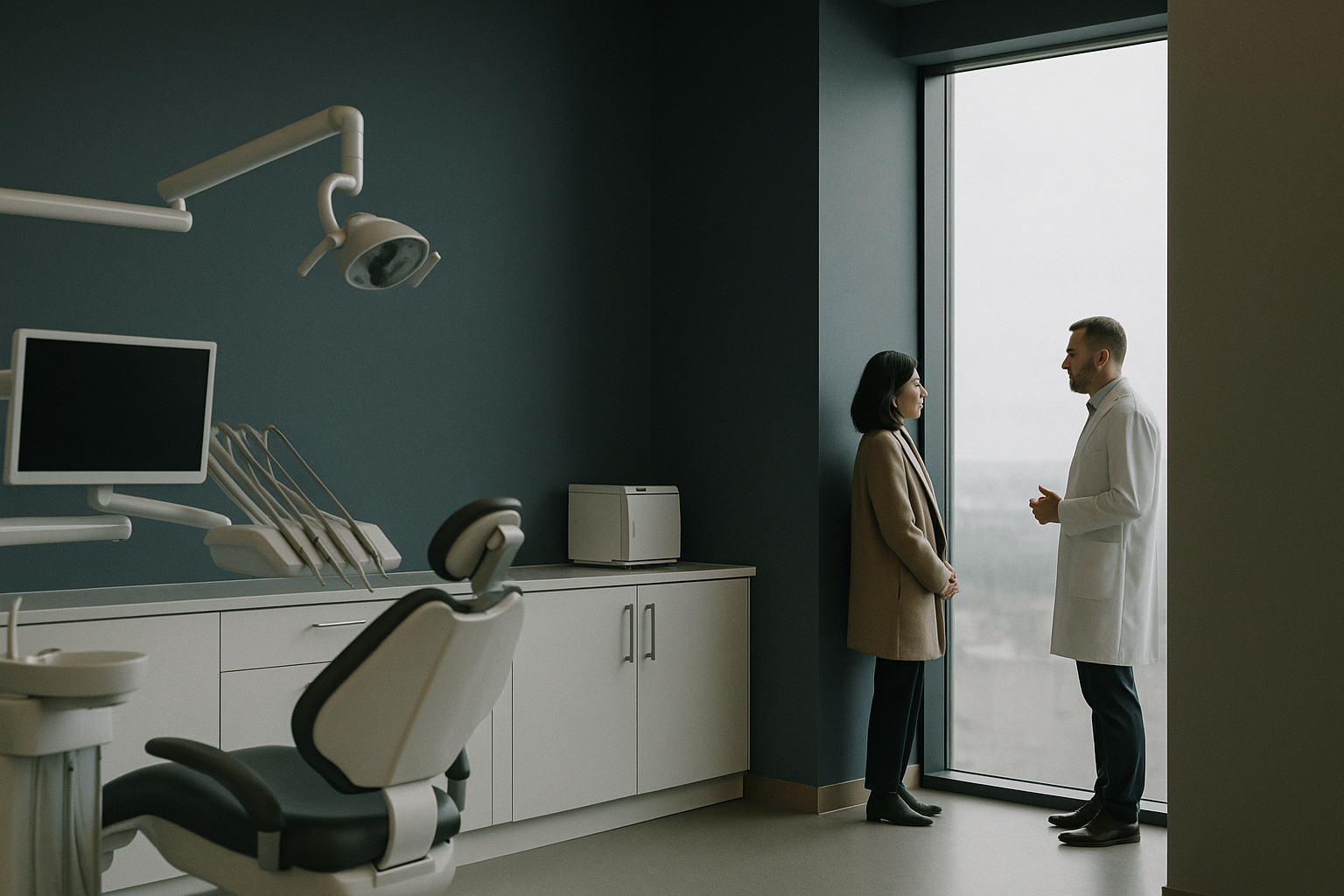
Travelling abroad for dental care is becoming increasingly popular, with Turkey being a top destination for those seeking quality and cost-effective treatments. However, choosing the right dentist in Turkey requires careful consideration of various factors to ensure a safe and successful experience.
Why Choose a Dentist in Turkey?
Turkey has emerged as a leading destination for dental tourism due to its combination of high-quality care and affordable prices. Dentists in Turkey are known for their expertise, particularly in cosmetic dentistry, including veneers and implants. This expertise is often backed by advanced training in international institutions, ensuring that they are up-to-date with the latest techniques and technologies. The country’s strategic location and the availability of direct flights make it accessible for international patients, with major cities like Istanbul and Antalya being just a few hours away from Europe and the Middle East.
Another advantage is the widespread use of English in Turkish dental clinics, ensuring that communication barriers are minimal. Many Turkish dentists have received additional training in Europe or the USA, which adds to their credibility and the trust of patients. This international exposure means that Turkish dentists are familiar with global standards and patient expectations, providing a seamless experience for foreigners. In addition, many clinics offer translation services for patients who speak other languages, further enhancing the accessibility of dental care in Turkey.
The cost of dental procedures in Turkey is significantly lower compared to Western countries, often by 50-70%. For instance, a dental implant that might cost $3,000 in the United States can be found for as little as $800 in Turkey. This affordability allows patients to receive top-notch care without the financial strain experienced in their home countries. Additionally, the lower cost does not equate to lower quality; Turkish clinics are often equipped with state-of-the-art technology and adhere to stringent hygiene standards. Clinics in Turkey are frequently inspected to ensure compliance with health regulations, offering peace of mind to patients.
What Are the Costs of Veneers in Turkey?
Veneers are a popular choice among international patients, often referred to as part of the ‘Turkey teeth’ trend. These cosmetic enhancements are not only about aesthetics but also about restoring function and confidence for many patients. The cost of veneers in Turkey varies based on the material used and the dentist’s expertise. On average, porcelain veneers cost between $250 to $350 per tooth, whereas composite veneers are slightly less expensive, ranging from $100 to $200 per tooth.
It’s important to note that these figures are estimates, and the actual cost may vary depending on the clinic and any additional treatments required. Some clinics offer package deals that include accommodation and transportation, which can further reduce overall expenses. Patients should also consider travel expenses, accommodation, and any follow-up care that might be necessary. A comprehensive package might cost between $3,000 to $6,000 depending on the number of veneers and the included services. These packages often include luxurious hotel stays and guided tours, allowing patients to enjoy a mini-vacation while getting their dental work done.
Comparatively, the same procedures in countries like the USA or UK can cost upwards of $800 to $1,500 per tooth, making Turkey a cost-effective option for those seeking cosmetic enhancements. The significant savings make it possible for patients to combine their dental treatment with a vacation, exploring Turkey’s rich cultural heritage and stunning landscapes. Patients should also research any potential hidden costs, such as consultation fees or additional charges for follow-up appointments, to ensure they have a full understanding of the financial commitment involved.
How Long Does It Take to Get Veneers in Turkey?
The process of getting veneers in Turkey is relatively quick, often completed in just a week. This efficiency is attractive for international patients who cannot afford to spend extended periods away from home. The first step involves a consultation and initial examination, where the dentist evaluates the patient’s oral health and discusses their expectations. This consultation can sometimes be conducted virtually, saving patients time and allowing them to plan their visit better. Virtual consultations often use video conferencing tools, enabling patients to communicate directly with the dentist, discuss their desired outcomes, and receive preliminary treatment plans.
Following this, the dentist prepares the teeth by removing a small amount of enamel to accommodate the veneers. This is a crucial step as it ensures the veneers fit snugly and look natural. Impressions are then taken to create custom veneers that fit perfectly. These impressions are sent to a lab where the veneers are crafted to match the patient’s natural teeth in color and shape. The use of digital imaging technology ensures high precision in crafting veneers, enhancing their durability and aesthetic appeal.
The final appointment involves the placement of the veneers, adjusting them as necessary for comfort and aesthetics. This appointment usually takes a few hours, during which the patient can see the transformation immediately. Patients can expect to spend about three to four days in Turkey to complete the entire process, including any necessary adjustments. This time frame allows for any minor corrections and ensures that patients leave with a perfect smile. Additionally, clinics often provide detailed post-procedure care instructions to ensure the longevity of the veneers and maintain oral health.
Are Dentists in Turkey Accredited and Safe?
Accreditation and safety are paramount when choosing a dentist in Turkey. Many clinics adhere to international standards, and dentists are required to be registered with the Turkish Dental Association. This registration ensures that dentists have met strict educational and professional requirements. Checking for accreditation from global organisations like the Joint Commission International (JCI) can provide additional assurance of quality and safety, as JCI accreditation is a benchmark for healthcare quality worldwide. Accreditation ensures that clinics follow best practices in patient care, safety protocols, and staff training.
Patients should also look for clinics that boast modern facilities and use the latest technology in dental care. Utilizing advanced imaging techniques and computer-assisted design ensures precision in procedures like veneer placement and implant installation. Reading reviews and testimonials from previous patients can offer valuable insights into the quality and safety of the treatments provided. Online platforms and forums can be a good resource for unbiased feedback from those who have previously visited the clinics. These reviews often highlight the professionalism of the staff, the cleanliness of the facilities, and the overall patient experience.
Ensuring that the clinic follows strict hygiene and sterilisation protocols is essential to prevent infections and ensure a safe dental experience. Patients should inquire about the clinic’s sterilisation processes and look for visible indicators of cleanliness, such as the use of disposable instruments and protective gear. This diligence is crucial in maintaining high standards of patient safety and care. Furthermore, patients can ask about the clinic’s emergency procedures and whether they have protocols in place for handling any complications that may arise during or after treatment.
What Should You Consider Before Choosing a Dentist in Turkey?
Before selecting a dentist in Turkey, patients should conduct thorough research into potential clinics and dentists. This research includes checking the dentist’s qualifications, experience, and areas of specialisation. Websites and professional profiles can provide a wealth of information about a dentist’s background and expertise. Additionally, contacting the clinic directly to ask specific questions can help clarify any doubts. Patients may also want to verify the dentist’s membership in professional organisations, which can be indicative of their commitment to ongoing education and adherence to ethical standards.
Prospective patients should also consider the language used in the clinic, the quality of aftercare provided, and the clinic’s location relative to accommodations. Many clinics offer English-speaking staff, but it’s important to confirm this to avoid communication barriers. Aftercare is another critical consideration; patients should ensure that the clinic provides comprehensive follow-up services, including emergency care if needed. Aftercare may include regular check-ups, professional cleanings, and advice on maintaining oral hygiene to ensure long-lasting results.
It’s beneficial to have a clear understanding of the entire treatment plan, including costs and timelines, before committing to any procedures. Detailed treatment plans should outline each step of the process, the expected outcomes, and any potential risks involved. Additionally, patients can benefit from asking for before-and-after photos of previous work to gauge the dentist’s expertise in cosmetic dentistry. These photos can give a realistic expectation of the results and help patients make informed decisions about their treatment. Patients should also discuss payment options and whether the clinic offers financing plans or accepts insurance, which can help in managing the overall cost of treatment.
How to Prepare for Your Dental Trip to Turkey
Preparing for a dental trip to Turkey involves several practical steps to ensure a smooth experience. First, patients should gather all necessary medical records and any previous dental work documentation to share with the Turkish dentist. This information helps the dentist understand the patient’s dental history and plan the treatment accordingly. Organizing these documents in advance can prevent any delays in the treatment process and ensure that the dentist has a comprehensive understanding of the patient’s oral health.
It’s also advisable to verify travel documents, including a valid passport and any required visas. Turkey offers a visa-on-arrival for many countries, but it’s best to check the latest requirements to avoid any travel disruptions. Booking appointments well in advance and coordinating travel and accommodation can help in avoiding last-minute issues. Many clinics offer assistance with travel arrangements as part of their service packages. Patients should also consider purchasing travel insurance that covers medical treatments abroad, providing an extra layer of security in case of unforeseen circumstances.
Patients should also plan for recovery time after the procedure, allowing a few extra days to accommodate any unforeseen complications or adjustments. This buffer period is crucial to ensure that any last-minute dental adjustments can be made without the pressure of immediate travel. Additionally, patients might want to explore local attractions or enjoy a relaxing stay in Turkey’s beautiful resorts as part of their recovery process, making the trip both beneficial for their health and enjoyable. Planning a mix of rest and leisure activities can enhance the overall experience and allow patients to return home feeling rejuvenated.
Conclusion: Making the Right Choice for Your Dental Needs
Choosing a dentist in Turkey requires careful consideration of costs, qualifications, and personal needs. By conducting thorough research and preparing adequately, patients can enjoy high-quality dental care in Turkey while also benefiting from significant cost savings. It’s essential to weigh the pros and cons and have realistic expectations about the process and outcomes. Thorough preparation and informed decision-making can lead to a successful and satisfying dental experience abroad.
Turkey offers a unique blend of expertise, affordability, and cultural richness, making it an attractive option for international dental patients. The country’s rich history, vibrant culture, and stunning landscapes provide an added incentive for those considering combining their dental treatment with a vacation. With the right information and preparation, your dental journey in Turkey can be a successful and rewarding experience. Whether it’s correcting dental issues or enhancing your smile, Turkey’s dental services offer a compelling option for patients worldwide.
Proven result
20 to 200 hair-transplant patients a month from Australia
Aesthetic surgery group
Frequently asked questions
Who has had veneers done in Turkey?
Many international patients, including celebrities and influencers, have opted for veneers in Turkey due to the quality and cost-effectiveness of treatments.
How much are veneers in Turkey?
Veneers in Turkey typically cost between $250 to $350 per tooth for porcelain veneers, making it a cost-effective option compared to Western countries.
How long does it take to get veneers in Turkey?
The process usually takes about a week, including consultation, preparation, and placement of the veneers, with most patients spending three to four days in Turkey.
Are dentists in Turkey accredited?
Yes, many Turkish dentists are accredited and adhere to international standards, with registrations from bodies like the Turkish Dental Association and JCI.
Related guides

Digital Marketing for Clinics That Drives Demand
A clinic can have exceptional physicians, advanced technology, and competitive pricing, yet still lose prospective patients before the…

How Overseas Surgery Insurance Really Works
A lower treatment quote can quickly lose its advantage if an unexpected complication extends your stay, requires emergency…

Analyzing the Medical Tourism Market: Current Trends
Quick answerThe medical tourism market is growing due to factors like cost-effective treatments, advanced medical technologies, and international…