
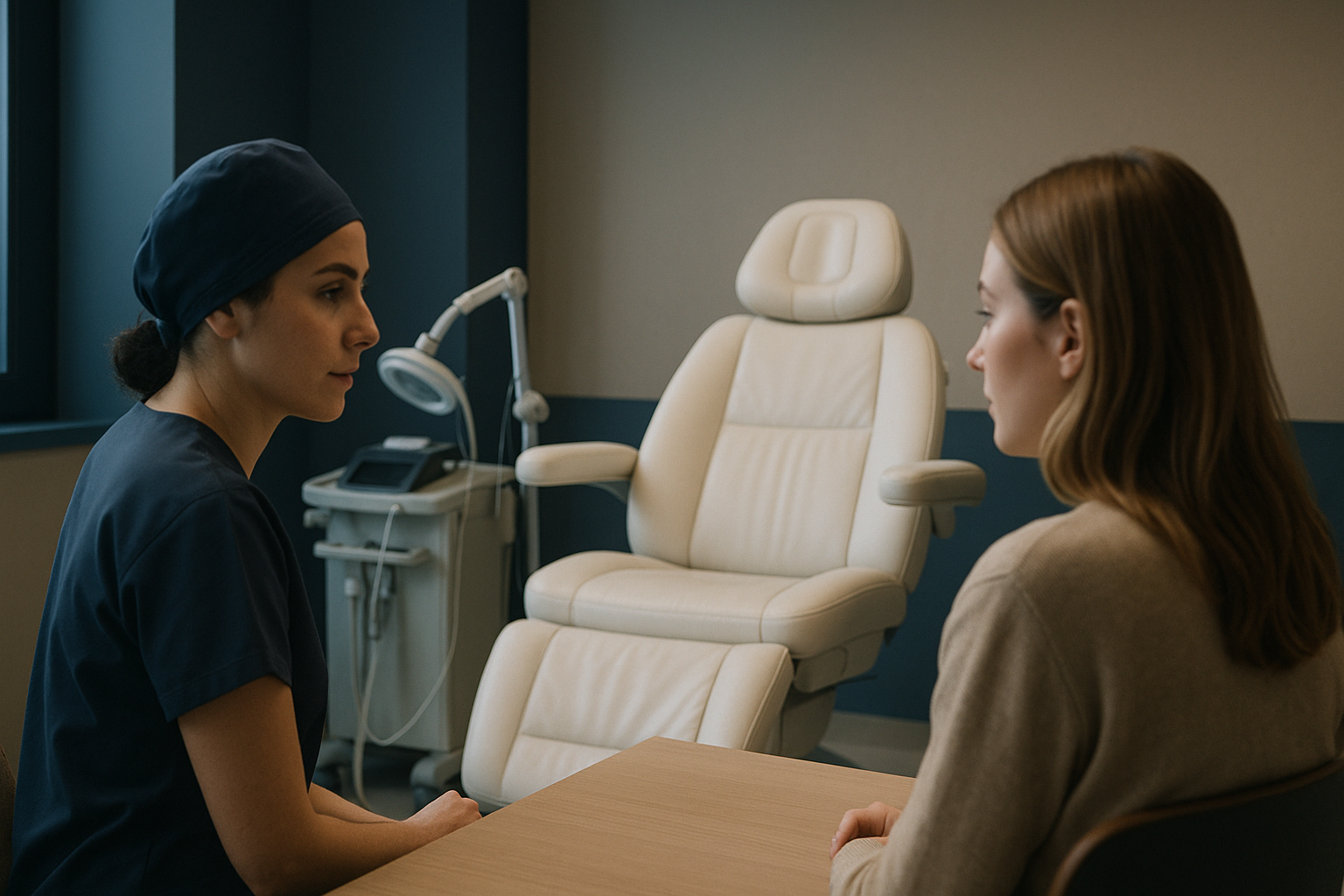
The allure of Turkish hairlines for hair restoration has grown significantly, attracting international patients seeking effective and affordable solutions. This comprehensive guide provides insights into navigating the process, ensuring a successful and stress-free journey to hairline restoration in Turkey.
Why Choose Turkey for Hairline Restoration?
Turkey has become a leading destination for hairline restoration due to its highly skilled surgeons, advanced medical facilities, and competitive pricing. The country is home to a plethora of clinics specializing in hair transplants, employing cutting-edge techniques such as Follicular Unit Extraction (FUE) and Direct Hair Implantation (DHI). These methods are favored for their minimally invasive nature and high success rates, ensuring patients experience less pain and scarring compared to traditional techniques. Moreover, Turkish hairlines are renowned for their natural appearance, which is a testament to the expertise of the surgeons involved.
Another factor contributing to Turkey’s popularity is its strategic location, making it easily accessible for international patients. With major cities like Istanbul serving as global travel hubs, patients can conveniently arrange their travel plans. Furthermore, the Turkish government’s supportive policies towards medical tourism have been pivotal in enhancing the industry’s growth. These policies include streamlined visa processes for medical tourists and the establishment of healthcare zones to ensure high standards of medical care. Additionally, Turkey offers a rich cultural experience, which can be an added benefit for those traveling for medical reasons. Patients can explore historical sites and enjoy local cuisine, making their visit more than just a medical trip.
Patients considering hairline restoration in Turkey should research the credentials and experience of clinics and surgeons, ensuring they choose a facility with a proven track record of successful outcomes. It’s advisable to look into clinics that have international accreditations, such as JCI (Joint Commission International), which indicates adherence to global healthcare standards. Testimonials and before-and-after galleries can provide insights into the quality of work a clinic offers, helping prospective patients make informed decisions. Additionally, engaging in online forums and communities can offer firsthand accounts and recommendations from those who have undergone similar procedures in Turkey.
What Are the Costs Involved?
The hair transplant cost in Turkey is significantly lower compared to Western countries, making it an appealing option for many. On average, the cost ranges between USD 1,500 to USD 3,000, depending on the number of grafts and the chosen clinic. For instance, a procedure requiring 2,000 grafts might sit at the lower end of this range, while more extensive transplants could approach the higher end. This is a stark contrast to countries like the United States or the United Kingdom, where similar procedures can cost upwards of USD 10,000. This affordability is due to lower operational costs in Turkey and a favorable exchange rate, which allows clinics to offer competitive pricing without compromising quality.
While the cost is an important factor, patients should not compromise on quality and safety. It is crucial to verify that the clinic is accredited by international health organizations and that the medical staff are certified professionals. Look for clinics that offer comprehensive packages, which may include accommodation, airport transfers, and post-operative care, providing added value and peace of mind. Such packages can simplify logistics and reduce the overall stress of medical travel. Additionally, some clinics may offer flexible payment plans or financing options to further accommodate international patients.
Patients should also budget for travel and accommodation expenses, as well as potential post-operative care and medication costs. A typical stay in Turkey for hairline restoration might require a budget of around USD 500 to USD 1,000 for flights, depending on the point of origin, and another USD 500 for a week’s stay in a comfortable hotel. Additionally, budgeting for meals, local transport, and potential tourist activities is advisable to ensure a comfortable experience while abroad. Considering travel insurance is also wise, as it can cover unexpected events and provide an additional layer of financial protection.
How Long Does the Process Take?
The hairline restoration process in Turkey typically requires a stay of one to two weeks. The initial consultation and pre-operative assessments are conducted on the first day, followed by the procedure. This preliminary meeting is crucial as it allows the surgeon to evaluate the patient’s scalp, discuss expectations, and plan the most effective approach for the transplant. During this consultation, patients can also address any concerns and understand the recovery timeline, which helps in setting realistic expectations.
The surgical procedure itself can take anywhere from 4 to 8 hours, depending on the complexity and size of the area being treated. For example, a smaller procedure focusing on the frontal hairline may take around 4 to 5 hours, whereas more extensive cases involving the crown can extend to 8 hours. Surgeons often take breaks during the procedure to ensure precision and maintain patient comfort. It is common for clinics to use local anesthesia, which minimizes discomfort while keeping the patient awake, allowing for immediate feedback if necessary.
Post-surgery, patients may need to remain in Turkey for a few days for follow-up appointments and recovery. These follow-ups allow the medical team to monitor the initial healing process and provide necessary aftercare instructions. It is important for patients to adhere to post-operative care instructions to ensure optimal results and to avoid complications. This includes medication adherence, avoiding physical strain, and proper scalp care. Additionally, patients should plan for a gradual return to normal activities, as strenuous exercise and exposure to direct sunlight are typically discouraged during the initial recovery phase.
What Safety Measures Should Be Considered?
Safety is a paramount concern for prospective patients. Selecting a clinic with international accreditation and experienced surgeons is essential. Patients should inquire about the clinic’s infection control measures and the qualifications of the medical team. Accredited clinics often follow stringent protocols to prevent infections, which include sterilization of equipment and maintaining a sterile environment during procedures. Surgeons and medical staff should also be trained in the latest techniques and safety protocols, ensuring a high standard of care throughout the process.
It is advisable to check reviews and testimonials from previous patients to gauge the quality of care provided by the clinic. Platforms like Google Reviews, Trustpilot, and dedicated medical tourism websites can offer insights into patient experiences. Transparency in communication and detailed information about the procedure can further reassure patients of the clinic’s credibility. Clinics that provide a comprehensive overview of the procedure, potential risks, and expected outcomes are more likely to deliver satisfactory results. Furthermore, direct communication with former patients through online forums or social media groups can provide personal insights and tips.
Additionally, patients should ensure they have comprehensive travel insurance that covers medical procedures abroad. This insurance should cover potential complications and unexpected medical expenses, providing financial protection and peace of mind. It’s also wise to understand the policy’s terms regarding pre-existing conditions and coverage limits to avoid unforeseen challenges after the procedure. Patients should also consider the support available in their home country for post-operative care, ensuring they have access to medical advice if needed after returning home.
How to Prepare for Your Trip?
Proper preparation is key to a successful hairline restoration journey. Begin by consulting with your chosen clinic to understand the procedure, potential risks, and the expected recovery period. This consultation can often be conducted via video call, allowing patients to discuss their concerns and receive personalized advice without the need to travel initially. Having a comprehensive understanding of the procedure and recovery timeline helps in mental preparation and setting realistic expectations.
Ensure you have all necessary documentation, including medical history and any required tests. Some clinics may request recent blood tests or a medical clearance from your primary healthcare provider to assess your suitability for surgery. It is also important to arrange for post-operative care and follow-up appointments before traveling. Establishing clear communication channels with the clinic’s support staff can facilitate smooth coordination for these appointments. Patients should also prepare a list of questions to ask the surgeon during the initial consultation, ensuring all concerns are addressed in advance.
Finally, plan your travel itinerary, including flights, accommodation, and transportation within Turkey, to ensure a smooth and stress-free experience. Consider booking accommodations close to the clinic to minimize travel time and stress. Researching local area amenities, such as pharmacies and restaurants, can also enhance comfort during your stay. Utilizing travel apps can help manage logistics, making transitions between the clinic, hotel, and airport seamless. Familiarizing yourself with local customs and basic Turkish phrases can also enhance your experience and ease communication with local service providers.
What Are the Expected Outcomes?
The primary goal of hairline restoration is to achieve a natural-looking hairline that complements the patient’s facial features. Most patients report satisfactory results, with noticeable improvements in hair density and appearance. The transplanted hair typically begins to grow after a few months, with full results visible around 9 to 12 months post-procedure, as the hair goes through its natural growth cycles. Patients should be aware that the initial weeks may involve some shedding of transplanted hair, which is a normal part of the healing process.
It is important to have realistic expectations and understand that full results may take several months to become apparent. Patients should be aware that initial shedding of transplanted hair is normal and part of the process. The new hair will grow back thicker and stronger, contributing to a rejuvenated appearance. Consistent follow-ups with the surgeon can help track progress and address any concerns that arise during the recovery phase. The surgeon can also provide personalized advice on hair care routines to optimize the health and appearance of the new hair.
Patients should follow their surgeon’s advice on hair care and maintenance to preserve the longevity of the results. This includes using recommended shampoos, avoiding harsh chemical treatments, and protecting the scalp from excessive sun exposure. Adhering to these guidelines not only maintains the health of the new hair but also prevents unnecessary damage, ensuring the results are long-lasting. Additionally, understanding the natural progression of hair growth can help manage expectations and reduce anxiety during the recovery period.
Conclusion
Hairline restoration in Turkey offers a viable solution for those seeking affordable and effective hair transplants. By carefully selecting a reputable clinic and preparing thoroughly, patients can achieve successful outcomes and a renewed sense of confidence. The combination of experienced medical professionals, state-of-the-art facilities, and competitive pricing makes Turkey a preferred choice for individuals worldwide seeking to restore their hairlines and improve their appearance. As the popularity of Turkish hairlines continues to rise, more patients are discovering the benefits of this accessible and high-quality option for hair restoration.
Proven result
20 to 200 hair-transplant patients a month from Australia
Aesthetic surgery group
Frequently asked questions
What is the average cost of hairline restoration in Turkey?
The average cost of hairline restoration in Turkey ranges from USD 1,500 to USD 3,000, depending on the clinic and number of grafts.
How long should I plan to stay in Turkey for the procedure?
Patients should plan for a stay of one to two weeks to accommodate the procedure and follow-up appointments.
Are hair transplants in Turkey safe?
Hair transplants in Turkey are generally safe when performed by accredited clinics with experienced surgeons. It is essential to verify the clinic’s credentials.
What should I do to prepare for hairline restoration?
Consult with your chosen clinic, arrange necessary documentation, plan post-operative care, and organise travel and accommodation logistics.
When will I see the final results of my hair transplant?
Final results may take several months to become visible as the transplanted hair goes through natural growth cycles.
Related guides
Turkey Hospitals vs Local Hospitals Compared
A lower procedure quote can get a patient’s attention. It should not make the decision on its own.…

Patient Experience That Drives Trust and Growth
A patient who has already uploaded medical records, compared providers, and arranged time away from work is not…

What Is a Medical Travel Facilitator and Why Use One?
A lower treatment quote can look compelling until you try to compare what it actually includes: surgeon fees,…