
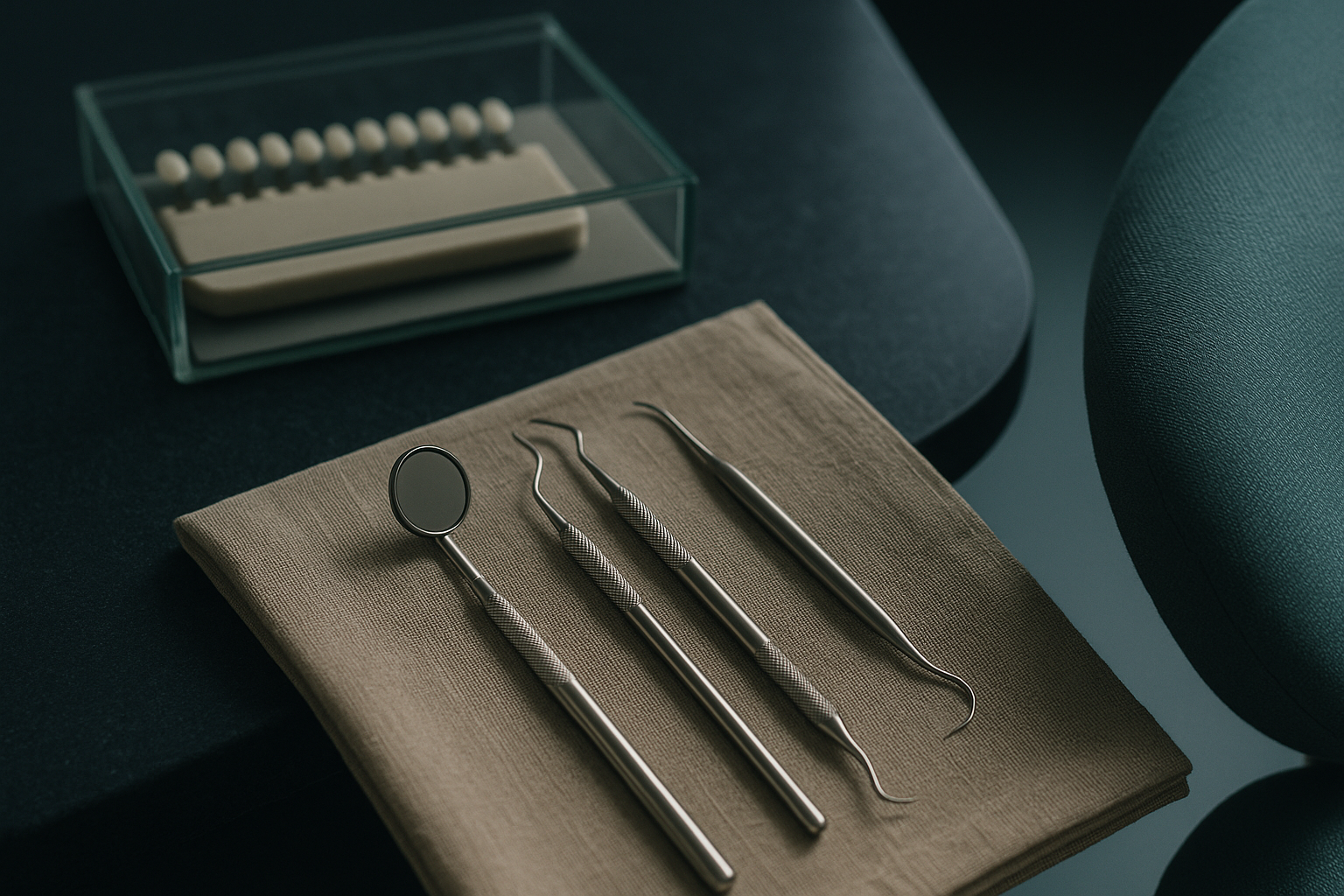
Veneer teeth have become a popular solution for those seeking to enhance their smile. These thin shells of porcelain or composite resin are designed to cover the front surface of teeth, offering a more aesthetically pleasing appearance. This article delves into the benefits, costs, and essential considerations for prospective international patients considering veneers.
What Are Veneers for Teeth?
Veneers are custom-made shells crafted to fit over the surface of your teeth. Typically made from porcelain or composite resin, they aim to improve the appearance of stained, chipped, or uneven teeth. Porcelain veneers are known for their natural look and resistance to stains, while composite veneers offer a more affordable solution and can be applied in a single visit. To decide between porcelain and composite, consider factors such as desired longevity, aesthetic goals, and budget. Porcelain veneers, while more expensive, mimic the light-reflecting properties of natural teeth more closely, thus offering a superior aesthetic.
The process of getting veneers involves an initial consultation, during which a dentist will assess your suitability for the procedure. This consultation is crucial, as it involves not just a visual examination but also X-rays and impressions of your teeth to ensure the veneers will be a perfect fit. This step helps to identify any underlying issues that might need addressing before veneer application. Generally, the process requires multiple visits, especially if opting for porcelain veneers, which are manufactured in a dental lab. Composite veneers, on the other hand, are often molded directly onto your teeth in a single appointment.
The choice between the two types often depends on the patient’s specific dental needs and lifestyle. For instance, individuals who frequently consume foods and beverages that stain—such as coffee, red wine, or berries—might prefer porcelain veneers for their superior stain resistance. However, those looking for a quicker and less costly solution might opt for composite veneers, with the understanding that they may require more frequent maintenance and eventual replacement.
How Much Do Veneers Cost?
The cost of veneers can vary significantly depending on factors such as material, location, and the dentist’s expertise. On average, porcelain veneers can range from $800 to $2,500 per tooth, while composite veneers generally cost between $250 and $1,500 per tooth. It’s important to note that these figures are estimates and can fluctuate based on geographic location and clinic reputation. For example, dental procedures in urban centers or areas with a high cost of living tend to be more expensive than in rural locations. Furthermore, the reputation and experience of the dentist also play a crucial role in pricing; highly renowned practitioners may charge premium rates for their services.
For those considering a full set of veneers, the total cost will depend on the number of teeth being treated. Typically, a full set can range from $10,000 to $40,000. Many clinics offer payment plans or financing options to help manage these costs. Patients should inquire about such options during their initial consultation to plan financially for the procedure. Additionally, some dental insurance plans might cover part of the cost if the veneers are deemed medically necessary rather than purely cosmetic.
It’s also worth considering the potential need for future repairs or replacements, which is another financial aspect to keep in mind. Porcelain veneers, while more durable, can still chip or crack under pressure, leading to repair costs. Composite veneers, though initially cheaper, may require more frequent replacements, adding to the long-term cost. Therefore, when budgeting for veneers, it is wise to consider both the immediate expenses and the potential long-term financial commitment.
What Are the Benefits of Veneers?
Veneers offer several benefits that make them an attractive option for many patients. Firstly, they provide an immediate improvement in the appearance of teeth, boosting confidence and self-esteem. This can be particularly beneficial for individuals whose professional or social lives depend on their appearance, such as actors, models, or public speakers. The psychological impact of a brighter, more uniform smile can be profound, often leading to enhanced personal and professional opportunities.
Veneers also offer durability and can last between 10 to 15 years with proper care. This longevity makes them a worthwhile investment for those looking to maintain a consistent aesthetic result over time. Additionally, veneers resist stains better than natural teeth, maintaining their appearance over time. This stain resistance is a significant advantage for individuals who enjoy coffee, tea, or other staining substances, allowing them to indulge without compromising their smile.
Another benefit is the minimal removal of tooth enamel compared to other dental procedures, preserving the natural structure of your teeth. This aspect is particularly important for patients concerned about maintaining their dental health over the long term. Furthermore, veneers can address multiple dental issues simultaneously, such as discoloration, worn-down teeth, chips, and gaps. This versatility allows patients to achieve comprehensive improvements in their dental aesthetics with a single procedure, making veneers a cost-effective and efficient option for smile enhancement.
Are Veneers Safe?
Veneers are considered a safe and routine dental procedure. However, like any medical treatment, they come with potential risks and considerations. It is crucial to choose a qualified and experienced dental professional to minimize risks such as tooth sensitivity or damage. During the veneer process, a small amount of enamel is removed, which can increase tooth sensitivity, especially to hot and cold temperatures. This is generally temporary, but for some patients, it may persist longer.
Regular follow-up appointments are recommended to ensure the veneers remain in good condition. These check-ups allow the dentist to monitor the health of the veneers and the underlying teeth, providing an opportunity to address any emerging issues promptly. Patients should also maintain good oral hygiene and avoid habits that may damage the veneers, such as biting hard objects or grinding teeth. For those who grind their teeth, a custom night guard may be recommended to protect the veneers from damage during sleep.
With proper care, veneers can be a long-lasting solution to enhance your smile. It’s important to understand that while veneers are durable, they are not indestructible. Careful attention to oral hygiene, coupled with regular dental visits, can help ensure the longevity and aesthetic appeal of your veneers. Furthermore, discussing all potential risks and safeguards with your dentist before undergoing the procedure can help alleviate concerns and prepare you for a successful veneer experience.
How Long Does the Veneer Process Take?
The veneer process typically spans over a few weeks and involves several appointments. The initial consultation includes an evaluation and discussion of your goals. This is an opportunity for the patient to express any aesthetic desires and for the dentist to set realistic expectations. If veneers are deemed suitable, the dentist will prepare your teeth by removing a small amount of enamel to accommodate the veneers. This step is crucial for ensuring that the veneers sit flush with the rest of the teeth and look natural.
Impressions of your teeth are then taken and sent to a lab to manufacture the veneers, which usually takes 1-2 weeks. During this period, temporary veneers may be placed to protect the teeth. These temporary veneers provide a preview of the final result, allowing patients to adjust to the feel and look of veneers before the permanent ones are fitted. Once ready, the permanent veneers are bonded to your teeth in a final appointment. This bonding process involves using a special adhesive and curing light to ensure a strong, durable attachment.
The total time from consultation to final fitting can vary based on the complexity of the case and the type of veneers chosen. Porcelain veneers require more time due to their lab fabrication, whereas composite veneers can often be completed in a single day. Despite the time commitment, the results are typically well worth the wait, offering a dramatic improvement in the appearance of a patient’s smile.
What Should You Consider Before Getting Veneers?
Before deciding on veneers, consider the long-term commitment and potential need for replacement after a decade or more. Discussing your expectations and any concerns with your dentist is essential to achieve the desired outcome. It’s also important to understand the irreversible nature of the procedure due to enamel removal. Once the enamel is removed, the tooth will always require some form of covering, whether it be veneers or crowns, due to the reduced protection.
Furthermore, potential candidates should ensure they have good oral health, as any underlying dental issues need to be addressed before veneers can be applied. Conditions such as gum disease or tooth decay must be treated prior to the veneer process to ensure a healthy foundation. Understanding the cost implications and exploring various financing options will help in planning the procedure effectively. Patients should inquire about insurance coverage, potential discounts, and payment plans during their initial consultation.
Another consideration is lifestyle. For example, individuals who regularly engage in activities that could damage teeth, such as contact sports, may need to take additional precautions, like wearing a mouthguard. Additionally, those with habits like nail-biting or chewing ice may need to modify these behaviors to protect their veneers. Ultimately, a candid discussion with your dentist about your dental history, habits, and expectations will be crucial in determining if veneers are the right choice for you.
How to Care for Veneers Post-Procedure?
Proper care is vital to extend the lifespan of veneers. Regular brushing and flossing help maintain oral hygiene and prevent decay around the veneers. Using non-abrasive toothpaste is recommended to avoid scratching the surface. A soft-bristled toothbrush is also advisable to prevent any damage to the veneer surface while ensuring thorough cleaning.
Patients should also avoid using teeth as tools to open packages or biting into very hard foods, as these actions can damage the veneers. Specific foods to be cautious of include hard candies, nuts, and even some raw vegetables. Additionally, habits like chewing ice or biting fingernails should be avoided to prevent chipping or cracking the veneers. Regular dental check-ups will ensure any potential issues are identified early and managed appropriately.
In addition to routine care, patients may consider professional cleaning sessions every six months to keep their veneers and natural teeth in optimal condition. Dentists can also provide specific advice tailored to the patient’s lifestyle and veneer type, ensuring personalized care strategies. By adhering to these guidelines, patients can maximize the lifespan of their veneers, maintaining a beautiful smile for years to come.
Conclusion
Veneer teeth offer a transformative solution for individuals looking to enhance their dental aesthetics. While the procedure involves a financial and time commitment, the benefits of improved appearance and confidence are significant. Prospective patients should conduct thorough research, consult with experienced professionals, and consider their long-term dental health before proceeding with veneers. Understanding the procedure, costs, and post-care requirements can help ensure that the results meet your expectations and that your investment in your smile is well-protected.
Proven result
20 to 200 hair-transplant patients a month from Australia
Aesthetic surgery group
Frequently asked questions
How much do veneers cost?
Veneers typically cost between $250 and $2,500 per tooth, depending on material and location.
Are veneers painful to get?
The procedure is generally not painful, as local anaesthesia is used during tooth preparation.
How long do veneers last?
With proper care, veneers can last between 10 and 15 years.
Can veneers be removed?
Veneers are permanent as they require enamel removal, making the process irreversible.
Do veneers require special care?
Veneers require regular brushing and flossing, along with avoiding hard foods that could damage them.
Related guides

What Is a Medical Travel Facilitator and Why Use One?
A lower treatment quote can look compelling until you try to compare what it actually includes: surgeon fees,…

What Hospital Accreditation Reviews Really Tell You
A hospital can have polished facilities, prominent surgeons, and hundreds of five-star ratings, yet those signals do not…

International Patient Onboarding Guide for Hospitals
An international patient inquiry is not simply a lead. It is a person weighing a major medical decision…