
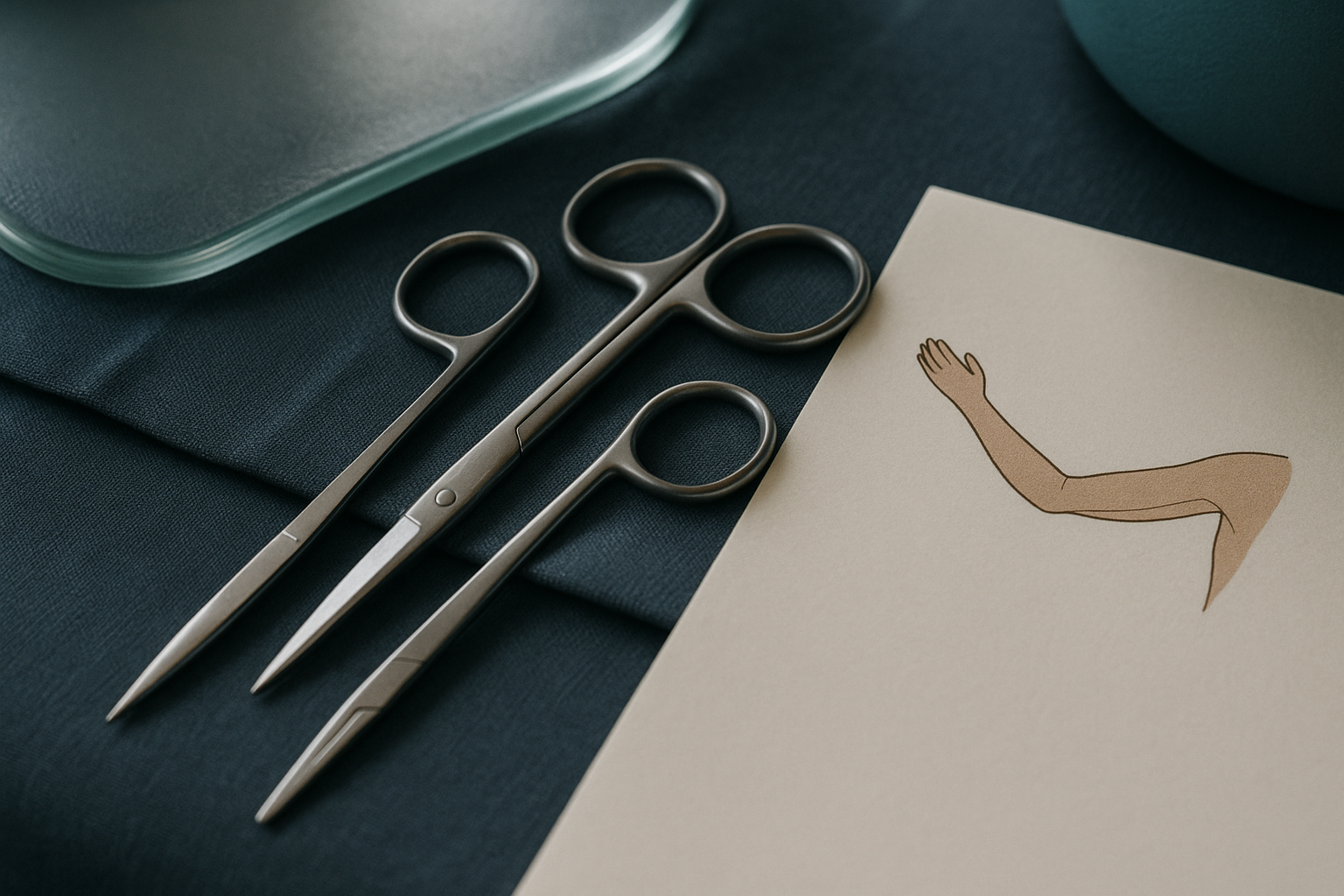
Brachioplasty, commonly known as an arm lift, is a cosmetic surgical procedure aimed at reshaping the upper arms by removing excess skin and fat. This procedure is particularly beneficial for individuals who have experienced significant weight loss or have sagging skin due to ageing. Understanding the intricacies of brachioplasty can help prospective patients make informed decisions about their healthcare journey.
What Is a Brachioplasty?
Brachioplasty, often referred to as an arm lift, involves the surgical removal of excess skin and fat from the upper arms. The procedure is designed to improve the arm’s contour, resulting in a more toned and youthful appearance. Candidates for brachioplasty typically include those who have lost significant weight or have sagging skin due to ageing. Generally, the surgery begins with marking the areas for incision to ensure precision in skin removal and contouring.
The surgery involves making an incision, typically from the armpit to the elbow, through which the surgeon removes excess tissue and tightens the underlying supportive tissue. The result is a smoother and more defined arm contour. This incision placement is carefully planned to minimize visible scarring. The procedure is usually performed under general anesthesia and can take anywhere from one to three hours, depending on the extent of the work needed.
Brachioplasty can be performed alone or in conjunction with other cosmetic procedures such as liposuction. Liposuction might be particularly useful if there is a significant amount of fat to be removed in addition to the skin. By combining procedures, patients can achieve more comprehensive aesthetic results, although this can also affect recovery time and costs. The choice to combine procedures should be discussed thoroughly with a skilled surgeon who can advise on the best approach tailored to individual needs.
Who Can Benefit from Brachioplasty?
Individuals who have experienced significant weight loss or have naturally sagging skin due to ageing are prime candidates for brachioplasty. This procedure is ideal for those who find that diet and exercise alone cannot address the loss of skin elasticity. Candidates should be in good general health, without medical conditions that could impair healing. It is essential that candidates are non-smokers, as smoking can interfere with the healing process and increase the risk of complications.
Moreover, candidates should have a stable weight, ideally maintained for at least six months prior to surgery. Fluctuations in weight can affect the results of the surgery, making it less effective or necessitating further procedures. Therefore, commitment to maintaining a healthy lifestyle post-surgery is critical. Prospective patients should also have realistic expectations about the outcomes, understanding that while brachioplasty can enhance appearance and self-esteem, it won’t create perfection.
Brachioplasty can significantly enhance self-esteem and confidence by improving the arm’s appearance. However, it is crucial for prospective patients to have a thorough consultation with a qualified surgeon to discuss potential risks and benefits. During this consultation, patients can learn about the specific techniques that will be used, view before-and-after photos of previous patients, and discuss any concerns they may have. This dialogue is an opportunity to align expectations and ensure that the procedure is the right step towards achieving personal aesthetic goals.
What Are the Costs of a Brachioplasty?
The costs of brachioplasty can vary significantly depending on factors such as the surgeon’s expertise, the location of the surgery, and the complexity of the procedure. On average, the cost can range from £3,000 to £7,000, excluding additional expenses like anaesthesia, surgical facility fees, and post-operative care. A highly experienced surgeon with a track record of successful outcomes might charge more, but this can also reflect a higher level of safety and satisfaction.
It is important for patients to consider all associated costs when planning for brachioplasty. These can include pre-operative appointments, post-operative care, and potential costs for recovery aids such as compression garments. Some clinics offer financing options or payment plans to make the procedure more accessible. Such arrangements can help patients manage the financial aspect over a period, alleviating upfront payment burdens.
Prospective patients should also verify if their health insurance covers any part of the procedure, although cosmetic surgeries are often not covered. It’s worthwhile to check if any part of the surgery is deemed medically necessary, such as correcting issues that affect physical health, which might influence coverage. Patients are advised to get a detailed quote from their chosen clinic and discuss all potential costs during their initial consultation to avoid any unexpected financial surprises.
What Is the Recovery Process Like?
Recovery from brachioplasty varies among individuals, but most patients can expect to return to normal activities within two to three weeks. The initial recovery phase involves managing swelling and bruising, which is a natural response to surgery. Patients are typically provided with medications to help control pain and reduce swelling. Elevating the arms and applying cold compresses can also assist in minimizing these symptoms.
Patients are advised to refrain from strenuous activities and heavy lifting for at least six weeks. This restriction is crucial as it allows the incisions to heal properly without undue stress, which could otherwise lead to complications such as wound separation or increased scarring. Wearing compression garments can help reduce swelling and support the healing process by maintaining new arm contours.
Regular follow-up appointments with the surgeon are crucial to monitor recovery and address any concerns. These visits provide an opportunity to assess the healing progress and ensure that the incisions are healing well. During these appointments, the surgeon can also advise on when it’s safe to resume different levels of activity. Adhering to the surgeon’s post-operative care instructions is key to achieving the best possible outcomes and minimizing risks of complications.
How to Ensure Safety During Brachioplasty?
Ensuring safety during brachioplasty involves selecting a qualified and experienced surgeon. Prospective patients should verify the surgeon’s credentials, such as board certification in plastic surgery, and discuss their experience with similar procedures. It is also essential to have a comprehensive pre-operative consultation to discuss medical history, expectations, and potential risks. This includes disclosing any medications or supplements being taken, which could affect surgery or recovery.
Accreditation of the surgical facility is another critical factor in ensuring safety. Patients should confirm that the facility is certified by recognized health authorities, which ensures adherence to high standards of safety and care. Facilities with proper accreditation are more likely to have stringent protocols in place for emergencies, infection control, and patient care.
Following the surgeon’s pre- and post-operative instructions diligently can further enhance safety and optimize outcomes. Pre-operative instructions may include guidelines on eating, drinking, and medications to avoid before surgery. Post-operative care might involve specific wound care techniques and activity restrictions. Educating oneself about the procedure and maintaining open communication with the healthcare team are essential steps in ensuring a safe experience and successful results.
What Are the Alternatives to Brachioplasty?
For individuals seeking non-surgical alternatives, options such as targeted exercise and skin-tightening treatments like radiofrequency or laser therapy may be considered. These alternatives aim to tone the arms and improve skin elasticity but may not provide the same dramatic results as brachioplasty. For instance, exercises focusing on the triceps can help build muscle tone but cannot eliminate excess skin.
Skin-tightening treatments use energy-based technologies to stimulate collagen production, which can enhance skin firmness. While these methods are less invasive and involve minimal downtime, they are generally best suited for individuals with mild to moderate skin laxity. The results are often subtle and require multiple sessions to achieve noticeable improvements.
Consulting with a cosmetic surgeon can help determine the most suitable option based on individual goals and conditions. It is important to weigh the pros and cons of each method and set realistic expectations for outcomes. Non-surgical options might be preferable for those not ready for surgery or looking to maintain results post-brachioplasty, but they come with their own set of limitations and benefits that should be thoroughly evaluated.
Comparing Brachioplasty with Other Cosmetic Procedures
When considering cosmetic procedures, understanding the differences between brachioplasty and other options is crucial. A common comparison is between a brachioplasty and a full body lift, which addresses sagging skin in multiple areas. While brachioplasty targets the upper arms specifically, a full body lift is a more extensive procedure that can include the abdomen, thighs, and buttocks, offering a comprehensive transformation for those with significant skin laxity.
| Procedure | Focus Area | Recovery Time |
|---|---|---|
| Brachioplasty | Upper arms | 2-3 weeks |
| Full Body Lift | Multiple areas | 4-6 weeks |
While a full body lift offers comprehensive body contouring, brachioplasty provides targeted results for the arms. The choice between procedures should be made based on specific aesthetic goals and medical advice. Factors such as individual health status, recovery time, and financial considerations play a significant role in this decision-making process. A detailed consultation with a board-certified plastic surgeon will help clarify the best approach based on personal needs and the desired outcome.
Conclusion
Brachioplasty offers a viable solution for those looking to improve the appearance of their upper arms. Understanding the procedure, costs, recovery, and safety measures is essential for making an informed decision. With proper planning and consultation, brachioplasty can significantly enhance confidence and quality of life for suitable candidates. Patients are encouraged to thoroughly research and engage in open discussions with their healthcare providers to ensure a satisfactory experience and outcome.
Proven result
20 to 200 hair-transplant patients a month from Australia
Aesthetic surgery group
Frequently asked questions
What is a mommy makeover in Turkey?
A mommy makeover in Turkey typically includes a combination of cosmetic procedures such as breast augmentation, tummy tuck, and liposuction, aimed at restoring a woman’s pre-pregnancy body.
What is a mommy makeover Turkey?
In Turkey, a mommy makeover may involve procedures like breast lift, tummy tuck, and liposuction, offered at competitive prices due to lower operational costs.
How long does brachioplasty recovery take?
Recovery from brachioplasty generally takes about two to three weeks, with most patients resuming normal activities during this period.
Are there non-surgical alternatives to brachioplasty?
Yes, non-surgical alternatives such as radiofrequency or laser treatments can improve arm tone but may not achieve the same results as surgery.
Related guides
Estimating Gynecomastia Surgery Costs: A Patient’s Guide
Quick answerThe cost of gyno removal surgery, or gynecomastia surgery, varies widely by country, with Turkey offering competitive…
An Overview of Arm Plastic Surgery Options
Quick answerIn Turkey, the cost of an arm lift surgery typically ranges from $2,500 to $4,000, depending on…
Understanding Brachioplasty Arm Lifts: Benefits and Risks
Quick answerA brachioplasty arm lift can improve arm appearance by removing excess skin and fat. It involves careful…