
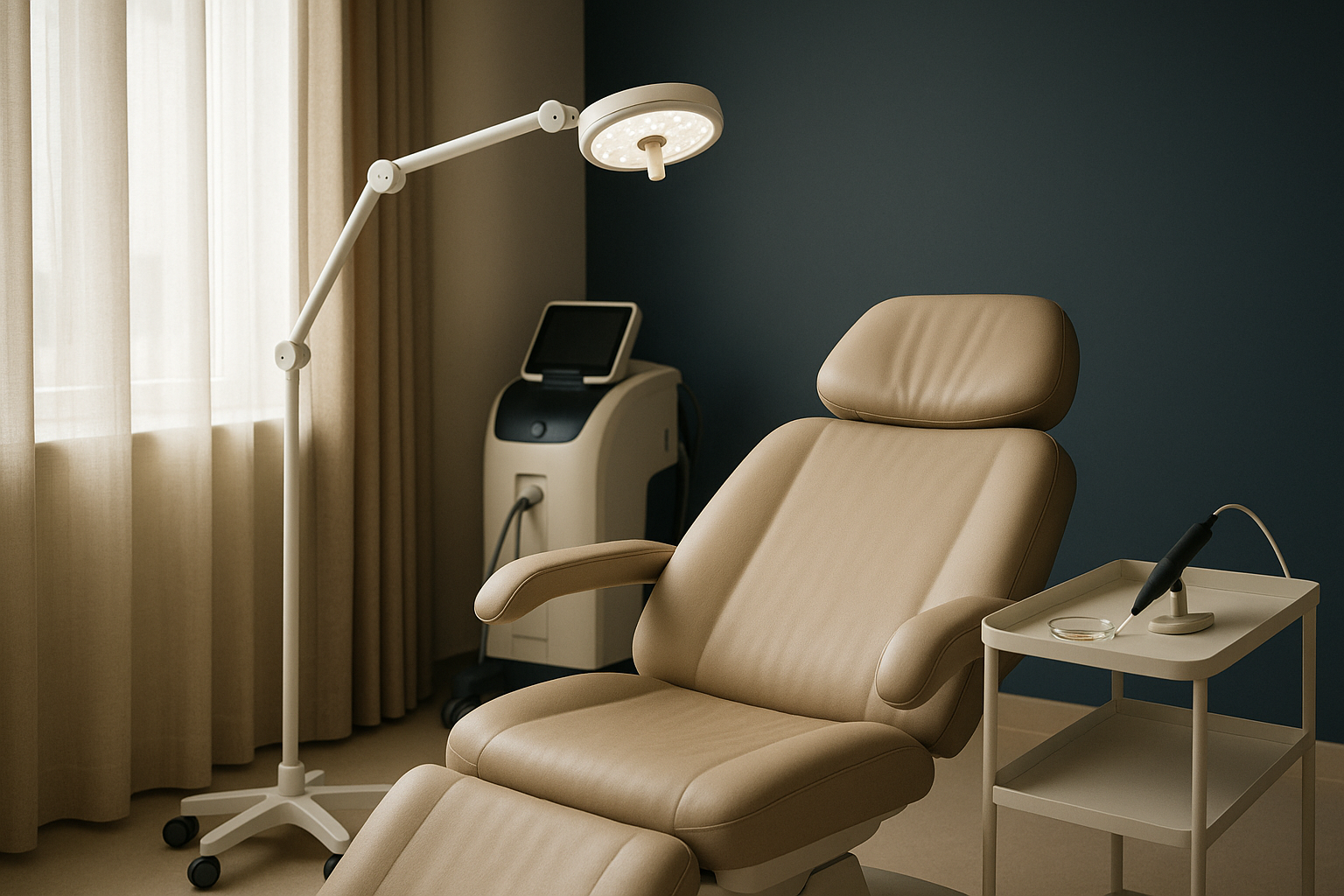
Direct Hair Implantation (DHI) hair transplant is a modern technique designed to enhance hair restoration outcomes. This method is known for its precision and minimally invasive nature, allowing for a quicker recovery. Understanding what is DHI hair transplant is crucial for prospective international patients considering treatment abroad.
What is DHI Hair Transplant?
DHI hair transplant, or Direct Hair Implantation, is a revolutionary hair restoration technique that promises natural-looking results with minimal downtime. The procedure involves the direct implantation of hair follicles into the recipient area without the need for prior channel creation, setting it apart from traditional methods. This is achieved using a specialized tool known as the Choi pen, which allows for precise placement of each follicle, controlling the depth, angle, and direction of the implantation.
This method is particularly beneficial for patients with varying types of hair loss, including androgenetic alopecia or pattern baldness. The precision of the DHI technique minimizes damage to existing hair in the surrounding area, making it suitable for patients seeking a high-density outcome. In terms of procedure, after local anesthesia, hair follicles are extracted from the donor site, usually the back of the head, due to its resistance to balding.
Each follicle is then carefully implanted into the scalp, ensuring that the natural hairline is maintained and a seamless blend with existing hair is achieved. This meticulous process can lead to high satisfaction rates, as patients often find the results indistinguishable from their natural hair. The minimally invasive nature of DHI also means a reduced risk of scarring and a faster recovery time, making it a preferred choice for many individuals seeking effective hair restoration solutions.
How Does the DHI Hair Transplant Method Work?
The DHI hair transplant method is structured around a series of carefully orchestrated steps to ensure optimal outcomes. The journey begins with a thorough consultation where a specialist evaluates the patient’s hair health, density, and the extent of hair loss. This assessment helps in determining the number of grafts required and the feasibility of the transplant. Once the patient is deemed a suitable candidate, the procedure is scheduled.
During the procedure, hair follicles are extracted from the donor area using a micro motor, which is a highly precise tool that minimizes trauma to the scalp. This step requires significant expertise, as the extraction must preserve the integrity of each follicle to ensure successful implantation. The extracted follicles are then loaded into a DHI implanter pen, which is pivotal for the next phase of the procedure.
The DHI implanter pen allows for the direct implantation of follicles into the recipient area. This tool grants the surgeon the ability to control the depth, angle, and direction of each implanted follicle, ensuring that the new hair growth mimics the natural hair pattern. This level of precision is crucial in achieving a result that looks natural and blends seamlessly with existing hair. The absence of channel creation means less bleeding and faster healing, providing patients with a more comfortable post-operative experience.
- Extraction: Hair follicles are meticulously removed from the donor area using a micro motor.
- Implantation: Follicles are implanted using a DHI implanter pen, allowing for precise placement without channel creation.
- Recovery: Thanks to its minimally invasive nature, DHI offers a quicker recovery time, with many patients resuming normal activities within a short period.
What is Robotic DHI Hair Transplant?
Robotic DHI hair transplant is an innovative extension of the traditional DHI method, integrating state-of-the-art robotic technology to enhance precision and consistency. This advancement leverages artificial intelligence and robotics to assist surgeons in both the extraction and implantation stages of the procedure, reducing the margin for human error and improving overall efficiency.
The robotic system is equipped with sophisticated algorithms that analyze the scalp to identify the healthiest hair follicles for extraction. This ensures that only the best quality grafts are selected, which is crucial for achieving optimal results. Additionally, the system determines the most suitable sites for implantation, taking into account factors such as natural hair growth direction and density.
While robotic DHI is still not widespread, it represents a significant leap forward in hair restoration technology. The automation it offers can lead to a more consistent and accurate procedure, potentially increasing the success rate of transplants. For patients, this means higher satisfaction rates and more reliable outcomes. Clinics offering robotic DHI are typically at the forefront of innovation, providing cutting-edge solutions for hair loss.
Costs and Timelines for DHI Hair Transplant
The cost of a DHI hair transplant can vary widely based on several key factors, including the number of grafts needed, the clinic’s geographical location, and the expertise of the medical team involved. On average, patients can expect the procedure to cost anywhere between £2,000 and £10,000. This range reflects the complexity of the transplant, the quality of service provided, and the technology used.
Timelines for a DHI hair transplant are generally favorable compared to other methods. The preliminary consultation and planning phase may take anywhere from one to two weeks, during which the patient discusses their goals with the surgeon and undergoes necessary health evaluations. The actual transplant procedure is typically completed within a single day, though it can span several hours depending on the number of grafts.
Recovery from a DHI transplant is usually swift, with most patients able to return to their daily routines within five to seven days. This is significantly faster than recovery times associated with older methods, thanks to the minimally invasive nature of the DHI technique. Patients are advised to follow post-operative care instructions closely to ensure the best possible outcome and to avoid complications.
- Consultation: 1-2 weeks for thorough planning and assessment.
- Procedure: Typically completed in one day, over several hours.
- Recovery: 5-7 days, with guidance on post-operative care.
Safety and Accreditation in DHI Hair Transplants
Ensuring safety and accreditation is of utmost importance when considering a DHI hair transplant. Patients should prioritize clinics that are accredited by reputable medical organizations, as this accreditation indicates adherence to international healthcare standards. Accredited clinics are more likely to employ highly qualified and experienced surgeons who can perform the procedure safely and effectively.
Patients should also research the clinic’s track record, looking for consistent positive outcomes and patient testimonials. A clinic with a history of successful procedures is likely to offer a high standard of care. Additionally, prospective patients should inquire about the surgeon’s credentials, including their experience with the DHI method and any relevant certifications.
The minimally invasive nature of the DHI procedure enhances patient safety by reducing the risk of infection and other complications. Nevertheless, patients should ensure that the clinic follows stringent hygiene protocols and uses state-of-the-art equipment. By choosing a well-accredited clinic and an experienced medical team, patients can significantly reduce the risks associated with hair transplant surgeries and achieve satisfying results.
Choosing the Right Clinic for Your DHI Hair Transplant
Selecting the right clinic for a DHI hair transplant is a critical step that requires careful consideration of several factors. Prospective patients should start by evaluating the clinic’s reputation, which can often be gauged through patient reviews, testimonials, and case studies. A clinic with a strong track record of successful procedures is likely to provide a high level of service and care.
The experience and expertise of the surgeon are equally important. Patients should seek practitioners who specialize in DHI and have a history of performing the procedure with successful outcomes. It is advisable to schedule a consultation where the surgeon can explain the procedure in detail, discuss expected results, and address any concerns or questions the patient may have.
International patients should consider clinics that offer comprehensive services, including assistance with travel arrangements and post-operative support. This can include airport pickups, accommodation, and follow-up care, ensuring a seamless experience. Transparency in communication is vital, and patients should feel comfortable discussing all aspects of the procedure, including costs, potential risks, and post-operative care plans.
Conclusion: Is DHI Hair Transplant Right for You?
DHI hair transplant offers a promising solution for individuals seeking effective hair restoration. Its minimally invasive technique and precision make it an attractive option for many. However, determining if DHI is the right choice for you involves a thorough assessment by a qualified specialist. This assessment will consider your hair type, the extent of hair loss, and your overall health.
Understanding the costs, timelines, and safety considerations will empower you to make an informed decision about pursuing a DHI hair transplant. With the right information and guidance, you can achieve the hair restoration results you desire. Patients should also consider their long-term goals and expectations, ensuring that they align with what the procedure can realistically offer.
Ultimately, the decision to undergo a DHI hair transplant should be made after careful consideration and consultation with experienced professionals. By doing so, you can ensure that the procedure is tailored to your needs and that you are well-prepared for the journey to restored hair and confidence.
Proven result
20 to 200 hair-transplant patients a month from Australia
Aesthetic surgery group
Frequently asked questions
What is DHI hair transplant?
DHI hair transplant is a modern technique where hair follicles are directly implanted into the scalp using a specialised pen, ensuring precise placement.
How does the DHI method differ from other hair transplants?
The DHI method eliminates the need for channel creation before implantation, using a pen-like tool for direct follicle placement, enhancing precision and recovery.
Is robotic DHI hair transplant available everywhere?
Robotic DHI is not universally available but represents an advanced option where implemented, offering improved precision and outcomes.
What are the typical costs of a DHI hair transplant?
Costs range from £2,000 to £10,000, varying by location, clinic reputation, and the number of grafts required.
How long does recovery take after a DHI hair transplant?
Recovery is typically swift, with most patients resuming normal activities within 5-7 days post-procedure.
Related guides

What Is a Medical Travel Facilitator and Why Use One?
A lower treatment quote can look compelling until you try to compare what it actually includes: surgeon fees,…

What Hospital Accreditation Reviews Really Tell You
A hospital can have polished facilities, prominent surgeons, and hundreds of five-star ratings, yet those signals do not…

International Patient Onboarding Guide for Hospitals
An international patient inquiry is not simply a lead. It is a person weighing a major medical decision…