
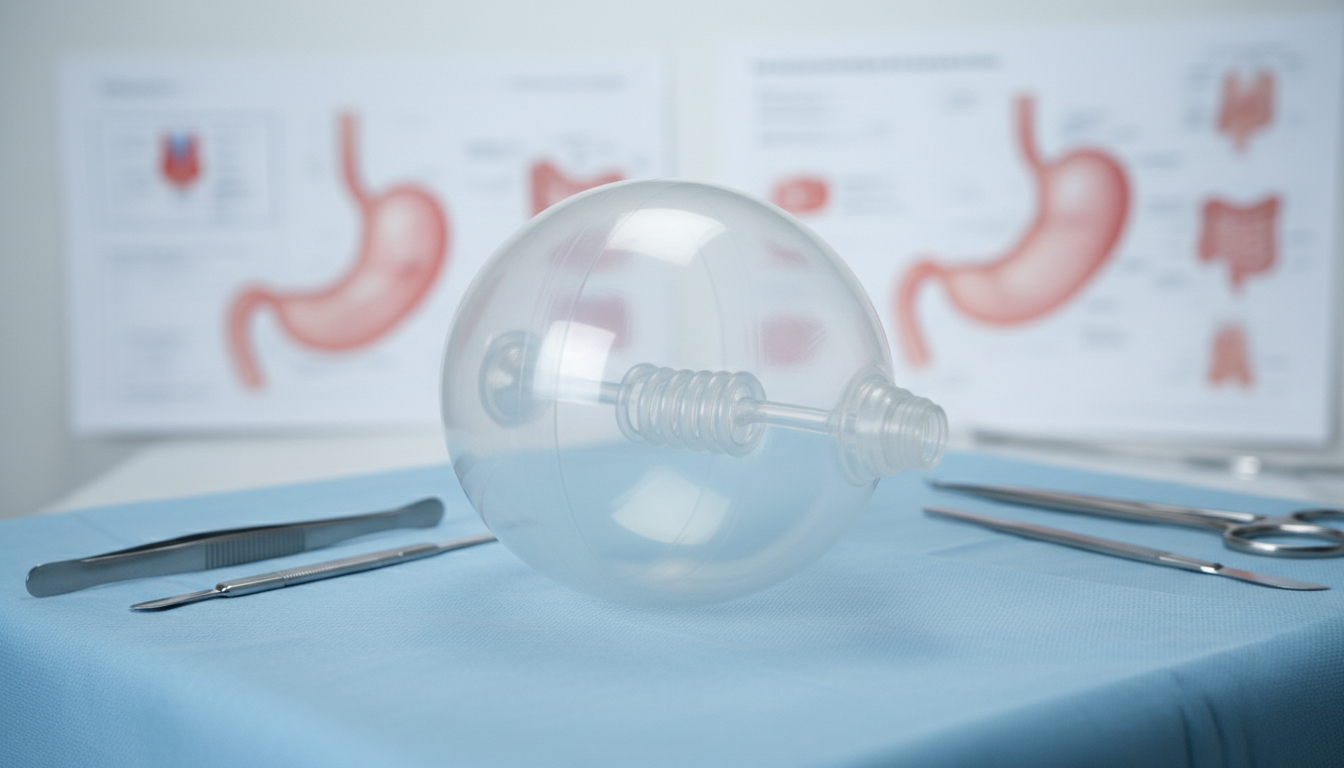
Curious how a quick, non-surgical step can jumpstart meaningful weight loss?
This balloon procedure offers a low-impact option for adults who want results without invasive surgery. The device is placed endoscopically in about 20 minutes with no incisions. Most patients go home the same day and feel better in a few days.
Recovery tends to be faster than after bariatric surgery. Many return to normal routines within days to weeks. The technique is reversible, so it does not produce permanent anatomical change.
Medical teams describe this as a practical, safe option for people balancing health goals with busy lives. It combines clinical oversight with a simple, time-efficient approach to weight management.
Key Takeaways
- Placement takes roughly 20 minutes and needs no incision.
- Same-day discharge lets patients recover at home quickly.
- Faster recovery than traditional bariatric surgery — often days to weeks.
- Reversible design offers a temporary route to weight loss.
- Well-suited for adults seeking non-surgical weight management.
Understanding What is the Gastric Balloon
A minimally invasive tool creates room in the stomach so patients feel satisfied with smaller meals. This device is temporary and typically stays in place for six months to support steady weight loss.
What the device looks like
The balloon is a soft, medical-grade sphere placed via an endoscope — a small camera that guides the provider without cuts or incisions. Placement takes minutes and most people go home the same day.
How it helps with weight loss
By occupying space in the stomach, the balloon encourages smaller portions and fewer calories. Patients often feel full faster and naturally reduce snacking and large meals.
- The device acts as a temporary aid for diet and lifestyle changes.
- Care teams monitor progress during the six months of treatment.
- Success depends on commitment to healthier food choices and activity.
In short, this non-surgical procedure supports people as they build lasting habits for better health.
Determining Your Eligibility for the Procedure
Not every patient qualifies; careful evaluation helps match treatment to goals and health needs.
Clinicians follow clear criteria to keep people safe and set realistic expectations.
Most candidates have a body mass index between 30 and 40. A doctor verifies that prior efforts to lose weight with diet exercise failed before recommending this weight loss option.
- BMI 30–40: Clinical guidelines commonly require this range.
- Nonresponsive to diet and exercise: Candidates must show attempts to change habits.
- No prior gastrointestinal or bariatric surgery: Certain past procedures exclude eligibility.
- Absence of specific conditions: Issues like hiatal hernia may make the procedure unsafe.
During consultation, the doctor also assesses motivation and realistic goals. Patients must commit to a structured diet and exercise plan after placement to support lasting weight loss.
For many, this approach offers an alternative when traditional surgery or bariatric surgery is not suitable.
How the Gastric Balloon Placement Works
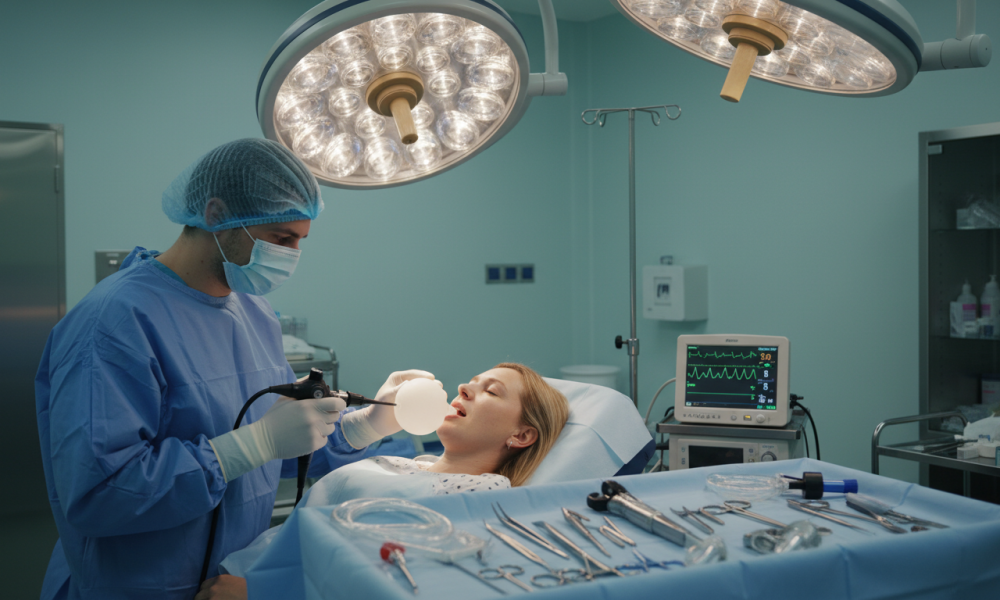
Under light sedation, a provider uses a tiny camera and tube to position a deflated device before inflating it with saline. The procedure takes about 15–20 minutes in an outpatient endoscopy unit.
Preparation
Before arrival, the care team reviews health history and gives mild sedatives. Patients fast for several hours to clear the stomach.
The endoscopic technique
An endoscope (a small camera) guides a tube that carries the deflated balloon down the throat. A second tube runs alongside to keep vision clear and confirm position.
Inflation process
Once placed, the device is filled with saline through a separate tube. The inflated balloon takes up space in the stomach so patients feel full faster and eat smaller portions.
- Procedure performed by a skilled doctor and team.
- Most return home the same day after short recovery.
- Placement supports six months of guided weight loss efforts.
| Step | What Happens | Time |
|---|---|---|
| Prep | Fasting, mild sedation, vitals checked | 15–30 min |
| Placement | Endoscope and tube position deflated balloon | 15–20 minutes |
| Inflation | Balloon filled with saline to occupy space | 5–10 minutes |
| Recovery | Short observation, discharge same day | 30–60 minutes |
Managing Initial Side Effects and Recovery
Early recovery often brings brief nausea and cramping as the body adapts to a new internal device.
Most symptoms appear during the first 2–3 days and then ease. The care team provides fluids and medication to control nausea and abdominal discomfort. A follow-up visit is scheduled the day after placement to check progress and adjust treatment.
Patients should expect to take a few days off work to rest and support recovery. Rest, small sips of clear fluids, and prescribed meds help steady the body during this time.
Key practical tips:
- Manage nausea with antiemetics and IV or oral fluids from the care team.
- Expect mild cramping; heat packs and light rest often help.
- Attend the next-day appointment so clinicians can confirm comfort and early recovery.
The device supports weight loss, and early side effects are usually short lived. With close follow-up and clear guidance from the team, most patients move through these first days and continue toward steady progress.
The Importance of a Liquid Diet
A structured liquid phase after placement gives the stomach time to adapt and reduces nausea.
Patients follow a strict liquid diet for 2–3 days after the procedure to let the body adjust to the balloon. This short step lowers discomfort and helps prevent vomiting and cramping.
After a couple of weeks, clinicians guide a gradual return to healthy food. That slow shift supports long-term weight loss and steady progress.
- The initial liquid diet phase protects healing and eases symptoms.
- Care teams monitor each patient during the transition back to solids.
- Following these steps improves comfort and the chances of lasting success.
| Phase | Duration | Goal |
|---|---|---|
| Immediate liquids | 2–3 days | Reduce nausea and allow adaptation |
| Soft/clear progression | 1–2 weeks | Reintroduce gentle textures |
| Solid foods | After a few weeks | Return to balanced healthy meals |
Following this plan gives the body the best chance to recover and adapt to the gastric balloon while supporting steady weight loss.
Long-Term Lifestyle Changes for Success
A one-year program often makes the difference between short-term loss and lasting health gains.

Dietary habits
Patients work with a dietitian to build a practical meal plan that fits daily life. Small, consistent changes to food choices help sustain progress after balloon placement.
Key focus: portion control, nutrient-dense meals, and steady pacing from liquids to solids over weeks. This approach supports about 10–15% weight loss after six months for many people, with higher results when habits stick.
Exercise and physical activity
Regular meetings with an exercise physiologist teach safe, progressive routines. Movement plans emphasize strength, cardio, and realistic frequency.
- Commit to the one-year program and meet regularly with your doctor and team.
- Combine placement with consistent diet and exercise to amplify loss.
- Keep routines after device removal so weight loss endures.
Bottom line: the balloon supports early progress, but lasting success relies on a structured program, multidisciplinary care, and steady lifestyle changes that continue well beyond months of placement.
Comparing the Balloon to Bariatric Surgery
Comparing a removable stomach device to an operation shows clear differences in risk and recovery.
Gastric sleeve surgery removes part of the stomach and produces a permanent change. That path is effective for long-term weight goals but carries higher surgical risk and longer recovery.
A gastric balloon is non-surgical and temporary. It helps people feel full faster and supports early weight loss without altering anatomy.
- Unlike major surgery, the balloon procedure is reversible and done without incisions.
- Both approaches reduce food capacity and help patients feel full with smaller portions.
- Many choose the balloon when they cannot or do not want to undergo invasive surgery.
- Bariatric surgery may offer larger, longer-lasting loss but with greater side effects and recovery time.
Bottom line: for some, the gastric balloon is a lower-risk option to lose weight. Patients should review pros and cons with their surgeon or weight-care team to pick the right path for health and goals.
Medical Weight Loss and Medication Integration
Many patients combine prescription appetite medicines with an internal device to boost early results. This integrated approach pairs clinical tools so people get layered support during a focused program.
GLP-1 agonists help reduce appetite and cut cravings, which can amplify weight loss while the balloon remains in place. Doctor supervision matters because these drugs can cause side effects, most commonly nausea and occasional digestive discomfort.
U of U Health’s multidisciplinary team guides medication choices and monitors reactions. A doctor, dietitian, and care team meet regularly with people to tailor dosing, adjust diet, and track progress during the six-month program.
- Many patients safely combine GLP-1 therapy with device support under medical oversight.
- Side effects like nausea are common early on and managed by the care team.
- Medications may continue after removal to help maintain weight loss and healthy habits.
Bottom line: pairing medication with a temporary balloon within a structured medical weight loss program gives personalized tools to lose weight and build lasting change.
Understanding the Removal Process
The final visit focuses on a quick, controlled removal that protects health and preserves earlier progress.
After about six months the gastric balloon must come out because the silicone can begin to break down. The removal is an outpatient endoscope procedure that procedure takes less than 20 minutes under light anesthesia.
The balloon procedure is brief, but patients should plan ahead: they cannot drive themselves home. A doctor and their team guide every step, from anesthesia to the post-op check.
Most people return home the same day. Even after device removal, continuing lifestyle changes helps protect weight loss and lasting health.
- Material: soft, non-toxic silicone removed after six months.
- Timing: procedure takes minutes—usually under 20 minutes with an endoscope.
- Care: doctor and team supervise recovery and next steps.
Financial Considerations and Insurance Coverage
Costs for a temporary stomach device often fall outside standard insurance benefits, so many people plan ahead.
Most insurers do not cover this option, and patients typically must pay the full cost by the day of the procedure. That includes placement, follow-up visits, and removal.
Payment options commonly include major credit cards and third-party financing. Many centers also provide financial counselors who explain fees and help arrange plans.
Before booking, verify with your insurer whether any part of the weight loss program or related medical services has coverage. Confirm details about endoscope visits, lab work, or nutrition counseling.
- Expect out-of-pocket costs for balloon placement and removal.
- Ask the care team about billing steps and available discounts.
- Plan early so finances don’t distract from health goals and the one-year program.
| Item | Who Pays | Typical Notes |
|---|---|---|
| Placement procedure | Patient | Often out-of-pocket; pay at time of placement |
| Removal procedure | Patient | Usually billed similarly to placement |
| Medical visits & counseling | Sometimes insurer / sometimes patient | Verify coverage for diet, exercise, and follow-up |
| Financing options | Third-party or credit | Ask the clinic’s financial advocate for plans |
Conclusion
A removable, short-term device can add momentum when steady efforts stall. It supports smaller portions and offers an early boost within a structured program.
Combine placement with lasting habits — nutrition, activity, and regular follow-up build on early results. A coordinated multidisciplinary team guides placement, monitoring, and removal to keep safety and progress central.
Patients who keep new routines after removal report better long-term outcomes and quality of life. Choosing this path often feels like a proactive, manageable step toward greater well-being.
FAQ
What is the device used for weight loss?
The device is a soft silicone balloon placed into the stomach via an endoscopic tube. It reduces available space, helping people feel full sooner and eat less without surgery. Placement usually takes minutes in an outpatient setting and is paired with a supervised program of diet, exercise and behavior coaching.
How does this aid weight loss?
By occupying volume in the stomach, the inflated balloon slows gastric emptying and increases satiety. That encourages smaller portions, supports calorie reduction and helps create new habits over a six-month treatment period when combined with lifestyle changes and medical follow-up.
Who is eligible for the procedure?
Candidates typically have a body mass index in the overweight to mildly obese range and have not achieved lasting results with diet and exercise alone. A medical team evaluates health history, medications and any prior surgery to confirm safety and suitability.
How should a patient prepare for placement?
Preparation includes medical clearance, brief fasting before the appointment and stopping certain medications per clinician instructions. Counseling covers the liquid diet that follows placement and the expectations for symptoms and follow-up care.
What happens during the endoscopic technique?
A thin endoscope with a camera guides the deflated balloon into the stomach through the mouth. The clinician monitors placement on screen. Most patients receive light sedation, and the entire visit usually lasts under an hour.
How does the inflation process work?
Once positioned, the balloon is filled with saline or a gas to a preset volume. The team confirms proper inflation and checks for leaks. Afterward, patients recover briefly and receive instructions for diet and symptom management.
How are nausea and cramping managed after placement?
Early symptoms like nausea and mild cramping are common. Providers prescribe antiemetics and pain control, recommend a staged liquid diet and advise rest. Symptoms typically improve within days to weeks as the body adapts.
Why is a liquid diet important after placement?
A short liquid diet eases the stomach into accepting the balloon, reduces irritation and lowers risk of vomiting or dehydration. The team transitions patients to soft foods, then regular textures while reinforcing portion control.
What dietary habits support long-term success?
Emphasize balanced meals with lean protein, vegetables and controlled carbohydrates. Learn mindful eating, smaller portions and regular meal timing. Ongoing counseling helps translate short-term restriction into sustainable habits.
How should exercise be approached during treatment?
Begin with low-impact activity and gradually increase intensity under guidance. Aim for regular aerobic sessions and strength work to preserve muscle and improve metabolism. The program team tailors plans to fitness level and medical needs.
How does this compare to bariatric surgery?
This option is less invasive, reversible and does not require incisions. Weight loss tends to be more modest than surgical procedures but carries lower procedural risk and shorter recovery. Choice depends on severity of obesity, medical conditions and long-term goals.
Can medications be used with the balloon for better results?
Yes. Medical weight‑loss medications, including GLP-1 receptor agonists, may be integrated when appropriate. The care team evaluates interactions and monitors progress to safely combine therapies for greater sustained loss.
What role do GLP-1 medications play?
GLP-1 drugs reduce appetite and improve blood sugar control. When paired with the balloon and lifestyle support, they can amplify weight reduction. A clinician decides timing and dosing based on individual risk and response.
How is removal handled after six months?
Removal is endoscopic and performed under sedation. The clinician deflates the balloon, withdraws it through the mouth and inspects the stomach. Recovery is quick; patients then follow a transition plan to maintain weight loss.
Are there financial considerations or insurance options?
Coverage varies. Some insurers classify the procedure as elective; others offer partial reimbursement when medically justified. Clinics provide cost breakdowns, financing options and assistance with prior authorization when available.
What are common side effects and risks?
Early side effects include nausea, vomiting, reflux and abdominal pain. Rare risks involve balloon deflation, migration or gastric injury. Close follow-up and prompt reporting of severe symptoms reduce complications.
How long does recovery take after placement?
Most people resume normal activities within a few days. Initial dietary stages and symptom control may require one to two weeks of extra rest. Ongoing visits support recovery and habit formation throughout the six-month course.
What support does the care team provide?
Multidisciplinary teams offer medical monitoring, nutritional counseling, behavioral therapy and exercise coaching. This integrated approach helps patients adapt habits and improve long-term outcomes beyond device removal.
Related guides
How Long Does a Dental Implant Procedure Take?
Curious if the journey to a restored smile will fit your life? Many patients wonder about the full…

Best Hair Transplant in Istanbul,Turkey
Could one clinic end years of worry and restore your confidence with a clear, tailored plan?Dr. Serkan Aygin…

What is Zygomatic Dental Implant?
Could anchoring into the cheekbone restore a confident smile when the upper jaw can’t?Zygomatic dental implants offer an…