
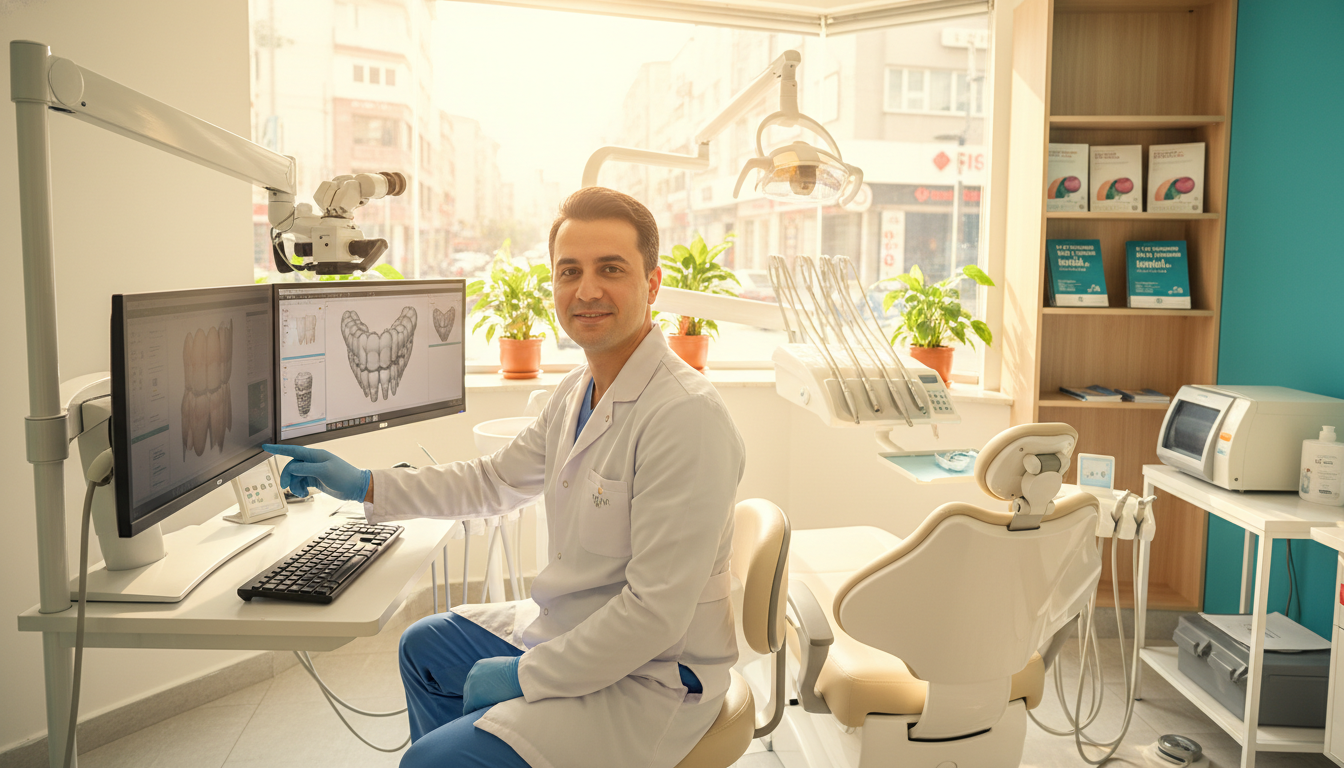
Could a trip overseas give you the same high-quality smile for a fraction of the usual cost? Many patients ask this and expect a simple answer.
The short version: Turkey has built a strong health tourism system that blends skilled dentists, efficient clinics, and lower overhead. The sector now brings in more than $1 billion annually, which supports modern equipment and consistent dental treatments for international visitors.
Exchange rates help patients from the United States and Europe pay far less for the same materials and techniques. Clinics often bundle consultation, accommodation, airport transfer, and interpreter service into a clear package, making travel and care easier.
Quality stays high: dentists use advanced bone grafting and porcelain veneers similar to Western labs. A full procedure still starts with a careful exam and medical history review to protect long-term health and results.
Key Takeaways
- Lower prices reflect efficient healthcare economics, not lower quality.
- Favorable exchange rates reduce cost for international patients.
- Packages often include consultation, hotel, transfers, and interpreter.
- Clinics use modern materials and proven procedures for lasting results.
- Comprehensive exams and follow-up steps protect patient health over years.
Understanding Why Are Dental Implants So Cheap In Turkey
Lower price tags often reflect system-level differences rather than a drop in clinical standards.
Many U.S. patients notice large cost gaps. A single tooth implant with abutment can be about $510 in Turkey versus roughly $3,000 back home. That contrast helps explain the surge in medical travel.
High-end brand pricing follows the same pattern. Nobel Biocare titanium systems may sell for about $900 at top Turkish clinics, while comparable systems in the United States can exceed $4,000. These numbers show scale and purchasing power at work.
| Item | Typical Price (Turkey) | Typical Price (U.S.) | Notes |
|---|---|---|---|
| Single tooth implant + abutment | $510 | $3,000 | Includes standard lab work |
| Nobel Biocare titanium implant | $900 | $4,000+ | Branded system; high success rates |
| Clinic package (consult + stay) | $1,200–$1,800 | $5,000+ | Often includes transfers and interpreters |
What drives lower fees is efficiency: streamlined appointment flow, bulk purchasing, and higher patient volume. Clinics use smart healthcare economics to keep costs down without cutting critical steps.
“The goal is clear: provide precise, safe care that is accessible to international patients.”
Understanding these elements helps patients judge value. With proper research, certified providers and international brands, implants and dental implants can be a reliable option for many seeking affordable care abroad.
The Impact of Lower Operating Costs
Clinic economics — from staff pay to rent — have a direct effect on patient costs. Modest salaries and lower facility fees let clinics offer competitive pricing without cutting quality.
Labor and Salary Differences
Average dentist pay ranges from €1,500 to €3,000 monthly. That compares with €6,000–€12,000 in many Western markets. Lower wages reduce the per-procedure labor portion, helping keep the total cost of treatments accessible.
Overhead and Rent Savings
Monthly clinic rent in Antalya is about €700 versus over €4,000 in London. Clinics also cut costs by producing materials like zirconium crowns in-house for roughly €80 instead of €300+.
- Lower rent and local wages reduce fixed costs per procedure.
- In-house labs shrink material markups and speed up service.
- Operational efficiency keeps quality care affordable for international patients.
“Operational savings allow clinics to focus on high standards while offering fair prices.”
Leveraging Favorable Currency Exchange Rates
A weaker lira stretches overseas budgets, letting visitors secure premium care for less.
Since 2018 the Turkish lira has lost value versus the pound, euro, and dollar. That shift gives international patients a notable purchasing edge for treatment.
Clinics often quote prices in euros or pounds to keep costs predictable for visitors. Many also offer discounts when payments arrive in those currencies.
As a result, implant seekers from the UK and Europe find their currency buys more treatment. This makes premium implant systems and complete dental treatment more affordable.
“The currency advantage often covers travel and hotel expenses, while still saving the patient money.”
Transparency helps. Clear price lists and package pricing let patients plan their budget with confidence. For many, exchange rates are a practical tool that turns high-quality care into a reachable option.
- Exchange rates amplify value for foreign visitors.
- Paying in local currency can lower the total cost.
- Stable euro or pound pricing reduces uncertainty for patients.
Government Support for Medical Tourism
State-level programs help clinics compete internationally while keeping care affordable.
Tax incentives encourage clinics to treat foreign patients and invest in upgraded equipment. These breaks lower operating cost and help clinics build reliable treatment pathways for visitors.
Strategic branding campaigns in Europe and beyond raise awareness of medical tourism. They promote accredited centers that offer clear packages and coordinated care for complex procedures.
Tax Incentives and Accreditation
Streamlined accreditation ensures clinics meet modern health and safety standards. That oversight gives U.S. patients confidence when choosing international care.
- Government-backed packages often bundle consultation, surgery, and follow-up visits.
- Accreditation programs require documented protocols for sterilization and professional qualifications.
- Promotional efforts target markets where patients seek lower cost without sacrificing quality.
“Institutional support builds trust: accredited clinics with tax incentives can offer competitive packages while maintaining high standards.”
| Support Type | Benefit | Impact on Patients |
|---|---|---|
| Tax incentives | Lower operating expenses | Reduced treatment cost and package pricing |
| Accreditation | Standardized procedures and audits | Safer care and predictable outcomes for implants |
| International branding | Increased patient flow | More specialized clinics and faster scheduling |
Competitive Landscape of Private Dental Clinics
A highly privatized market forces clinics to innovate, which gives international patients more options and clearer pricing.
Because most dental care is private, each clinic competes on price, service and visible results. Clinics use online reviews and before‑after galleries to build trust with patients.
Major hubs like Istanbul, Antalya, and Izmir treat hundreds of international patients monthly. That steady flow gives teams deep experience with complex implants.
- Free consultation options help patients compare value quickly.
- Clinics highlight branded systems and fast follow-up to show quality.
- Competition drives better patient experience and advanced techniques.
“A buyer’s market means clinics must deliver clear pricing and excellent results to attract return patients.”
| Factor | How Clinics Compete | Benefit for Patients |
|---|---|---|
| Reputation | Online reviews, case photos | Easier comparison of clinics and expected results |
| Service | Free consultation, transfers, interpreters | Simpler planning and smoother visits |
| Clinical volume | Hundreds of international cases | Experienced teams and predictable outcomes |
For international visitors, this competitive scene means access to top dentists, modern care and fair value when choosing an implant plan.
Benefits of Vertical Integration in Dental Labs
Owning an in-house lab lets clinics control every step from scans to final restorations. This setup brings the dentist, technician, and imaging team into one workflow. Patients get faster turnarounds and fewer handoffs.
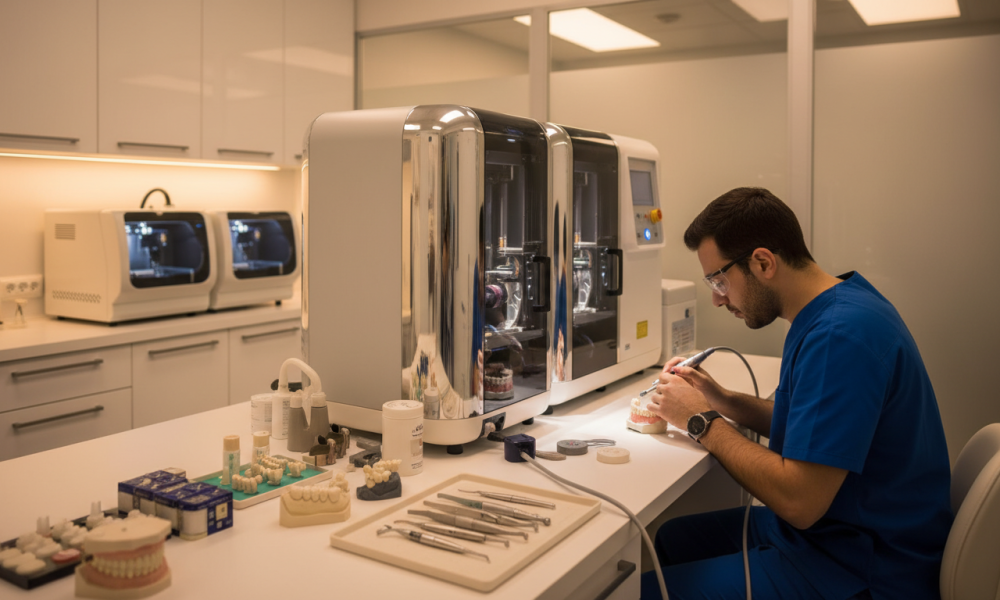
When labs sit inside the clinic, quality checks happen in real time. Crowns, bridges and veneers are crafted to match the planned outcome. That reduces surprises at fitting and lowers follow-up visits.
- Precision: 3D imaging and lab milling ensure custom teeth fit the bone and soft tissue precisely.
- Speed: On-site production shortens wait times for final restorations.
- Cost control: Eliminating outside markups helps explain lower prices for dental implants turkey compared with Western clinics.
“A single team overseeing scans, lab work and surgery improves predictability and patient comfort.”
Vertical integration also helps with complex cases that need grafting or staged work. Clinics can vet materials, guarantee components used in each implant, and offer a smoother path from assessment to long-term care.
Economies of Scale and High Patient Volume
High clinic throughput changes how each procedure is priced and delivered. A single center may place over 150 implants per month, while many UK practices do about 10. That gap shifts the entire cost structure.
When volume rises, fixed expenses spread across many cases. Bulk buying lowers material cost and labs run at full capacity. This reduces the per-patient fee without cutting care.
Surgeons who place dozens of implants weekly gain steady practice. Their hands, planning and workflows become highly consistent. That experience improves outcomes and shortens chair time.
- High patient volume delivers true economies of scale that lower the price for each treatment.
- Faster learning curves mean teams place implants with greater consistency and reliability.
- Optimized operations let clinics invest in better tech while keeping prices competitive.
“Treating more patients refines methods, reduces waste, and supports predictable results.”
The result: accessible dental implants at lower cost, backed by experienced teams who perform the same procedure every day. This model benefits every patient who seeks quality care abroad.
Maintaining High Quality Standards and Hygiene
High-quality care depends on three consistent elements: trusted materials, strict sterilization, and well-trained clinicians.
Global implant brands are standard in top centers. Clinics use Straumann, Nobel Biocare and Bego to ensure predictable outcomes. Straumann, for example, reports a 99.7% success rate for many restorations. Using these names gives patients confidence that the same parts used worldwide support their treatment.
Sterilization protocols
The Ministry of Health enforces rigid hygiene rules for clinics. Autoclave cycles, single-use disposables and routine audits are part of daily practice. These measures limit infection risk and protect patient health during every procedure.
Professional qualifications
Dentists attend international conferences to stay current on veneers, bone grafting and implant placement. Every consultation includes a full review of dental history so the planned procedure matches the patient’s needs.
- FDA or CE-approved materials are used for restorative treatments.
- Teams combine hands-on experience with continuing education to improve service.
- Strict hygiene and brand components help make new teeth long-lasting and safe.
“Patients receive care built on global standards, modern materials and ongoing professional development.”
For a clear cost and timeline, check a detailed price guide and consultation options via this resource: dental implant cost guide.
Essential Research Before Choosing a Clinic
Start with the clinic’s gallery and verified reviews to judge real results.
Check credentials. Verify the dentist’s memberships (TDA, ITI) and confirm the clinic is registered with the Ministry of Health. This protects patients and clarifies standards of care.
Examine before-and-after photos and read independent reviews. Look for clear timelines showing follow-up visits and how long restorations last over the years.
Be cautious with very low cost quotes for full-mouth work. Extremely low offers may use uncertified brands or less experienced staff.
- Ask which implant systems and bone graft materials the clinic uses.
- Confirm sterilization protocols and on-site lab capabilities.
- Seek clinics that provide long-term warranties and documented results.
“Thorough research helps patients choose a clinic that offers safe, lasting implants with transparent pricing.”
Taking these steps makes it easier to select a reputable clinic that delivers confident results and quality care for your procedure.
Navigating the Treatment Process and Travel Logistics
Planning travel and treatment together makes the process far less stressful for international patients. Clinics offer all-inclusive packages that handle VIP transfers, hotel accommodation, and a personal translator.
For veneers, the whole schedule usually fits into seven days. Full implant care often requires two trips over several months. The first visit focuses on implant placement and any needed bone grafting.
During the first consultation the dentist captures 3D scans to design your new teeth and plan each implant step precisely. Most patients can fly home after the initial procedure, though staying a few days is recommended for follow-up and comfort.
On return, the second trip is brief and dedicated to final teeth placement once bone integration is complete. A personal assistant coordinates appointments and helps overcome language barriers so the patient can focus on recovery.
- Clear timeline: staged visits for implant healing and final prosthetics.
- Comprehensive service: scans, surgery, accommodation and aftercare in one package.
- Home care: follow dentist advice on oral hygiene to keep implants long-lasting.
“The goal is a smooth journey from consultation to final restoration — care and logistics managed together.”
For help choosing the right clinic and understanding travel steps, consult a clinic selection guide: clinic selection guide.
Conclusion
A clear plan and verified credentials turn a trip for treatment into a smart health choice.
Patients can access expert care and strong quality while keeping cost lower than many home options. Ask about the implant systems used and review clinical photos before you book.
Good clinics offer organized packages and honest timelines for each procedure. That clarity helps you compare prices and pick care that matches your needs and expectations.
Whether you seek veneers, a single implant, or full-mouth work, proper research protects long-term results. With careful planning, the experience can deliver excellent implants and restore confidence for years.
FAQ
What explains lower implant prices in Turkey?
Lower treatment costs often reflect a mix of factors: reduced clinic overhead, lower staff wages relative to many Western countries, favorable exchange rates, and a competitive private clinic market. Many practices also manage their own dental labs, which cuts production expenses for crowns and prostheses. These elements allow clinics to offer comprehensive packages—treatment, accommodation, and transfers—at prices that still cover quality materials and experienced clinicians.
Does a lower price mean poorer materials or inferior results?
Not necessarily. Reputable clinics typically use well-known international implant brands such as Straumann, Nobel Biocare, or Zimmer Biomet. The difference lies more in cost structure than in implant quality. Patients should check certificates, brand names of fixtures, and post-op photos, and ask for manufacturers’ guarantees to confirm material standards and expected outcomes.
How do currency exchange rates affect treatment costs?
Favorable exchange rates can make treatments purchased in local currency much cheaper for international patients. When the U.S. dollar or euro is strong against the Turkish lira, clinics receive more local value for the same nominal fee, which lets them keep patient prices lower while maintaining margins and investment in equipment and training.
Are clinics in Turkey accredited and regulated?
Many private clinics hold international accreditations and adhere to Turkish Ministry of Health regulations. Accreditation bodies like JCI (Joint Commission International) may also certify facilities. Patients should request accreditation documents, clinic licenses, and confirmation that surgeons are licensed specialists with documented experience in implantology.
How important is the dentist’s experience and training?
Experience matters. Look for board certifications, specialist titles in prosthodontics or oral surgery, and years of implant experience. Well-trained teams produce better diagnostics, surgical planning, and long-term prosthetic work. Ask for before-and-after cases, patient testimonials, and details of any continuing education the team participates in.
What hygiene and sterilization standards should patients expect?
High-quality clinics follow strict sterilization protocols, use autoclaves for instruments, implement single-use disposables where appropriate, and maintain clear infection-control policies. Patients can ask about sterilization workflows, instrument tracking, and routine audits to be confident in clinical hygiene.
How do clinics keep prices low while handling many patients?
Economies of scale help. High patient volumes allow clinics to negotiate better prices for implants, materials, and equipment. Centralized dental labs and in-house milling centers reduce unit costs for crowns and prosthetics. Bulk purchasing and efficient scheduling also lower per-patient overhead.
What role does medical tourism support play?
Government interest in medical tourism encourages investment in healthcare infrastructure, visa facilitation, and marketing. Some regions offer tax incentives or streamlined accreditation processes that attract international patients and investors, contributing to a more competitive market and lower consumer prices.
How should patients research clinics before travel?
Verify clinic accreditation, ask for full treatment plans with brand names and warranty details, request surgeon CVs, and read independent patient reviews. Confirm included services in any package—consultation, x-rays/CBCT, implant brand, temporary and final prosthesis, anesthesia, and follow-up care—so there are no hidden costs.
What about travel logistics and post-operative care?
Many clinics offer packages covering airport transfers, accommodation, and local transport. Patients should plan for required healing time, attend follow-up appointments, and arrange communication channels (video calls, messaging) for post-op checks. Ensure there’s a clear contingency plan for complications and options for local follow-up once home.
Are there warranty or guarantee options for implants and prosthetics?
Clinics sometimes provide limited warranties for workmanship and prosthetic components; implant manufacturers may offer separate guarantees. Patients should obtain written warranty terms, understand exclusions (e.g., poor oral hygiene, trauma), and confirm who covers costs for revisions or complications.
Can patients combine treatment with tourism safely?
Yes—when planning carefully. Schedule procedures with adequate healing time before sightseeing or flights. Avoid long-haul travel immediately after surgery if possible. Choose reputable clinics that coordinate lodging and local care, and keep emergency contact and medical records accessible while traveling.
Related guides
How Long Does a Dental Implant Procedure Take?
Curious if the journey to a restored smile will fit your life? Many patients wonder about the full…
Best Hair Transplant in Istanbul,Turkey
Could one clinic end years of worry and restore your confidence with a clear, tailored plan?Dr. Serkan Aygin…
What is Zygomatic Dental Implant?
Could anchoring into the cheekbone restore a confident smile when the upper jaw can’t?Zygomatic dental implants offer an…