

The Process: Non-Surgical Rhinoplasty in Turkey, step by step
Embarking on a journey for non-surgical rhinoplasty in Turkey involves several key steps designed to ensure safety, comfort, and satisfaction. Patients can expect a streamlined process that balances thoroughness with efficiency.
- Enquiry: The journey begins with an initial enquiry where patients reach out to the medical tourism facilitators or directly to clinics. This is typically done via email or a contact form on the clinic’s website. During this stage, patients provide basic information about their medical history and the desired outcomes.
- Assessment: Following the initial enquiry, a comprehensive assessment is conducted. This may involve a virtual consultation with a specialist to discuss the patient’s goals and evaluate their suitability for the procedure. Photographs of the nose are often requested to aid in this evaluation.
- Travel: Once the patient is deemed suitable for the procedure, travel arrangements are made. Patients are advised to arrive in Turkey at least a day before the scheduled treatment to acclimate and address any last-minute questions or concerns.
- Treatment Days: On the day of the procedure, patients visit the clinic where a detailed pre-procedure briefing is given. The treatment itself is performed using dermal fillers and typically takes 30 to 60 minutes. Local anaesthesia is applied to ensure comfort throughout the process.
- Discharge: As non-surgical rhinoplasty is minimally invasive, patients are usually discharged shortly after the procedure. They are provided with detailed aftercare instructions to follow at home.
- Follow-up: Follow-up consultations are crucial to monitor the healing process and ensure the results align with patient expectations. These can be conducted virtually or in person, depending on the patient’s travel plans.
What Non-Surgical Rhinoplasty is and who it is for
Non-surgical rhinoplasty, often referred to as a ‘liquid nose job’, is a cosmetic procedure that utilizes dermal fillers to alter and enhance the shape of the nose. Unlike traditional rhinoplasty, this procedure does not involve surgery, making it an attractive option for individuals seeking subtle changes without the downtime and risks associated with surgical interventions.
This procedure is ideal for patients looking to address minor cosmetic issues such as a dorsal hump, asymmetry, or a drooping nasal tip. It is especially beneficial for those who are not ready to commit to permanent changes or wish to preview potential surgical results. The fillers used are typically made from hyaluronic acid, a substance naturally found in the body, which ensures compatibility and reduces the risk of adverse reactions.
Non-surgical rhinoplasty is suitable for adults in good health who have realistic expectations about the outcomes. It is not recommended for individuals with significant nasal deformities or those requiring functional corrections, as these issues typically necessitate surgical intervention.
The procedure generally offers immediate results, with minimal recovery time, allowing patients to return to their daily activities quickly. However, as the effects of dermal fillers are temporary, typically lasting between 6 to 18 months, patients may require repeat treatments to maintain their desired look.
Overall, non-surgical rhinoplasty provides a flexible and less invasive alternative for nasal reshaping, appealing to a broad spectrum of individuals seeking aesthetic enhancement.

3. Are you a candidate? Criteria and preparation
Non-surgical rhinoplasty, often referred to as a ‘liquid nose job’, is a minimally invasive procedure that can address minor aesthetic concerns without the need for surgery. This procedure is suitable for individuals who meet certain criteria and are properly prepared. Determining candidacy involves assessing both the physical characteristics of the nose and the patient’s overall health and expectations.
Firstly, ideal candidates are those looking to correct minor imperfections such as small bumps, asymmetry, or slight deviations. Non-surgical rhinoplasty is not suitable for reducing the size of the nose or for those requiring significant structural changes. Typically, candidates are individuals who desire subtle enhancements rather than dramatic changes.
Moreover, candidates should be in good general health. This includes being free from active skin infections or inflammation around the nose area. Additionally, individuals with bleeding disorders or those on blood-thinning medications may need to consult with their healthcare provider to determine if they can safely undergo the procedure.
It is also crucial for candidates to have realistic expectations. Non-surgical rhinoplasty can provide temporary results and is best suited for those who are exploring their options or who are not ready for permanent surgical changes. The effects typically last between 6 to 18 months, depending on the type of fillers used and individual factors such as metabolism and lifestyle.
- Desire to correct minor nasal imperfections
- Good overall health without contraindications
- No active skin infections or inflammation
- Realistic expectations about the outcomes
- Understanding of the temporary nature of results
- Not currently pregnant or breastfeeding
- Willingness to follow pre-procedure guidelines
Preparation for non-surgical rhinoplasty involves several steps to ensure the best possible outcome and minimize risks. Patients are typically advised to avoid certain medications and supplements that can increase bleeding or bruising, such as aspirin, ibuprofen, and vitamin E, at least a week before the procedure. Consult your healthcare provider for a comprehensive list of substances to avoid.
Additionally, it is recommended to avoid alcohol and smoking in the days leading up to the procedure, as these can affect healing. Staying hydrated and maintaining a healthy diet can also support optimal recovery. On the day of the procedure, patients should cleanse their face thoroughly to reduce the risk of infection.
Consultation with a qualified practitioner is essential for discussing goals, assessing suitability, and understanding the risks and benefits. This consultation will also provide an opportunity to discuss any concerns about the procedure and the aftercare process.
4. Techniques and options available in Turkey
Non-surgical rhinoplasty in Turkey utilizes advanced techniques and high-quality dermal fillers to achieve desired outcomes. The procedure primarily involves the injection of hyaluronic acid-based fillers, which are known for their safety and effectiveness in cosmetic enhancements. In Turkey, clinics offer a variety of options tailored to individual needs, ensuring that patients receive personalized care.
Hyaluronic acid fillers are the most common choice due to their biocompatibility and reversibility. These fillers can be strategically injected into specific areas of the nose to smooth out contours, fill depressions, and correct asymmetry. The precision of the injection technique is crucial, and practitioners in Turkey are well-trained in advanced techniques to ensure optimal results.
Some clinics may also offer calcium hydroxylapatite fillers, which are known for providing a firmer support structure. These fillers can be beneficial for patients desiring more pronounced changes or those with thicker skin. However, the choice of filler is determined based on individual anatomy and aesthetic goals.
One of the key benefits of undergoing non-surgical rhinoplasty in Turkey is the access to state-of-the-art facilities and experienced practitioners. Turkish clinics are renowned for their adherence to international standards of care and hygiene, offering patients a safe environment for their procedures.
Another option available is the use of a microcannula, a blunt-tipped instrument that reduces the risk of bruising and swelling compared to traditional needles. This technique allows for a more gentle approach, minimizing discomfort and downtime. The microcannula technique is particularly beneficial for patients with sensitive skin or those prone to bruising.
In addition to the technical aspects, clinics in Turkey often provide comprehensive pre- and post-procedure care. This includes detailed consultations to discuss patient goals, thorough assessments of nasal anatomy, and personalized aftercare instructions to ensure the best possible outcomes.
Patients can also choose from clinics that offer a variety of additional aesthetic treatments, allowing for a holistic approach to facial rejuvenation. This can be advantageous for individuals seeking complementary procedures, such as dermal fillers for other areas of the face or non-invasive skin treatments.
When considering non-surgical rhinoplasty in Turkey, it is important to research and choose a clinic with a strong reputation and experienced practitioners. Patients should verify the credentials of the medical professionals and review before-and-after photos of previous clients to gauge the quality of work. This due diligence will help ensure a satisfactory experience and results that align with patient expectations.
Recovery and aftercare timeline
Undergoing a non-surgical rhinoplasty in Turkey is generally associated with a swift and straightforward recovery process. This minimally invasive procedure typically allows patients to resume their regular activities almost immediately, but understanding the recovery timeline and adhering to recommended aftercare can optimize results and ensure safety.
| Period | What to expect | Care notes |
|---|---|---|
| Immediate (Day 0) | Patients may experience mild redness, swelling, or bruising at the injection sites, which is normal and should subside within a few hours. Some minor discomfort or tenderness may occur. | Avoid touching or massaging the treated area to prevent filler displacement. Apply a cold compress gently to reduce swelling. Rest in an upright position to minimize pressure on the nose. |
| First 24-48 hours | Swelling and redness may persist but should gradually improve. The nose will start to settle into its new shape. | Continue to avoid excessive touching or pressure. Refrain from strenuous activities or exercises that increase blood flow to the face. Sleep with your head elevated. |
| First week | Most side effects, such as swelling or bruising, typically resolve. The final shape of the nose becomes more apparent. | Maintain gentle skincare routines, avoiding harsh products. Protect the nose from direct sunlight and use sunscreen if outdoors. |
| 2-4 weeks | The results of the procedure are fully realized. Any residual swelling should have subsided completely. | Regular follow-up with your practitioner may be advised to assess the results and discuss any concerns. Continue to protect the skin from the sun. |
| 1-6 months | Patients enjoy the enhanced appearance with minimal maintenance required. The need for touch-ups depends on the type of filler used. | Monitor the appearance and consult with your practitioner for possible additional treatments if desired. Maintain healthy skin care practices. |
It is crucial to follow the aftercare instructions provided by your healthcare provider to ensure optimal results and minimize complications. Adhering to these guidelines will contribute to a smooth recovery and satisfactory outcome.
Risks, safety and how accredited Turkish providers manage them
Non-surgical rhinoplasty, while less invasive than traditional surgical methods, still carries certain risks and requires careful consideration. Accredited Turkish providers prioritize patient safety by employing skilled practitioners and adhering to international standards of care.
Common risks associated with non-surgical rhinoplasty include temporary redness, swelling, bruising, and tenderness at the injection sites. These are generally mild and resolve within a few days. However, there are more serious risks, albeit rare, such as vascular complications, infection, or filler migration, which require immediate medical attention.
Accredited clinics in Turkey mitigate these risks through several key practices:
- Qualified Practitioners: Only board-certified dermatologists or plastic surgeons with extensive experience in dermal filler applications perform the procedure. Their expertise ensures precise placement and minimizes potential complications.
- High-Quality Materials: Clinics use FDA-approved and CE-certified dermal fillers, ensuring they meet rigorous safety and efficacy standards. These materials are biocompatible and have a well-documented safety profile.
- Comprehensive Pre-Procedure Assessment: Before the procedure, patients undergo a thorough medical evaluation to identify any contraindications. This includes reviewing medical history, allergies, and previous cosmetic procedures.
- Informed Consent: Patients receive detailed information about the procedure, risks, benefits, and alternatives, allowing them to make informed decisions. Written consent is obtained to ensure understanding and agreement.
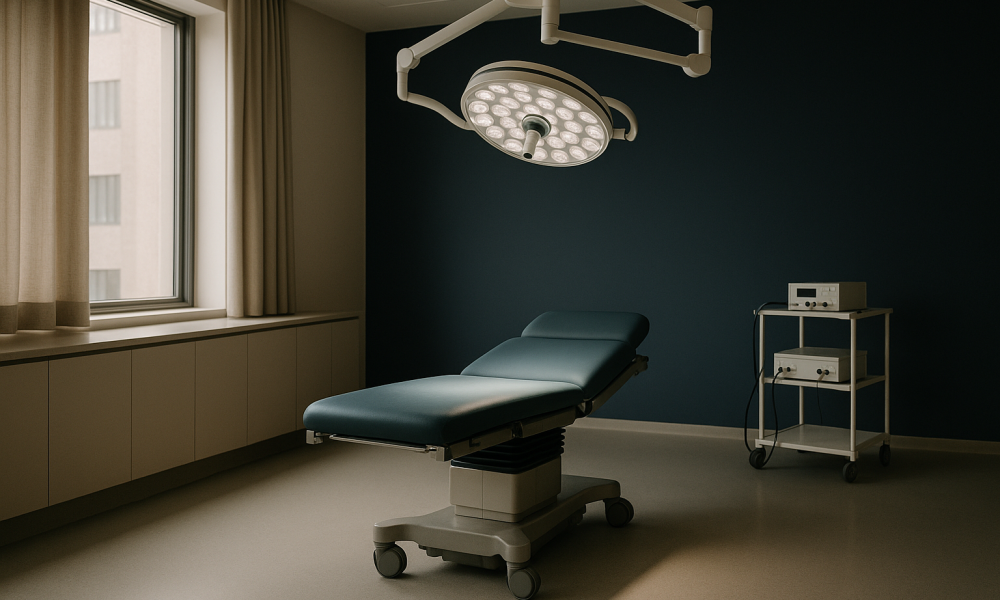
- Hygienic Environment: Clinics maintain strict hygiene protocols, including sterilization of equipment and use of disposable needles, to prevent infection and cross-contamination.
- Emergency Preparedness: Providers are prepared to manage complications promptly. This includes having emergency medications and protocols in place to address adverse reactions or rare complications like vascular occlusion.
- Post-Procedure Monitoring: Patients are given detailed aftercare instructions and are monitored closely post-procedure. Follow-up appointments are scheduled to assess outcomes and address any concerns.
By adhering to these protocols, Turkish providers ensure a high standard of care, prioritizing patient safety and satisfaction. Patients considering non-surgical rhinoplasty should choose accredited clinics to benefit from these rigorous safety measures.
Choosing the right provider in Turkey
When considering a non-surgical rhinoplasty in Turkey, selecting the right provider is crucial for ensuring both safety and satisfaction with the results. Turkey is renowned for its healthcare services, but as with any medical procedure, due diligence is necessary.
Accreditation: The first step in choosing a provider is to verify their accreditation. Clinics offering non-surgical rhinoplasty should be accredited by reputable international healthcare organizations such as the Joint Commission International (JCI) or the European Foundation for Quality Management (EFQM). Accreditation ensures that the clinic adheres to international standards for quality and patient safety.
Surgeon Experience: Experience and specialization are key factors. Look for practitioners who are board-certified and have a substantial amount of experience in non-surgical rhinoplasty. A seasoned practitioner will not only have a deep understanding of facial anatomy but will also be adept at using dermal fillers to achieve the desired results.
Red Flags: Be cautious of clinics that offer significantly lower prices than the average, as this may indicate a compromise on quality or safety standards. Avoid providers who guarantee unrealistic results or do not offer a thorough pre-treatment consultation. It’s also advisable to steer clear of clinics that do not provide detailed information about the products they use or their potential risks and side effects.
Furthermore, patient reviews and testimonials can be invaluable. They provide insights into the experiences of previous patients, which can be a good indicator of what to expect. However, ensure these reviews are from verified patients to avoid misleading information.
Lastly, communication is essential. The clinic should be able to communicate effectively in your preferred language and provide comprehensive information about the procedure, aftercare, and any potential risks involved. A professional clinic will encourage questions and provide clear, honest answers.
Non-Surgical Rhinoplasty Cost in Turkey
Non-surgical rhinoplasty in Turkey is often more affordable than in many Western countries, making it a popular choice for international patients. However, understanding the cost structure is essential for making an informed decision.
Indicative Price Table:
| Country | Price Range (USD) |
|---|---|
| Turkey | $350 – $700 |
| United Kingdom | $800 – $1,500 |
| United States | $1,000 – $2,500 |
| Germany | $900 – $1,700 |
| Australia | $1,000 – $2,000 |
| Canada | $900 – $1,800 |
All-Inclusive Packages: Many clinics in Turkey offer all-inclusive packages that cover the cost of the procedure, pre- and post-treatment consultations, accommodation, and sometimes even transportation. These packages provide convenience and can help manage costs effectively.
Factors Affecting Price: The price can vary based on the type and amount of filler used, the expertise of the practitioner, and the clinic’s location. Clinics in major cities like Istanbul may charge more than those in smaller towns.
Reading Quotes: When reviewing quotes, ensure they are comprehensive and include all related costs. Check if the quote includes follow-up visits, as these are essential for monitoring the results and ensuring patient satisfaction. Be wary of hidden fees and ask for a detailed breakdown if anything is unclear.
Ultimately, while cost is an important factor, it should not be the sole determinant in choosing a provider. The quality of care, the practitioner’s expertise, and the clinic’s reputation are equally, if not more, important considerations.
Frequently Asked Questions
What is the average cost of non-surgical rhinoplasty in Turkey?
The average cost of non-surgical rhinoplasty in Turkey ranges from $350 to $700. This is significantly lower than in countries like the United States or the United Kingdom, making Turkey an attractive option for many international patients. However, prices may vary based on the clinic's location, the expertise of the practitioner, and the type of filler used.
Are there any additional costs I should be aware of?
Beyond the initial procedure cost, additional expenses might include travel, accommodation, and follow-up consultations. Some clinics offer all-inclusive packages that cover these costs, but it's essential to confirm what's included in your quote. Always ask for a detailed breakdown to avoid unexpected charges.
Is non-surgical rhinoplasty safe?
Non-surgical rhinoplasty is generally considered safe when performed by a qualified and experienced practitioner. However, as with any medical procedure, there are potential risks and side effects. It's crucial to choose a reputable clinic and ensure a thorough consultation to discuss your medical history and any concerns you may have.
How long does the procedure take?
The non-surgical rhinoplasty procedure typically takes about 15 to 30 minutes. It's often referred to as a "lunchtime procedure" due to its quick nature and minimal downtime. Patients can usually return to their daily activities immediately after the treatment.
How long do the results last?
The results of a non-surgical rhinoplasty generally last between 6 to 12 months. This duration can vary depending on the type of filler used and individual factors such as metabolism and lifestyle. Regular touch-ups can help maintain the desired appearance.
Can I combine non-surgical rhinoplasty with other treatments?
Yes, non-surgical rhinoplasty can be combined with other aesthetic treatments, such as Botox or dermal fillers for other facial areas. However, it's important to discuss your goals with your practitioner to ensure a safe and effective treatment plan.
What should I expect during the recovery period?
Recovery from non-surgical rhinoplasty is typically quick, with most patients experiencing minor swelling or redness at the injection sites. These side effects usually resolve within a few days. It's advisable to avoid strenuous activities and excessive sun exposure immediately after the procedure.
How do I know if I'm a good candidate for the procedure?
Ideal candidates for non-surgical rhinoplasty are individuals seeking minor corrections to the nose's shape or symmetry without undergoing surgery. A consultation with a qualified practitioner can help determine if this procedure aligns with your aesthetic goals and medical history.
Are there any side effects I should be aware of?
Common side effects include temporary redness, swelling, or bruising at the injection site. These are generally mild and resolve within a few days. Rarely, complications such as infection or filler migration may occur, underscoring the importance of choosing an experienced provider.
What type of filler is used in non-surgical rhinoplasty?
Hyaluronic acid-based fillers are commonly used for non-surgical rhinoplasty. These fillers are preferred due to their safety profile, reversibility, and natural-looking results. Your practitioner will recommend the most suitable filler based on your specific needs and desired outcomes.
How soon can I see the results?
Results from non-surgical rhinoplasty are typically visible immediately after the procedure. However, the final results may take a few days to settle as any initial swelling or redness subsides. Follow-up visits can help ensure that the results meet your expectations.
Is there any preparation required before the procedure?
Before undergoing non-surgical rhinoplasty, you may be advised to avoid certain medications and supplements that can increase bleeding or bruising, such as aspirin or vitamin E. Your practitioner will provide specific pre-procedure instructions to ensure optimal results and minimize risks.