
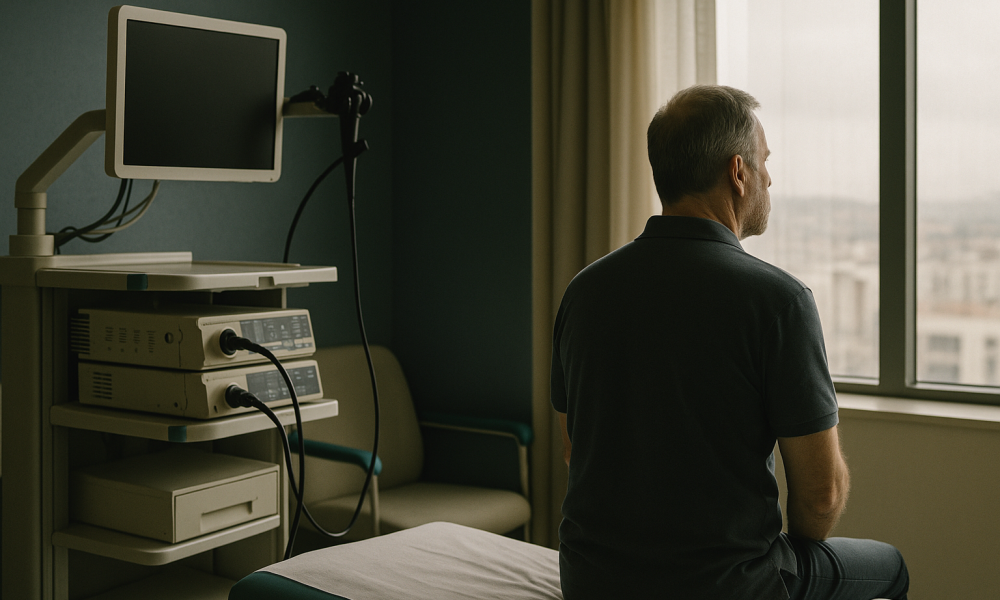
What Endoscopy and Colonoscopy Abroad is and who it is for
Endoscopy and colonoscopy are diagnostic procedures that allow physicians to examine the interior of the digestive tract. These procedures are commonly undertaken to investigate symptoms such as abdominal pain, persistent heartburn, or unexplained weight loss. In Turkey, medical tourism offers these services at competitive prices, attracting patients seeking quality care at a reduced cost compared to the United States.
An endoscopy involves using a flexible tube with a light and camera attached to it, known as an endoscope, to view the oesophagus, stomach, and the first part of the small intestine. A colonoscopy, on the other hand, uses a similar instrument called a colonoscope to examine the colon and rectum. Both procedures can detect abnormalities such as ulcers, polyps, or tumours.
Patients from the United States often consider travelling to Turkey for these procedures due to the combination of advanced medical facilities, experienced healthcare professionals, and the opportunity for significant cost savings. The cost of an endoscopy or colonoscopy in Turkey typically ranges from £500 to £1,500, depending on the complexity of the procedure and the facility chosen. This is markedly lower than the prices in the U.S., where costs can exceed £3,000.
Moreover, Turkey’s healthcare infrastructure is well-regarded, with many hospitals accredited by international bodies such as the Joint Commission International (JCI). This accreditation ensures that facilities meet high standards of patient care and safety.
These procedures are beneficial for individuals who are experiencing gastrointestinal symptoms or have a family history of colorectal cancer. They are also used as routine screening tools for individuals over the age of 50, as recommended by many health guidelines.
Are you a good candidate?
Determining if you are a suitable candidate for endoscopy or colonoscopy involves several considerations. These procedures are generally safe and well-tolerated, but they are not necessary for everyone. Evaluating your specific situation with a healthcare provider is crucial.
- Age and Health Status: Adults over 50 are often advised to undergo colonoscopy as part of routine screening for colorectal cancer, especially if there is a family history of the disease. Endoscopy may be recommended for individuals with persistent gastrointestinal symptoms.
- Symptoms: Common indications for these procedures include persistent abdominal pain, chronic heartburn, difficulty swallowing, and gastrointestinal bleeding. If you experience any of these symptoms, you may be a good candidate.
- Medical History: A history of gastrointestinal issues, such as Crohn’s disease or ulcerative colitis, may necessitate more frequent monitoring through endoscopy or colonoscopy.
- Risk Factors: Those with lifestyle factors such as a diet high in processed foods, smoking, or excessive alcohol consumption may be advised to undergo these procedures more regularly.
- Previous Test Results: If previous screenings have indicated polyps or other abnormalities, follow-up procedures might be required to monitor changes.
Before deciding on undergoing these procedures in Turkey, it is essential to consult with both your local healthcare provider and the chosen facility abroad. They can help assess your individual health needs and determine the appropriateness of travelling for medical care. Additionally, consider discussing potential risks, benefits, and aftercare requirements to ensure a smooth medical tourism experience.
The procedure, step by step
Undergoing an endoscopy or colonoscopy in Turkey involves a series of carefully coordinated steps to ensure patient safety and the effectiveness of the procedure. Understanding each stage can help alleviate concerns and promote a smoother experience.
- Pre-procedure Consultation: Upon arrival in Turkey, patients typically meet with their gastroenterologist to discuss the procedure details. This consultation includes reviewing medical history, current medications, and any allergies. The doctor may also perform physical examinations and possibly request diagnostic tests to tailor the procedure to your needs.
- Preparation: For a colonoscopy, preparation involves dietary restrictions and bowel-cleansing. Patients are usually required to consume a clear-liquid diet 24 hours before the procedure and take a prescribed laxative solution. This preparation ensures the colon is free of obstructions for clear visibility. For endoscopy, fasting for at least 6-8 hours prior is necessary to reduce the risk of aspiration.
- Admission to the Clinic: On the day of the procedure, you will be admitted to the clinic or hospital. After registering, a nurse will guide you to a pre-procedure area where you will change into a hospital gown. Vital signs are checked, and an intravenous (IV) line is typically inserted to administer sedation.
- Administration of Sedation: Most endoscopy and colonoscopy procedures are performed under conscious sedation. This means you will be awake but relaxed and unlikely to remember the procedure. Anaesthesiologists or trained nurses typically administer medications through the IV line.
- The Procedure: During an endoscopy, a thin, flexible tube with a camera is gently inserted through the mouth to examine the upper digestive tract. A colonoscopy involves inserting a similar tube through the rectum to inspect the colon. Both procedures allow for diagnosis and treatment, such as removing polyps or taking biopsies.
- Post-procedure Observation: After the procedure, you will be moved to a recovery area where medical staff will monitor your vital signs as the sedation wears off. Patients usually stay in this area for about 1-2 hours. It is common to experience mild bloating or cramping during this time.
- Discharge: Once you are fully awake and stable, you will receive discharge instructions. It’s crucial to arrange transportation, as you won’t be allowed to drive after sedation. Instructions will include dietary recommendations and signs of complications to watch for.
Recovery timeline
The recovery process following an endoscopy or colonoscopy is generally swift, but it is essential to follow medical advice to ensure a full recovery without complications. Here is a typical recovery timeline:
| Period | What to Expect | Care Notes |
|---|---|---|
| Day 1 | Post-procedure, some drowsiness and minor discomfort such as bloating or cramping are typical. You may also pass gas as the air introduced during the procedure is expelled. | Rest is crucial. Avoid driving or operating machinery. Stick to light meals and drink plenty of fluids to stay hydrated. |
| Days 2-3 | Most patients feel back to normal, though some mild discomfort may persist. Bowel movements should return to normal, although slight changes in stool colour are possible due to the procedure. | Gradually resume normal diet, but avoid heavy or spicy foods if discomfort persists. Continue to drink fluids, and consider a mild pain reliever if needed. |
| Week 1 | By the end of the first week, any residual symptoms should be resolved. Follow-up results from any biopsies taken during the procedure are typically available. | Attend any scheduled follow-up appointments. Report any unusual symptoms to your healthcare provider immediately. |
| Full Recovery | Most patients achieve full recovery within one to two weeks post-procedure. At this stage, normal activities can be resumed without restrictions. | Continue to monitor your health and adhere to any long-term lifestyle advice given by your healthcare provider, especially if polyps were removed or other conditions were identified. |
While complications are rare, it’s important to be aware of warning signs such as severe abdominal pain, fever, or persistent bleeding, which require immediate medical attention. Adhering to the recovery guidelines provided by your healthcare team in Turkey will help ensure a smooth and successful recovery.
5. What it costs: Turkey vs the United States
When considering endoscopy and colonoscopy procedures abroad, cost is a significant factor for many patients. Turkey has become an attractive destination for medical tourists, offering high-quality healthcare services at competitive prices. To better understand the financial aspect, it is helpful to compare the indicative cost ranges for these procedures in Turkey versus the United States.
| Procedure | Turkey (Indicative Range) | United States (Indicative Range) |
|---|---|---|
| Endoscopy | $500 – $1,200 | $1,500 – $4,000 |
| Colonoscopy | $600 – $1,500 | $2,000 – $5,000 |
It’s important to note that these figures are indicative and can vary based on several factors, including the specific healthcare facility, the complexity of the procedure, and any additional services required. In Turkey, the price for these procedures often includes the cost of the initial consultation, the procedure itself, and post-procedure care. In some cases, packages might also cover accommodation and transportation, though this can vary between providers.
In the United States, healthcare costs are typically higher due to a variety of factors, including administrative expenses and the cost of malpractice insurance. Additionally, US prices often do not include ancillary services such as consultations or follow-up appointments, which can add significantly to the overall expense.
For international patients, the cost savings in Turkey can be substantial. However, it is crucial to consider the entire package, including travel expenses and any potential need for extended stays. It is advisable to contact multiple providers in Turkey to get a comprehensive understanding of what is included in their packages and to ensure that there are no hidden costs.
Ultimately, while cost is a compelling reason to consider treatment in Turkey, it is equally important to evaluate the quality of care, the experience of the medical team, and the accreditation of the facility. This holistic approach ensures that you are not only saving money but also receiving care that meets international standards.
6. Risks and how accredited providers manage them
Undergoing any medical procedure, including endoscopy and colonoscopy, involves certain risks. These can range from mild complications, such as discomfort or bloating, to more serious issues like bleeding or perforation of the gastrointestinal tract. In rare cases, patients may experience adverse reactions to the sedatives used during the procedure.
Accredited healthcare providers in Turkey are well-equipped to manage these risks effectively. Accreditation from international bodies such as the Joint Commission International (JCI) ensures that these facilities adhere to strict safety standards and protocols. This includes maintaining sterile environments, employing highly trained medical staff, and using state-of-the-art equipment.
To minimise risks, accredited providers implement several strategies. Pre-procedure evaluations are conducted to assess the patient’s overall health and identify any potential risk factors. This helps in tailoring the procedure to the individual’s needs and in deciding on the safest sedation options.
During the procedure, continuous monitoring of the patient’s vital signs is standard practice. This allows for the immediate detection and management of any complications that may arise. In the event of an adverse reaction, trained staff are prepared to intervene promptly, ensuring patient safety.
Post-procedure, patients are typically monitored in a recovery area until they are fully awake and stable. Accredited facilities provide clear instructions for post-procedure care, including signs of potential complications that patients should watch for once they return home. Follow-up appointments are often scheduled to ensure the patient’s recovery is progressing as expected.
While the risk of complications cannot be entirely eliminated, the likelihood is significantly reduced when procedures are performed in accredited facilities that follow rigorous safety protocols. Patients are encouraged to discuss any concerns with their healthcare provider and to ensure they fully understand the risks and benefits of the procedure before proceeding.
In summary, while endoscopy and colonoscopy procedures carry inherent risks, choosing an accredited provider in Turkey can help manage these effectively. By prioritising facilities with recognised accreditations and a strong track record of safety, patients can feel reassured about the quality and safety of their care.
7. How to choose the right provider
Choosing the right provider for your endoscopy or colonoscopy in Turkey is a critical step to ensure a safe and successful procedure. There are several factors to consider, including accreditation, the experience of the medical team, aftercare options, and potential red flags.
Accreditation: Ensure that the hospital or clinic is accredited by international organisations such as the Joint Commission International (JCI) or the International Organization for Standardization (ISO). These accreditations indicate that the facility meets high standards of safety and quality in healthcare.
Surgeon Experience: Research the qualifications and experience of the gastroenterologists. Look for specialists who have extensive experience in performing endoscopies and colonoscopies, ideally with a focus on your specific condition. It is reasonable to expect at least 5-10 years of experience in the field, and you can request information on the number of procedures performed annually.
Aftercare: Comprehensive aftercare is crucial for recovery. Inquire about the aftercare services provided, including post-procedure monitoring, availability of on-call medical staff, and support in case of complications. Some facilities offer a dedicated patient coordinator to assist with your recovery and follow-up care.
Red Flags: Be cautious of clinics that offer unusually low prices or make unrealistic promises about outcomes. Lack of transparency in pricing or reluctance to provide detailed information about the procedure and the medical team are also warning signs. Additionally, ensure that the facility maintains a high standard of cleanliness and infection control.
Before finalising your decision, consider reaching out to past patients for testimonials, if available, to gain insights into their experiences. A well-vetted provider will be transparent about their credentials and will encourage you to ask questions to ensure you feel confident in your choice.
8. Planning your trip
Planning your trip for an endoscopy or colonoscopy in Turkey involves several important steps to ensure a smooth experience. From timeline considerations to necessary documentation, here is a detailed guide to help you prepare.
Timeline Before Travel: Begin planning at least 2-3 months in advance. This allows sufficient time to research providers, obtain necessary medical records, and schedule consultations. Ensure that you have a clear understanding of the procedure timeline, including any necessary pre-procedure dietary restrictions or medication adjustments.
Documents: Prepare and organise essential documents, including your passport, visa (if required), medical records, and travel insurance. It is advisable to have a letter from your primary care physician detailing your medical history and the necessity for the procedure.
Length of Stay: Plan for a stay of 5-10 days, depending on the complexity of the procedure and your recovery needs. An endoscopy might require a shorter stay, while a colonoscopy, especially if therapeutic interventions are performed, may necessitate a longer recovery period.
Follow-up at Home: Arrange for follow-up care with your local healthcare provider before you travel. Share details of your planned procedure and discuss any potential post-procedure care needs. It is also wise to establish communication with the Turkish provider for any post-procedure questions or concerns.
Consider booking accommodations close to the medical facility to minimise travel stress, and ensure easy access to medical care. Additionally, it is beneficial to familiarise yourself with local customs and healthcare practices to enhance your overall experience. With careful planning, your medical trip to Turkey can be a smooth and successful journey.
Frequently Asked Questions
What costs should I expect for an endoscopy in Turkey?
The cost of an endoscopy in Turkey typically ranges between $500 and $1,500, depending on the complexity of the procedure and the facility's location. This price range is indicative and may include the procedure itself, anaesthesia, and basic aftercare. It is recommended to confirm the inclusions in the quoted price and ask about any additional fees that may apply.
How much does a colonoscopy cost in Turkey?
A colonoscopy in Turkey usually costs between $800 and $2,000. This range reflects variations in the type of colonoscopy (diagnostic or therapeutic), the clinic's reputation, and the inclusion of anaesthesia and post-procedure care. Always verify what is included in the quoted price to avoid unexpected expenses.
Is it safe to undergo an endoscopy or colonoscopy in Turkey?
Turkey is a popular destination for medical procedures, including endoscopies and colonoscopies, due to its well-equipped facilities and experienced medical professionals. Safety is generally high, especially in JCI or ISO-accredited clinics. It is crucial to choose a reputable provider and ensure clear communication regarding the procedure and aftercare to further enhance safety.
What should I bring with me for the procedure?
Bring a copy of your medical records, including any previous endoscopy or colonoscopy results, a list of current medications, and any allergies. Ensure you have your passport, travel insurance details, and any specific instructions provided by the healthcare provider. Comfortable clothing and personal toiletries are also advisable for your stay.
How do I arrange follow-up care after returning home?
Before travelling, discuss your procedure with your local healthcare provider to arrange follow-up care. Provide them with details about your procedure in Turkey and ensure they are available for any post-procedure assessments. Maintain communication with your Turkish provider for continuity of care and to address any concerns.
What are the pre-procedure dietary restrictions I should follow?
Typically, a clear liquid diet is recommended 24 hours before a colonoscopy to ensure the colon is clean. You may need to avoid certain foods and medications for several days prior. Your healthcare provider will give specific instructions tailored to your procedure requirements.
Do I need a visa to travel to Turkey for medical treatment?
US citizens can enter Turkey for tourism or medical purposes with an e-Visa, which can be obtained online before travel. It is valid for up to 90 days. Ensure your passport is valid for at least six months from your date of entry into Turkey.
Can I travel alone for the procedure?
While it is possible to travel alone, it is advisable to have a companion for support, especially post-procedure. A companion can assist you during your recovery and help navigate any logistical challenges that may arise.
What is the recovery time after a colonoscopy?
Most patients can resume normal activities within 24-48 hours after a colonoscopy, assuming no complications arise. However, it is advised to rest and avoid strenuous activities for a few days. Your healthcare provider will give specific recovery instructions based on your procedure.
How soon can I fly after the procedure?
It is generally recommended to wait at least 24-48 hours before flying after an endoscopy or colonoscopy to allow time for recovery and to ensure no immediate complications arise. Discuss your travel plans with your healthcare provider for personalised advice.
What if I experience complications once back home?
In case of complications, contact your local healthcare provider immediately. Keep your Turkish provider's contact information handy for additional guidance. Prompt communication can help manage any issues effectively and ensure you receive the necessary care.
Are there language barriers in Turkish hospitals?
Many hospitals in Turkey catering to international patients have English-speaking staff or offer translation services. It is beneficial to confirm this in advance and request any necessary language support to ensure clear communication throughout your treatment.