
What Endoscopy and Colonoscopy Abroad is and who it is for
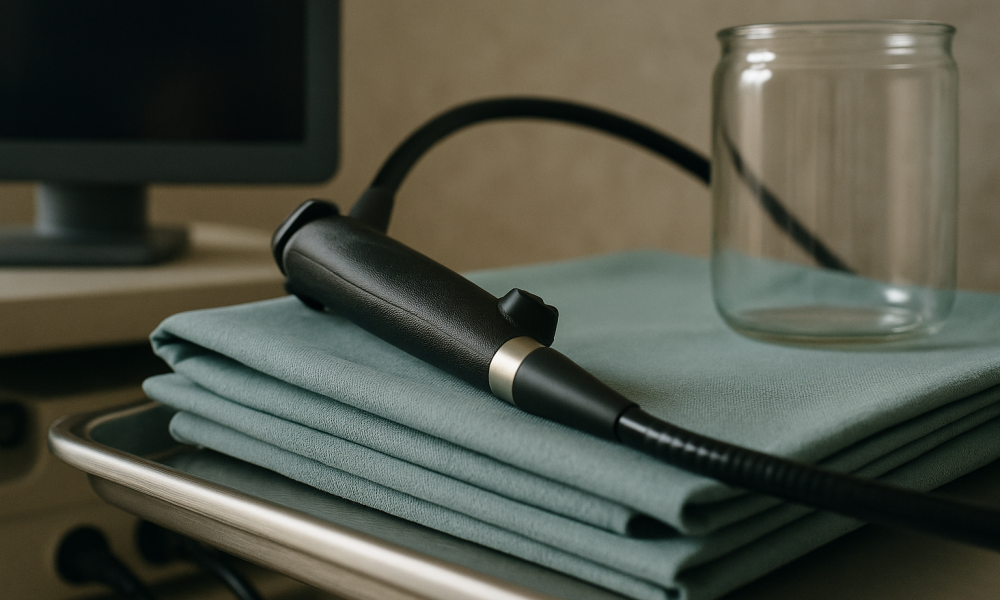
Endoscopy is a broad term used to describe a variety of minimally invasive procedures that allow doctors to view the inside of the body. An endoscope is a thin, flexible tube equipped with a light and camera, which transmits images to a monitor for detailed examination. Colonoscopy, a specific type of endoscopy, focuses on the colon and rectum, helping to identify issues such as polyps, cancers, or inflammatory diseases. These procedures are commonly performed to diagnose conditions and sometimes to treat them, such as removing polyps or taking tissue biopsies.
For Canadian patients considering medical tourism, Turkey offers a compelling option for endoscopy and colonoscopy procedures. Known for its advanced healthcare facilities, Turkey provides high-quality medical services at more affordable prices compared to Canada. Patients may choose to have these procedures abroad for several reasons, including long waiting times for non-emergency procedures at home, the need for specialised care not readily available locally, or the opportunity to combine healthcare with travel.
The infrastructure in Turkish hospitals and clinics is robust, with many facilities accredited by international bodies such as the Joint Commission International (JCI). This ensures adherence to high standards of care, safety, and patient satisfaction. Furthermore, many Turkish doctors are trained internationally and are fluent in English, which can ease communication barriers for Canadian patients.
Typically, an endoscopy or colonoscopy in Turkey is an outpatient procedure. Patients can expect the entire process, from initial consultation to discharge, to be efficiently managed. The procedure itself usually takes between 15 and 60 minutes, depending on the complexity and purpose. Anaesthesia options include local anaesthesia or mild sedation, allowing for a quick recovery and minimal discomfort.
Indicative costs for these procedures in Turkey can range from £800 to £1,500, significantly lower than in Canada, where costs can be substantially higher without insurance coverage. These prices reflect the procedure itself, pre-procedure consultations, and post-procedure care, offering excellent value for money.
Are you a good candidate?
Determining if you are a suitable candidate for endoscopy or colonoscopy abroad involves several factors. These procedures are generally recommended for individuals experiencing symptoms such as persistent abdominal pain, unexplained weight loss, chronic constipation or diarrhoea, and rectal bleeding. They are also used as preventive measures for individuals over the age of 50 or those with a family history of colorectal cancer.
- Medical necessity: Ensure that your symptoms warrant an endoscopic examination. Consult with your local healthcare provider to confirm the need for such a procedure.
- Medical history: Disclose your full medical history to your prospective Turkish healthcare provider. This includes previous surgeries, chronic conditions, and current medications.
- Travel readiness: Assess your ability to travel, considering both the physical demands of the trip and the post-procedure recovery period.
- Financial capability: Review your budget to ensure you can cover the procedure, travel, and potential accommodation costs.
- Support system: Consider having a family member or friend accompany you to provide support during your stay in Turkey.
- Communication: Comfortable communicating in English or through translation services provided by the healthcare facility.
It is crucial to have a thorough pre-travel consultation with your healthcare provider in Canada. They can provide valuable insights into your health status and what to expect, ensuring you are well-prepared for the procedure and the journey. Additionally, gathering comprehensive information about the healthcare facility and the medical professionals in Turkey will aid in making an informed decision.
The procedure, step by step
Undergoing an endoscopy or colonoscopy in Turkey involves a series of well-coordinated steps designed to ensure safety and accuracy. Understanding these steps can help alleviate anxiety and prepare you for a smooth experience.
- Pre-procedure consultation: Before the procedure, you will have a detailed consultation with a gastroenterologist. This may occur via video call or in person, depending on your arrival schedule. The doctor will review your medical history, discuss any current medications, and explain the procedure in detail. This is an opportunity to ask any questions and voice any concerns you may have.
- Preparation: To achieve optimal visibility during the procedure, your digestive tract must be clear. For a colonoscopy, you will typically be required to follow a special diet, often low-fibre, for a few days prior. A bowel preparation solution is usually taken the day before, which will induce diarrhoea to fully cleanse the colon. For an endoscopy, fasting for 6-8 hours before the procedure is generally required.
- Arrival at the clinic: On the day of the procedure, you will arrive at the clinic or hospital, where administrative staff will assist you with any necessary paperwork. You will be asked to sign consent forms, acknowledging the procedure and any associated risks.
- Pre-procedure preparation: You will be taken to a preparation area, where you will change into a hospital gown. A nurse will review your medical information once more and may insert an intravenous (IV) line to administer sedatives or anaesthesia.
- Undergoing the procedure: The procedure is typically performed in a dedicated endoscopy suite. For a colonoscopy, you will lie on your side, and the doctor will insert a colonoscope into your rectum to examine the colon. For an endoscopy, you will lie on your back, and the doctor will gently insert an endoscope through your mouth to view the oesophagus, stomach, and duodenum. Sedation ensures you remain comfortable throughout.
- Post-procedure recovery: After the procedure, you will be moved to a recovery area where medical staff will monitor you as the sedation wears off. You may experience mild bloating or cramping, which typically resolves quickly. The doctor will discuss initial findings with you and advise if a follow-up is needed for biopsy results.
- Discharge: Once you are fully alert, usually within an hour or two, you will be discharged. You will need someone to accompany you as the effects of sedation may impair your ability to drive or make decisions.
Recovery timeline
The recovery period following an endoscopy or colonoscopy in Turkey is generally straightforward. Understanding what to expect can help you manage your post-procedure care effectively.
| Period | What to expect | Care notes |
|---|---|---|
| Day 1 | Immediate post-procedure, you may feel drowsy due to sedation. Some patients experience mild bloating, cramping, or a sore throat, especially after an endoscopy. | Rest is crucial. Avoid driving or operating machinery. Drink plenty of fluids to stay hydrated, and resume eating light meals as tolerated. |
| Day 2-3 | Most patients feel significantly better. Any minor discomfort such as bloating or throat soreness should diminish. You may notice changes in bowel movements, which is normal. | Continue with a balanced diet, gradually reintroducing fibre. Monitor for any unusual symptoms like persistent pain or bleeding, and report these to your doctor. |
| Day 4-7 | By this time, the majority of patients have fully recovered, with normal activity levels resumed. Any biopsies taken will typically have results available for review. | Follow up with your doctor if biopsy results require discussion. Maintain a healthy lifestyle to support digestive health. |
| Full recovery | Usually within a week, patients return to their regular routines without restrictions. Complete recovery is expected barring any complications. | Ensure you attend any scheduled follow-up appointments, especially if there were findings that require monitoring or further intervention. |
Overall, the recovery process is designed to be as comfortable and seamless as possible, with medical teams available to address any concerns you may have.
What it costs: Turkey vs Canada
When considering endoscopy and colonoscopy procedures abroad, cost is often a significant factor for Canadian patients. Turkey offers competitive pricing compared to Canada, making it an attractive option for those seeking affordable healthcare without compromising on quality. Below is a comparison of indicative price ranges for these procedures in both countries.
| Procedure | Indicative Cost in Turkey (USD) | Indicative Cost in Canada (USD) | Typical Package Inclusions |
|---|---|---|---|
| Endoscopy | $500 – $1,000 | $1,500 – $3,000 | Consultation, procedure, basic laboratory tests, and post-procedure care |
| Colonoscopy | $600 – $1,200 | $1,800 – $3,500 | Consultation, procedure, sedation, basic laboratory tests, and post-procedure care |
These figures are indicative and can vary based on the specific healthcare provider, the complexity of the procedure, and additional services required. In Turkey, packages typically include a comprehensive set of services that go beyond the procedure itself. For instance, pre-procedure consultations with specialists, necessary medical tests, and follow-up appointments are often bundled into the package. This holistic approach ensures that international patients receive thorough care, from initial consultation to recovery.
In contrast, costs in Canada can be significantly higher due to various factors, including the general cost of healthcare services, administrative expenses, and longer waiting times for procedures. It’s important for prospective patients to consider not only the monetary cost but also the value of time and the quality of care provided. By choosing Turkey, patients may benefit from shorter waiting times and the ability to schedule procedures at their convenience.
Ultimately, while cost is a crucial consideration, patients should also ensure that the chosen facility is accredited and the healthcare professionals are qualified and experienced. This ensures that the care received is both safe and effective, providing peace of mind to those travelling for medical treatment.
Risks and how accredited providers manage them
Undergoing medical procedures such as endoscopy and colonoscopy involves inherent risks, regardless of the location. However, accredited healthcare providers in Turkey implement rigorous protocols to manage and minimise these risks, ensuring patient safety and quality outcomes.
Common risks associated with endoscopy and colonoscopy include adverse reactions to anaesthesia or sedation, bleeding, and, in rare cases, perforation of the stomach or intestinal wall. Accredited providers in Turkey employ highly trained medical professionals who are adept at recognising and managing these risks effectively. They follow internationally recognised guidelines and standards to ensure that all procedures are conducted safely.
- Pre-Procedure Assessment: Comprehensive pre-procedure evaluations are conducted to assess patient suitability and identify any potential risk factors. This includes reviewing medical history, current medications, and any allergies.
- Use of Advanced Technology: Accredited facilities in Turkey are equipped with state-of-the-art technology that enhances the precision and safety of procedures. This includes high-definition imaging and advanced endoscopic tools that allow for better visualisation and control.
- Experienced Medical Staff: The medical teams are composed of experienced gastroenterologists and anaesthesiologists who are skilled in performing these procedures and managing any complications that may arise.
- Post-Procedure Monitoring: After the procedure, patients are closely monitored in recovery rooms to ensure any immediate complications are addressed promptly. This includes monitoring vital signs and managing pain or discomfort.
- Accreditation and Quality Assurance: Many healthcare providers in Turkey are accredited by international bodies, such as the Joint Commission International (JCI), which ensures adherence to strict quality and safety standards.
It is important for patients to understand that while risks cannot be entirely eliminated, the likelihood of complications can be significantly reduced through careful planning and execution. Choosing an accredited provider is crucial, as it guarantees a certain level of quality and safety, backed by regular audits and compliance with international healthcare standards.
Patients should also engage in open communication with their healthcare providers, asking questions about the procedure, risks, and what measures are in place to mitigate them. This transparency helps build trust and allows patients to make informed decisions about their healthcare journey abroad.
How to choose the right provider
Choosing the right provider for your endoscopy or colonoscopy in Turkey is a crucial step in ensuring a successful and safe experience. Start by looking for international accreditation. Facilities accredited by bodies such as the Joint Commission International (JCI) or the European Society of Gastrointestinal Endoscopy (ESGE) adhere to rigorous standards of quality and safety, similar to those in Canada.
Surgeon experience is another critical factor. Research the qualifications and experience of the specialists. Many Turkish gastroenterologists have extensive training, often with international experience, and are members of global professional organisations. Verify their credentials and look for specialists with at least 5-10 years of experience in performing these procedures.
Another aspect to consider is the aftercare services provided by the clinic or hospital. Quality aftercare can significantly impact your recovery. Ensure that the provider offers comprehensive post-procedure care, including follow-up consultations and emergency contact options. Inquire about the availability of English-speaking staff to facilitate clear communication.
Be aware of red flags that might indicate a less reliable provider. Avoid clinics that make unrealistic promises or guarantee outcomes, as no medical procedure can offer absolute certainty. Be cautious if the provider pressures you to make quick decisions or offers prices that seem too good to be true. Transparency in pricing and procedures is a good sign of a reputable provider.
Finally, seek out patient reviews and testimonials. These can provide insights into other patients’ experiences and the overall reputation of the provider. Look for consistent positive feedback regarding the procedure outcomes, staff professionalism, and facility cleanliness. However, take extremely negative or positive reviews with a grain of caution, and corroborate them with other sources.
Planning your trip
Planning your trip for an endoscopy or colonoscopy in Turkey involves several steps to ensure a smooth experience. Begin by establishing a timeline for your medical travel. It is advisable to book your procedure at least 4-6 weeks in advance to accommodate any necessary consultations and travel arrangements.
Ensure you have all the necessary documents. This includes a valid passport, visa (if required), medical records, and any referral letters from your Canadian doctors. It’s also wise to carry a list of current medications and any relevant medical history in case of emergencies. Some clinics may require you to complete a health questionnaire before your arrival.
Consider the length of stay in Turkey. Typically, plan for a stay of 5-7 days. This allows time for the procedure, initial recovery, and any follow-up appointments. Discuss with your healthcare provider about the expected recovery time and any specific post-procedure instructions.
Think about follow-up care once you return home. Coordinate with your healthcare provider in Canada to ensure continuity of care. It’s essential to have a plan for follow-up appointments to monitor your recovery and address any complications that may arise. Your Turkish provider should provide detailed records of the procedure to share with your local doctor.
Lastly, consider travel logistics such as accommodation and transportation. Many patients opt for hotels near the medical facility for convenience. Some clinics offer package deals that include transportation from the airport and accommodation, providing an added layer of convenience. Always confirm the details of such packages to avoid unexpected expenses.
Frequently Asked Questions
How much does an endoscopy typically cost in Turkey?
The cost of an endoscopy in Turkey can vary depending on the facility and the specific requirements of your procedure. Generally, you can expect to pay between £400 and £800. This usually includes the procedure itself, pre-operative assessments, and basic aftercare. It's important to confirm what is included in the quoted price to avoid any unexpected expenses.
What is the cost range for a colonoscopy in Turkey?
A colonoscopy in Turkey typically costs between £500 and £1,000. This range depends on the clinic and any additional services you may require, such as sedation or biopsy. Always ask for a detailed breakdown of costs prior to making any commitments, so you have a clear understanding of what is covered in the price.
Is it safe to have an endoscopy or colonoscopy in Turkey?
Yes, it can be safe to have these procedures in Turkey, provided you choose a reputable clinic with international accreditation and experienced medical professionals. It's crucial to do thorough research on the facility's credentials, patient reviews, and aftercare services to ensure a safe and successful medical experience.
What should I look for in a medical provider in Turkey?
When selecting a medical provider in Turkey, look for international accreditation, experienced and qualified specialists, comprehensive aftercare services, and positive patient reviews. Avoid clinics that make unrealistic promises or pressure you into quick decisions. Transparency and professionalism are key indicators of a reliable provider.
How long do I need to stay in Turkey for a colonoscopy?
For a colonoscopy, you should plan to stay in Turkey for about 5-7 days. This duration allows for the procedure, initial recovery, and any necessary follow-up appointments. Discuss specific timelines with your healthcare provider to ensure you account for any personal medical needs.
What documents do I need to bring for my procedure?
You will need to bring a valid passport, any required visa, and your medical records. It's also advisable to bring a list of current medications and any documentation from your Canadian healthcare provider, such as referral letters or recent test results, to assist the Turkish medical team.
Will language be a barrier during my medical trip?
Language is generally not a barrier in major medical facilities in Turkey, as many healthcare providers have English-speaking staff. However, it's always wise to confirm this with your chosen clinic and possibly arrange for a translator if you feel more comfortable having one during your consultations.
How do I arrange follow-up care once I return to Canada?
Before leaving Turkey, ensure you receive detailed medical records of your procedure to share with your Canadian healthcare provider. Coordinate with them in advance to plan any necessary follow-up appointments to monitor your recovery and address any potential complications.
Are there package deals available for medical tourists?
Yes, many clinics in Turkey offer package deals that may include the procedure, accommodation, and transportation. These packages can provide convenience and potentially lower overall costs. Always review the details of such packages to ensure they meet your needs and expectations.
What are the typical recovery times for endoscopy and colonoscopy?
Recovery times for endoscopy and colonoscopy are generally short. Most patients can resume normal activities within a day or two, although it's advisable to avoid strenuous activities for a few days. Your healthcare provider will give specific instructions based on your individual case.
Can I travel alone for my procedure?
While you can travel alone, it's often recommended to have a companion, especially for procedures that involve sedation, like a colonoscopy. Having someone to assist you during recovery and help with post-procedure instructions can be beneficial. If traveling alone, ensure you have adequate support from the clinic.
How do I verify the credentials of a Turkish medical facility?
You can verify a facility's credentials by checking for international accreditations like JCI or ESGE and reviewing the qualifications of the medical staff. Patient testimonials and reviews can also provide insight into the experiences of others. Contacting the facility directly for references can further assure you of their credibility.