
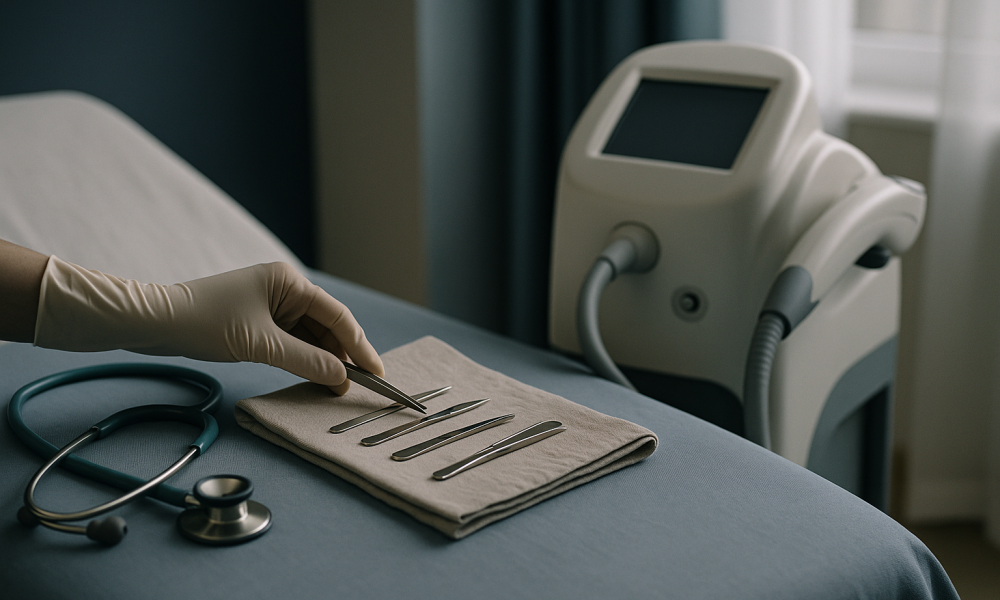
What Laser Hair Removal is and who it is for
Laser hair removal is a popular cosmetic procedure that utilises concentrated beams of light to remove unwanted hair. The laser emits a light absorbed by the pigment (melanin) in the hair. This light energy is converted to heat, which damages the hair follicles that produce hairs. This damage inhibits or delays future hair growth, making it an effective long-term hair reduction method.
This procedure is commonly used to treat hair on the face, legs, arms, underarms, bikini line, and other areas. It is suitable for most individuals seeking to reduce hair growth, although it works best on individuals with light skin and dark hair due to the contrast between the pigment in the hair and the skin. However, advances in laser technology have improved results for those with darker skin tones, using specific types of lasers that are safer and more effective for these skin types.
Laser hair removal is typically performed in a series of sessions, as hair grows in cycles, and the laser can only affect hair in the active growth phase. Most patients require between 3 to 8 sessions, spaced 4 to 6 weeks apart, to achieve optimal results. The procedure is generally quick, depending on the size of the area being treated. Small areas like the upper lip can be treated in minutes, while larger areas such as the back or legs may take up to an hour.
One of the primary benefits of laser hair removal is the precision it offers. Lasers can selectively target dark, coarse hairs while leaving the surrounding skin undamaged. The speed and precision of laser hair removal make it an efficient choice for those seeking long-term hair reduction solutions. While it is not a permanent hair removal solution, many experience a significant reduction in hair growth, and any regrowth tends to be lighter and finer.
Are you a good candidate?
Determining whether you are a suitable candidate for laser hair removal involves several considerations. The ideal candidate typically has light skin and dark hair, as the laser targets the pigment in the hair. However, recent advancements have made it possible for individuals with darker skin tones to also undergo laser hair removal safely, using specialised lasers that cater to their skin type.
- Skin type: While laser hair removal can be effective on most skin types, those with a high contrast between their skin and hair colour tend to see the best results. Specialised lasers are available for those with darker skin.
- Hair colour: Dark hair is ideal for laser treatment. Blond, red, grey, and white hair do not absorb laser light as effectively due to lower melanin levels.
- Health status: Candidates should be in good overall health and not have any skin infections or active skin conditions in the treatment area. Those with a history of keloid scarring should consult with a dermatologist before proceeding.
- Realistic expectations: While laser hair removal significantly reduces hair growth, it may not eliminate hair completely. Understanding the potential outcomes is crucial for satisfaction with the results.
- Commitment to multiple sessions: Since hair grows in cycles, multiple sessions are necessary to target all hairs effectively. Commitment to the recommended treatment schedule is essential for optimal results.
It is essential to consult with a qualified and experienced practitioner who can assess your specific needs and determine the most appropriate treatment plan. A thorough consultation will include a discussion of your medical history, a physical examination of the treatment area, and a review of your expectations and goals for the procedure.
The procedure, step by step
Laser hair removal in Turkey offers a precise and effective method of reducing unwanted hair. Understanding the procedure step by step can help set realistic expectations and ease any apprehensions you might have. Here is a detailed breakdown of what to expect during a typical laser hair removal session:
- Initial Consultation: The process begins with a thorough consultation. A certified dermatologist or laser technician will assess your skin type, hair colour, and the area to be treated. This step is crucial to determine the most suitable laser technology and to discuss your medical history, ensuring the treatment is safe and effective for you.
- Patch Test: Before proceeding with the full treatment, a patch test is often conducted. This involves applying the laser to a small area of skin to check for any adverse reactions. The patch test helps to confirm the appropriate laser settings and ensures your safety.
- Preparation: On the day of the treatment, the targeted area will be cleansed, and any make-up, lotions, or creams will be removed. Shaving the area 24 hours before the session is usually recommended to avoid skin irritation during the procedure.
- Application of Protective Gear: Both you and the technician will wear protective eyewear to shield your eyes from the laser’s intense light. This safety measure is standard practice in all reputable clinics.
- Laser Application: The technician will use a handheld device to deliver laser pulses to the hair follicles. The sensation is often described as a mild pinprick or a rubber band snap against the skin. Depending on the area size, this can take anywhere from 15 minutes to over an hour.
- Cooling and Soothing: Post-treatment, a cooling gel or anti-inflammatory lotion may be applied to the treated area to soothe the skin. This step helps to minimise any discomfort and reduce swelling or redness.
- Post-Treatment Instructions: Aftercare guidelines will be provided, including avoiding sun exposure, heat treatments like saunas, and specific skincare products for a few days post-treatment. These instructions are crucial to achieving optimal results and preventing complications.
Each session is designed to target hair in its growth phase, and multiple sessions are typically required for comprehensive results. The exact number of sessions varies, with most individuals requiring between 6 to 8 treatments at intervals of 4 to 6 weeks.
Recovery timeline
Understanding the recovery timeline following laser hair removal can help you plan accordingly and ensure the best possible outcomes. Below is a detailed table outlining what to expect from day one through full recovery:
| Period | What to Expect | Care Notes |
|---|---|---|
| Day 1 | Immediately after the procedure, you may experience redness and mild swelling, similar to a sunburn. | Apply a soothing aloe vera gel or a recommended post-laser cream. Avoid sun exposure and heat treatments. |
| Day 2-3 | Redness and swelling should begin to subside. The treated area may feel slightly sensitive. | Continue to avoid direct sunlight and use a broad-spectrum sunscreen of at least SPF 30 when outdoors. |
| Day 4-7 | The skin may start to feel normal. Some hair shedding might occur, which is part of the process. | Gently exfoliate the area to assist with shedding. Maintain hydration and moisturise the skin regularly. |
| Week 2-4 | Hair regrowth will be minimal. Skin should appear smoother. | Continue using sunscreen daily. Hair shedding should be complete. |
| Full Recovery | By 6 weeks, the skin fully recovers, and hair regrowth is significantly reduced. | Consult your technician to evaluate progress and schedule the next session if needed. |
Each individual’s recovery can vary slightly based on skin type and the area treated. Adhering to aftercare instructions is vital to minimise side effects and achieve the best results possible.
What it costs: Turkey vs the UK, Europe and North America
When considering laser hair removal abroad, cost is often a significant factor. Turkey has emerged as a popular destination for this procedure, largely due to its competitive pricing. The cost of laser hair removal in Turkey is generally lower than in the UK, Europe, and North America, making it an attractive option for many international patients. However, it is important to note that all price figures mentioned are indicative and can vary based on a range of factors, including the clinic’s location, the technology used, and the specific package offered.
| Region | Indicative Price Range (GBP) | Typical Package Inclusions |
|---|---|---|
| Turkey | £150 – £500 | Consultation, 4-6 sessions, aftercare |
| UK | £400 – £1,000 | Consultation, 4-6 sessions |
| Europe | £350 – £900 | Consultation, 4-6 sessions |
| North America | £500 – £1,200 | Consultation, 4-6 sessions |
The price advantage in Turkey is primarily due to lower operational costs, including rent and salaries, which are generally lower than in Western countries. These savings allow clinics to offer more affordable pricing without compromising on the quality of care. In addition to the lower base cost, many Turkish clinics offer comprehensive packages that include consultation, multiple sessions, and post-treatment care, providing good value for money.
Patients should ensure that they are comparing like-for-like packages when evaluating costs. Some clinics may offer lower prices but charge additional fees for consultations or post-treatment products. It is advisable to contact clinics directly to understand what is included in the quoted price to avoid unexpected costs.
Risks and how accredited providers manage them
As with any medical procedure, laser hair removal carries certain risks, although they are generally low when performed by qualified professionals. Common risks include skin irritation, changes in skin pigmentation, and, in rare cases, blistering or scarring. Understanding these risks is crucial for patients considering this treatment abroad, and selecting an accredited provider is key to managing them effectively.
Accredited providers in Turkey are required to adhere to strict safety protocols and hygiene standards. Clinics that are internationally accredited often have additional layers of oversight, ensuring that their procedures meet global best practices. These providers typically use advanced laser technology that is designed to minimise risks and enhance patient safety. For instance, many clinics employ lasers that are specifically calibrated for different skin types, which helps to reduce the likelihood of adverse reactions.
Before commencing treatment, a thorough consultation is conducted to assess the patient’s skin type, medical history, and specific needs. This initial consultation plays a crucial role in identifying any potential risk factors and tailoring the treatment plan accordingly. Providers may perform a patch test to observe how the skin reacts to the laser, further mitigating risks.
During the treatment, protective measures such as goggles are used to shield the eyes from laser exposure. The skin is also cooled using specialised equipment to prevent overheating and reduce discomfort. These precautions are standard practice among reputable clinics and are crucial in ensuring patient safety.
- Post-Treatment Care: Accredited providers offer detailed post-treatment care instructions to help patients manage any minor side effects. This may include recommendations for soothing creams, sun avoidance, and hydration.
- Follow-Up: Clinics often schedule follow-up appointments to monitor the patient’s progress and address any concerns, ensuring that any complications are promptly managed.
While the risks associated with laser hair removal are generally low, patients should feel empowered to ask questions and express any concerns during their initial consultation. A transparent provider will explain the potential risks and the measures taken to mitigate them, helping patients make informed decisions about their treatment.
How to choose the right provider
Choosing the right provider for laser hair removal in Turkey is crucial to ensure a safe and effective treatment. Start by checking the accreditation of the clinic. Reputable clinics are often accredited by international bodies such as the Joint Commission International (JCI) or national organisations like the Turkish Health Ministry. Accreditation ensures that the clinic adheres to international standards in patient care and safety.
Surgeon experience is another vital factor. Although laser hair removal is typically performed by trained technicians rather than surgeons, it’s essential to ensure that the staff have extensive experience and are certified in dermatological procedures. Ask the clinic about the training and experience of their personnel, including the number of procedures performed annually.
Consider the aftercare offered by the clinic. Aftercare is an integral part of the treatment to help manage any side effects and ensure the best results. Clinics should provide detailed guidance on skin care post-procedure and be available for follow-up consultations, either in person or remotely.
Be mindful of red flags when selecting a provider. These include clinics that guarantee results, offer prices significantly lower than the typical range of £75 to £150 per session, or have poor communication practices. Reading reviews from previous international patients can provide insights into the quality of care and customer service.
To summarise, choose a provider with the right accreditation, experienced staff, comprehensive aftercare plans, and transparent communication. These elements together contribute to a successful and safe laser hair removal experience in Turkey.
Planning your trip
Planning your trip for laser hair removal in Turkey involves several steps. Begin by considering the timeline before travel. It’s advisable to schedule your initial consultation and treatment at least two to four weeks in advance to allow time for travel arrangements and any preliminary assessments, such as skin type analysis.
Ensure you have all necessary documents. This includes a valid passport, which should be valid for at least six months beyond your planned departure date. You may also need a visa, depending on your nationality, which can often be obtained online through the Turkish e-Visa system. Additionally, bring any medical records that might be relevant to your skin condition or previous treatments.
Regarding the length of stay, plan to stay in Turkey for at least three to five days. This allows time for the initial consultation, treatment, and a follow-up visit to assess the immediate results and manage any side effects. If multiple sessions are needed, consider the possibility of returning for subsequent treatments or arranging them with a local provider at home.
Consider the follow-up at home. Many clinics offer virtual follow-up consultations to ensure your recovery is proceeding smoothly. Establish a connection with a local dermatologist before your trip to handle any immediate concerns post-treatment. This also helps if you require further sessions that can’t be completed during your stay in Turkey.
In conclusion, careful planning of your travel, documentation, and follow-up care is essential for a smooth and effective laser hair removal experience in Turkey.
Frequently Asked Questions
What is the typical cost of laser hair removal in Turkey?
The cost of laser hair removal in Turkey varies depending on the area being treated and the number of sessions required. On average, you can expect to pay between £75 to £150 per session. It's important to note that some clinics may offer package deals for multiple sessions, which can provide additional savings. Always confirm what is included in the price, such as aftercare or follow-up consultations.
How safe is laser hair removal in Turkey?
Laser hair removal in Turkey is generally safe when performed at accredited clinics with experienced staff. The procedure is non-invasive and uses advanced technology to target hair follicles. However, as with any medical procedure, there are potential risks such as skin irritation or pigmentation changes. To minimise risks, ensure the clinic is accredited and the technicians are certified and experienced. Follow all pre- and post-procedure care instructions provided by the clinic.
How many sessions of laser hair removal will I need?
The number of sessions required for laser hair removal varies depending on individual factors such as hair colour, skin type, and the area being treated. Typically, patients require between 6 to 8 sessions for optimal results, spaced about 4 to 6 weeks apart. During your initial consultation, the practitioner will assess your needs and provide a personalised treatment plan.
What should I expect during the laser hair removal procedure?
During the procedure, a handheld laser device is used to emit light energy that targets hair follicles. You might feel a slight stinging sensation, similar to a rubber band snapping against your skin. The treatment area may be cooled to enhance comfort. Sessions can last from a few minutes to over an hour, depending on the size of the area being treated. After the procedure, you may experience slight redness or swelling, which typically subsides within a few hours.
Are there any side effects of laser hair removal?
Common side effects of laser hair removal include temporary redness, swelling, and minor skin irritation in the treated area. These effects usually resolve within a few days. In rare cases, more serious side effects such as blistering, scarring, or changes in skin pigmentation can occur. Following aftercare instructions and choosing a reputable clinic can help minimise these risks.
What should I do to prepare for laser hair removal?
To prepare for laser hair removal, avoid sun exposure and tanning for at least two weeks before your appointment, as tanned skin can increase the risk of side effects. Shave the treatment area 24 hours before the procedure, and avoid waxing or plucking. Avoid using skincare products with active ingredients like retinoids or acids on the treatment area for a few days prior to your session.
Can I have laser hair removal if I have a tan?
It is generally recommended to avoid laser hair removal if you have a tan, as tanned skin can increase the risk of side effects such as burns or pigmentation changes. Most clinics advise waiting until your tan has faded before undergoing the procedure. This includes avoiding sun exposure and self-tanning products for at least two weeks before treatment.
Is laser hair removal permanent?
Laser hair removal provides long-lasting hair reduction but is not considered permanent. Most patients experience a significant reduction in hair growth, with some hair eventually regrowing. Maintenance sessions may be required to sustain results over time. The frequency of these sessions varies depending on individual factors and the area treated.
Can laser hair removal be done on all skin types?
Advancements in laser technology have made it possible to treat a wider range of skin types than before. However, the effectiveness of laser hair removal can vary depending on the contrast between hair and skin colour. Darker hair on lighter skin is typically the most responsive. During your consultation, the practitioner will assess your skin type and advise on the best approach for your needs.
How soon will I see results after laser hair removal?
Results from laser hair removal are not immediate. You may notice a reduction in hair growth after the first session, but optimal results typically require multiple treatments over several months. Hair grows in cycles, and laser treatment is most effective during the active growth phase. Full results can usually be seen after completing the recommended number of sessions.
What follow-up care is needed after laser hair removal?
Post-treatment care is crucial after laser hair removal. Avoid sun exposure and use sunscreen on treated areas to prevent pigmentation changes. Keep the skin moisturised and avoid hot showers, saunas, or activities that cause excessive sweating for 24-48 hours post-procedure. If you experience any discomfort, applying a cold compress can help alleviate symptoms. Follow all specific aftercare instructions provided by your clinic.
Are there any restrictions after laser hair removal treatment?
After laser hair removal, it is important to avoid sun exposure and wear sunscreen on the treated area to prevent pigmentation changes. Refrain from using hot tubs, saunas, or engaging in strenuous exercise for at least 24-48 hours. Avoid waxing or plucking hair between sessions, as these can interfere with the hair removal process. Shaving is acceptable between treatments.