
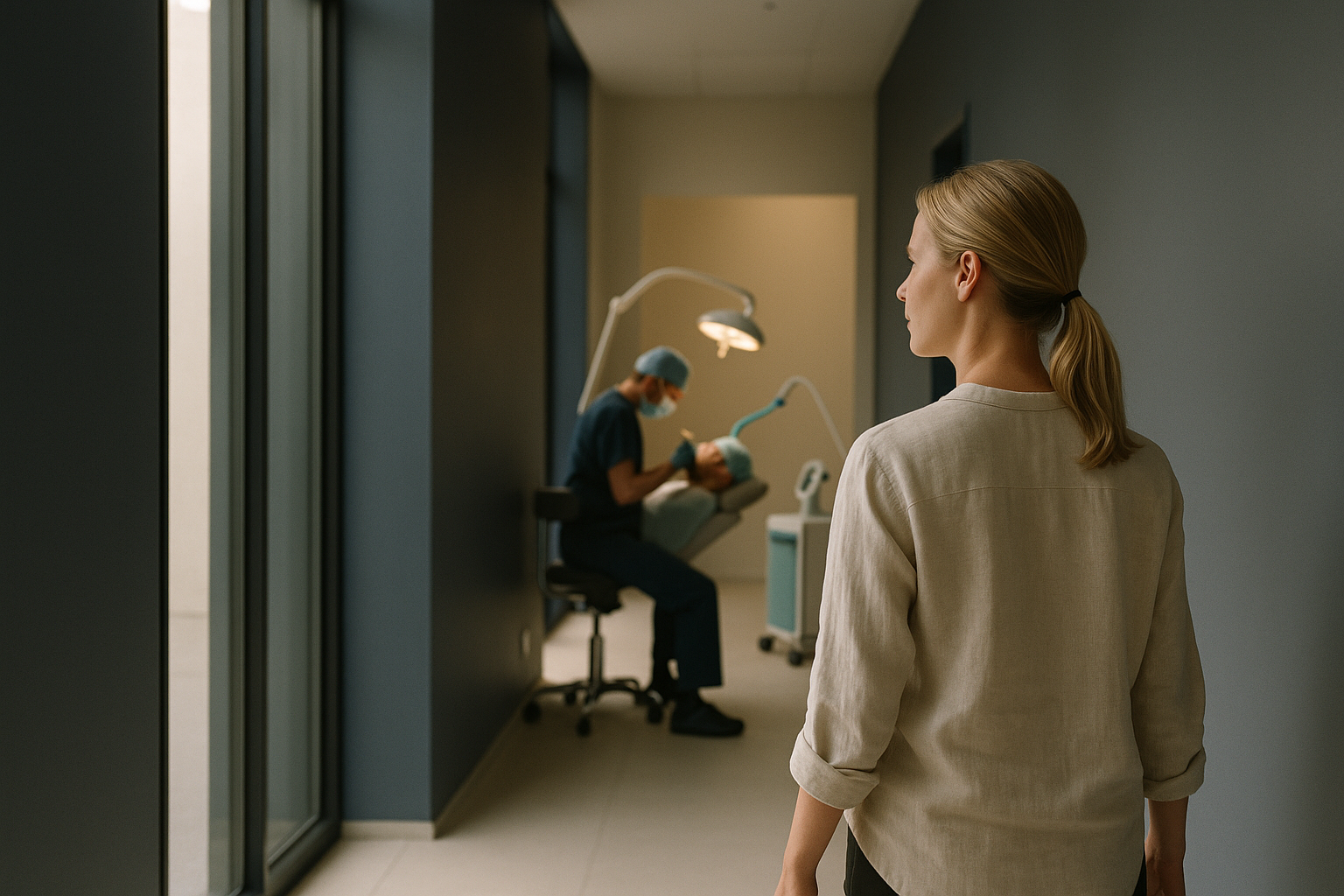
Mustache hair transplants are becoming increasingly popular among individuals seeking to enhance their facial hair. This procedure involves relocating hair follicles to the upper lip area to improve density and shape. Understanding the benefits, process, and costs associated with a mustache hair transplant can help prospective patients make an informed decision.
What is a Mustache Hair Transplant?
A mustache hair transplant is a surgical procedure designed to enhance or restore hair growth in the mustache area. It involves the extraction of hair follicles from a donor site, usually the back of the scalp, and their transplantation to the mustache region. This procedure is ideal for those who have sparse or patchy facial hair due to genetics, trauma, or surgical scars. The procedure can significantly improve the density and aesthetics of the mustache, providing a more defined and fuller appearance.
The transplanted hair follicles are carefully implanted to mimic natural hair growth patterns, ensuring a natural-looking result. The procedure is typically performed under local anesthesia, allowing the patient to remain awake and comfortable throughout the process. This approach minimizes risks and discomfort associated with general anesthesia, making it a safer option for many patients. Moreover, the use of local anesthesia allows for a quicker recovery time, enabling patients to return to their daily activities sooner.
While the procedure is relatively straightforward, it requires a skilled surgeon to achieve optimal results. Patients should ensure that their chosen clinic is accredited and has a track record of successful facial hair transplants. Researching the surgeon’s experience and previous patient outcomes can provide insight into the quality of care provided. Additionally, patients should be informed about the potential risks and realistic outcomes of the procedure to set appropriate expectations. It is also important to discuss any underlying health conditions with the surgeon, as these might affect both the procedure and recovery.
How Does the Mustache Hair Transplant Process Work?
The mustache hair transplant process begins with a consultation where the surgeon assesses the patient’s facial hair needs and discusses their goals. During this initial meeting, the surgeon will evaluate the donor area’s hair density to ensure there is an adequate supply of healthy follicles for transplantation. This step is crucial as the success of the transplant largely depends on the quality and quantity of available donor hair. Additionally, the patient’s skin type and hair characteristics are examined to tailor the procedure for the best possible outcome.
Once the procedure is scheduled, the patient is prepared with local anesthesia to numb the donor and recipient areas. The surgeon then extracts individual hair follicles using either Follicular Unit Extraction (FUE) or Follicular Unit Transplantation (FUT) techniques. FUE involves extracting follicles one by one, which results in minimal scarring and quicker recovery, while FUT involves removing a strip of scalp tissue containing hair follicles, which can be more efficient for larger areas but may result in a linear scar. The choice between FUE and FUT depends on the patient’s needs and the surgeon’s recommendation, often influenced by the desired density and any previous surgeries.
The extracted follicles are then meticulously implanted into the mustache area, taking care to align them with the natural hair growth direction. This meticulous placement ensures that the transplanted hairs blend seamlessly with existing facial hair. The entire process can take several hours, depending on the number of follicles being transplanted. It is essential for patients to understand that the length and complexity of the procedure can affect the overall cost and recovery time. Post-operative care instructions are crucial for ensuring successful implantation and growth of the new mustache hairs.
What Are the Benefits of a Mustache Hair Transplant?
Undergoing a mustache hair transplant offers several advantages, particularly for individuals struggling with uneven or sparse facial hair. One of the primary benefits is the enhancement of facial aesthetics, leading to improved self-confidence and self-esteem. A fuller, well-defined mustache can significantly enhance a person’s overall appearance, providing a more mature and sophisticated look. For many, this can also lead to better personal and professional interactions, where first impressions are vital.
Additionally, the results are permanent. Once the transplanted hair follicles take root and begin to grow, they will continue to do so naturally. This permanence is a significant advantage over temporary solutions like cosmetic fillers or hairpieces, which require ongoing maintenance and replacement. Patients can enjoy a consistently natural look without worrying about daily upkeep or adjustments. Furthermore, the transplanted hair can be styled and trimmed just like natural facial hair, offering the ability to change styles as desired.
Moreover, mustache hair transplants allow for precise customization of the mustache shape and density, enabling individuals to achieve their desired look. Whether aiming for a thick, bold style or a more subtle enhancement, the procedure offers flexibility to meet individual preferences. The procedure is also minimally invasive, with a low risk of complications when performed by experienced surgeons. This makes it an appealing option for those seeking a long-term solution to enhance their facial hair. The psychological benefits of achieving a desired facial appearance should not be underestimated, as they can contribute to overall well-being and happiness.
What Are the Costs Involved in a Mustache Hair Transplant?
The cost of a mustache hair transplant can vary significantly based on several factors, including the clinic’s location, the surgeon’s experience, and the complexity of the procedure. On average, patients can expect to pay between $3,000 and $7,000 for the transplant. This range reflects the varying degrees of customization and expertise required for each individual case. Clinics located in urban areas or regions with a high cost of living may charge more than those in rural or less expensive locations.
It’s essential to consider that this investment covers the entire process, from the initial consultation to post-operative care. Some clinics may offer financing options to make the procedure more accessible to a broader range of patients. Financing can help spread the cost over several months or years, making the investment more manageable for individuals on a budget. It’s important to thoroughly understand the terms of any financing plans to avoid hidden costs or high interest rates.
Prospective patients should also factor in potential travel and accommodation costs if they are considering undergoing the procedure abroad. It’s crucial to choose a clinic that provides transparent pricing and comprehensive care. Patients should inquire about any additional fees that may arise during the treatment process, ensuring there are no unexpected expenses. Comparing multiple clinics and understanding what is included in the quoted price can help in making a well-informed financial decision. Additionally, patients should check if the clinic offers any follow-up visits or touch-up procedures as part of the package.
How Long is the Recovery Period for a Mustache Hair Transplant?
Recovery from a mustache hair transplant is relatively swift, with most patients resuming normal activities within a few days. Immediately following the procedure, patients may experience minor swelling and redness in the treated areas, which typically subside within a week. This mild discomfort can usually be managed with over-the-counter pain medication, allowing patients to return to their daily routines quickly. It’s important to follow any prescribed medication regimens and adhere to care instructions to facilitate healing.
During the first few days post-procedure, patients should follow the surgeon’s care instructions to minimize the risk of infection and ensure optimal healing. This includes gentle cleaning of the transplanted area and avoiding direct sunlight. Patients may also be advised to avoid strenuous activities and certain facial movements that could strain the transplanted area. Keeping the head elevated and avoiding pressure on the treated area are also recommended.
The newly transplanted hair will initially shed within a few weeks, which is a normal part of the process. This shedding is known as “shock loss” and is temporary. New growth typically appears within three to four months, with full results visible around nine to twelve months post-transplant. Patients should be patient and follow up with their surgeon to monitor progress and address any concerns. Regular check-ups can help ensure that the transplant is progressing as expected and to manage any unforeseen issues.
How to Choose the Right Clinic for a Mustache Hair Transplant?
Choosing the right clinic for a mustache hair transplant is crucial to achieving satisfactory results. Prospective patients should start by researching clinics with a proven track record in facial hair transplants. It’s important to verify the clinic’s accreditation and the surgeon’s credentials. Ensuring that the clinic meets international standards can provide peace of mind regarding safety and quality. Checking for membership in professional organizations, such as the International Society of Hair Restoration Surgery (ISHRS), can also be a good indicator of credibility.
A comprehensive consultation is essential for discussing expectations, understanding the procedure, and assessing the surgeon’s expertise. During the consultation, patients should ask about the surgeon’s experience, view before-and-after photos of previous patients, and discuss the specific techniques to be used. This interaction helps patients gauge the surgeon’s expertise and communication style, which can impact the overall experience. A good surgeon should be able to explain the procedure in detail and answer any questions thoroughly.
Additionally, patients should consider reviews and testimonials from past patients to gauge the quality of care and satisfaction levels. Transparency in communication and pricing is also a key factor in choosing the right clinic. Patients should feel comfortable asking questions and should receive clear, honest answers that help them make an informed decision. It’s also advisable to visit the clinic to assess the environment and facilities. Ensuring that the clinic has a clean, professional setting can help in making a confident choice.
Are There Any Risks Associated with Mustache Hair Transplants?
Like any surgical procedure, mustache hair transplants carry some risks, although they are minimal when performed by a qualified professional. Common risks include infection, bleeding, and scarring, though these are rare and generally manageable with proper care. Patients should discuss potential risks with their surgeon and understand the steps taken to minimize them. Being aware of the signs of infection and knowing when to seek medical attention is important for timely intervention.
To minimize risks, patients should adhere to the post-operative care instructions provided by their surgeon. This includes keeping the treated area clean and avoiding activities that might disrupt the transplanted follicles. Following care guidelines can significantly reduce the likelihood of complications and promote successful healing. It’s also crucial to attend all follow-up appointments to ensure the transplant is healing correctly and to address any concerns promptly.
Long-term complications are uncommon, and most patients experience satisfactory outcomes. However, it’s essential to have realistic expectations and understand that individual results may vary. By choosing a reputable clinic and experienced surgeon, patients can achieve natural-looking, lasting results. It is also recommended to have follow-up consultations to ensure the best possible outcome and address any concerns that may arise post-surgery. Open communication with the healthcare team can help mitigate anxiety and ensure a smooth recovery process.
Proven result
20 to 200 hair-transplant patients a month from Australia
Aesthetic surgery group
Frequently asked questions
What is the recovery time for a mustache hair transplant?
Most patients can resume normal activities within a few days, with full results visible around nine to twelve months post-transplant.
How much does a mustache hair transplant cost?
The cost typically ranges from $3,000 to $7,000, depending on the clinic’s location and the procedure’s complexity.
What techniques are used in mustache hair transplants?
The two primary techniques are Follicular Unit Extraction (FUE) and Follicular Unit Transplantation (FUT), each with distinct extraction methods.
Can anyone undergo a mustache hair transplant?
Most individuals with good health and adequate donor hair are candidates, but a consultation with a specialist is necessary to determine eligibility.
Related guides
African American Hair Implants: What You Need to Know
Quick answerAfrican American hair implants offer a tailored solution for those experiencing hair loss. This involves specialised techniques…
An Overview of Turkish Dental Implants for Travellers
Quick answerTurkish dental implants offer high-quality solutions for international patients, combining advanced technology with affordable costs and excellent…
Selecting a Dental Centre in Turkey: Essential Tips
Quick answerSelecting a dental centre in Turkey involves researching accreditation, understanding implant costs, and ensuring safety measures are…