
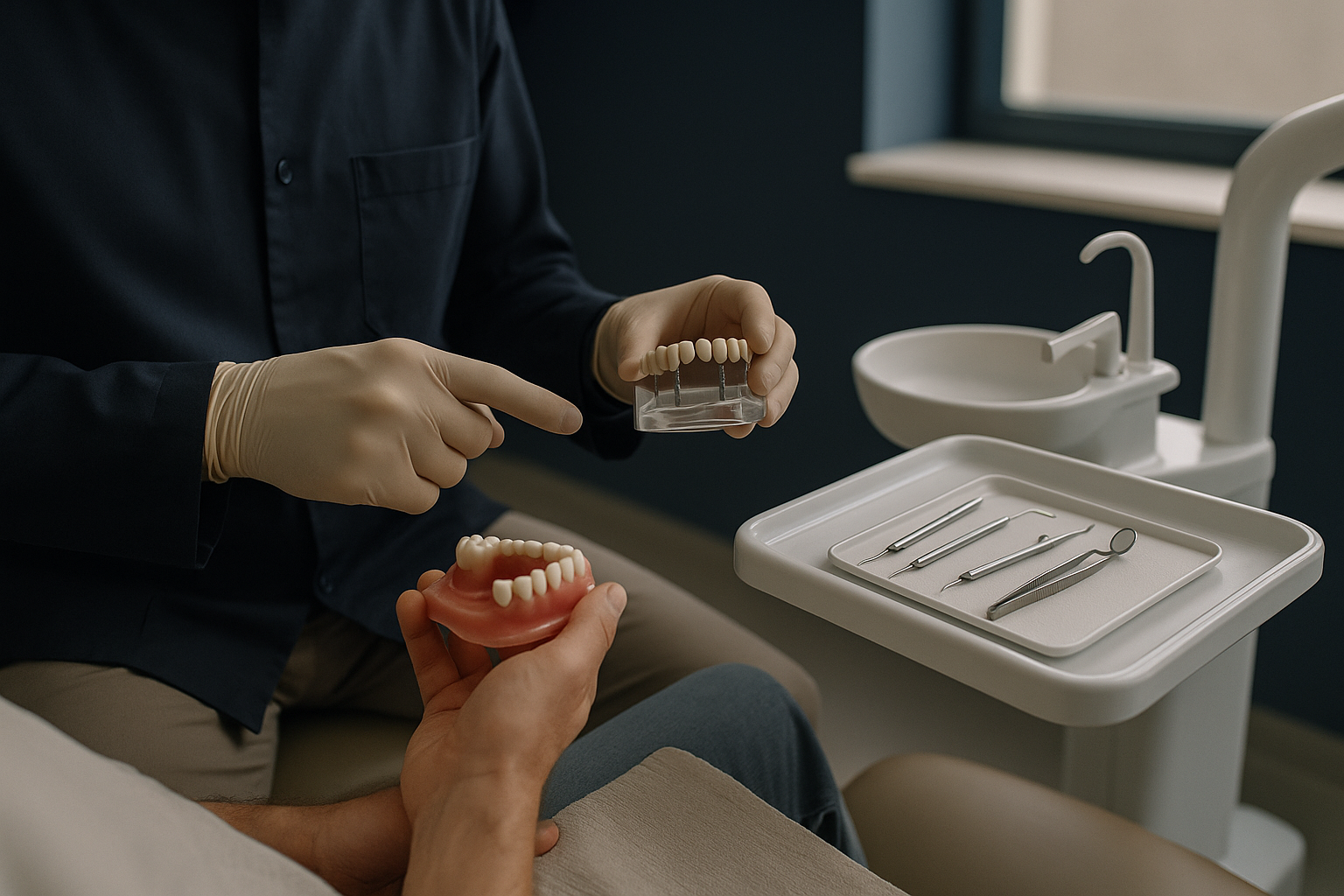
The ‘All on Four’ implant technique has revolutionised dental restoration for those seeking a stable, long-term solution to missing teeth. Offering international patients a viable and efficient option, this method uses four strategically placed implants to support a full dental arch. This innovative approach is particularly transformative for individuals who have experienced extensive tooth loss or severe periodontal disease, providing them a pathway to regain both functionality and aesthetics in their oral health. By minimizing the surgical interventions typically required in traditional implant procedures, such as bone grafting, the ‘All on Four’ technique offers a streamlined solution that is less invasive and often more cost-effective.
For those considering treatment abroad, understanding the intricacies of this procedure is crucial. This comprehensive guide will delve into the essential aspects, from costs and timelines to safety and accreditation, providing a clear path forward for prospective patients. By equipping yourself with detailed knowledge about each step of the process, including pre-treatment preparations and post-operative care, you can make informed decisions that align with your health goals and financial considerations. This insight is particularly valuable for international patients who must also navigate travel logistics and cross-border healthcare regulations.
What is the ‘All on Four’ Dental Implant Technique?
The ‘All on Four’ technique is a cutting-edge dental restoration method that uses four implants to secure a full set of upper or lower teeth. Developed to maximise the use of available bone, this approach eliminates the need for bone grafting in most cases, simplifying the process significantly. This technique is ideal for patients with significant tooth loss or severe periodontal disease. The innovative use of angulated implants allows for greater contact with the bone, enhancing stability and support.
By strategically placing the implants at an angle, the procedure provides optimal support and stability for prosthetic teeth. This innovation has been a game-changer for those seeking a reliable and aesthetically pleasing solution to complete tooth loss. The procedure can be completed in a single day, offering immediate results and minimal downtime, which is a significant advantage for busy individuals or those traveling from abroad. This efficiency not only reduces the amount of time patients spend in the dental chair but also minimizes the overall recovery period, allowing for a quicker return to normal activities.
This method is particularly beneficial for patients who have been told they do not have enough bone for traditional implants. With the ‘All on Four’ technique, patients can avoid the time-consuming and often uncomfortable process of bone grafting. This opens up opportunities for those who might have otherwise been ineligible for implant-based restorations, making it a versatile option in modern dentistry. Additionally, the use of fewer implants reduces the overall cost and complexity of the procedure, making it more accessible to a broader range of patients seeking to restore their dental health.
How Much Do ‘All on Four’ Dental Implants Cost?
The cost of ‘All on Four’ dental implants can vary significantly depending on the country and clinic you choose. On average, prices range from £10,000 to £25,000 per arch. Factors influencing the cost include the complexity of the case, the materials used, and the expertise of the dental surgeon. Some clinics might offer package deals that include additional services like travel and accommodation, which can be beneficial for international patients seeking comprehensive care solutions.
While this may seem substantial, it is important to consider the long-term benefits and the reduction in the need for future dental procedures. Consulting with multiple clinics and understanding what is included in the quoted price can help in making an informed decision. For instance, some clinics might include follow-up visits and care in the initial cost, while others may charge these as additional expenses. It’s also crucial to verify what type of prosthetic materials are used, as higher-end materials like zirconia can increase both the durability and cost of the implants.
Financing options may also be available to make the procedure more accessible. Some clinics offer payment plans or work with third-party financing companies that specialize in medical loans. Exploring these options can help manage the financial aspect without compromising on the quality of care you receive. Always ensure that you have a clear understanding of the financial commitment before proceeding. Comparing interest rates and terms of different financing plans can also help you find the most affordable solution that fits your budget.
Steps to Prepare for the ‘All on Four’ Procedure
Preparation for the ‘All on Four’ procedure involves several key steps. Initially, a comprehensive dental examination is conducted to assess the patient’s suitability. This includes X-rays and 3D imaging to evaluate bone density and oral health. It’s important to choose a clinic that uses advanced imaging techniques, as these can provide more accurate assessments and lead to better outcomes. Clinics that invest in state-of-the-art diagnostic tools are often able to deliver more precise implant placements, which can enhance the overall success rate of the procedure.
Patients should also discuss their medical history and any medications with their dental surgeon. This ensures that any potential complications are identified and managed beforehand. Following this, a personalised treatment plan is created, outlining the procedure’s timeline and cost. This plan should also include a detailed explanation of the surgical process, recovery expectations, and post-operative care instructions. Clear communication with your healthcare provider about any allergies or previous medical conditions can further tailor the procedure to your specific needs.
Ensuring all travel and accommodation arrangements are in place is also crucial for international patients. Some clinics offer concierge services to assist with these logistics, which can greatly reduce stress and allow you to focus on your recovery and treatment. It’s advisable to arrive a few days early to acclimate to the local environment and to ensure you are rested before the procedure. Additionally, understanding the local healthcare system and emergency services can provide an added layer of security during your stay.
Safety and Accreditation: Ensuring Quality Care
When considering the ‘All on Four’ technique abroad, ensuring the clinic’s accreditation and the surgeon’s credentials is paramount. Look for clinics accredited by recognised international bodies that adhere to stringent safety and hygiene standards. Accreditation from bodies such as the Joint Commission International (JCI) or the International Organization for Standardization (ISO) indicates a commitment to maintaining high-quality care. These certifications are often a good indicator of a clinic’s adherence to international best practices in patient care and safety.
Researching patient reviews and testimonials can provide insight into the quality of care and outcomes. Online platforms and forums can be valuable resources for firsthand accounts from previous patients. Opting for a clinic with a proven track record in performing the ‘All on Four’ procedure ensures peace of mind and optimal results. It’s also beneficial to verify the surgeon’s qualifications and experience, as well-experienced practitioners are more likely to achieve successful outcomes. An experienced dental team can also better handle any complications that may arise during or after the procedure.
Additionally, consider the facility’s emergency protocols and access to medical care in case of complications. A clinic that is well-prepared for emergencies and has access to comprehensive medical facilities can significantly enhance patient safety. Transparency in communication and a clear understanding of the procedure can further reassure patients of the quality care they will receive. It’s also wise to inquire about the clinic’s infection control procedures, as these are critical to preventing post-operative complications.
How to Clean ‘All on Four’ Dental Implants
Maintaining ‘All on Four’ dental implants requires diligent oral hygiene practices. Regular brushing with a soft-bristled toothbrush and using non-abrasive toothpaste is essential. Specialised toothbrushes designed for implants are also available and can be more effective in reaching around the prosthetic components. Flossing with specialised tools designed for implants can help remove plaque and prevent gum disease, which is crucial for the longevity of the implants. Consistent oral hygiene not only protects the implants but also ensures the health of surrounding tissues.
Regular dental check-ups are crucial to monitor the implants’ condition and ensure the health of surrounding tissues. Professional cleanings by a dental hygienist can further maintain the longevity and appearance of the prosthetics. These appointments also provide an opportunity to address any concerns or adjustments that may be needed over time. It’s recommended to visit your dental care provider at least twice a year to ensure that the implants are functioning as intended and to catch any potential issues early.
It’s also important to maintain a balanced diet and avoid habits that could compromise the implants, such as smoking or excessive consumption of hard foods. Adhering to these guidelines not only preserves the implants but also contributes to overall oral health. Education on proper maintenance techniques should be provided by your dental care provider as part of the treatment package. Such guidance can empower you to take proactive steps in maintaining your oral health and prolonging the lifespan of your implants.
Recovery Timeline: Eating and Resuming Normal Activities
Immediate post-procedure recovery for ‘All on Four’ dental implants typically involves a soft diet for the first week. Foods like yogurt, mashed potatoes, and smoothies are recommended to minimize discomfort and avoid damaging the implants. Gradual reintroduction of firmer foods is recommended as comfort and healing progress. Most patients can resume a normal diet within six to eight weeks. This period allows the implants to properly integrate with the jawbone, ensuring stability and function.
Following the surgeon’s specific post-operative instructions is vital to ensure a smooth recovery. These may include guidelines on medication use, activity restrictions, and signs of complications to watch for. Regular follow-up appointments will monitor the healing process and address any concerns or complications that may arise. These check-ups are critical to ensuring that the implants are integrating well with the bone. Adhering to your surgeon’s advice on activity restrictions can prevent undue stress on the implants during the critical healing phase.
Patients are generally advised to avoid strenuous activities in the first few weeks post-surgery to prevent undue stress on the implants. Light activities can usually be resumed after the first week, but it is essential to follow the guidance provided by your healthcare provider. A successful recovery process not only ensures the longevity of the implants but also enhances the overall success of the dental restoration. Proper care during the recovery phase is crucial to achieving the best possible outcome and maintaining the health of your new smile.
Conclusion: Making an Informed Decision
Embarking on the journey to restore your smile with the ‘All on Four’ implant technique requires careful consideration and planning. Understanding the procedure, associated costs, and the importance of selecting an accredited clinic are key elements in ensuring a successful outcome. It’s important to weigh the benefits against the financial investment and potential risks involved. Making a decision without understanding these factors can lead to unexpected complications and expenses.
By taking the time to research and prepare, international patients can confidently proceed with this transformative dental solution, achieving both functional and aesthetic benefits. Engaging in open communication with healthcare providers and asking questions can clarify any uncertainties you might have. Ultimately, this comprehensive approach to decision-making empowers patients to make choices that align with their health goals and expectations. It also facilitates a smoother treatment journey, minimizing anxiety and maximizing satisfaction with the results.
As with any medical procedure, the key to success lies in informed decision-making and following through with the prescribed care plan. With the ‘All on Four’ technique, patients can look forward to regaining not just their smile, but also their confidence and quality of life. This life-changing procedure has the potential to significantly enhance both personal and social well-being. The improved functionality and aesthetics provided by the implants can lead to a better quality of life, offering a renewed sense of self-assurance in personal and professional interactions.
Proven result
20 to 200 hair-transplant patients a month from Australia
Aesthetic surgery group
Frequently asked questions
What is All on 4 dental implants?
The ‘All on 4’ dental implants technique uses four implants to support a full set of teeth, providing a stable and efficient solution for those with significant tooth loss.
How to clean All on 4 dental implants?
Clean ‘All on 4’ implants by brushing with a soft-bristled toothbrush and flossing with specialised tools. Regular dental check-ups are also essential.
How much is All on 4 dental implants?
The cost of ‘All on 4’ dental implants varies, typically ranging from £10,000 to £25,000 per arch, depending on various factors.
How long after All-on-4 dental implants can I eat normally?
Most patients can resume a normal diet within six to eight weeks post-procedure, following a gradual transition from a soft diet.
Related guides

Demystifying Hair Plantation: A Guide for Prospective Patients
Quick answerHair plantation, also known as hair transplant, involves moving hair follicles from one part of the body…

Hair Plantation for Women: Understanding the Process
Quick answerHair plantation for women involves transplanting healthy hair follicles to thinning areas. Costs vary globally, with safety…
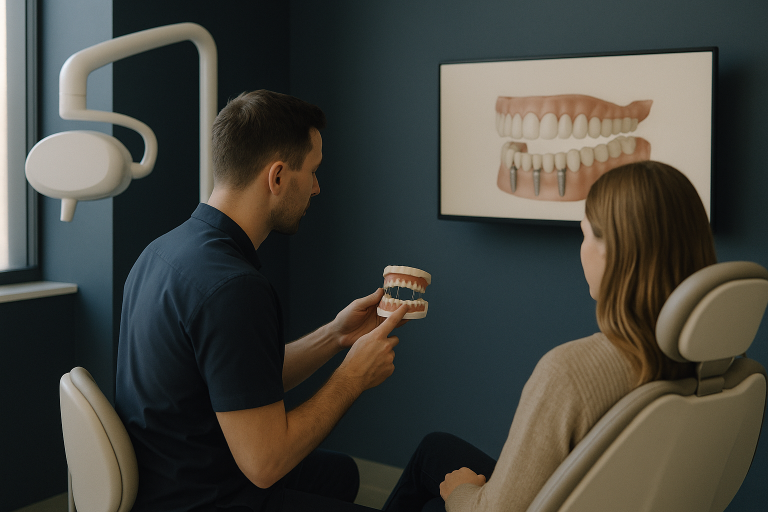
Breaking Down the Cost of ‘All on Four’ Implants
Quick answerThe cost of 'All on Four' implants varies globally, ranging from $15,000 to $30,000 USD per arch,…