
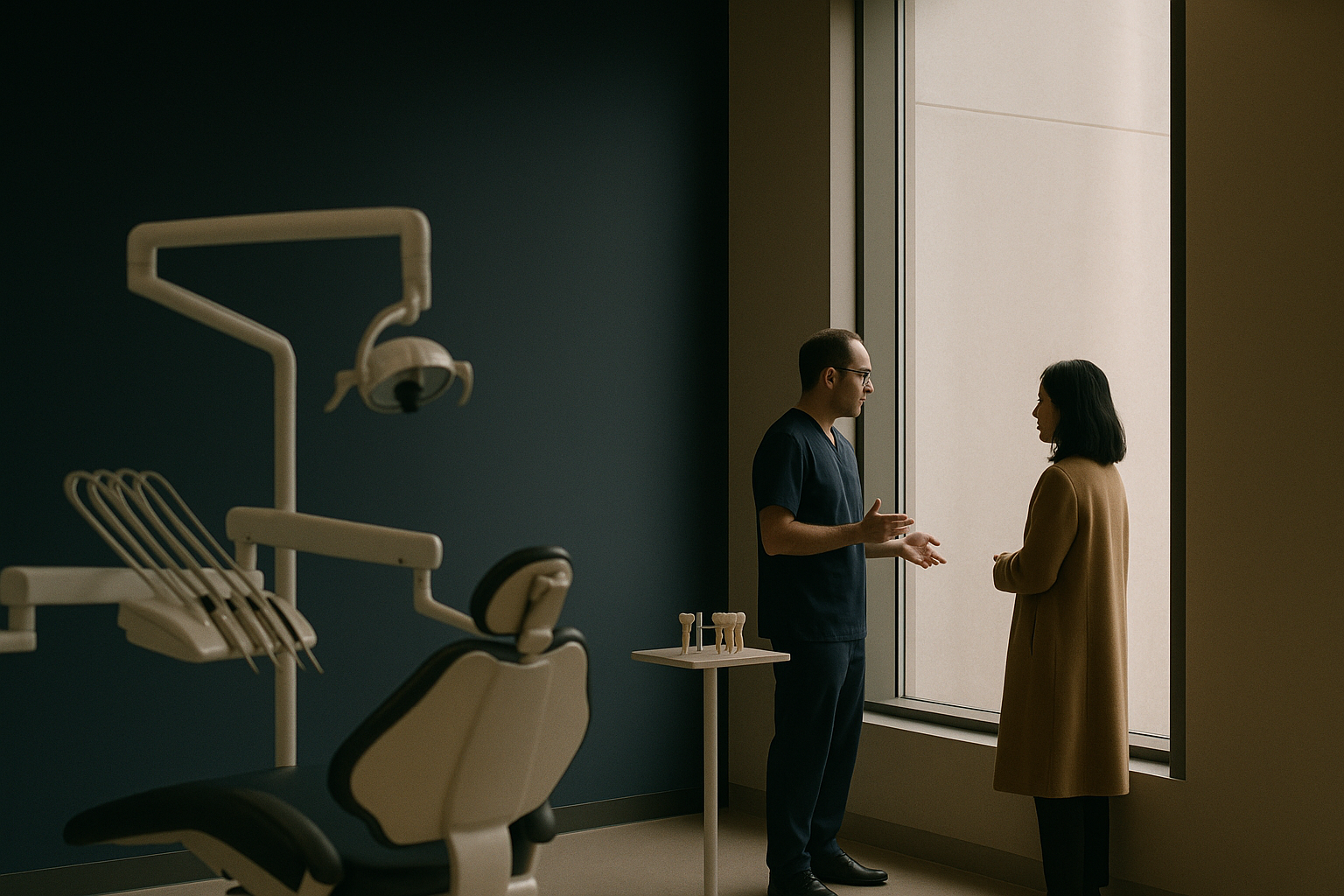
The ‘All on Four’ dental implant technique is a revolutionary approach providing a full set of teeth supported by just four implants. This innovation offers a stable, permanent alternative to traditional dentures, making it an attractive option for those seeking dental restoration.
What Are All on 4 Dental Implants?
‘All on Four’ dental implants are a prosthodontic procedure where four strategically placed implants support an entire arch of teeth. This approach allows for a full restoration with minimal implants, reducing the need for more extensive dental work. The procedure is particularly beneficial for those with significant tooth loss or decay. The implants are typically placed in the anterior part of the jaw, where the bone is denser, enhancing stability. This technique eliminates the need for bone grafting, often required in traditional implant procedures, thus reducing recovery time and overall treatment cost. The concept is designed to maximize the use of available bone, which is particularly advantageous for patients who have experienced bone loss but may not want or be able to undergo additional surgeries.
These implants are designed to function like natural teeth, providing the patient with a full set of teeth that are both aesthetically pleasing and highly functional. The process involves embedding titanium posts into the jawbone, which act as anchors for the prosthetic teeth. Over time, the bone fuses with the titanium through a process called osseointegration, ensuring the implants are secure and durable. This osseointegration is crucial as it ensures that the implants can withstand normal chewing forces without shifting or loosening. The implants’ durability is also enhanced by the use of high-quality materials, ensuring they can last for many years with proper care.
Furthermore, ‘All on Four’ implants are customizable. The prosthetic teeth can be tailored to match the patient’s natural teeth color and shape, ensuring a seamless and natural appearance. This customization is crucial, as it allows for a personalized fit that enhances comfort and functionality. Patients often report a significant improvement in their ability to chew and speak, which can dramatically impact their quality of life. While the initial consultation and preparation may take some time, the results are long-lasting, with many patients enjoying their implants for decades with proper care. Moreover, this approach offers psychological benefits, as patients often feel more confident in social situations, knowing they have a stable and attractive set of teeth.
How Are ‘All on Four’ Implants Different?
Unlike traditional dental implants that may require one implant per tooth, ‘All on Four’ implants use only four implants to anchor an entire arch. This method reduces the number of implants needed, making the procedure less invasive and more cost-effective. The strategic positioning of the implants ensures maximum support and stability, even for patients with low bone density. This innovation has made it possible for many to regain their smile and confidence without extensive surgeries. By placing the implants at specific angles, usually at 30 to 45 degrees, this method provides more contact with the bone, enhancing stability. The angled placement allows the implants to anchor in denser bone areas, which is key for patients who have experienced bone loss in the posterior regions of the jaw.
This approach is particularly advantageous for patients who might not be candidates for traditional implants due to reduced jawbone density. Traditional implants often require bone grafting to build up the bone, which can be costly and extend the treatment time significantly. With ‘All on Four’, the need for bone grafting is minimized or eliminated, allowing patients to undergo the procedure who might otherwise be deemed unsuitable. This technique leverages the anterior jawbone area, which tends to have enough bone density to support the implants effectively. This not only saves time and money but also reduces the patient’s discomfort and recovery period.
Moreover, the recovery period for ‘All on Four’ implants is typically shorter compared to traditional implants. Patients can often return to their normal activities within a few days, although following specific post-operative care instructions is crucial to ensure proper healing. The use of temporary prosthetics allows patients to enjoy a new smile immediately after surgery, which is a significant psychological and emotional benefit. The reduction in surgery time and recovery makes this an appealing option for those looking for an efficient and effective dental restoration solution. Additionally, the immediate load feature of ‘All on Four’ implants means that patients do not have to endure a period without teeth, which is common with traditional implant procedures.
How Much Do All on 4 Dental Implants Cost?
The cost of ‘All on Four’ dental implants varies based on geographical location, the expertise of the dental professional, and the materials used. On average, the cost ranges from $15,000 to $30,000 per arch. It’s essential to consider that this price often includes consultation, surgery, and the final prosthetic teeth. However, geographic variations can be significant; urban areas with higher living costs might see prices at the upper end of the range, while rural areas may offer more competitive pricing. Additionally, the experience and reputation of the dental surgeon can also affect costs, with highly sought-after professionals typically charging more. It’s worth noting that some dental insurance plans may cover part of the cost, so it’s beneficial to check with your provider.
When evaluating the cost, it’s crucial to consider what is included in the treatment plan. Some clinics offer comprehensive packages that cover initial consultations, X-rays, the surgical procedure, temporary and permanent prosthetics, and follow-up visits. Others might charge separately for these services, so it’s important to have a clear understanding of what each quote includes. Financing options are often available, allowing patients to spread the cost over a period, which can make the treatment more accessible. Some clinics partner with third-party financing companies to offer patients low or no-interest payment plans, which can significantly ease the financial burden.
While the upfront cost might seem high, the long-term benefits and durability of ‘All on Four’ implants can make them a cost-effective solution compared to other dental restoration methods like dentures, which require frequent adjustments and replacements. Dentures may appear cheaper initially, but they often need to be replaced every 5 to 10 years, and the costs of maintenance add up over time. In contrast, ‘All on Four’ implants are designed to last several decades, provided they are well-maintained, thus offering a better return on investment. Additionally, the improved quality of life and confidence that come with having a stable set of teeth can be invaluable, making the investment worthwhile for many patients.
What to Expect During the Procedure
The ‘All on Four’ implant procedure begins with a comprehensive dental examination and imaging to assess the jawbone’s condition. This step is crucial for planning the precise placement of the implants. The initial consultation usually involves a CT scan or 3D imaging, allowing the dentist to create a detailed map of the jawbone structure. This precise imaging is critical for determining the most suitable implant placement and ensuring the success of the procedure. Patients are encouraged to discuss any concerns or questions they may have during this consultation to ensure they are comfortable and informed about the upcoming surgery. The pre-surgical planning phase is key to customizing the treatment to each patient’s unique anatomical and health considerations.
The surgery itself is minimally invasive, often completed in a single day. Patients are typically sedated, ensuring a painless experience. The procedure involves making small incisions in the gums to place the implants, which are then secured into the jawbone. Once the implants are positioned, temporary teeth are fitted, allowing patients to leave the clinic with a new smile immediately. This immediate load technique is one of the key benefits of ‘All on Four’, as it reduces the waiting time for patients to enjoy their new teeth. The ability to leave the surgery with a full set of functioning teeth is not only a convenience but also a significant boost to the patient’s morale.
Post-surgery, patients are usually given specific instructions to follow to aid in healing and recovery. This includes dietary recommendations, such as consuming soft foods initially, and guidance on maintaining oral hygiene. Most patients report minimal discomfort and are able to resume normal activities within a few days. Follow-up appointments are scheduled to monitor the healing process and ensure the implants are integrating well with the bone. These check-ups are essential for long-term success and help address any potential issues early on. The follow-up care is also an opportunity for patients to receive ongoing support and advice from their dental team, which can be invaluable during the recovery phase.
How to Care for All on 4 Dental Implants
Proper care is vital to ensure the longevity of ‘All on Four’ implants. Daily cleaning is essential, and while regular brushing is important, specialised tools such as water flossers can help maintain hygiene around the implants. Patients are advised to brush twice daily with a soft-bristle toothbrush and use non-abrasive toothpaste to avoid damaging the prosthetic teeth. Using a water flosser can effectively remove debris from hard-to-reach areas, reducing the risk of plaque buildup and gum disease. Maintaining a consistent oral hygiene routine is crucial, as it prevents complications such as peri-implantitis, which can lead to implant failure if not addressed promptly.
Regular dental check-ups are crucial to monitor the implants’ condition and ensure there are no complications. Dental professionals can provide personalised advice on cleaning techniques and products best suited for ‘All on Four’ implants. These visits also allow the dentist to examine the fit and condition of the prosthetic teeth, making any necessary adjustments to ensure optimal comfort and function. Many patients find that professional cleanings every six months help maintain their oral health and the aesthetics of their implants. Regular check-ups also provide an opportunity to address any concerns or issues that may arise, ensuring the implants remain in top condition.
Additionally, lifestyle choices can impact the longevity of the implants. Smoking, for instance, can hinder the healing process and increase the risk of implant failure. Patients are encouraged to maintain a healthy diet rich in nutrients that support bone health, such as calcium and vitamin D. Staying hydrated is also important, as adequate saliva production helps protect oral tissues and prevent dry mouth, which can lead to complications. By adhering to these care guidelines, patients can maximize the lifespan of their ‘All on Four’ implants, ensuring a lasting investment in their oral health and overall well-being. Avoiding habits such as chewing ice or biting nails can also protect the integrity of the prosthetic teeth.
How Long After All-on-4 Dental Implants Can I Eat Normally?
Patients can usually resume eating soft foods within a week of surgery. However, it’s advisable to avoid hard or crunchy foods for at least a month to ensure proper healing and integration of the implants. This initial period is crucial for allowing the implants to settle and begin the osseointegration process, where the bone starts to fuse with the implant. Consuming foods like yogurt, scrambled eggs, and smoothies can provide necessary nutrients without putting stress on the new implants. Patients are often advised to cut food into smaller pieces and chew slowly to minimize pressure on the implants. This cautious approach helps ensure that the healing process is not disrupted, which is vital for the long-term success of the implants.
Most patients can return to a regular diet after approximately three months, once the implants have fully integrated with the jawbone. Adhering to these dietary recommendations is crucial for the success and longevity of the implants. During this time, gradual reintroduction of more varied foods is recommended, allowing the gums and jawbone to adjust to the new prosthetics. Patients should continue to avoid extremely hard foods, such as nuts or ice, which could damage the prosthetic teeth or exert excessive pressure on the implants. This careful reintroduction of different food types helps patients regain their normal eating patterns without compromising the implants.
It’s important to note that each patient’s recovery timeline can vary based on individual healing rates and the specific details of their procedure. Regular follow-up appointments with the dental professional will provide personalized guidance on dietary choices and any necessary modifications. By following a careful, phased approach to dietary reintroduction, patients can ensure the best possible outcome for their ‘All on Four’ implants, enjoying both functionality and aesthetics for years to come. This tailored approach to healing respects the unique nature of each patient’s situation, facilitating a smoother transition back to a normal lifestyle.
Are ‘All on Four’ Implants Right for You?
Deciding if ‘All on Four’ implants are suitable depends on various factors, including oral health, bone density, and budget. A detailed consultation with a dental specialist can provide insight into whether this procedure meets your needs and expectations. During the consultation, the dentist will evaluate the health of your gums and jawbone, review your medical history, and discuss your treatment goals. This comprehensive assessment is essential to determine if you’re a good candidate for ‘All on Four’, as certain conditions like uncontrolled diabetes or active gum disease may need to be addressed first. Understanding these factors can help ensure that the procedure aligns with your overall health and lifestyle needs.
It’s important to discuss all concerns and expectations with your dental provider, ensuring a clear understanding of the procedure’s benefits and limitations. Patient testimonials and case studies can also offer valuable insights into the potential outcomes of the treatment. For some, the primary appeal of ‘All on Four’ is the ability to avoid bone grafting and achieve a full-arch restoration with minimal surgery. For others, the aesthetic and functional benefits outweigh the upfront costs, particularly when considering the long-term investment in dental health. The decision-making process should be thorough, taking into account both the practical and personal aspects of undergoing such a procedure.
In conclusion, ‘All on Four’ implants offer a robust solution for those seeking an alternative to traditional dentures. By understanding the procedure, costs, and care requirements, you can make an informed decision about your dental health. Consulting with a qualified dental professional is the first step in determining the best course of action, ensuring your dental restoration aligns with your lifestyle and health goals. Ultimately, the decision to proceed with ‘All on Four’ implants should be based on a thorough evaluation of your individual needs, potential benefits, and any risks involved, allowing you to enjoy the full advantages of this innovative dental solution. This informed approach will help ensure that you achieve the desired outcomes in terms of both functionality and aesthetics.
Proven result
20 to 200 hair-transplant patients a month from Australia
Aesthetic surgery group
Frequently asked questions
What is all on 4 dental implants?
‘All on Four’ implants are a dental solution where four implants support a full arch of teeth, providing stability and a natural look.
How to clean all on 4 dental implants?
Use a soft-bristle toothbrush and water flosser to clean around the implants daily, and attend regular dental check-ups for professional cleaning.
How much do all on 4 dental implants cost?
The cost typically ranges from $15,000 to $30,000 per arch, depending on location and materials used.
How long after all-on-4 dental implants can I eat normally?
Patients can typically resume eating a normal diet around three months post-surgery, once the implants have integrated.
Related guides
Women’s Hair Surgery: An Overview of Options and Outcomes
Quick answerWomen's hair surgery involves procedures like FUE and FUT, offering diverse options for hair restoration. Costs vary…
Hair Implants for Women: A Path to Renewed Confidence
Quick answerHair implants for women offer a lasting solution for hair loss, with various techniques like FUE providing…
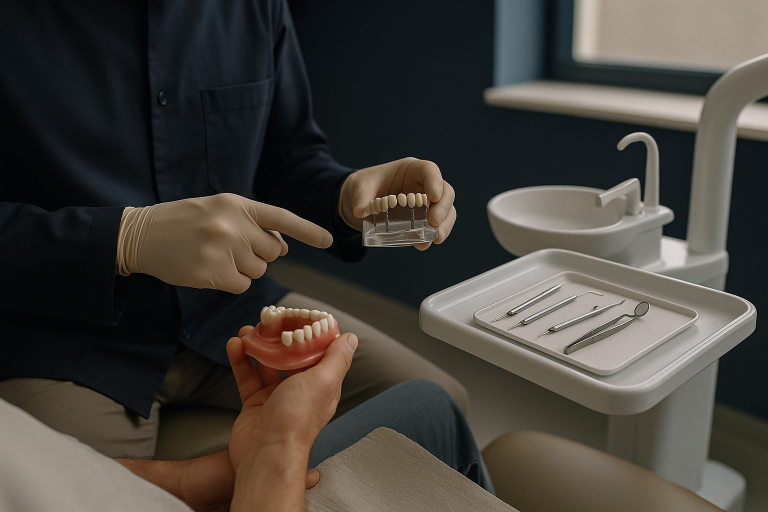
The ‘All on Four’ Implant Technique: Simplified Guide
Quick answerThe 'All on Four' technique offers a fixed full-arch prosthesis using four implants, providing a stable solution…