
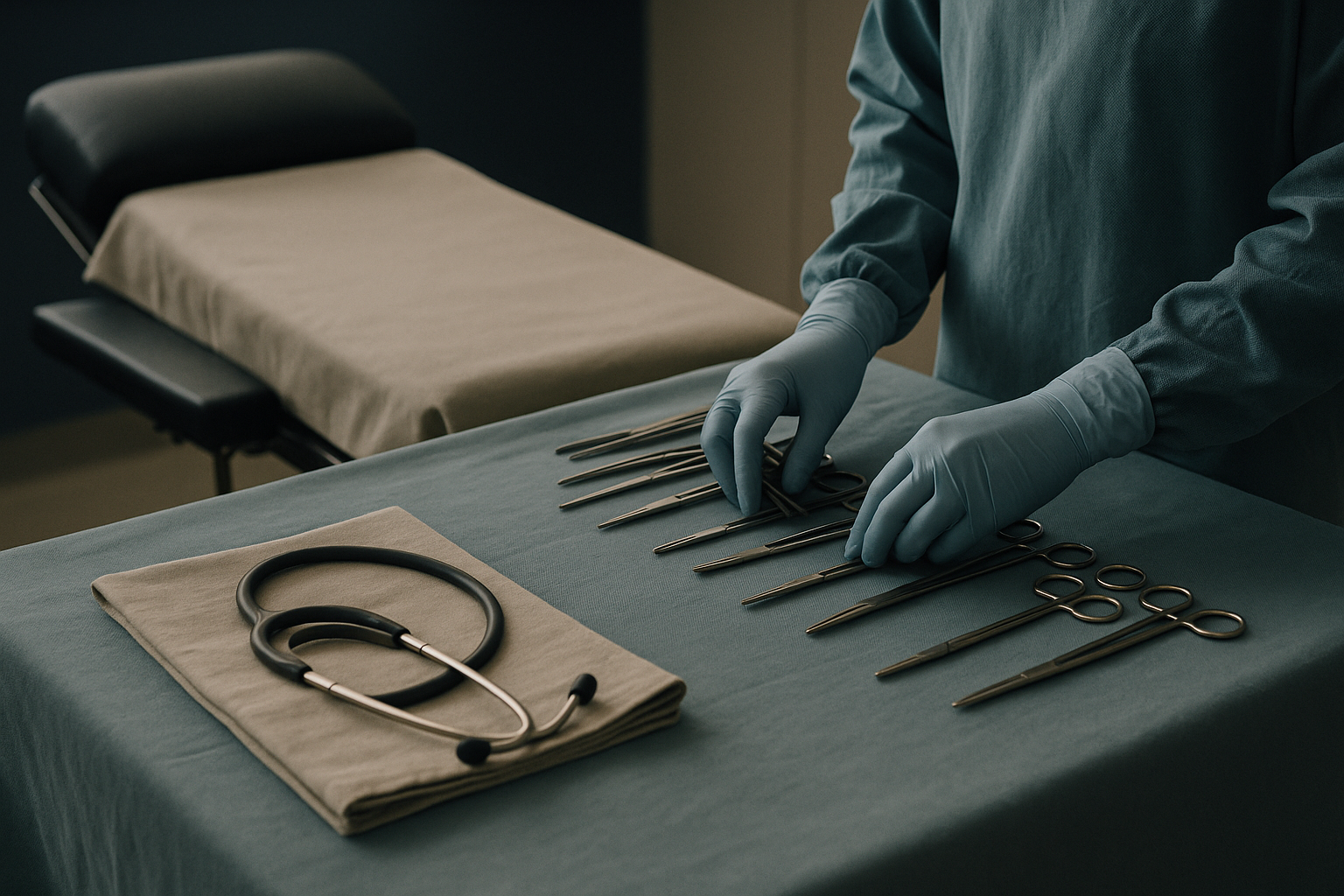
Arm reduction surgery, also known as brachioplasty, is a procedure designed to reshape and contour the upper arms by removing excess skin and fat. This guide provides essential insights into the surgery, addressing common concerns and questions while considering international patients’ needs.
What is Arm Reduction Surgery?
Arm reduction surgery, or brachioplasty, aims to remove excess skin and fat from the upper arms, resulting in a smoother and more toned appearance. It is particularly popular among individuals who have experienced significant weight loss or want to address sagging skin due to aging. This procedure can dramatically improve the contour of the arms, making them appear more youthful and fit. The surgery is not just cosmetic; for many, it restores comfort and functionality, especially when loose skin causes irritation or restricts movement.
The procedure involves making an incision along the inner arm, typically from the armpit to the elbow, through which the surgeon removes the excess skin and fat. This incision location is chosen to minimize visible scarring and optimize healing. The remaining skin is then tightened and sutured, providing a more defined arm shape. This surgery can significantly enhance the arm’s appearance, providing a boost in confidence for many patients who may have felt self-conscious about the look of their arms in sleeveless clothing or swimwear.
While arm reduction surgery is effective, it is essential to understand the risks, benefits, and recovery process. Potential candidates should be in good health, non-smokers, and have realistic expectations about the outcome. Consultation with a qualified plastic surgeon is crucial to determine if this procedure aligns with your aesthetic goals and health considerations. The surgeon will evaluate factors such as skin elasticity, the amount of excess skin and fat, and overall arm composition to recommend the most appropriate surgical plan. Additionally, factors like the patient’s age, lifestyle, and overall skin quality play significant roles in determining the surgery’s success and longevity of the results.
How Much is an Arm Lift in Turkey?
The cost of an arm lift in Turkey is considerably lower than in many Western countries, typically ranging from £1,500 to £3,000. This affordability is a significant factor attracting international patients seeking quality healthcare at reduced prices. In comparison, the same procedure in the United States or the UK could cost upwards of £5,000 to £7,000, making Turkey an attractive option for those looking to save on medical expenses without compromising on the quality of care. The lower costs are often attributed to the lower cost of living and favorable exchange rates, which do not affect the high standards of medical practice.
Turkey is renowned for its advanced medical facilities and skilled surgeons, making it a popular destination for cosmetic procedures. Many Turkish clinics are equipped with state-of-the-art technology and adhere to international healthcare standards, ensuring patient safety and successful outcomes. Patients should, however, consider additional costs such as travel, accommodation, and post-operative care when budgeting for the surgery. Comprehensive packages are often available that include these additional expenses, providing a more predictable overall cost. These packages can include luxury hotel stays, airport transfers, and personal translators, enhancing the overall experience.
Comparing costs across different countries can help you make an informed decision. When evaluating options, ensure that the chosen clinic provides transparent pricing and comprehensive care, including pre-operative consultations and post-surgery follow-up appointments. This transparency not only helps in financial planning but also in ensuring a safe and successful procedure. Opting for a clinic that offers full disclosure of all potential costs, including any necessary medications or additional treatments, will help avoid unexpected expenses. Furthermore, understanding the inclusions in your medical package helps in comparing the true value of the services offered.
What to Expect Before, During, and After Arm Surgery
Before undergoing arm reduction surgery, patients typically have a detailed consultation with their surgeon. This includes discussing medical history, expectations, and a physical examination to determine the best surgical approach. The surgeon will also explain the procedure, potential risks, and expected outcomes, ensuring that patients have a clear understanding of what the surgery entails. It’s crucial to discuss any medications you are taking, as some may need to be paused or adjusted prior to surgery. Additionally, patients may be advised to undergo certain lifestyle changes, such as diet modifications or exercise routines, to optimize surgical results.
During the surgery, which usually lasts 1-3 hours, patients are under general anaesthesia. This ensures comfort and relaxation throughout the procedure. The surgeon makes incisions, removes excess tissue, and then carefully sutures the skin to create a firmer, more toned arm appearance. Modern techniques and tools are used to minimize scarring and enhance recovery. Surgeons may employ advanced suturing methods or use dissolvable stitches to improve healing times and reduce the need for post-operative visits.
Post-operatively, patients may experience swelling, bruising, and discomfort, which can be managed with prescribed medications. Compression garments are often recommended to support the healing process and reduce swelling. Recovery time varies, but most patients resume normal activities within 2-4 weeks. It’s important to avoid strenuous activities or heavy lifting during the initial recovery period. Following the surgeon’s post-operative care instructions is crucial for optimal healing and results. Regular follow-up appointments help monitor progress and address any concerns, ensuring a smooth recovery and satisfactory outcome. Patients are also advised to keep the incision sites clean and dry to prevent infection.
How to Choose a Qualified Surgeon for Arm Plastic Surgery
Selecting a qualified surgeon is vital for a successful arm plastic surgery experience. Look for a board-certified plastic surgeon with extensive experience in arm reduction procedures. This certification ensures that the surgeon has undergone rigorous training and adheres to high standards of practice. Verify their credentials and ask for before-and-after photos of previous patients to gauge their expertise and aesthetic style. These photos can provide a realistic expectation of potential outcomes and the surgeon’s capability. It is also beneficial to inquire about the surgeon’s specialty and how frequently they perform arm reduction surgeries.
Personal recommendations and online reviews can also provide valuable insights into a surgeon’s reputation and patient satisfaction. Speaking to former patients about their experiences can offer an inside perspective on what to expect. A thorough consultation should be conducted to discuss your specific goals and concerns, ensuring you feel comfortable and informed about the procedure. During this meeting, assess the surgeon’s communication style and willingness to answer questions. Feeling at ease with your surgeon can greatly influence your overall experience and satisfaction. Make sure that all your questions are addressed, and you feel confident in their abilities before making a decision.
Trust and communication between you and your surgeon are key components of a successful surgery and recovery. Always prioritize safety and quality over cost when selecting a medical provider. This might mean choosing a more expensive surgeon if it translates to better qualifications and patient care. Remember, the aim is to ensure a safe procedure with optimal results. Verify the surgical facility’s accreditation and ensure it is equipped to handle emergencies should they arise. Understanding the facility’s policies on post-operative care and support in case of complications is also crucial.
Comparing Arm Reduction Surgery with Other Procedures
Arm reduction surgery is one of several procedures aimed at enhancing the arm’s appearance. It is important to understand how it compares with other options like liposuction or non-surgical treatments. Each option has its own set of benefits and limitations, making it crucial to choose based on individual needs and expectations. For instance, while brachioplasty addresses both skin and fat, liposuction is limited to fat removal and does not address loose skin, which can be a drawback for those with significant sagging.
| Procedure | Purpose | Recovery Time |
|---|---|---|
| Arm Reduction Surgery | Removes excess skin and fat | 2-4 weeks |
| Liposuction | Removes fat deposits | 1-2 weeks |
| Non-Surgical Treatments | Tightens skin | Minimal |
While liposuction focuses solely on fat removal, it does not address excess skin, which can be a limitation for patients with significant skin laxity. Non-surgical treatments, such as radiofrequency or laser therapies, offer less invasive options but may not provide the same dramatic results as surgery. These treatments are typically best suited for individuals with mild sagging or those who are not ready for surgical intervention. They are also ideal for those who prefer minimal downtime and are willing to undergo repeated sessions for gradual improvements.
Discussing these alternatives with your surgeon can help determine the most suitable option for your needs. Factors such as the degree of skin laxity, the amount of fat to be removed, and personal recovery time preferences should all be considered when making a decision. Understanding the pros and cons of each option allows patients to make informed choices that align with their aesthetic goals and lifestyle. Additionally, considering your long-term goals and budget can also play a role in selecting the right procedure for you.
What Are the Risks and Benefits of Arm Tuck Surgery?
Arm tuck surgery offers numerous benefits, including improved arm contour, increased confidence, and the removal of excess skin. Patients often report feeling more comfortable in their clothing and experiencing a boost in self-esteem. However, like any surgery, it carries potential risks such as infection, scarring, and anaesthesia complications. Scarring is typically the most common concern, though it often fades over time and can be minimized with proper care and treatment. Advanced techniques and post-operative care, such as silicone sheets or laser therapy, can aid in reducing scar visibility.
To mitigate these risks, choose a qualified surgeon and adhere to all pre- and post-operative instructions. Following guidelines for wound care, activity levels, and medication use can significantly reduce the likelihood of complications. Understanding both the benefits and potential complications can help you make an informed decision about undergoing the procedure. A comprehensive discussion with your surgeon about risk factors and mitigation strategies is vital for preparing mentally and physically for surgery. It’s important to have realistic expectations about the scarring and healing process, as this can influence your satisfaction with the results.
Patients are encouraged to discuss any concerns with their surgeon and ensure all questions are addressed before proceeding with surgery. A well-informed patient is better equipped to achieve a satisfactory outcome. It’s also helpful to understand the expected timelines for recovery and results, as patience is often required during the healing process. By setting realistic expectations and maintaining open communication with your surgical team, you can optimize your surgical experience and outcomes. Regular follow-ups and adherence to post-operative care instructions are key to achieving the best possible results.
FAQs About Arm Reduction Surgery
Below are some frequently asked questions regarding arm reduction surgery to help guide your decision-making process.
- How long does arm reduction surgery take? The surgery typically lasts between 1-3 hours, depending on the complexity of the case and the amount of tissue being removed.
- What is the recovery process like? Recovery involves managing swelling and discomfort, usually with prescribed pain relief, and wearing compression garments. Most patients can return to normal activities within 2-4 weeks, though full recovery may take several months.
- Are there any non-surgical alternatives? Non-surgical options, such as radiofrequency and laser treatments, can improve mild skin laxity but are less effective for significant sagging or fat removal.
- What should I expect during a consultation? During a consultation, expect a thorough medical evaluation, discussion of your goals and concerns, and an explanation of the surgical approach best suited for you.
Understanding these aspects of the surgery can provide you with a clearer picture of what to expect and help you prepare adequately for the procedure. Taking the time to gather this information ensures that you are making a decision aligned with your personal health and aesthetic desires. Preparation also includes practical steps like arranging for time off work, planning for help during recovery, and ensuring you have all necessary supplies and medications beforehand.
In conclusion, arm reduction surgery can be a transformative experience for those looking to improve the appearance of their arms. By thoroughly researching and selecting a reputable surgeon, patients can achieve their desired results with confidence. It’s essential to weigh the benefits and risks carefully and to consider all available options to make an informed decision that meets your individual needs and expectations. Ensuring you have a strong support system in place and maintaining open communication with your healthcare provider can significantly enhance your surgical journey and outcomes.
Proven result
20 to 200 hair-transplant patients a month from Australia
Aesthetic surgery group
Frequently asked questions
How long does arm reduction surgery take?
Arm reduction surgery generally takes between 1 to 3 hours, depending on the complexity and extent of the procedure.
What is the recovery process like?
Recovery from arm reduction surgery typically involves 2-4 weeks of downtime with swelling and bruising. Patients follow post-operative care instructions for optimal healing.
Are there any non-surgical alternatives?
Yes, non-surgical treatments like radiofrequency or ultrasound therapy can tighten skin, though they may not achieve the same results as surgery.
What should I expect during a consultation?
During a consultation, expect to discuss your medical history, goals, and undergo a physical examination. The surgeon will outline the procedure and answer any questions.
Is arm reduction surgery covered by insurance?
Arm reduction surgery is usually considered cosmetic and not covered by insurance unless deemed medically necessary, such as after significant weight loss.
Related guides

Understanding the Financial Implications of Gynecomastia Surgery
Quick answerGynecomastia surgery in Turkey typically ranges from £2,000 to £3,500, depending on factors like surgeon expertise, hospital…

Estimating Gynecomastia Surgery Costs: A Patient’s Guide
Quick answerThe cost of gyno removal surgery, or gynecomastia surgery, varies widely by country, with Turkey offering competitive…
What Is a Brachioplasty? Understanding the Procedure
Quick answerBrachioplasty, or arm lift surgery, is a cosmetic procedure that removes excess skin and fat from the…