
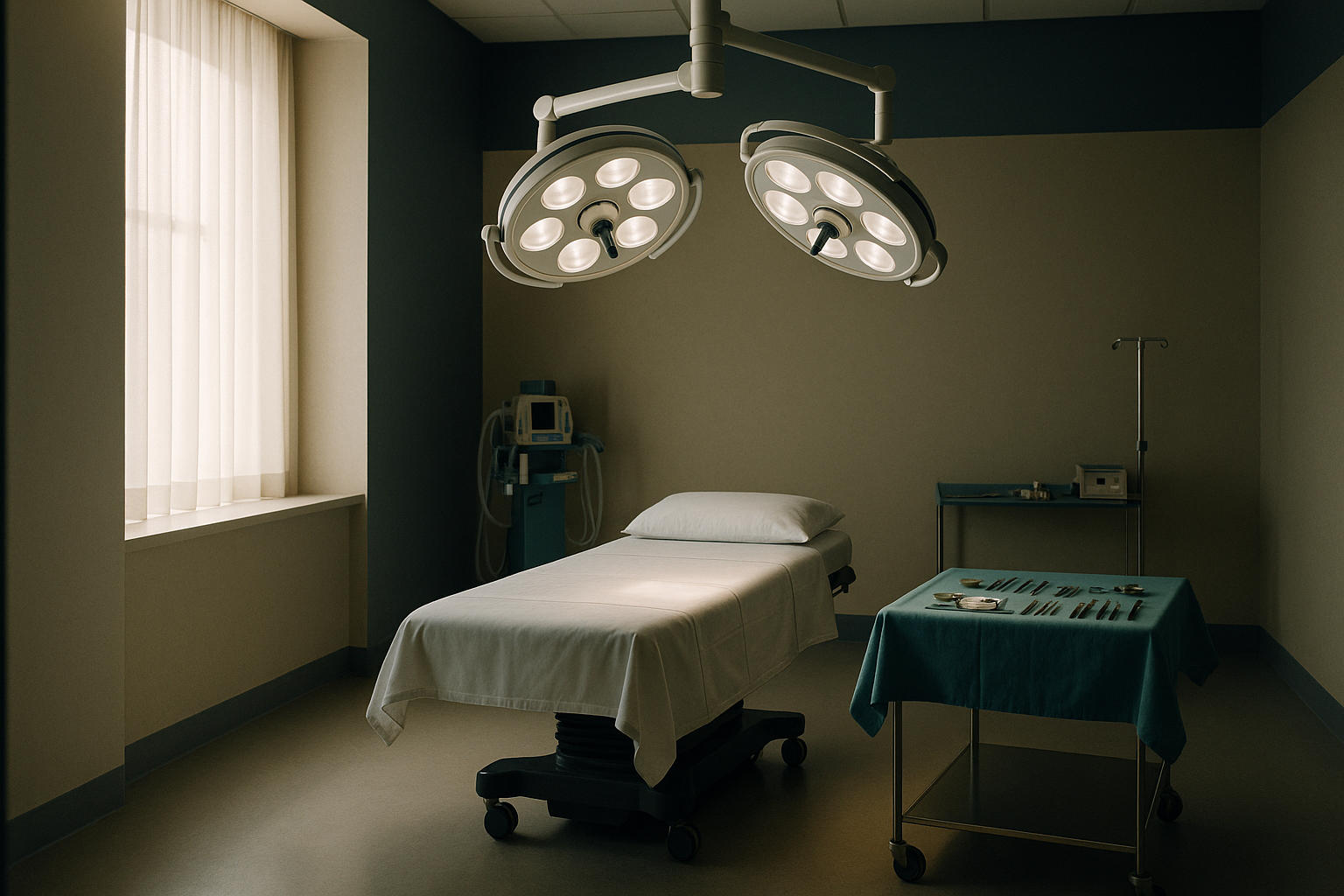
Arm tuck procedures, known for enhancing the contour and appearance of the upper arms, are increasingly popular among individuals seeking aesthetic improvements. This guide will delve into the intricacies of arm tucks, covering costs, safety, and expected outcomes.
What is an Arm Tuck Procedure?
An arm tuck, medically referred to as brachioplasty, is a surgical procedure aimed at reducing excess sagging skin, tightening and smoothing the underlying supportive tissue, and reducing localized pockets of fat in the upper arm region. This procedure is especially beneficial for those who have experienced significant weight loss or have sagging skin due to aging. Such changes can lead to discomfort and self-consciousness, making an arm tuck an appealing option for many individuals seeking to restore their arms’ youthful appearance.
The procedure typically involves making an incision on the inside or back of the arm, allowing the surgeon to remove excess skin and fat. Depending on the extent of the surgery, the incision may extend from the underarm to just above the elbow. The remaining skin is then repositioned over the newly recontoured arm for a smoother appearance. Surgeons often use advanced techniques to minimize scarring, such as placing incisions in less visible areas and employing meticulous suturing methods.
Patients considering an arm tuck should discuss their goals and expectations with their surgeon during a comprehensive consultation. This discussion should include an exploration of other body contouring options that might complement the arm tuck, such as liposuction or tummy tuck, particularly for those who have undergone massive weight loss. Understanding the full scope of the procedure and potential outcomes can help ensure patient satisfaction and optimal results. It’s also crucial to discuss potential risks and complications, as well as the expected recovery time, to make a well-informed decision.
How Much is an Arm Lift in Turkey?
Turkey has become a popular destination for medical tourism, offering high-quality healthcare at competitive prices. The cost of an arm lift in Turkey typically ranges between £1,500 and £3,000. Prices may vary based on the surgeon’s experience, the facility’s reputation, and the complexity of the procedure. This is significantly lower compared to the United States or Western Europe, where such procedures can range from £4,000 to £8,000, making Turkey an attractive option for budget-conscious patients without compromising on quality.
Patients considering surgery in Turkey should ensure that the chosen clinic adheres to international healthcare standards and that the surgeons are certified by recognized boards. It’s crucial to verify accreditations such as the Joint Commission International (JCI) to ensure the facility meets global health and safety standards. Furthermore, communication is key; ensure that the clinic offers services in your preferred language to facilitate clear communication throughout the treatment process.
It’s advisable to factor in additional costs such as travel, accommodation, and post-operative care when planning your budget. Many clinics offer medical tourism packages that include these extras, providing convenience and potentially further savings. However, it’s essential to scrutinize these packages to ensure they cover necessary aftercare and provide adequate support during your recovery period. Research and planning are crucial to ensure a smooth experience and satisfactory results. Consider also checking the clinic’s reputation through patient reviews and testimonials, which can provide insights into the quality of care and patient satisfaction.
What to Expect During an Arm Tuck Surgery?
Before the surgery, patients will undergo a thorough consultation with their surgeon to discuss their goals, medical history, and any potential risks. This pre-operative phase may include physical examinations, blood tests, and imaging studies to tailor the surgical plan to the patient’s unique anatomy and health profile. Such assessments are crucial in identifying any underlying conditions that could affect the surgery or recovery process.
The procedure is usually performed under general anaesthesia and can take between one to three hours, depending on the extent of the surgery. The duration can vary based on factors such as the amount of excess skin to be removed and whether additional procedures like liposuction are performed concurrently. During the surgery, the surgeon will make incisions in strategic locations to minimize visible scarring. The choice of incision placement is influenced by the patient’s anatomy and desired outcomes, ensuring the most aesthetically pleasing results.
After removing excess skin and fat, the arm is reshaped to achieve a more toned appearance. Patients can expect to stay in the hospital for a short period, typically a few hours to overnight, to ensure proper recovery before being discharged. This monitoring phase allows medical staff to manage immediate post-operative pain and address any potential complications. Understanding the procedural details and recovery timeline helps patients prepare mentally and physically for their surgery journey. It is also beneficial for patients to arrange for transportation and assistance at home for the initial days post-surgery, as mobility might be limited.
How Safe is Arm Reduction Surgery?
Arm reduction surgery is generally safe when performed by a qualified and experienced surgeon in an accredited facility. However, as with any surgical procedure, it carries potential risks such as infection, bleeding, and adverse reactions to anaesthesia. The overall complication rate is low, but patients should be informed about the symptoms of potential complications, such as increased pain, redness, or fever, which require immediate medical attention.
To minimize risks, it’s crucial to follow the surgeon’s pre- and post-operative instructions carefully. This includes avoiding smoking, maintaining a healthy diet, and attending all follow-up appointments. Smoking, in particular, can significantly impair wound healing and increase the risk of surgical complications, making cessation an important consideration for those undergoing surgery.
Patients should also discuss any concerns or existing medical conditions with their surgeon prior to the procedure. Conditions such as diabetes or cardiovascular issues can influence surgical outcomes and may require special management strategies. A transparent conversation about health history and lifestyle habits enables the surgical team to devise a comprehensive care plan, ensuring patient safety and enhancing the likelihood of a successful outcome. Patients should also inquire about the surgeon’s experience with similar cases and the facility’s accreditation to further ensure safety.
What is the Recovery Time for Arm Plastic Surgery?
Recovery from arm plastic surgery varies among individuals, but most patients can expect to return to non-strenuous activities within two weeks. Full recovery and the final results may take several months as swelling and bruising subside. Patients are often advised to schedule time off work and arrange for assistance with daily tasks during the initial recovery period to facilitate a smooth healing process.
During the recovery period, it’s important to follow the surgeon’s aftercare instructions, including wearing compression garments to support the healing process. These garments help reduce swelling and support the arm’s new contour. Patients should avoid lifting heavy objects and engaging in strenuous activities until cleared by their surgeon. Exercise and heavy lifting can strain incisions and compromise healing, so adherence to activity restrictions is vital.
Regular follow-up appointments with the surgeon are crucial to monitor healing progress and address any concerns. These visits provide an opportunity to evaluate the results and make any necessary adjustments to the post-operative care plan. By adhering to recovery protocols and maintaining open communication with their healthcare team, patients can optimize their recovery experience and achieve their desired aesthetic outcomes. Pain management and proper nutrition also play important roles in recovery, aiding in quicker healing and overall well-being.
Choosing the Right Facility for Arm Surgery
When selecting a facility for arm surgery, consider factors such as the surgeon’s credentials, the clinic’s accreditation, and patient reviews. Researching these aspects can help ensure a safe and satisfactory outcome. Look for surgeons who are board-certified in plastic surgery and have substantial experience performing arm tucks, as this specialization ensures familiarity with the intricacies of the procedure.
It’s also beneficial to have a clear understanding of the facility’s pre- and post-operative care policies. Facilities that offer comprehensive care, including follow-up appointments and support, contribute to a smoother recovery process. Inquire about the availability of on-site care teams, as well as access to emergency services, should any complications arise post-surgery. Such features are crucial components of a high-quality surgical experience.
Consider visiting the facility beforehand, if possible, to get a sense of the environment and the staff’s professionalism. This visit can provide valuable insights into the clinic’s operations and patient care standards. Making an informed decision about where to have your surgery can significantly impact your comfort, safety, and satisfaction with the results. By thoroughly evaluating potential options, patients can choose a facility that aligns with their needs and expectations, paving the way for successful surgical outcomes. Additionally, reviewing before-and-after photos of past patients can provide a realistic expectation of the surgical results.
Conclusion: Achieving Your Desired Results with Arm Skin Removal
Arm skin removal can significantly enhance your self-confidence and body image. By understanding the procedure, costs, and safety measures, you can make an informed decision about your surgery. Always consult with a qualified professional to ensure optimal results and safety. As you embark on this journey, remember that choosing a skilled surgeon and a reputable facility are key steps toward achieving the transformative results you desire.
Every surgical decision should be made with comprehensive knowledge and realistic expectations. Consider discussing your motivations and expectations with your surgeon to ensure alignment on goals and potential outcomes. With proper planning and a commitment to post-operative care, arm tuck surgery can be a rewarding experience, leading to enhanced aesthetics and improved quality of life. Embrace the opportunity to transform your appearance with a procedure that can provide long-lasting satisfaction and confidence.
Proven result
20 to 200 hair-transplant patients a month from Australia
Aesthetic surgery group
Frequently asked questions
How much is an arm lift in Turkey?
An arm lift in Turkey costs between £1,500 and £3,000, depending on various factors like the surgeon’s expertise and the facility.
What are the risks of arm tuck surgery?
Risks include infection, bleeding, and anaesthesia reactions. Choosing a qualified surgeon and following care instructions reduces these risks.
How long does recovery take after arm surgery?
Initial recovery takes about two weeks, with full recovery extending over several months as swelling decreases and tissues heal.
Is arm reduction surgery permanent?
Results are long-lasting if patients maintain a stable weight and healthy lifestyle, though natural ageing can cause some changes over time.
What should I consider when choosing a surgeon for arm surgery?
Check the surgeon’s qualifications, experience, and patient reviews, and ensure the clinic is accredited and follows international standards.
Related guides
Exploring Arm Surgery Options for Better Contouring
Quick answerArm lift surgery in Turkey can range between $2,500 to $4,000, depending on the clinic and specific…

Considering Arm Skin Removal? Key Points to Know
Quick answerArm skin removal, or arm lift surgery, typically costs between £1,500 and £3,500 in Turkey, varying by…

Guide to Brachioplasty: Is It Right for You?
Quick answerBrachioplasty surgery, or arm lift, removes excess skin and fat from the upper arms, offering a more…