
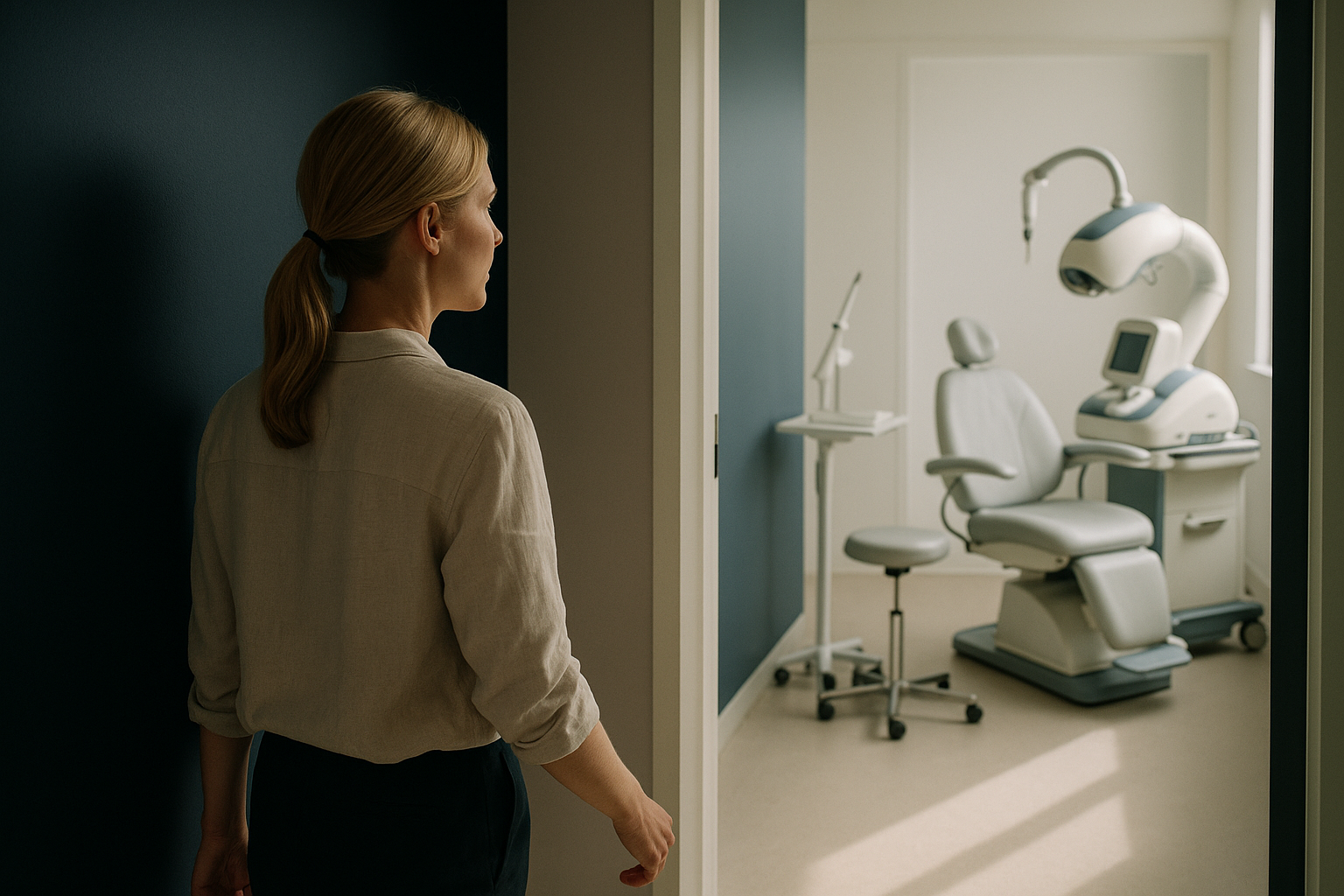
Direct Hair Implantation (DHI) transplant is a cutting-edge hair restoration technique that involves the direct implantation of hair follicles. Renowned for its precision and minimal scarring, DHI is becoming a popular choice worldwide for those seeking effective hair restoration solutions.
What is DHI Hair Transplant?
DHI hair transplant is an advanced method where hair follicles are extracted and directly implanted onto the scalp using a specialised tool known as the DHI implanter. This tool allows for precision placement of each follicle, which is crucial for achieving natural-looking results. Unlike traditional methods, such as Follicular Unit Transplantation (FUT), DHI does not require pre-creating recipient sites before implantation. This unique approach allows for greater accuracy and density in the final hair pattern, as each follicle is individually placed according to the natural hair growth direction.
The technique represents a significant evolution in hair transplantation, providing a minimally invasive solution that reduces the risk of trauma to the scalp. The use of local anaesthesia makes the procedure comfortable and allows it to be completed in one or two sessions, depending on the extent of hair loss. The typical session can last anywhere from 4 to 8 hours, with the possibility of needing a follow-up session for extensive cases.
Patients often choose DHI for its ability to deliver natural-looking results and a reduced recovery time compared to other methods. By directly implanting hair follicles, the method ensures that hair growth follows the natural direction, providing a seamless and natural appearance. This approach reduces the typical downtime associated with hair transplants, allowing patients to resume normal activities within a few days, though complete healing and optimal results may take several months to fully manifest.
Is DHI the Best Hair Transplant Method?
Whether DHI is the best hair transplant method varies based on individual needs and conditions. DHI is celebrated for its precision and minimal invasiveness compared to other methods, making it an excellent choice for many. However, the best choice depends on personal hair loss patterns, the extent of hair thinning, and individual expectations from the procedure. For example, patients with larger bald areas might need to consider the number of grafts required and the time it would take to achieve their desired results with DHI.
Unlike the Follicular Unit Extraction (FUE) technique, where follicles are extracted and then implanted after recipient sites are created, DHI uses a pen-like device to perform extraction and implantation simultaneously. This reduces the time follicles spend outside the body, potentially increasing their survival rate and leading to better results. The enhanced survival rate can be as high as 90-95%, which is crucial for achieving fuller and denser hair coverage.
For many, DHI offers a superior outcome due to its ability to achieve high-density implantation and natural growth patterns. However, consulting with a qualified specialist to evaluate personal suitability is critical. Factors such as hair type, color, and texture, as well as the condition of the donor area, should be thoroughly assessed to determine if DHI is the most appropriate method for the individual. A comprehensive consultation will also address any underlying medical conditions that could affect the success of the transplant.
DHI vs FUE: A Comparison
| Aspect | DHI | FUE |
|---|---|---|
| Implantation Method | Direct implantation with a specialised tool | Pre-created recipient sites |
| Scarring | Minimal | Minimal |
| Recovery Time | Short | Moderate |
| Precision | High | Moderate |
| Graft Survival Rate | 90-95% | 85-90% |
| Cost | Higher | Varies |
Both DHI and FUE are advanced techniques, but DHI’s direct implantation offers a more precise approach. This precision translates to faster recovery and more natural results for many patients. The direct implantation method allows for meticulous control over the placement of each follicle, enhancing the aesthetic outcome. However, individual outcomes can vary depending on factors such as the surgeon’s expertise and the patient’s unique physiology.
The minimal scarring associated with both methods is a significant advantage, as it allows patients to avoid the linear scars associated with older hair transplant techniques. This makes both DHI and FUE suitable for patients who prefer shorter hairstyles post-transplant. However, it’s important to note that DHI generally requires a higher level of skill and expertise, which can influence the overall cost of the procedure. Patients may find that the investment in DHI pays off with its superior results, especially in cases where high density and natural appearance are prioritized.
Understanding the DHI Hair Transplant Method
The DHI hair transplant method revolves around using a patented DHI implanter to place hair follicles directly into the scalp. This tool allows for precise control over the angle, depth, and direction of each follicle placement, which are vital for achieving optimal results. The ability to control these variables ensures that the transplanted hair follows the natural growth pattern, which is crucial for a seamless blend with existing hair.
The process begins with extracting hair follicles from the donor area, typically located at the back of the head, where hair is genetically resistant to balding. These follicles are then meticulously implanted one by one into the recipient area using the DHI implanter. The implantation process is designed to minimize stress on the follicles, enhancing their survival rate. The precision of the DHI technique also allows for denser packing of hair follicles, which can provide a fuller appearance even in areas with significant hair loss.
This method enhances the survival rate of hair follicles and ensures that the new hair grows naturally. The entire procedure is performed under local anaesthesia, making it comfortable for patients and reducing downtime. Most patients are able to return to work within a few days, with full healing and final results visible within 12 to 18 months. The gradual growth of new hair during this period allows for a natural transition, preventing sudden changes that could be noticeable to others.
Does DHI Hair Transplant Leave Scars?
One of the key advantages of DHI hair transplant is that it leaves minimal scarring, making it a highly attractive option for those concerned about aesthetics and recovery time. The use of fine needles and the direct implantation technique significantly reduces trauma to the scalp, thereby minimizing visible scars. This is particularly important for individuals who prefer to keep their hair short, as DHI does not leave the linear scars associated with older hair transplant techniques.
Unlike other methods that may require sutures or result in linear scars, DHI focuses on individual follicle placement, which significantly reduces the risk of noticeable scarring. The fine incisions made by the DHI implanter heal quickly, often leaving only minor pinpoint scars that are typically undetectable to the naked eye. These scars usually heal rapidly, allowing patients to return to their normal activities sooner and with more confidence in their appearance.
While some minor pinpoint scars may exist, they are typically undetectable and heal rapidly, allowing patients to return to their normal activities sooner. The quick healing process is a significant benefit for those who have active lifestyles or jobs that require frequent public interaction. Additionally, the minimal scarring ensures that future haircuts or styling choices are not limited by visible scarring, providing greater flexibility and freedom in personal grooming.
What is Robotic DHI Hair Transplant?
Robotic DHI hair transplant combines advanced robotics with the DHI technique to enhance precision and efficiency. The integration of robotic technology assists in the extraction and implantation process, ensuring consistency and accuracy. This cutting-edge approach leverages the precision of robotics to perform repetitive tasks with unmatched accuracy, reducing the potential for human error and increasing the overall success of the procedure.
The robotic system allows for real-time analysis and adjustments during the procedure. This capability maximizes the survival rate of the follicles and ensures uniform distribution across the scalp. By providing detailed 3D imaging and analysis, the robotic system can assist surgeons in planning and executing the most effective implantation strategy. This technology also reduces the manual effort required from the surgeon, leading to faster procedures and reduced fatigue, which can further improve outcomes.
The robotic system’s ability to perform repetitive tasks with precision makes it an excellent adjunct to the DHI technique, providing patients with exceptional results. For patients, this means a potentially higher degree of precision in follicle placement, resulting in a more natural hairline and denser coverage. While robotic assistance enhances the capabilities of the DHI method, the expertise and experience of the surgical team remain crucial for achieving the best possible outcomes.
Choosing a DHI Clinic
When selecting a DHI clinic, it is essential to consider several factors that can significantly impact the outcome of the transplant. Accreditation is a crucial consideration, as it ensures that the clinic adheres to international health standards and provides a safe environment for patients. Prospective patients should verify that the clinic is accredited by recognized health organizations and that it employs certified practitioners who specialize in DHI.
The experience of the medical team is another vital factor. A clinic with a team of highly trained and experienced surgeons increases the likelihood of a successful transplant. Patients should inquire about the team’s credentials, including their training, years of experience, and the number of DHI procedures they have performed. Additionally, patient reviews and testimonials can provide valuable insights into the clinic’s reputation and the quality of care provided.
Prospective patients should verify that the clinic follows international health standards and employs certified practitioners who specialise in DHI. A reputable clinic will offer transparent information about the procedure, costs, and expected results. During the initial consultation, patients should feel free to ask questions about the procedure, including any potential risks and the expected recovery process. A thorough evaluation ensures that patients choose a clinic that aligns with their needs and expectations, ultimately leading to a more satisfying experience and outcome.
Additionally, visiting the clinic for a consultation can provide insights into the facilities and the level of care provided. Observing the clinic’s cleanliness, the professionalism of the staff, and the technology used can help patients make an informed decision. In conclusion, DHI transplant offers a modern, effective solution for hair restoration, with distinct advantages in precision and minimal scarring. By understanding the procedure and evaluating options carefully, patients can make informed decisions about their hair restoration journey, setting the stage for a successful and satisfying outcome.
Proven result
20 to 200 hair-transplant patients a month from Australia
Aesthetic surgery group
Frequently asked questions
What is DHI hair transplant?
DHI hair transplant involves direct implantation of hair follicles using a specialised tool, offering precision and minimal scarring.
Is DHI the best hair transplant method?
DHI is highly regarded for its precision and minimal invasiveness, but the best method depends on individual needs and conditions.
Does DHI hair transplant leave scars?
DHI transplant leaves minimal scarring due to the fine needles and direct implantation technique, making it a preferred choice for many.
What is robotic DHI hair transplant?
Robotic DHI combines advanced robotics with the DHI technique to enhance precision and efficiency in hair follicle implantation.
Related guides
What to Expect During the Intracytoplasmic Sperm Injection Procedure
Quick answerThe intracytoplasmic sperm injection procedure involves directly injecting a single sperm into an egg to assist fertilisation.…

Dental Implants in Turkey: Quality, Cost, and Expectations
Quick answerTurkey teeth implants offer high quality at competitive prices, attracting international patients. Expect treatment timelines of 2-3…
Understanding Direct Hair Implantation: A Comprehensive Overview
Quick answerDirect hair implantation is a precise hair transplant method where hair follicles are directly implanted into the…