
Direct hair implantation is a sophisticated hair transplant technique that offers a natural and effective solution for hair restoration. This method is increasingly popular among international patients seeking quality medical care abroad. In this comprehensive guide, we will explore the essential aspects of direct hair implantation, including costs, timelines, and safety considerations.
What is Direct Hair Implantation?
Direct hair implantation is a modern hair transplant procedure in which individual hair follicles are extracted and directly implanted into the recipient area of the scalp. Unlike traditional methods, this technique does not require the creation of recipient sites before implantation. This results in a more natural hairline and reduced trauma to the scalp. The direct approach not only minimizes damage to the existing hair but also allows for a higher density of transplanted hair in the recipient area, making it a preferred choice for those seeking fuller results.
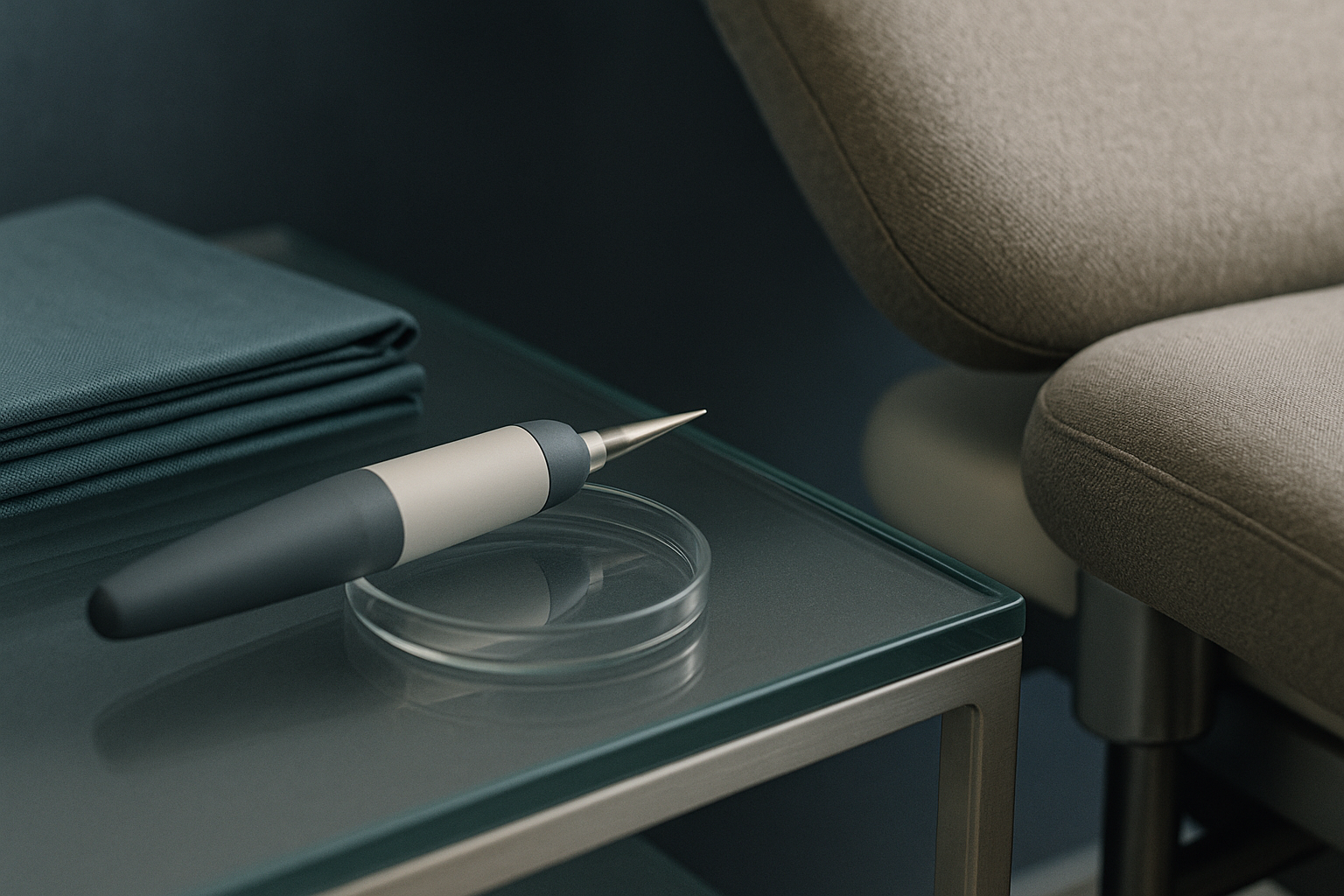
The procedure is performed using a specialized implanter pen that allows for precise control over the angle, depth, and direction of each implanted follicle. This ensures a more natural appearance and a higher survival rate for the transplanted hair. The implanter pen’s precision is crucial for creating a hairline that mimics natural hair growth patterns, which varies from person to person. This customization is critical in achieving a seamless blend with the existing hair.
Direct hair implantation is suited for individuals experiencing various types of hair loss, including androgenetic alopecia and thinning hair. The technique is versatile enough to address different patterns of hair loss and is particularly beneficial for those who have undergone previous hair transplant procedures with suboptimal results. It is important to consult with a qualified medical professional to determine if this technique is right for you. Such consultation will typically include an assessment of hair loss patterns, donor hair quality, and overall health to ensure the best possible outcome.
How Does Direct Hair Implantation Differ from Other Techniques?
Direct hair implantation differs from other hair restoration techniques, such as Follicular Unit Transplantation (FUT) and Follicular Unit Extraction (FUE), in several ways. In FUT, a strip of scalp is removed and dissected into individual follicular units, whereas FUE involves extracting individual follicles directly from the donor area. These traditional methods require surgical skill and experience, but they also come with limitations such as visible scarring and extended recovery times.
In contrast, direct hair implantation uses an implanter pen to place follicles directly into the scalp without pre-making recipient sites. This reduces the time follicles spend outside the body, potentially increasing their viability. The technique’s efficiency means a reduced risk of follicle dehydration and damage, which can occur when follicles are exposed to air for extended periods. The reduction in handling time enhances the survival rate of the grafts, leading to better overall results.
| Technique | Extraction Method | Recipient Site Creation |
|---|---|---|
| FUT | Strip harvesting | Pre-made |
| FUE | Individual follicle extraction | Pre-made |
| Direct Hair Implantation | Individual follicle extraction | Direct implantation |
The direct implantation method also allows for more precise placement of hair follicles, which is beneficial for achieving natural-looking results especially in areas requiring intricate detailing like the hairline and temple zones. This method also offers more flexibility in the placement of grafts, making it suitable for individuals with different types and severities of hair loss. Consequently, patients can achieve a more aesthetically pleasing outcome, with the flexibility to address specific areas of concern effectively.
What Are the Costs of Direct Hair Implantation?
The cost of direct hair implantation can vary significantly depending on several factors, including the location of the clinic, the expertise of the medical team, and the extent of the procedure. On average, patients can expect to pay between £2,000 and £10,000 for the treatment. This range reflects variations in the number of grafts required, the complexity of the procedure, and clinic overheads.
It is important to consider additional costs such as consultation fees, post-operative care, and travel expenses if you are considering undergoing the procedure abroad. Many clinics offer package deals that include accommodation and transportation, which can help manage overall costs. For instance, clinics in regions like Turkey and India often provide competitive pricing packages that appeal to international clients, sometimes bundling in luxury accommodations and tourist experiences.
Prospective patients should thoroughly research and compare clinics to ensure they receive the best value for their investment. This involves looking at the clinic’s track record, the experience level of the surgeons, and the technology used during procedures. Consulting with multiple providers can also provide a clearer picture of what to expect financially. Some clinics offer financing options or payment plans to help patients manage the cost of the procedure over time, making it more accessible to a wider audience.
What Should Patients Expect During the Procedure?
Patients undergoing direct hair implantation can expect a minimally invasive procedure performed under local anaesthesia. The entire process typically takes between 6 to 8 hours, depending on the number of grafts required. This duration allows for careful extraction and implantation, ensuring each follicle is handled with care to maximize viability.
During the procedure, individual hair follicles are extracted from the donor area, usually the back of the scalp, and immediately implanted into the thinning or bald areas. Patients can remain awake and aware throughout the process, allowing them to communicate with the medical team if necessary. This open communication can be reassuring for patients, helping to alleviate anxiety and ensure that any discomfort is promptly addressed.
After the procedure, patients may experience mild discomfort and swelling, which usually subsides within a few days. Most individuals can return to normal activities within a week, although strenuous exercise should be avoided for at least two weeks. This quick recovery time is one of the appealing aspects of direct hair implantation, as patients can resume their daily routines relatively swiftly. To aid recovery, patients are advised to follow specific post-operative care instructions provided by their clinic, which may include regular cleaning of the scalp, avoiding direct sunlight, and taking prescribed medications to minimize infection risks.
How Can Patients Ensure Safety and Accreditation?
Safety and accreditation are paramount when considering direct hair implantation. Patients should verify that the clinic is certified by a recognised medical board and that the medical team consists of qualified and experienced professionals. Checking the credentials of the clinic and the surgeon performing the procedure is a crucial step to ensure high standards of care and reduce the risk of complications.
Accredited clinics adhere to stringent hygiene and safety protocols, reducing the risk of infection and complications. Prospective patients should inquire about the clinic’s accreditation status and request to see before-and-after photos of previous patients to assess the quality of work. This visual evidence of the clinic’s results can provide reassurance and set realistic expectations for what can be achieved with the procedure.
It is also advisable to read online reviews and testimonials from past patients to gauge their satisfaction with the procedure and the clinic’s service standards. These reviews often provide insights into patient experiences, including the level of care received, the professionalism of the staff, and the overall outcome. Additionally, prospective patients can seek recommendations from healthcare professionals or forums dedicated to hair restoration to find reputable clinics and surgeons.
What Are the Expected Outcomes and Recovery Timeline?
The outcomes of direct hair implantation can vary depending on individual factors such as hair type, the extent of hair loss, and adherence to post-operative care instructions. Generally, patients can expect to see new hair growth within three to four months, with full results visible after 12 to 18 months. This timeline reflects the natural hair growth cycle, where transplanted hair first sheds before regrowing permanently.
To achieve optimal results, patients should follow the clinic’s post-operative care guidelines meticulously. This includes avoiding direct sunlight, refraining from smoking and alcohol consumption, and using prescribed medications and shampoos. Adhering to these guidelines can significantly impact the success of the transplant, as they help to minimize inflammation and promote healthy hair growth.
- New hair growth typically begins within 3-4 months.
- Full results are visible after 12-18 months.
- Adhering to post-operative care is crucial for success.
Additionally, patients may be advised to undergo periodic follow-up appointments to monitor progress and address any concerns. These appointments are an opportunity for the medical team to assess hair growth, ensure that healing is on track, and make any necessary adjustments to post-operative care. The success of direct hair implantation is largely dependent on the patient’s commitment to following care instructions and attending these follow-up sessions.
Conclusion: Is Direct Hair Implantation Right for You?
Direct hair implantation offers a promising solution for those seeking a natural and effective approach to hair restoration. By understanding the procedure, costs, and expected outcomes, prospective patients can make informed decisions about their treatment options. This method provides not only aesthetic improvements but also boosts confidence and self-esteem in individuals experiencing hair loss.
Consulting with a qualified medical professional is essential to determine if this technique aligns with your individual needs and expectations. With the right guidance, direct hair implantation can provide a significant boost to your confidence and appearance. Patients should ensure they are well-informed and comfortable with the chosen clinic and medical team to maximize the benefits of the procedure. As with any medical treatment, being well-prepared and knowledgeable about what to expect can greatly enhance the overall experience and results.
Proven result
20 to 200 hair-transplant patients a month from Australia
Aesthetic surgery group
Frequently asked questions
What is the recovery time for direct hair implantation?
Recovery from direct hair implantation typically takes about a week. Most patients can resume normal activities within this period, though strenuous activities should be avoided for two weeks.
Are the results of direct hair implantation permanent?
Yes, the results of direct hair implantation are generally permanent as the transplanted follicles continue to grow hair naturally.
Can direct hair implantation be combined with other treatments?
Direct hair implantation can be combined with other hair restoration treatments, such as PRP therapy, to enhance results. Consult a specialist for tailored advice.
How do I choose the right clinic for direct hair implantation?
Choose a clinic that is accredited by a recognised medical board, with experienced professionals and positive patient reviews. Verify their success with previous cases.
Related guides
The Step-by-Step Process of Intracytoplasmic Sperm Injection
Quick answerIntracytoplasmic sperm injection (ICSI) is a precise IVF technique where a single sperm is injected directly into…
ICSI: Decoding the Process and Its Importance
Quick answerICSI, or Intracytoplasmic Sperm Injection, is a fertility treatment involving the direct injection of sperm into an…

Finding the Right Doctor in Turkey: A Patient’s Guide
Quick answerTurkey is renowned for its skilled doctors and advanced medical facilities, making it a top destination for…