
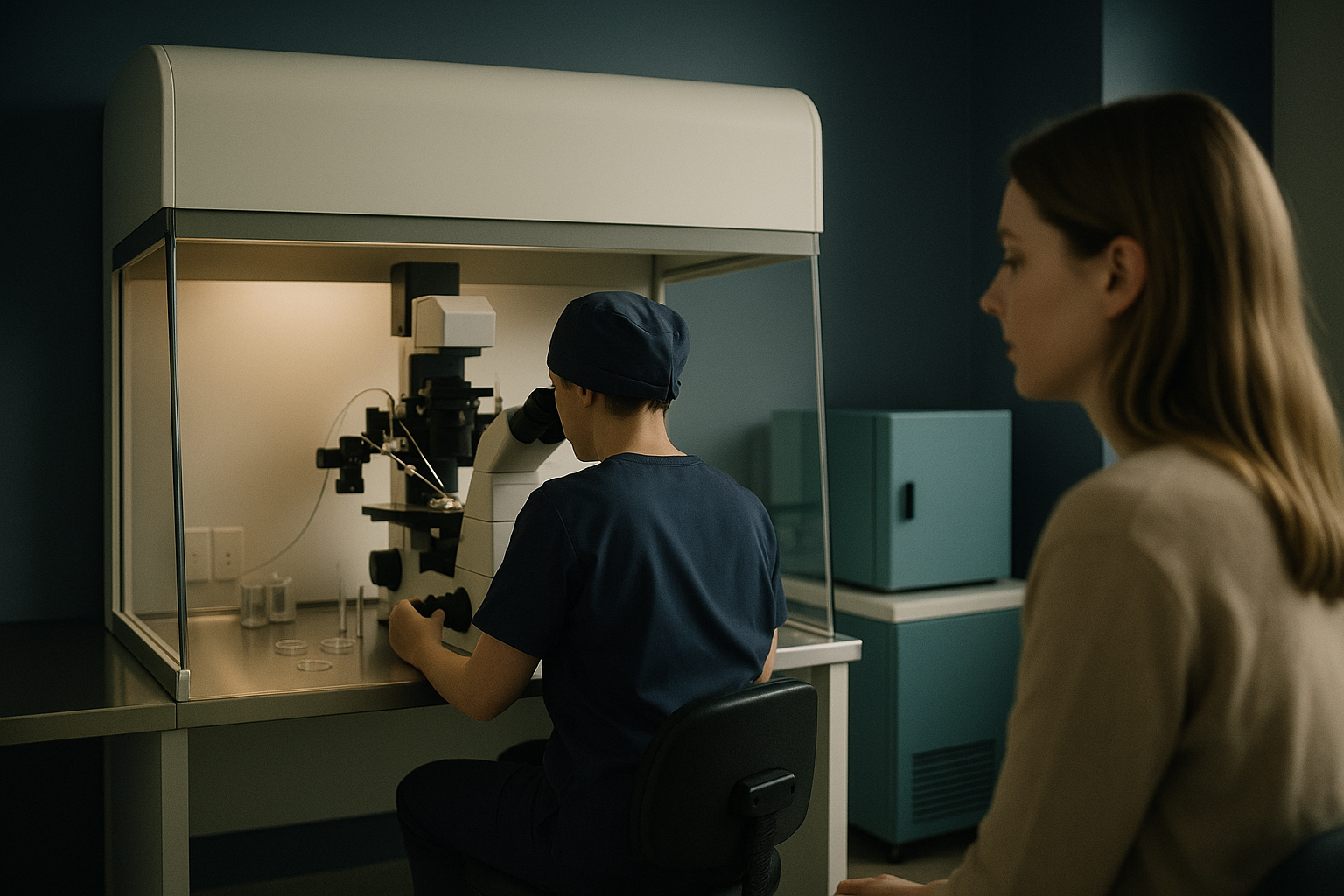
Intracytoplasmic sperm injection (ICSI) is a specialised form of in vitro fertilisation (IVF) that involves injecting a single sperm directly into an egg. This method is particularly beneficial for couples facing male infertility issues. Understanding the intracytoplasmic sperm injection process is crucial for prospective international patients considering treatment abroad.
What is Intracytoplasmic Sperm Injection?
Intracytoplasmic sperm injection (ICSI) is a laboratory technique used in IVF to enhance the fertilisation process. It is particularly helpful in cases of male infertility where sperm cannot penetrate the egg naturally. During ICSI, a single sperm is carefully selected and injected directly into the cytoplasm of an egg using a fine needle. This process requires the use of a micromanipulator, a sophisticated device that allows embryologists to handle sperm and eggs with precision under a microscope.
ICSI is often recommended when there are issues such as low sperm count, poor sperm motility, or abnormal sperm morphology. It can also be used when previous IVF cycles have failed to achieve fertilisation. This highly precise procedure aims to increase the chances of successful fertilisation and subsequent embryo development. In addition, ICSI can be beneficial for couples using frozen sperm or eggs, as it can improve fertilisation rates when sperm or eggs have been cryopreserved.
It’s important to understand that ICSI is not only a technical procedure but also a strategic choice in assisted reproductive technology. Fertility specialists often use ICSI in conjunction with genetic testing to ensure the health and viability of the embryos. This comprehensive approach allows for a more tailored fertility treatment plan, addressing the specific needs of each couple and increasing the likelihood of a successful pregnancy. Clinics may opt for additional techniques like preimplantation genetic testing (PGT) alongside ICSI to screen for genetic abnormalities, further enhancing the chances of healthy offspring.
How Does the Intracytoplasmic Sperm Injection Process Work?
The intracytoplasmic sperm injection process begins with the collection of sperm and eggs. Sperm can be obtained through ejaculation or surgical extraction, depending on the male partner’s condition. For those with severe male infertility, techniques such as testicular sperm extraction (TESE) or percutaneous epididymal sperm aspiration (PESA) may be used. These procedures are minimally invasive and performed under local anesthesia. Eggs are retrieved from the female partner following ovarian stimulation, which involves hormone injections to produce multiple eggs.
Once eggs are retrieved, they are placed in a petri dish, and a single sperm is injected into each egg using a micromanipulator. This delicate procedure requires precision and expertise to ensure the sperm is correctly positioned within the egg. The success of this step largely depends on the skills of the embryologist, who must handle fragile cells without causing damage. After injection, the eggs are incubated to allow fertilisation to occur. The incubation period is critical, as it provides the optimal environment for fertilisation and early embryonic development.
Following successful fertilisation, the developing embryos are monitored over a period of several days. This allows for the selection of the healthiest embryos for transfer to the uterus. The entire process, from egg retrieval to embryo transfer, typically spans five to six days. Close monitoring and advanced imaging techniques are used to assess embryo quality, ensuring only the most viable embryos are selected for implantation. This meticulous approach maximises the chances of achieving a successful pregnancy outcome. Clinics often utilise time-lapse imaging technology to observe embryo development continuously without disturbing their incubation environment, further refining selection criteria.
What are the Steps Involved in ICSI?
- Ovarian Stimulation: Hormones are administered to stimulate the ovaries to produce multiple eggs. This typically involves daily injections of gonadotropins over a period of 10 to 14 days. The response of the ovaries is monitored through blood tests and ultrasounds to adjust medication dosages as needed. Patients may be prescribed additional medications such as GnRH antagonists to prevent premature ovulation, ensuring that eggs mature properly before retrieval.
- Egg Retrieval: Eggs are collected from the ovaries through a minor surgical procedure called transvaginal ultrasound aspiration. This is performed under sedation and usually takes less than 30 minutes. The retrieved eggs are immediately assessed for maturity and quality. A transvaginal ultrasound guides the aspiration needle to ensure precision and minimise discomfort, while an embryologist evaluates the retrieved eggs to confirm their readiness for fertilisation.
- Sperm Collection: Sperm is obtained from the male partner through ejaculation or surgical extraction. In cases where surgical extraction is necessary, procedures like TESE or PESA are performed. The collected sperm is then washed and prepared in the laboratory to select the most motile and morphologically normal sperm for injection. This preparation process also involves the removal of seminal plasma and debris, ensuring that only the healthiest sperm are used.
- Injection: A single sperm is injected into each egg using a microneedle. This step requires a steady hand and a keen eye to ensure the sperm is placed correctly within the egg’s cytoplasm. The process is performed under a high-powered microscope to enhance visibility and precision. The embryologist must meticulously align the sperm with the needle before injection to avoid damaging the egg’s delicate structure.
- Incubation: Injected eggs are incubated to allow fertilisation and embryo development. The incubation environment is carefully controlled to mimic the natural conditions of the human body, promoting optimal growth and development of the embryos. Specialized incubators maintain precise temperature, humidity, and gas concentrations to support cellular activities crucial for early development.
Each step is carefully monitored to maximise the chances of successful fertilisation and embryo quality. The process typically takes several weeks, from initial hormone treatments to embryo transfer. Throughout this period, couples work closely with their fertility team, who provide updates and make necessary adjustments to the treatment plan to ensure the best possible outcomes. Regular consultations and feedback sessions with the fertility team help address any concerns and adapt the approach as needed, based on the couple’s response to treatment.
How Much Does Intracytoplasmic Sperm Injection Cost?
The cost of the intracytoplasmic sperm injection process varies widely depending on the country and clinic. On average, ICSI can range from $5,000 to $15,000 per cycle. This cost often includes ovarian stimulation, egg retrieval, sperm collection, and the ICSI procedure itself. However, these figures can fluctuate based on the clinic’s location, reputation, and the specific medical interventions required for the patient.
Additional expenses may include medications, laboratory fees, and embryo storage. Medications alone can add an extra $1,000 to $3,000 to the total cost, depending on the dosage and duration of use. It is essential for prospective medical travellers to obtain detailed cost breakdowns from clinics and consider travel-related expenses such as flights, accommodation, and local transportation. Patients should also verify whether their insurance covers any part of the treatment. In some cases, partial coverage may be available for diagnostic tests or specific procedural components.
To manage costs effectively, many couples explore financing options through fertility loans or payment plans offered by clinics. Some countries also offer government subsidies or tax deductions for fertility treatments. It’s advisable for patients to conduct thorough research and consult with financial advisors to explore all available funding options. Understanding the complete financial landscape will help couples plan effectively and avoid unexpected expenses during their fertility journey. Transparent communication with the clinic’s financial coordinator can also provide insights into hidden costs and available discounts or packages.
What are the Success Rates of Intracytoplasmic Sperm Injection?
Success rates for intracytoplasmic sperm injection depend on several factors, including the age and health of the female partner, the quality of the sperm, and the expertise of the clinic. Generally, ICSI has a fertilisation success rate of 70% to 80%, which is higher than traditional IVF methods in cases of male infertility. This increased rate of fertilisation is particularly beneficial for couples where male infertility is a significant barrier to conception.
However, it’s important to note that successful fertilisation does not guarantee pregnancy. Pregnancy rates following ICSI are approximately 25% to 35% per cycle, comparable to standard IVF. These rates can be influenced by the age of the female partner, with younger women typically experiencing higher success rates. Patients should consult with their fertility specialists to understand individual success probabilities. Detailed baseline assessments and pre-treatment counseling can provide realistic expectations and tailor the treatment approach to the couple’s unique circumstances.
In addition to age, other factors such as the quality of embryos, the number of embryos transferred, and the uterine environment also play crucial roles in determining the success of an ICSI cycle. It’s essential for couples to maintain open communication with their fertility team throughout the process. Regular updates and feedback enable continuous optimisation of treatment protocols, which can enhance overall outcomes and improve the likelihood of achieving a successful pregnancy. Clinics may also offer lifestyle and nutrition counseling to improve the overall health of the couple, potentially increasing success rates.
Is Intracytoplasmic Sperm Injection Safe?
Intracytoplasmic sperm injection is considered safe and is widely practiced worldwide. Like any medical procedure, it carries some risks, including ovarian hyperstimulation syndrome from fertility drugs and potential complications from egg retrieval. However, these risks are generally low and can be effectively managed with careful monitoring and timely intervention.
ICSI does not increase the risk of congenital anomalies in children compared to natural conception. Nonetheless, patients should discuss potential risks and benefits with their healthcare providers for a well-informed decision. Accredited clinics adhere to strict safety protocols and use advanced techniques to minimise risks. This includes the use of cutting-edge technology and continuous training for staff to ensure patient safety and high-quality care.
Patients should also consider the psychological and emotional aspects of undergoing fertility treatment. The process can be emotionally taxing, and support from counselors or support groups can be invaluable. Clinics often offer psychological support services to help patients cope with the stress and anxiety that may arise during treatment. A comprehensive approach that addresses both medical and emotional needs can significantly enhance the overall treatment experience and contribute to successful outcomes. Engaging with peer support networks and online forums can also provide additional comfort and shared experiences.
How to Choose a Clinic for ICSI Abroad?
When selecting a clinic for intracytoplasmic sperm injection abroad, consider factors such as the clinic’s accreditation, success rates, and patient reviews. Accreditation by international bodies such as the Joint Commission International (JCI) or the International Organization for Standardization (ISO) indicates adherence to high quality and safety standards. These certifications ensure that the clinic follows international best practices and maintains rigorous safety protocols.
Prospective patients should also evaluate the experience and qualifications of the medical team, as well as the clinic’s facilities and technologies. The expertise of the fertility specialists and embryologists is crucial, as their skills directly impact the success of the ICSI procedure. Consultations and virtual tours can provide insights into the clinic’s practices and patient care. It’s advisable to compare multiple clinics before making a decision. Factors such as the availability of personalised treatment plans, language support, and aftercare services should also be considered.
Additionally, understanding the legal and regulatory environment of the country where the clinic is located is important. Regulations regarding fertility treatments and patient rights can vary significantly between countries. Engaging with medical tourism facilitators or patient coordinators can help navigate these complexities and assist with logistical arrangements. Thorough research and careful planning will empower patients to make informed choices and select a clinic that best meets their needs and expectations. Exploring forums and reviews from other international patients can provide real-world insights into the clinic’s reputation and service quality.
Conclusion
The intracytoplasmic sperm injection process is a specialised and effective treatment for couples facing male infertility issues. It involves several steps, including ovarian stimulation, egg retrieval, sperm injection, and embryo incubation. Understanding these steps, associated costs, success rates, and safety considerations is crucial for international patients planning to undergo ICSI abroad.
By carefully selecting an accredited clinic and consulting with experienced fertility specialists, prospective patients can make informed decisions and improve their chances of achieving a successful pregnancy. The journey through fertility treatment can be challenging, but with the right support and resources, couples can navigate the process with confidence and hope for a positive outcome. The emotional and psychological support provided by clinics and support groups plays a pivotal role in helping couples manage the stress and maintain a positive outlook throughout their journey.
Proven result
20 to 200 hair-transplant patients a month from Australia
Aesthetic surgery group
Frequently asked questions
What is the main advantage of ICSI over traditional IVF?
ICSI is particularly beneficial for overcoming male infertility issues, such as low sperm count or poor motility, by directly injecting sperm into the egg.
How long does the ICSI process take from start to finish?
The entire ICSI process, from initial hormone treatments to embryo transfer, typically spans several weeks, depending on individual circumstances.
Are there any specific risks associated with ICSI?
ICSI carries low risks, similar to standard IVF, with potential complications from fertility drugs and egg retrieval, but no increased risk of congenital anomalies.
What should patients consider when choosing an ICSI clinic abroad?
Patients should consider clinic accreditation, success rates, patient reviews, and the experience of the medical team when selecting an ICSI clinic abroad.
Can insurance cover any part of the ICSI treatment?
Insurance coverage for ICSI varies; patients should verify with their providers if any aspects of the treatment are covered.
Related guides

Understanding Direct Hair Implantation: A Comprehensive Overview
Quick answerDirect hair implantation is a precise hair transplant method where hair follicles are directly implanted into the…

ICSI: Decoding the Process and Its Importance
Quick answerICSI, or Intracytoplasmic Sperm Injection, is a fertility treatment involving the direct injection of sperm into an…

Finding the Right Doctor in Turkey: A Patient’s Guide
Quick answerTurkey is renowned for its skilled doctors and advanced medical facilities, making it a top destination for…