
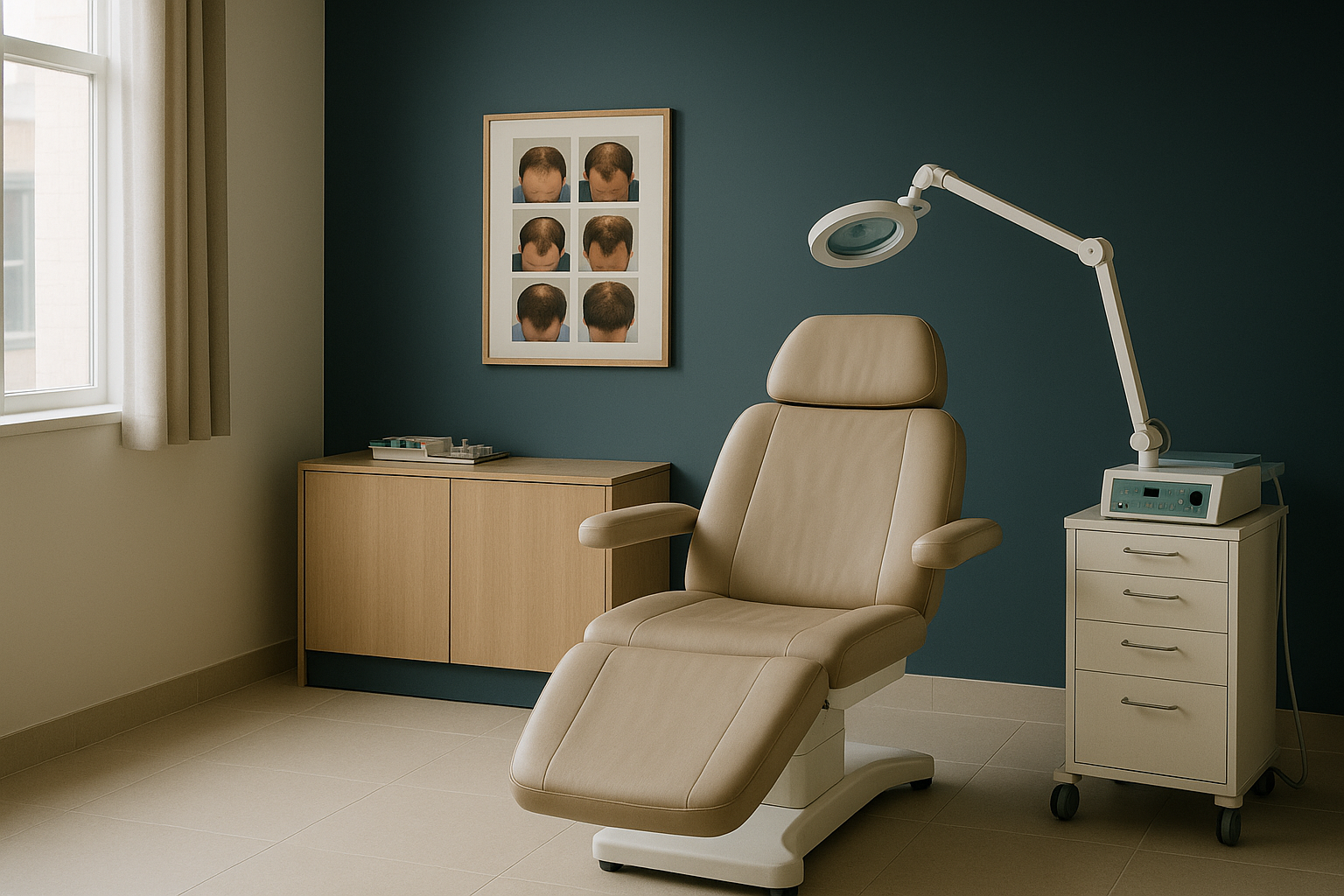
Female hair implants have gained popularity as an effective solution for women experiencing hair loss. This comprehensive guide explores the benefits, costs, and expectations of this treatment, providing valuable insights for prospective international patients.
What are Female Hair Implants?
Female hair implants involve transplanting hair follicles from one part of the body to the balding or thinning areas of the scalp. Unlike traditional methods, this modern technique ensures natural-looking results. Female hair plugs, a term often used synonymously, generally refer to smaller grafts that are placed meticulously to achieve a natural hairline. The technique has evolved significantly, moving away from the noticeable ‘pluggy’ look of the past to a more refined and seamless integration with existing hair.
The process typically employs either Follicular Unit Transplantation (FUT) or Follicular Unit Extraction (FUE). FUT involves removing a strip of the scalp from a donor area, usually at the back of the head, and dissecting it into individual follicular units. This method can be advantageous for patients needing a large number of grafts, possibly ranging from 1,500 to over 3,000, making it efficient for extensive hair loss cases. On the other hand, FUE extracts individual follicles directly from the scalp or other body areas, allowing for a less invasive approach with minimal scarring. This method is particularly appealing for those who prefer to maintain shorter hairstyles or have a limited donor area.
Choosing between these techniques depends on several factors, including the patient’s hair density, the texture of the donor hair, and the size of the balding area. A thorough consultation with a hair restoration specialist is essential to determine which method is best suited. The success of the procedure largely hinges on the precision of the surgeon and the appropriateness of the chosen technique. Factors such as the surgeon’s experience, the quality of the donor hair, and the patient’s adherence to post-operative care play crucial roles in achieving the desired outcome.
Are Female Hair Implants Permanent?
Yes, female hair implants can provide a permanent solution to hair loss. Once the transplanted hair follicles take root in the scalp, they begin to grow naturally. Patients can expect to see new hair growth within three to four months post-procedure. This gradual process is crucial as it allows the hair to integrate seamlessly with existing strands, ensuring a natural appearance. Over time, the implanted hair will continue to grow just like the rest of the natural hair, which can be cut, styled, and colored as desired.
However, while the transplanted hair is permanent, ongoing hair loss in untreated areas may necessitate additional sessions. It’s important to remember that hair implants do not prevent future hair loss. Women experiencing progressive thinning might need supplemental treatments to maintain overall hair density. Regular consultations with a specialist can help manage expectations and outcomes effectively. They may recommend adjunct therapies such as platelet-rich plasma (PRP) treatments or specific medications like minoxidil to enhance the longevity of the results.
Moreover, lifestyle factors such as diet, stress management, and overall health can influence the success and permanence of hair implants. Patients are encouraged to adopt a holistic approach to hair health, including nutritional support with vitamins like biotin, iron, and zinc, and stress reduction techniques such as yoga or mindfulness practices. By optimizing these lifestyle elements, patients can maximize the longevity and appearance of their hair implants, ensuring the best possible outcome from the procedure.
How Much Do Female Hair Implants Cost?
The cost of female hair implants varies depending on several factors, including the extent of hair loss, the technique used, and the location of the clinic. On average, the procedure can range from £3,000 to £10,000, with additional costs for follow-up care and medications. These figures can fluctuate based on the clinic’s reputation, the surgeon’s expertise, and the geographic region. Clinics in metropolitan areas or those with renowned specialists might charge at the higher end of this spectrum, reflecting the demand for high-quality care.
It’s crucial to consider the quality and experience of the surgeon over cost alone. A well-executed procedure can yield natural and satisfying results, whereas a poorly performed surgery may require costly corrective procedures. Prospective patients should conduct thorough research, comparing surgeons’ qualifications, patient reviews, and before-and-after photos to gauge potential outcomes. Transparency regarding costs, procedural details, and expected results is essential in selecting the right provider.
Seeking treatment abroad may offer cost savings, but ensure that the facility is accredited and the medical staff are qualified. In countries where medical tourism is prominent, such as Turkey or India, package deals often include surgery, accommodation, and even sightseeing tours. However, it’s paramount to verify the clinic’s credentials and ensure there is no compromise on safety and quality standards. Proper due diligence can prevent complications and ensure a positive experience, making the investment worthwhile.
Are Female Hair Transplants Successful?
Female hair transplants generally boast high success rates. The success largely depends on the surgeon’s expertise and the patient’s adherence to post-operative care instructions. Many women report satisfaction with their results, citing improved self-esteem and appearance as significant benefits. The transplanted hair, once fully grown, is indistinguishable from the natural hair, contributing to a more youthful and vibrant look.
Success is also contingent on realistic expectations. While the procedure can significantly enhance appearance, it may not restore hair density to pre-loss levels. Patients should discuss their goals openly with their surgeon to align on achievable results. Surgeons can provide visual simulations or case studies to help set realistic expectations. This alignment is crucial to ensure that patients are satisfied with the outcome and understand the capabilities and limitations of the procedure.
Long-term success is supported by post-procedure care, including avoiding exposure to the sun, refraining from smoking, and following a healthy diet rich in proteins and vitamins. The transplanted hair will grow and shed in a cycle similar to natural hair, and it may take up to a year to see the final results. Ongoing communication with the surgeon ensures that any concerns or complications are promptly addressed, enhancing the overall success and satisfaction with the procedure. Regular follow-ups are an integral part of this process, allowing for monitoring and adjustment as needed.
Can Females Get Hair Transplants?
Absolutely, females can undergo hair transplants. The procedure is not gender-specific and is designed to address various causes of female hair loss, including genetics, hormonal changes, and medical conditions. Women experiencing androgenetic alopecia, traction alopecia, or hair loss due to medical treatments like chemotherapy are often ideal candidates for this procedure. Each condition presents unique challenges, which the transplant can effectively address by restoring hair density and coverage in affected areas.
Consultation with a skilled surgeon is essential to determine candidacy. The surgeon will evaluate the extent of hair loss, the condition of the donor site, and the patient’s overall health to recommend the most suitable treatment plan. During the consultation, patients can discuss their hair restoration goals, previous treatments, and any underlying health issues that might affect the procedure. This thorough evaluation ensures that the patient is a suitable candidate and that the chosen method is the most effective for their specific needs.
It’s important for female patients to have realistic expectations and understand that results may vary based on individual factors. The surgeon may use advanced imaging technology to simulate potential outcomes and help the patient visualize the expected results. This collaborative approach ensures that the treatment plan is tailored to meet the specific needs and desires of each patient, increasing the likelihood of a successful outcome. By aligning expectations with realistic possibilities, both the surgeon and patient can work towards a shared vision for the procedure’s results.
Does Female Hair Transplant Work?
Female hair transplants are effective for many women experiencing hair thinning or loss. The transplanted hair behaves like natural hair, growing and requiring regular hair care routines. Patients who adhere to post-surgical care instructions often experience favorable outcomes, with hair that looks and feels natural. The procedure’s success is evident in both aesthetic improvements and the psychological boost patients receive from enhanced self-confidence.
Studies and patient testimonials corroborate the efficacy of this procedure, with many experiencing positive, long-lasting results. It is crucial to follow post-surgical care and attend regular follow-ups for optimal outcomes. Surgeons typically provide detailed aftercare instructions, including how to wash the hair, avoid strenuous activities, and manage any discomfort or swelling. Adherence to these instructions can greatly influence the success of the transplant and the speed of recovery.
Moreover, emerging technologies and techniques continue to improve transplant outcomes. For instance, advancements in robotic-assisted FUE and the use of stem cells in conjunction with traditional transplantation methods are showing promising results in enhancing hair density and growth rates. Patients are encouraged to discuss these innovations with their surgeon to determine if they may benefit from such advancements, ensuring they receive the most effective and cutting-edge treatment available. These technological advancements offer exciting possibilities for even greater success rates and improved patient satisfaction in the future.
Choosing the Right Clinic for Female Hair Implants
Selecting the right clinic is critical. Look for facilities with accreditation from recognized health bodies and surgeons with verifiable credentials. Research patient reviews and seek recommendations when possible. Online platforms and forums dedicated to hair restoration can provide valuable insights into patient experiences and outcomes at various clinics, helping to inform your decision.
International patients should consider clinics that offer comprehensive packages, including accommodation and transport, to ensure a seamless experience. It’s advisable to verify if the clinic provides remote consultations for preliminary assessments. This can be particularly beneficial for those traveling from afar, as it allows for initial evaluations and discussion of goals before committing to travel. Such consultations can help set realistic expectations and prepare patients for what to expect upon arrival.
Furthermore, patients should inquire about the clinic’s post-operative care and follow-up policies. A reputable clinic will offer ongoing support and monitoring after the procedure to ensure optimal recovery and results. Transparency about costs, potential risks, and expected outcomes is also a hallmark of a trustworthy clinic, helping patients make informed decisions about their care. By choosing a clinic that emphasizes patient education and ongoing support, you can enhance the likelihood of a successful and satisfying outcome.
Preparing for Your Female Hair Implant Procedure
Preparation involves both physical and mental readiness. Patients may need to undergo blood tests and adjust medications as advised by their doctor. It’s also important to discuss any concerns or questions during the initial consultations. Understanding the procedure, potential risks, and expected outcomes can help alleviate anxiety and build confidence in the decision to proceed. Clear communication with your healthcare provider is essential to ensure you are fully informed and comfortable with every aspect of the procedure.
Planning for recovery time is crucial. Patients should arrange for time off work and ensure support at home for the initial recovery phase. This may include organizing assistance with daily tasks and arranging transportation to follow-up appointments. Being prepared can significantly enhance the recovery experience, allowing patients to focus on healing. By anticipating your needs during recovery, you can reduce stress and promote a smoother transition back to your daily routine.
Emotional preparation is equally important. Patients may find it helpful to connect with others who have undergone the procedure to share experiences and advice. Additionally, setting realistic expectations and being patient with the recovery process is vital for achieving satisfaction with the final results. Mental readiness can be bolstered through relaxation techniques such as meditation or visualization exercises, which can help manage stress and promote a positive mindset before and after the procedure. Embracing a holistic approach to preparation can make a significant difference in your overall experience and satisfaction.
Understanding Post-Procedure Recovery and Care
Recovery from female hair implants typically involves a short downtime. Patients can expect mild swelling and discomfort, manageable with prescribed medication. It’s vital to follow the surgeon’s care instructions to avoid complications. These instructions often include guidelines on washing the hair, avoiding certain activities, and managing post-operative symptoms. Compliance with these guidelines is crucial to ensuring a smooth recovery process and minimizing the risk of complications.
Regular check-ups will be necessary to monitor progress. Hair washing and styling may be restricted initially, but patients can resume normal activities within a week or two, depending on individual recovery rates. During these follow-ups, the surgeon can assess the healing process, address any concerns, and provide additional care advice to support optimal outcomes. These visits are an opportunity to discuss any issues and make necessary adjustments to your care plan.
Ultimately, patience is key. Full results can take up to a year to manifest as transplanted hair grows and thickens over time. Patients should be aware that the transplanted hair will initially shed before new growth begins, a normal part of the recovery process. Embracing this journey with realistic expectations and a positive outlook can greatly enhance satisfaction with the final results, as the new hair gradually integrates with existing strands to create a fuller, more natural appearance. By understanding the recovery timeline and maintaining realistic expectations, you can enjoy the benefits of your hair transplant to the fullest.
Proven result
20 to 200 hair-transplant patients a month from Australia
Aesthetic surgery group
Frequently asked questions
Is female hair transplant permanent?
Yes, female hair transplants are generally permanent. The transplanted hair follicles grow naturally, providing lasting results.
How much does female hair transplant cost?
The cost varies globally but typically ranges from £3,000 to £10,000, depending on the clinic and extent of treatment.
Are female hair transplants successful?
Yes, they have high success rates when performed by skilled surgeons, offering natural-looking results and improved self-confidence.
Can females get hair transplants?
Yes, females can undergo hair transplants. It’s an effective option for addressing various causes of hair loss.
Related guides

Women’s Hair Surgery: An Overview of Options and Outcomes
Quick answerWomen's hair surgery involves procedures like FUE and FUT, offering diverse options for hair restoration. Costs vary…
Comprehensive Guide to ‘All on Four’ Implants
Quick answer'All on Four' implants are a dental solution where four implants support a full arch of teeth.…
Hair Implants for Women: A Path to Renewed Confidence
Quick answerHair implants for women offer a lasting solution for hair loss, with various techniques like FUE providing…