
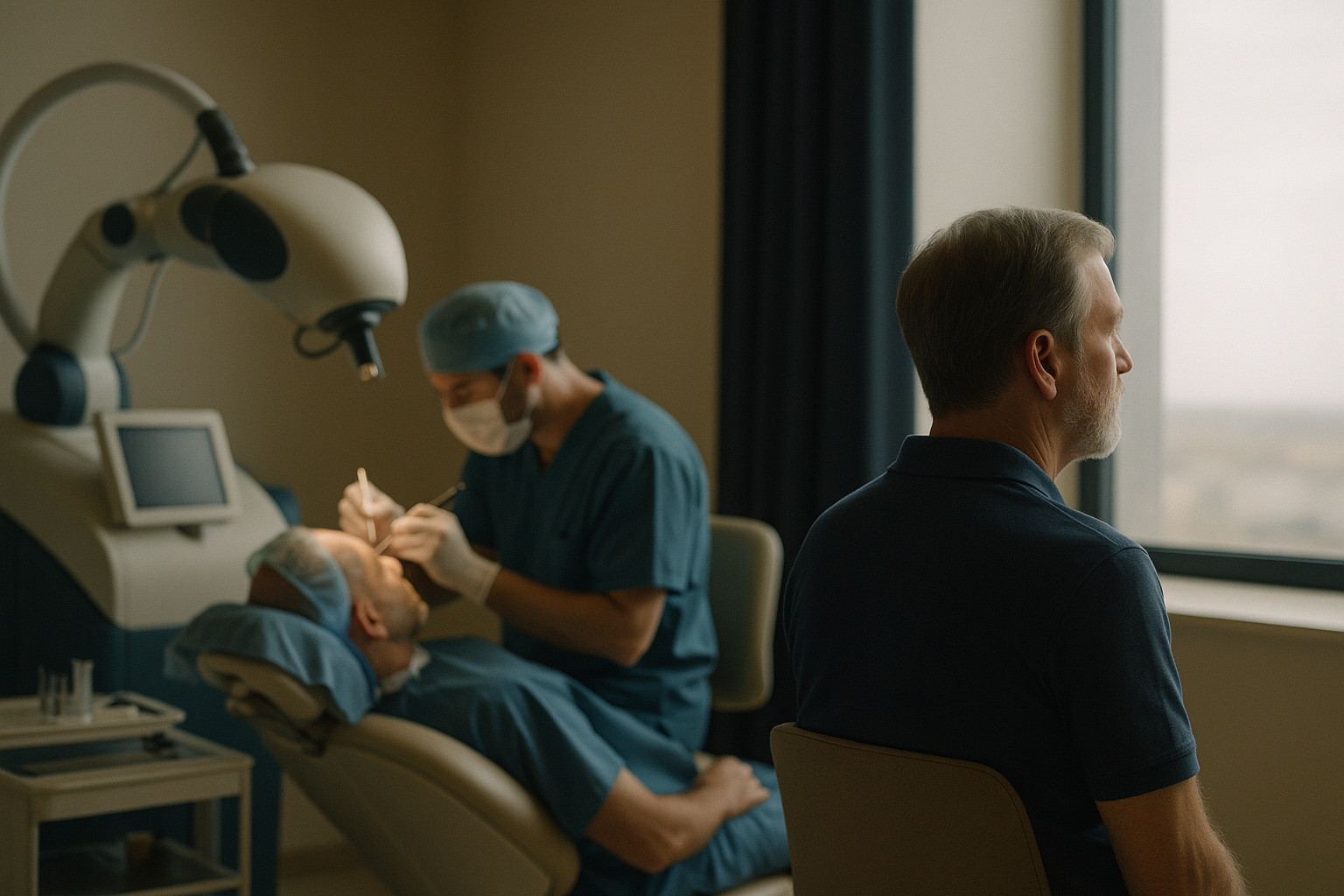
Hair loss is a common concern affecting millions globally, spurring interest in hair plants, also known as hair transplants. This procedure offers a promising solution for individuals seeking to regain hair growth and confidence. Understanding the basics of hair plants can guide prospective international patients in making informed decisions.
What Are Hair Plants?
Hair plants, often referred to as hair transplants, involve the intricate process of transferring hair follicles from a donor site, typically the back or sides of the head, to a bald or thinning area. This surgical procedure is primarily used to treat male pattern baldness but can also address hair loss in women and even in cases of hair loss due to trauma or certain dermatological conditions. The transplanted hair follicles are selected for their genetic resistance to balding and continue to grow naturally, providing a long-term solution to hair loss.
The two principal techniques for hair transplants are Follicular Unit Extraction (FUE) and Follicular Unit Transplantation (FUT). FUE involves extracting individual follicles using a micro-punch tool, noted for its minimally invasive nature, resulting in faster recovery and no noticeable scarring. On the other hand, FUT involves removing a strip of the scalp, usually about 15 to 20 centimeters long and 1 to 2 centimeters wide, which might be more suitable for those needing extensive grafts due to its efficiency.
Choosing between FUE and FUT often depends on the individual’s specific needs and the surgeon’s expertise. For instance, FUE might be preferable for individuals who prefer to wear their hair short due to the absence of linear scars. This method is also advantageous for those with limited donor hair, as it allows for the harvest of finer hair follicles. In contrast, FUT might be advantageous for patients seeking a large number of grafts in fewer sessions, as it can typically yield more grafts in a single procedure. Consulting with a specialized surgeon can help determine the best approach based on hair type, density, and desired outcomes, as well as considerations like downtime and personal preferences.
How Do Hair Growth Operations Work?
Hair growth operations are intricate procedures that require precision and expertise. In FUE hair transplants, individual hair follicles are extracted from the donor site and meticulously implanted into the recipient area. This method is minimally invasive, leaving no linear scars and requiring shorter recovery time compared to FUT. Each follicle is carefully harvested using a specialized punch tool, usually ranging from 0.7mm to 0.9mm in diameter, which minimizes trauma to the surrounding tissue and promotes quicker healing.
FUT, or strip harvesting, involves removing a strip of scalp from the donor site, from which follicular units are dissected and transplanted. This method may be preferable for patients requiring a large number of grafts in a single session. The strip is typically taken from the back of the head, where hair is denser and less prone to thinning, ensuring that the transplanted hair will continue to grow robustly. Surgeons then dissect the strip under high magnification to ensure minimal wastage of viable follicles, using microscopes to carefully separate individual follicular units.
Both techniques have their advantages and risks, which should be discussed with a qualified surgeon. For example, FUE is often chosen for its less invasive nature and faster recovery, while FUT might be selected for its efficiency in providing a larger number of grafts in one sitting. Patients must consider factors like the extent of hair loss, donor hair availability, and personal preferences when choosing the appropriate method. Additionally, considerations such as the potential for future hair loss and the long-term maintenance of the transplanted hair should be part of the decision-making process.
How Much Do Hair Transplants Cost?
The cost of hair transplants varies significantly based on factors such as the method used, the extent of hair loss, and the geographical location of the clinic. On average, FUE hair transplant costs range from $4,000 to $15,000, with prices in locations like New York City potentially higher due to demand. In contrast, FUT costs might start lower, around $3,000, but can rise depending on the number of grafts needed and the clinic’s reputation. The cost per graft also plays a role, typically ranging from $3 to $10 per follicular unit, which is an important consideration for those needing a large number of grafts.
Other expenses to consider include consultation fees, post-operative care, and potential travel costs for international patients. For example, a clinic may charge a consultation fee of $100 to $300, and post-operative medications and follow-up appointments might add another $500 to $1,000 to the total cost. It’s essential to inquire about what the quoted price includes, such as anesthesia, follow-up visits, and any necessary medications. Some clinics offer package deals that encompass these additional services, which can simplify the financial planning for patients.
It’s crucial to weigh these financial aspects against the expected outcomes to make a well-informed decision. Patients should also explore financing options that many clinics offer, allowing the cost to be spread over several months or even years. This can make the procedure more accessible, particularly for those who may not have the entire amount readily available. Additionally, understanding the potential for additional costs, such as corrective surgery if the initial transplant does not meet expectations, is vital. Patients should also consider the longevity of the results, as successful transplants typically provide lasting improvements, thus offering good value over time.
What Are the Steps Involved in a Hair Transplant?
The hair transplant process typically begins with a detailed consultation to assess the patient’s hair loss pattern and discuss expectations. During this session, the surgeon will examine the scalp, determine the density of the donor area, and discuss the expected outcomes. This initial assessment is crucial to tailor the procedure to the patient’s specific needs and ensure realistic expectations. The surgeon may also discuss alternative treatments if the patient is not an ideal candidate for a transplant.
Once a suitable plan is devised, the procedure can be scheduled. On the day of surgery, local anesthesia is administered, ensuring patient comfort throughout the operation. For FUE, the surgeon meticulously extracts individual follicles, which are then carefully implanted into the recipient areas using fine instruments to place them at the correct angle for natural hair growth. In the case of FUT, a strip of scalp is removed, and follicles are dissected and transplanted by a surgical team working with microscopes to maximize graft survival.
Post-surgery, patients are given instructions for scalp care and medications to aid recovery. Follow-up visits are crucial to monitor the progress and ensure successful grafting. Full results can take up to a year to manifest, as transplanted hair gradually thickens and blends with natural hair. Patients are advised to avoid strenuous activities and direct sun exposure in the weeks following surgery to promote optimal healing and graft survival. Proper aftercare, including gentle hair washing and avoiding harsh hair products, is essential to support the healing process and ensure the best possible results.
Are Hair Transplants Safe?
Hair transplants are generally safe when performed by experienced surgeons in accredited facilities. However, like any surgical procedure, they carry risks such as infection, scarring, and unnatural-looking results. It’s essential to choose a reputable clinic and surgeon to mitigate these risks. The use of advanced technology and techniques has considerably reduced the incidence of complications in recent years, making hair transplants a safer option for many patients.
Accreditation and certification by recognized health authorities ensure that the facility adheres to high safety and hygiene standards. Prospective patients should verify these credentials during their initial consultations. They should also inquire about the surgeon’s experience, the number of procedures performed, and the success rate to gauge the clinic’s credibility. A surgeon with a high success rate and numerous positive patient testimonials is often a good indicator of quality care.
Patients should also be aware of potential side effects, such as temporary swelling, itching, or numbness at the donor or recipient sites, which typically resolve within a few weeks. In rare cases, more significant complications such as cysts or graft rejection can occur, underscoring the importance of choosing a qualified professional. Comprehensive pre-operative screening and post-operative care are critical components of a successful procedure, reducing the likelihood of adverse outcomes. Additionally, patient adherence to post-operative instructions significantly influences the success and safety of the transplant.
How to Choose the Right Clinic for Hair Transplants Abroad?
Choosing the right clinic involves considering several factors beyond cost. Prospective patients should research the clinic’s reputation, surgeon’s experience, and patient reviews. It’s advisable to select a facility with a strong track record of successful outcomes and patient satisfaction. Checking forums and independent review sites can provide insights into past patient experiences and the quality of care provided. Patients should also request a portfolio of before-and-after photos to assess the consistency and quality of the clinic’s results.
International patients should also consider logistical aspects such as travel and accommodation arrangements. Many clinics offer packages that include these services, streamlining the process for overseas patients. These packages might cover airport transfers, hotel stays, and even local tours, adding convenience for those traveling from afar. It’s important to compare these packages and consider the overall cost and convenience, as well as the reputation of the services provided.
Beyond logistics, communication is key. Choosing a clinic where staff can communicate effectively in the patient’s language can significantly impact the experience, ensuring that instructions and expectations are clearly understood. Additionally, verifying the clinic’s policy on post-operative care and follow-up, especially for international patients, is crucial to ensure ongoing support and address any concerns that may arise post-surgery. A clinic offering virtual follow-ups or accessible contact options can provide reassurance and continuity of care once the patient returns home.
Conclusion
Hair plants offer a viable solution for those experiencing hair loss, with procedures like FUE and FUT providing effective results. Understanding the costs, procedures, and safety measures involved can empower patients to make informed decisions. As with any medical procedure, thorough research and consultation with certified professionals are paramount to ensuring a successful and satisfying outcome. Patients are encouraged to take their time in selecting a clinic and to ask detailed questions to fully understand what their experience will entail, thus maximizing the potential for a positive result.
Proven result
20 to 200 hair-transplant patients a month from Australia
Aesthetic surgery group
Frequently asked questions
Do most hair transplant surgeons use manual FUE or NeoGraft?
Surgeons use both manual FUE and NeoGraft, depending on the case. Manual FUE offers precision, while NeoGraft automates extraction, enhancing speed.
What is a FUE hair transplant?
FUE hair transplant involves extracting individual hair follicles from a donor site and implanting them into thinning or bald areas, minimizing scarring.
How much does a FUE hair transplant cost?
The cost of a FUE hair transplant typically ranges from $4,000 to $15,000, varying by location, clinic, and extent of hair loss.
What factors affect hair transplant expenses?
Factors include the technique used, clinic location, surgeon’s expertise, number of grafts, and additional services like post-operative care.
Is FUE hair transplant suitable for everyone?
FUE is suitable for most, but individual suitability depends on factors like hair type and extent of loss. Consultation with a specialist is essential.
Related guides

Hairline Transplants for Women: Key Considerations
Quick answerFemale hairline transplants are a viable option for women experiencing hairline recession. They offer permanent results with…
Exploring Female Hair Implants: Benefits and Expectations
Quick answerFemale hair implants are a viable option for women experiencing hair loss. They offer a permanent solution…

Women’s Hair Surgery: An Overview of Options and Outcomes
Quick answerWomen's hair surgery involves procedures like FUE and FUT, offering diverse options for hair restoration. Costs vary…