
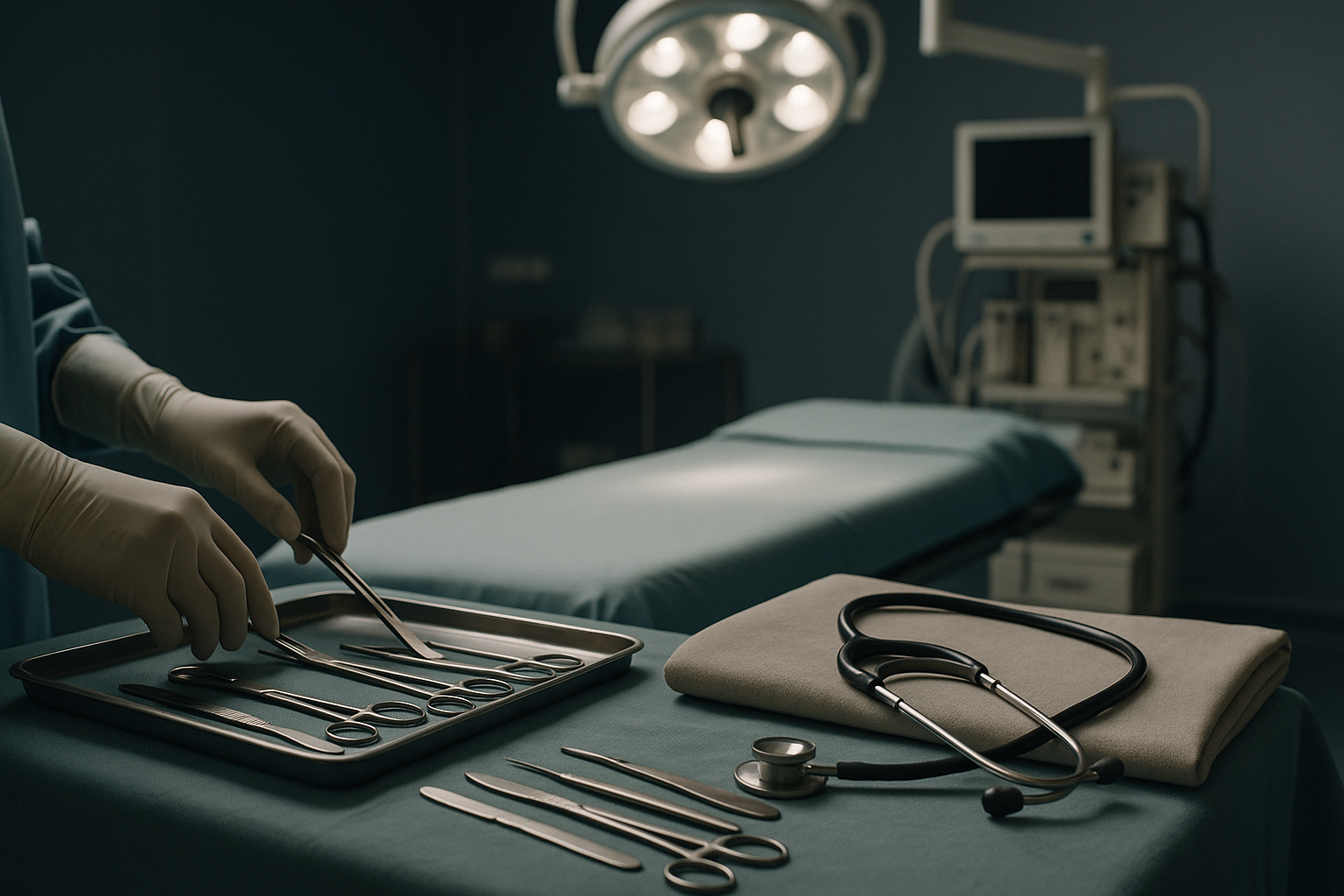
Nose reshaping, commonly known as rhinoplasty, can be a transformative procedure for many individuals seeking aesthetic or medical improvements. Understanding how much is nose reshaping is essential for anyone considering this surgery abroad, as costs can vary significantly by region and provider.
What Factors Influence the Cost of Nose Reshaping?
The cost of nose reshaping is a multifaceted issue influenced by several critical factors. One of the primary determinants is the surgeon’s expertise and reputation. Surgeons who are renowned for their skill and have extensive experience in performing rhinoplasties tend to charge more. For instance, a board-certified plastic surgeon in Beverly Hills may charge upwards of £10,000 because of their experience and the high demand for their services. This price might also reflect the costs associated with maintaining a practice in a high-cost area, where overheads such as rent and staff salaries are significantly higher.
Another significant factor is the complexity of the procedure itself. A straightforward cosmetic adjustment may cost less than a complex reconstructive surgery that addresses both aesthetic and functional issues. For example, correcting a deviated septum while reshaping the nose may involve additional surgical steps, thereby increasing the cost. Patients must have a clear diagnosis and treatment plan to understand how these complexities affect the overall price. Detailed consultations are essential to provide a comprehensive breakdown of the procedure’s steps, which will influence the final cost.
Geographic location also plays a pivotal role. In regions where healthcare is more expensive or where cosmetic surgery is highly sought after, costs tend to be higher. Conversely, in countries like India or Mexico, where medical tourism is popular, patients can find highly qualified surgeons at more competitive prices. This is often due to lower operational costs and a favorable exchange rate for international patients. However, it’s crucial to consider travel expenses and additional costs for accommodation when planning surgery abroad, which can add significantly to the overall expenditure.
How Much is Nose Reshaping in Different Countries?
The cost of nose reshaping varies widely across different countries, reflecting both the economic conditions and the healthcare infrastructure of each region. In the United States, rhinoplasty is a common procedure, with prices typically ranging from £5,000 to £10,000. This variation depends on factors such as the clinic’s location and the surgeon’s expertise. Major metropolitan areas like New York and Los Angeles are known for their high-end practices, which can significantly drive up costs. These cities are also at the forefront of cosmetic surgery innovation, often offering the latest techniques and technologies, which can also influence the price.
In contrast, European countries such as Germany and the UK offer nose reshaping at competitive rates, often ranging from £4,000 to £8,000. The healthcare systems in these countries are well-established, and they boast numerous accredited facilities offering high standards of care. Patients looking for a blend of quality and cost-effectiveness often consider these destinations. Germany, for example, is renowned for its precision in medical procedures, often attracting patients who value meticulous attention to detail.
Countries like Turkey have emerged as popular medical tourism destinations, primarily due to their affordable pricing and reputable healthcare professionals. Here, prices can range from £3,000 to £6,000. However, it’s crucial for patients to consider not only the cost but also the quality of care and the credentials of the medical team. Travelling abroad for surgery requires careful planning to ensure a successful outcome, including verifying the surgeon’s qualifications and the facility’s accreditation. Patients should also factor in the cost of post-operative care and potential follow-up visits, which may require additional travel back to the country.
Comparing Nose Reshaping to Other Cosmetic Procedures
Nose reshaping is just one of several popular cosmetic procedures available to those looking to enhance their appearance. Each procedure varies in cost, complexity, and recovery time, offering patients a range of options based on their specific needs and budget constraints. For example, how much do veneers cost can range from £400 to £2,000 per tooth, depending on factors such as the materials used and the dentist’s expertise. Veneers are a popular choice for individuals looking to improve their smile, with high-quality porcelain veneers offering durability and a natural appearance.
Hair transplants are another common procedure, especially among those experiencing hair loss. The cost for hair transplants ranges from £2,000 to £7,000, with prices depending heavily on the number of grafts required and the technique used. Follicular unit extraction (FUE) is a popular method that offers natural-looking results but may come at a higher price due to the meticulous process involved. Patients considering hair transplants must assess the long-term benefits against the initial outlay, as the results can significantly enhance one’s appearance and self-esteem.
Dental implants, often sought by those needing to replace missing teeth, typically cost between £1,000 and £3,000 per implant. This procedure involves surgically placing a metal post in the jawbone, which acts as a root for the replacement tooth. The complexity and longevity of dental implants can justify the higher cost when compared to other dental solutions such as bridges or dentures. Patients should consider not only the immediate costs but also the potential savings over time due to the durability and functionality of implants.
Below is a comparison table outlining the average costs of these procedures:
| Procedure | Average Cost |
|---|---|
| Nose Reshaping | £3,000 – £8,000 |
| Veneers | £400 – £2,000 per tooth |
| Hair Transplant | £2,000 – £7,000 |
| Dental Implants | £1,000 – £3,000 per implant |
Safety and Accreditation in Medical Tourism
When considering nose reshaping abroad, ensuring the safety and accreditation of the medical facility is paramount. Accredited hospitals adhere to stringent international standards, providing reassurance of quality care. Prospective patients should verify accreditations and consult reviews from previous patients. This due diligence helps in selecting a reputable facility that prioritizes patient welfare and safety. In addition to online reviews, patients might consider reaching out to past clients to gain first-hand insights into their experiences.
Organizations such as the Joint Commission International (JCI) offer accreditation to hospitals meeting specific criteria, ensuring a high level of care and patient safety. Accreditation by such bodies indicates that the hospital complies with international healthcare standards, covering aspects like patient care, safety, and management. Patients should look for such certifications as a key indicator of quality when choosing a facility abroad. Additionally, accreditation often involves regular audits and reviews, ensuring that the facility maintains its standards over time.
Additionally, patients can research doctor credentials through national medical boards and international organizations. This research should include checking for any past malpractice claims or disciplinary actions against the surgeon. Engaging with past patients through forums and reviews can also provide insights into the facility’s reputation and the surgeon’s expertise, helping to make informed decisions about undergoing rhinoplasty abroad. Patients should also consider language barriers and ensure that communication with the medical team will be clear and effective.
Planning Your Medical Journey
Proper planning is essential for a successful medical journey abroad. Patients should begin by researching potential destinations and consulting with healthcare providers to understand the specifics of the nose reshaping procedure, including the expected outcomes, recovery time, and any potential risks involved. This initial research stage is crucial for setting realistic expectations and preparing for the journey ahead. Understanding the legal rights and healthcare regulations of the destination country is also important in case any post-surgery issues arise.
Creating a detailed itinerary is another vital step in the planning process. This itinerary should include travel arrangements, accommodation, and post-operative care. By organizing these elements in advance, patients can alleviate stress and focus on their recovery. It’s also beneficial to have a trusted companion accompany you on the trip, providing support and assistance during the recovery period. Additionally, securing travel insurance that covers medical procedures is advisable to mitigate any unforeseen circumstances.
Patients may also consider hiring a medical tourism facilitator to assist with logistics. These professionals can offer valuable advice and coordinate various aspects of the trip, from securing appointments with top surgeons to arranging for comfortable accommodation. Their expertise can be particularly useful for first-time medical tourists who may be unfamiliar with the process and the local healthcare landscape. Facilitators can also help navigate cultural differences and provide translation services if necessary.
What to Expect Post-Surgery
Recovery from nose reshaping varies depending on the individual and the complexity of the surgery. Typically, patients can expect swelling and bruising, which subsides over a few weeks. During the initial recovery phase, patients may experience congestion and discomfort, which is generally manageable with prescribed medication. It’s crucial for patients to arrange for someone to assist them during the first few days post-surgery, as rest and minimal movement are recommended.
Full results are generally visible after several months, as the nose gradually settles into its new shape. During this time, patients must follow their surgeon’s post-operative care instructions closely, which often include guidelines on cleaning the surgical area, managing pain, and avoiding strenuous activities. Such adherence is crucial to promote healing and avoid complications. It’s also important for patients to maintain a healthy lifestyle, including a balanced diet and adequate hydration, to support the healing process.
Attending follow-up appointments is equally important for monitoring progress and addressing any concerns that may arise during recovery. These appointments allow the surgeon to assess healing and make recommendations for any necessary adjustments. Patients should also be aware of the signs of infection or complications and contact their healthcare provider promptly if they experience any adverse symptoms. Prompt attention to potential issues can prevent more serious complications and ensure a smoother recovery.
Conclusion
Nose reshaping offers both aesthetic and functional benefits. Understanding the associated costs and planning accordingly can help international patients navigate the process with confidence. By choosing accredited facilities and experienced surgeons, patients can achieve desirable outcomes and enhance their overall satisfaction. Careful research and planning are key to a successful experience, ensuring that the procedure is both safe and effective. Patients should also remain informed about new techniques and advancements in rhinoplasty, which could offer improved results and reduced recovery times in the future.
Proven result
20 to 200 hair-transplant patients a month from Australia
Aesthetic surgery group
Frequently asked questions
How much is a rhinoplasty in the UK?
In the UK, rhinoplasty typically costs between £4,000 and £7,000, depending on the complexity and surgeon’s expertise.
Is nose reshaping covered by insurance?
Insurance may cover nose reshaping if it’s medically necessary, such as for breathing issues. Cosmetic procedures are usually not covered.
How long does recovery from rhinoplasty take?
Initial recovery takes about 1-2 weeks, but full healing and final results can take up to a year.
What should I consider when choosing a surgeon for nose reshaping?
Consider the surgeon’s credentials, experience, patient reviews, and the accreditation of the facility where the procedure will be performed.
Can I finance my nose reshaping surgery?
Many clinics offer financing options. It’s advisable to discuss payment plans or loans with the provider before scheduling the procedure.
Related guides
Dental Implants Cost: What You Should Expect
Quick answerDental implants cost varies significantly, ranging from $1,500 to $6,000 per implant in the US, depending on…
FUE Hair Transplant: Costs and Considerations
Quick answerFUE hair transplant is a minimally invasive procedure offering natural results. Consider costs, safety, and accreditation when…
Veneer Pricing Explained: A Patient’s Resource
Quick answerVeneer prices vary globally, generally ranging from $250 to $2,500 per tooth depending on materials and location.…