
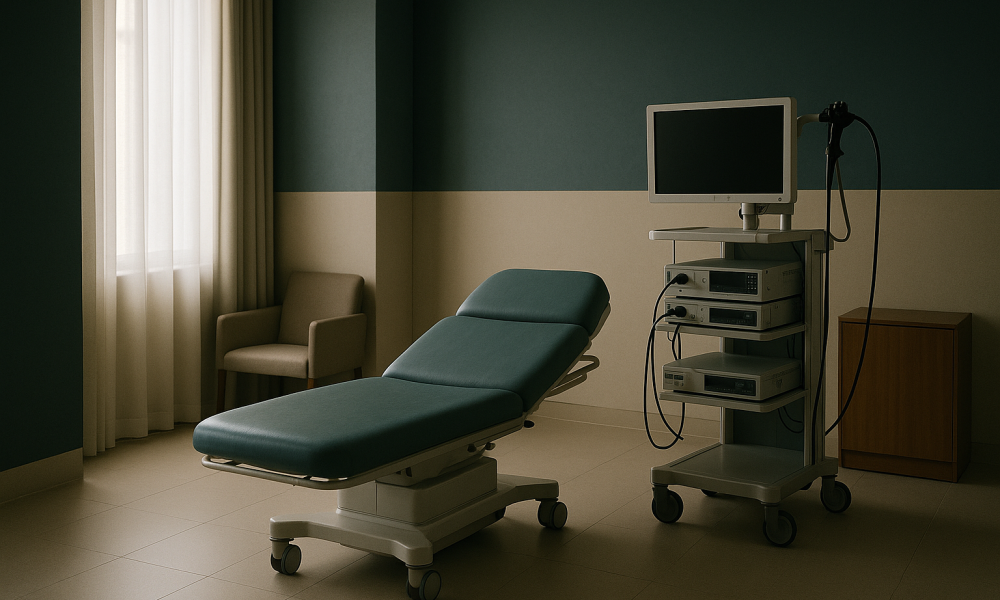
What Endoscopy and Colonoscopy Abroad is and who it is for
Endoscopy and colonoscopy are diagnostic procedures that allow doctors to view the interior surfaces of the digestive tract. An endoscopy involves inserting a flexible tube with a camera through the mouth to examine the oesophagus, stomach, and the first part of the small intestine. A colonoscopy, on the other hand, involves inserting a similar tube through the rectum to examine the colon and rectum. These procedures are vital for diagnosing conditions such as ulcers, polyps, inflammation, and cancer.
Turkey has become a leading destination for these procedures due to its advanced healthcare infrastructure, renowned medical professionals, and cost-effective services. The country is home to numerous internationally accredited hospitals equipped with state-of-the-art technologies. For Australian patients, travelling to Turkey for endoscopy or colonoscopy offers not only potential savings but also access to high-quality care that meets international standards.
The procedures are typically performed on an outpatient basis, meaning patients can return to their accommodations on the same day. They are generally completed in 30 to 60 minutes, depending on the complexity and whether biopsies are taken. Sedation is commonly used to ensure patient comfort. Results can often be discussed immediately after the procedure, although biopsy results may take a few days.
Patients choose Turkey for these procedures for various reasons including shorter waiting times compared to their home countries, the opportunity to combine healthcare with travel, and the expertise of Turkish medical professionals who often have international training and experience. Costs in Turkey are generally lower than in Australia, with prices ranging from approximately £800 to £1,500, depending on the specific procedure and facility.
Overall, endoscopy and colonoscopy procedures in Turkey are suitable for individuals seeking a timely diagnosis while enjoying the benefits of a medical tourism destination. It is essential for prospective patients to thoroughly research and ensure they are selecting accredited facilities with experienced professionals.
Are you a good candidate?
Determining whether you are a good candidate for an endoscopy or colonoscopy in Turkey involves considering several factors. These procedures are generally recommended for individuals experiencing symptoms such as persistent abdominal pain, unexplained weight loss, chronic heartburn, changes in bowel habits, or bleeding from the digestive tract. Additionally, they are often advised for individuals with a family history of gastrointestinal diseases or those over the age of 50 as part of routine screening for colorectal cancer.
Before deciding to undergo these procedures abroad, it is crucial to consult with your local healthcare provider. They can provide referrals and ensure that travelling for medical treatment is safe for you. Patients with certain medical conditions or those who may require more intensive post-operative care might need to consider local options instead.
- Persistent gastrointestinal symptoms
- Family history of GI diseases
- Age over 50 for routine screenings
- Cleared by a local healthcare provider for travel
- Ability to travel for medical treatment
- Desire for timely diagnosis
- Interest in combining healthcare with travel
It is also important to assess your personal comfort with travelling and staying in a foreign country for medical purposes. Consider the logistics of travel, including flight durations, accommodation, and potential language barriers. Fortunately, many Turkish healthcare providers offer services in English and have dedicated international patient departments to assist with travel arrangements and accommodation.
Ultimately, being a good candidate for endoscopy or colonoscopy in Turkey involves not only meeting medical criteria but also being prepared for the travel and cultural experience that accompanies medical tourism. Thorough research and planning are key to ensuring a successful and stress-free experience.
The procedure, step by step
Undergoing an endoscopy or colonoscopy in Turkey is a carefully orchestrated process designed to ensure both patient safety and diagnostic accuracy. Here’s a step-by-step overview of what typically occurs during these procedures:
- Preparation: Prior to the procedure, patients are usually instructed to follow specific dietary restrictions. For a colonoscopy, this often includes a clear liquid diet for 24 to 48 hours and the use of laxatives to ensure the colon is empty. An endoscopy might require fasting for 6 to 8 hours before the procedure. These guidelines are crucial for obtaining clear views during the examination.
- Arrival and Admission: Upon arrival at the medical facility, patients will complete any necessary paperwork and be admitted. This includes verifying medical history, allergies, and current medications. The healthcare team will provide a detailed briefing on what to expect during the procedure.
- Pre-procedure Evaluation: Patients typically undergo a brief evaluation, including vital signs monitoring and possibly a blood test. The anaesthetist or nurse will discuss sedation options. Commonly, a mild sedative is administered intravenously to help the patient relax and minimise discomfort.
- The Procedure: For an endoscopy, a thin, flexible tube with a camera, known as an endoscope, is gently inserted through the mouth into the digestive tract. For a colonoscopy, a similar tube, called a colonoscope, is inserted through the rectum to examine the colon. The procedures typically last between 15 and 45 minutes, depending on the complexity and findings.
- Biopsy and Polyp Removal: If necessary, the doctor may perform a biopsy or remove polyps during the procedure. These actions are generally painless and involve using special instruments passed through the scope. The samples are then sent to a laboratory for further analysis.
- Post-procedure Care: After the procedure, patients are moved to a recovery area. The effects of the sedation wear off within 30 to 60 minutes, during which time the medical team monitors the patient’s vital signs and overall condition. It’s common to experience mild bloating or cramping, which typically subsides quickly.
- Discharge and Instructions: Once stable, the patient is discharged with post-procedure instructions. These include dietary recommendations, activity limitations, and signs of potential complications to watch for, such as prolonged bleeding or severe pain. Follow-up appointments may be scheduled to discuss biopsy results and further treatment if needed.
Recovery timeline
The recovery timeline for endoscopy and colonoscopy procedures in Turkey varies depending on individual factors, but generally follows a predictable pattern. Here is a detailed table outlining what patients can expect during their recovery:
| Period | What to expect | Care notes |
|---|---|---|
| Day 1 | Post-procedure drowsiness due to sedation; mild bloating or cramping. Some patients may experience a sore throat if an endoscopy was performed. Appetite might be reduced. | Rest is recommended. Avoid driving or operating heavy machinery. Sip water and consume light meals as tolerated. Over-the-counter pain relief can be taken if needed. |
| Day 2-3 | Improvement in energy levels. Residual bloating or discomfort should diminish. Normal appetite usually returns. | Gradually resume normal diet. Continue to monitor for any unusual symptoms. Engage in light activities, but avoid strenuous exercise. |
| Day 4-7 | Most patients feel fully recovered. Digestive symptoms like bloating or cramping typically resolve. | Return to regular activities. Maintain a balanced diet rich in fibre, unless otherwise advised by the doctor. Schedule follow-up if biopsy was taken. |
| Full recovery (1-2 weeks) | Complete return to normal function. Any biopsy results are usually discussed with the healthcare provider by this time. | Ensure to follow any additional medical advice provided. Continue regular check-ups as recommended. |
What it costs: Turkey vs Australia
When considering medical procedures like endoscopy or colonoscopy abroad, cost is a significant factor for many patients. Turkey has become a popular destination for such procedures due to its competitive pricing, which often includes comprehensive packages. These packages typically cover not only the procedure itself but also associated costs that can accumulate significantly in countries like Australia.
In Australia, the cost of an endoscopy can range from AUD 1,500 to AUD 3,000, depending on the specific procedure and whether it is performed in a public or private facility. Colonoscopies can range from AUD 2,000 to AUD 4,000. These figures often do not include additional expenses such as consultations, anaesthesia, or follow-up care, which can add to the total cost.
In comparison, typical prices for endoscopy in Turkey range from AUD 600 to AUD 1,200, while colonoscopy costs can range from AUD 800 to AUD 1,500. These prices are indicative and can vary based on the clinic, the complexity of the procedure, and the city where the treatment is conducted. Importantly, packages in Turkey often include pre-procedure consultations, anaesthesia, post-procedure care, and sometimes even accommodation and transportation arrangements.
| Procedure | Australia (AUD) | Turkey (AUD) |
|---|---|---|
| Endoscopy | 1,500 – 3,000 | 600 – 1,200 |
| Colonoscopy | 2,000 – 4,000 | 800 – 1,500 |
These indicative prices in Turkey reflect a more inclusive approach where the patient is often provided with a comprehensive package that minimises unexpected costs. While the cost savings are significant, it is crucial for patients to thoroughly investigate what is included in the package and to ask for a detailed breakdown of costs before committing to a procedure abroad.
It is also advisable to consider other potential expenses such as travel, accommodation, and any additional medical care that might be required post-procedure, which can vary based on personal needs and recovery times.
Risks and how accredited providers manage them
Undergoing medical procedures such as endoscopy and colonoscopy, whether domestically or abroad, involves certain risks. It is essential for patients to be aware of these risks and understand how they are managed, especially when considering treatment in a foreign country like Turkey.
Risks associated with endoscopy and colonoscopy include reactions to anaesthesia, bleeding, infection, and, in rare cases, perforation of the gastrointestinal tract. However, these risks are generally low, particularly when procedures are performed by experienced professionals in accredited facilities.
In Turkey, many healthcare providers are accredited by international organisations such as the Joint Commission International (JCI). Accreditation ensures that these facilities adhere to stringent healthcare standards and protocols. Accredited providers in Turkey employ highly trained medical professionals who follow best practices to minimise risks. They utilise state-of-the-art equipment, and their staff are well-versed in the latest techniques and safety protocols.
- Pre-procedure Assessment: Accredited clinics conduct thorough pre-procedure evaluations to assess the patient’s health status and potential risk factors. This involves reviewing the patient’s medical history and conducting necessary tests to ensure suitability for the procedure.
- Use of Advanced Technology: The use of advanced diagnostic and therapeutic equipment reduces the risk of complications. High-definition endoscopes and colonoscopes allow for better visualisation and precision during the procedure.
- Experienced Medical Staff: Procedures are performed by experienced gastroenterologists and anaesthesiologists who are trained to handle any complications that may arise, ensuring patient safety.
- Post-procedure Monitoring: Patients are closely monitored post-procedure to quickly address any adverse symptoms or complications, ensuring prompt medical intervention if needed.
- Infection Control: Accredited facilities adhere to rigorous infection control protocols, including sterilisation of instruments and use of disposable materials when possible, to minimise infection risk.
While no procedure is without risk, choosing an accredited provider in Turkey can help ensure that the risks are managed effectively. Patients should feel empowered to ask potential providers about their accreditation status, the qualifications of the medical staff, and the protocols in place to manage any complications. Being informed and choosing a reputable clinic can significantly enhance the safety and success of undergoing endoscopy or colonoscopy abroad.
How to Choose the Right Provider
Choosing the right provider for your endoscopy or colonoscopy abroad is critical for a successful and safe experience. Start by checking if the facility is accredited by reputable international bodies. Accreditation from organisations such as the Joint Commission International (JCI) ensures that the clinic adheres to stringent healthcare standards. This accreditation is a hallmark of quality and safety.
Next, examine the experience and qualifications of the medical team. Surgeons and gastroenterologists should be board-certified and have extensive experience in performing endoscopic procedures. It’s advisable to inquire about the number of procedures they perform annually and their complication rates. Experienced professionals tend to have lower complication rates and higher success rates, though outcomes can never be guaranteed.
Aftercare services are another crucial factor. A comprehensive aftercare plan should include immediate post-procedure monitoring and follow-up consultations. Check if the facility provides a 24/7 helpline for any post-procedure concerns, which is particularly important when you are far from home. Ask about the availability of English-speaking staff to ensure clear communication throughout your treatment journey.
Be vigilant for red flags that might indicate a less reliable provider. These include a lack of transparency about costs, unusually low prices that are significantly below typical ranges (e.g., less than USD 800 for a colonoscopy), or pressure to commit quickly. Also, be wary if the clinic refuses to provide verifiable accreditation details or if patient reviews are overwhelmingly negative or suspiciously positive.
Finally, consider the facility’s location and accessibility. Proximity to major hospitals can be a safety net in case of emergencies. Also, research the local area for its safety, amenities, and ease of travel, which all contribute to a smoother medical tourism experience.
Planning Your Trip
Planning your medical trip to Turkey involves careful consideration of timelines, documentation, and logistics. Begin planning at least three months prior to your intended procedure date. This allows ample time for research, consultation, and obtaining necessary medical records.
Ensure your passport is valid for at least six months beyond your planned return date. Australian citizens typically need a visa for entry into Turkey, which can be obtained online before travel. It’s wise to have a detailed itinerary, including flight details, accommodation, and transportation arrangements. Consider purchasing travel and health insurance that covers medical procedures abroad.
Consult with your local GP to obtain medical records and any necessary referrals. These records should include recent medical history, any previous endoscopic procedures, and current medications. This information will be crucial for your Turkish healthcare provider to tailor the procedure to your specific needs.
Plan for a stay of at least 5-7 days in Turkey. This duration allows for the procedure, initial recovery, and any necessary follow-up appointments. While the procedure itself is often outpatient, you should plan for a day or two of rest post-procedure before travelling.
Post-procedure, ensure you have a clear understanding of the follow-up care required. This might include dietary restrictions, medication, and activity limitations. Arrange for a telehealth follow-up with your local GP upon returning home to ensure continuity of care.
Finally, factor in some leisure time to experience Turkey’s rich culture and history. Ensure to do so only when you are medically cleared by your physician, and keep activities light to avoid any undue stress or strain.
Frequently Asked Questions
Is it safe to have an endoscopy or colonoscopy in Turkey?
Turkey is home to many internationally accredited healthcare facilities, offering high standards of care. However, safety depends on choosing a reputable clinic with experienced professionals. Verify accreditation, surgeon qualifications, and patient reviews before proceeding. Always consult your local healthcare provider for advice before travelling.
What are the typical costs for endoscopy and colonoscopy in Turkey?
Typical costs for endoscopy in Turkey range from USD 500 to 1,200, while colonoscopy costs range from USD 750 to 1,500. These figures are indicative and can vary based on the clinic's location, the complexity of the procedure, and any additional services required. Always request a detailed cost breakdown from the provider.
How do I verify a clinic's accreditation in Turkey?
To verify a clinic's accreditation, check for certification from reputable organisations such as the Joint Commission International (JCI). You can often find this information on the clinic’s website or by contacting them directly. Additionally, JCI's website lists accredited facilities worldwide for further confirmation.
What documents do I need to bring for my procedure?
You will need your passport, visa (if required), and medical records. Medical records should include recent health history, previous endoscopic procedures, and current medications. It’s advisable to bring copies of any relevant imaging studies and reports to aid the medical team in Turkey.
How long should I plan to stay in Turkey for the procedure?
Plan to stay in Turkey for at least 5-7 days. This period allows for the procedure, initial recovery, and follow-up appointments. While endoscopic procedures are often outpatient, having a few extra days helps ensure you are well-recovered before travelling back home.
What aftercare will I need following the procedure?
Aftercare typically involves monitoring for any immediate complications, following dietary restrictions, and possibly taking prescribed medications. Before leaving the clinic, ensure you understand the aftercare instructions and have contact details for any concerns. Arrange a follow-up with your GP upon returning home.
Can I travel immediately after the procedure?
It is generally recommended to rest for at least 24-48 hours post-procedure before undertaking any travel. This allows your body to recover and ensures that any immediate complications can be addressed. Consult with your treating physician for personalised advice based on your medical condition.
Will there be language barriers at the clinics?
Many clinics catering to international patients in Turkey have English-speaking staff, including medical professionals and support personnel. However, it is always a good idea to confirm this before your visit to ensure effective communication throughout your treatment.
What should I do if complications arise after returning home?
In case of complications after returning home, contact your local GP or healthcare provider immediately. It is crucial to have a post-procedure follow-up plan, which might include telehealth consultations with your Turkish provider or local healthcare professionals to manage any issues that arise.
Are there any red flags I should watch out for when choosing a provider?
Red flags include lack of transparency about costs, unusually low prices, pressure to commit quickly, lack of verifiable accreditation, and overwhelmingly negative or suspiciously positive reviews. Ensure the provider is open about their qualifications, experience, and accreditation status.
How can I ensure continuity of care after my procedure?
Before you travel, coordinate with your local GP to arrange follow-up care upon your return. Share all medical records and procedure details with them. Also, ask your Turkish provider for a detailed report and recommendations for ongoing care to share with your GP.
What is the typical recovery time after a colonoscopy or endoscopy?
Recovery time varies, but most patients can resume normal activities within 24-48 hours after an endoscopy or colonoscopy. Some patients may experience mild discomfort or bloating, which usually resolves quickly. Follow your doctor's post-procedure advice for a smooth recovery.