
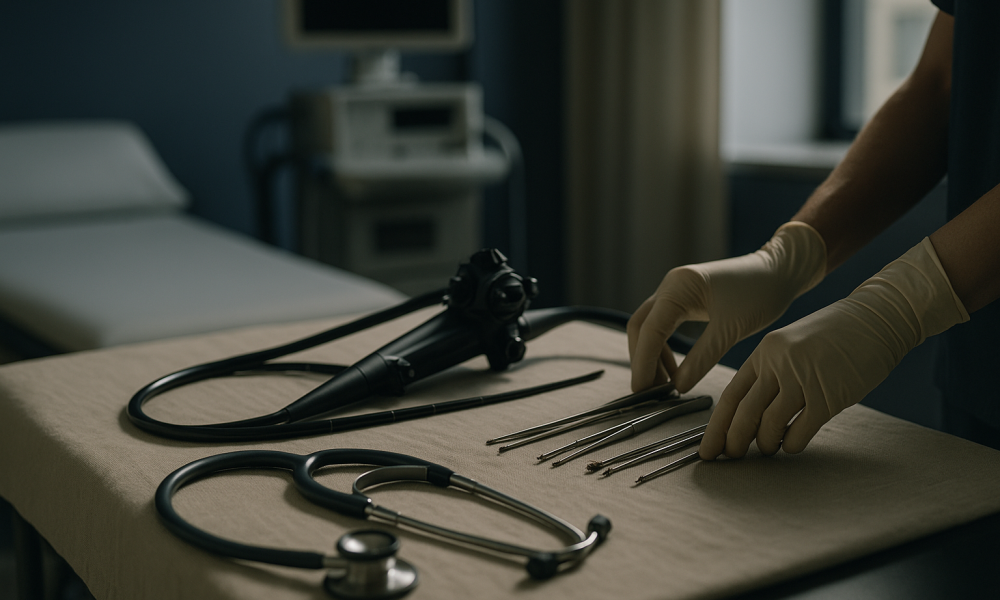
What Endoscopy and Colonoscopy Abroad is and who it is for
Endoscopy and colonoscopy are diagnostic procedures that allow doctors to view the inside of the digestive tract. These procedures are crucial for diagnosing conditions such as ulcers, gastritis, and colorectal cancer. Endoscopy involves the use of a flexible tube with a camera, called an endoscope, inserted through the mouth to examine the oesophagus, stomach, and the first part of the small intestine. Colonoscopy, on the other hand, is performed through the rectum to inspect the colon and rectum.
Turkey has become a popular destination for these procedures due to its advanced medical infrastructure, experienced specialists, and cost-effective treatments. The country offers state-of-the-art facilities that adhere to international health standards, ensuring that patients receive high-quality care. Moreover, many Turkish hospitals are accredited by international bodies, providing an added level of confidence for international patients.
Patients from Europe considering endoscopy or colonoscopy in Turkey often do so for several reasons. The cost of these procedures in Turkey is typically lower than in many Western countries, with indicative costs ranging from £800 to £1,500, depending on the complexity and specific requirements of the procedure. Additionally, the waiting times are generally shorter, allowing for prompt diagnosis and treatment.
These procedures are generally performed on an outpatient basis, meaning patients can return to their accommodation the same day. This convenience, coupled with the opportunity to recover in a relaxing environment, makes Turkey an attractive option for medical tourism. The procedures typically require sedation rather than full anaesthesia, which reduces recovery time and minimises risks associated with general anaesthesia.
Furthermore, Turkey’s strategic location makes it easily accessible from Europe, with frequent direct flights to major cities like Istanbul and Antalya. The combination of excellent healthcare, affordability, and accessibility contributes to Turkey’s reputation as a leading destination for medical tourism.
Are you a good candidate?
Determining if you are a good candidate for an endoscopy or colonoscopy involves several factors, including medical history, current symptoms, and specific medical needs. These procedures are typically recommended for individuals who exhibit symptoms indicative of gastrointestinal issues or require routine screenings.
- Age and Risk Factors: Individuals over the age of 50 or those with a family history of colorectal cancer are often advised to undergo regular colonoscopies as a preventive measure.
- Symptoms: Candidates often experience symptoms such as persistent abdominal pain, unexplained weight loss, chronic heartburn, blood in stools, or changes in bowel habits.
- Medical History: A history of gastrointestinal diseases, such as Crohn’s disease or ulcerative colitis, may necessitate these procedures for ongoing monitoring.
- Unresponsive to Treatment: If you have been treated for gastrointestinal symptoms without improvement, an endoscopy or colonoscopy may be necessary to provide further insights.
- Travel Readiness: Candidates should be in a condition that allows for international travel and should be comfortable with the logistics of receiving medical treatment abroad.
Before undergoing these procedures in Turkey, it’s essential to consult with your local healthcare provider to determine their necessity and ensure you are fit for travel. Patients should also be prepared to share their medical history and any previous test results with the Turkish medical team to facilitate a comprehensive evaluation.
Ultimately, the decision to undergo endoscopy or colonoscopy abroad should be made after careful consideration of your health needs and in consultation with medical professionals both at home and in Turkey. This approach ensures that you receive the most appropriate care tailored to your specific health circumstances.
The procedure, step by step
Undergoing an endoscopy or colonoscopy in Turkey involves a series of well-coordinated steps designed to ensure patient safety and comfort. These procedures are minimally invasive and primarily diagnostic, but they can also be used for therapeutic purposes. Below is a detailed step-by-step guide to what you can expect during these procedures.
- Initial Consultation: Before the procedure, you will have a consultation with a gastroenterologist. This includes discussing your medical history, current symptoms, and any medications you are taking. It’s crucial to inform the doctor of any allergies or previous adverse reactions to anaesthesia.
- Pre-procedure Preparation: Preparation varies slightly between endoscopy and colonoscopy. For an endoscopy, you may need to fast for 6-8 hours before the procedure. For a colonoscopy, a bowel prep is required, which typically involves a special diet and laxatives to clear the colon. This preparation is crucial for clear visibility during the procedure.
- Admission and Anaesthesia: Upon arrival at the medical facility, you will be admitted and prepared for the procedure. You will change into a hospital gown, and an intravenous (IV) line may be inserted to administer sedatives or anaesthesia. Most endoscopies and colonoscopies are performed under conscious sedation, allowing you to remain awake but relaxed and pain-free.
- The Procedure: For an endoscopy, a flexible tube with a camera (endoscope) is gently inserted through the mouth into the oesophagus, stomach, and upper part of the small intestine. For a colonoscopy, a similar tube (colonoscope) is inserted through the rectum to examine the colon and rectum. The procedure typically lasts between 15 to 60 minutes, depending on the findings and any necessary interventions, such as biopsy or polyp removal.
- Post-procedure Observation: After the procedure, you will be taken to a recovery area where medical staff will monitor you as the effects of the sedation wear off. This observation period usually lasts about 30 to 60 minutes. You may experience mild bloating or cramping, which is normal and temporary.
- Results Discussion: Once you are fully awake, the doctor will discuss the preliminary findings with you. If biopsies were taken, you will likely need to wait several days for the complete results. The doctor will provide advice on any necessary follow-up actions or lifestyle changes based on the findings.
Understanding these steps can help alleviate anxiety and allow you to prepare adequately for your procedure.
Recovery timeline
Recovery from endoscopy and colonoscopy in Turkey is generally swift, but it varies depending on individual health conditions and the specific procedures performed. Below is a detailed recovery timeline to help you understand what to expect and how to care for yourself post-procedure.
| Period | What to expect | Care notes |
|---|---|---|
| Day 1 | Post-procedure sedation effects may linger. You might feel drowsy or experience mild cramping or bloating. It’s normal to pass gas as the air introduced during the procedure is expelled. | Arrange for someone to drive you home. Rest for the remainder of the day. Drink plenty of fluids and resume a light diet as advised by your doctor. |
| Days 2-3 | Most sedation effects should have dissipated. You may resume normal activities, but avoid strenuous exercise. Monitor for any unusual symptoms such as severe pain or bleeding. | Continue hydration and gradually return to your regular diet. Contact your healthcare provider if you notice any concerning symptoms. |
| Days 4-7 | By this time, most patients feel completely normal. Any biopsies taken will have been sent for analysis, and you may receive results soon. | Follow up with your doctor to discuss biopsy results and any further treatment or lifestyle recommendations. |
| Full Recovery (1-2 weeks) | Complete recovery is usually achieved within this period. You should have received your biopsy results by now and any necessary follow-up appointments should be scheduled. | Maintain any dietary or lifestyle changes suggested by your healthcare provider. Keep a record of any persistent symptoms to discuss at follow-up visits. |
By adhering to the care advice provided, you can ensure a smooth and swift recovery.
What it costs: Turkey vs Europe
When considering endoscopy or colonoscopy procedures abroad, cost is often a significant factor. Turkey has emerged as a popular destination for these procedures, offering competitive pricing compared to many European countries. It is important to understand that the figures provided are indicative and can vary based on the specific healthcare provider, the complexity of the procedure, and any additional services included in the package.
The table below provides a comparison of indicative price ranges for endoscopy and colonoscopy procedures in Turkey versus Europe:
| Procedure | Turkey (Indicative Range) | Europe (Indicative Range) |
|---|---|---|
| Endoscopy | €500 – €1,000 | €1,200 – €2,500 |
| Colonoscopy | €600 – €1,200 | €1,500 – €3,000 |
These cost differences are primarily due to lower operational costs in Turkey, which allow healthcare providers to offer more competitive pricing. Additionally, many Turkish clinics and hospitals offer comprehensive packages that include not just the procedure itself, but also pre-operative assessments, post-operative care, accommodation, and sometimes even airport transfers. In contrast, in Europe, these additional services may incur extra costs, making the overall expense significantly higher.
It is crucial for prospective patients to inquire about what exactly is included in the quoted price. A typical package in Turkey might include:
- Initial consultation and diagnostic tests
- Procedure fees, including anaesthesia
- Post-procedure care and follow-up consultations
- Accommodation during recovery
- Transportation to and from the airport
Patients should also consider potential additional costs, such as travel expenses to Turkey and any required visas. It’s advisable to discuss with the healthcare provider to get a clear understanding of all potential costs involved, ensuring that the chosen package meets both medical and budgetary needs.
Risks and how accredited providers manage them
Undergoing medical procedures such as endoscopy or colonoscopy, whether at home or abroad, involves certain risks. These may include bleeding, perforation of the gastrointestinal tract, adverse reactions to anaesthesia, and infections. While these complications are rare, understanding how accredited providers in Turkey manage these risks is fundamental to making an informed decision.
Accredited hospitals and clinics in Turkey adhere to international standards of care, often being certified by organisations such as the Joint Commission International (JCI). These accreditations ensure that facilities maintain high levels of safety, quality, and patient care, aligning with global healthcare benchmarks.
To minimise risks, Turkish healthcare providers implement several strategies:
- Pre-procedure Assessment: Before performing endoscopies or colonoscopies, a detailed pre-operative assessment is conducted. This includes reviewing the patient’s medical history, conducting necessary blood tests, and ensuring the patient is fit for the procedure.
- Use of Advanced Technology: State-of-the-art equipment and technology are utilised to enhance precision and reduce the likelihood of complications. This includes high-definition imaging systems that provide clearer visuals, aiding in accurate diagnosis and treatment.
- Expertise of Medical Staff: Procedures are carried out by highly trained and experienced gastroenterologists and anaesthetists. Their expertise plays a critical role in managing potential complications swiftly and effectively.
- Infection Control Protocols: Strict infection control measures are followed, including sterilisation of equipment and maintaining a sterile environment in procedure rooms to minimise infection risks.
- Post-procedure Monitoring: After the procedure, patients are monitored closely for any signs of complications. Immediate medical attention is provided if any adverse effects are observed, ensuring prompt management of potential issues.
Patients are encouraged to actively participate in discussions about their care, asking providers about the specific measures they take to ensure safety and manage risks. Open communication with healthcare providers can help alleviate concerns and build trust, making the experience of undergoing medical procedures abroad more reassuring.
In summary, while every medical procedure carries inherent risks, choosing an accredited provider in Turkey that follows rigorous safety protocols can significantly mitigate these risks, providing peace of mind to international patients seeking care abroad.
How to choose the right provider
Choosing the right provider for an endoscopy or colonoscopy in Turkey is crucial for ensuring a safe and successful procedure. Begin by verifying the accreditation of the healthcare facility. Look for hospitals and clinics accredited by international bodies such as the Joint Commission International (JCI) or the International Organization for Standardization (ISO). These accreditations indicate that the facility adheres to high standards of care and safety.
Next, consider the experience and qualifications of the medical professionals. Research the gastroenterologists’ and surgeons’ backgrounds, including their education, years of experience, and any specialised training in endoscopy or colonoscopy. A minimum of five years of experience in performing these procedures is typically recommended, and you may also want to look for professionals who have completed fellowships or additional certifications in gastroenterology.
Aftercare is another important factor. Ensure that the provider offers comprehensive aftercare services, including post-procedure monitoring and follow-up consultations. This is particularly important for international patients who may need to travel back home soon after the procedure. Good providers will have a dedicated team to answer any questions or concerns that arise after the procedure.
Be aware of red flags that could indicate a less reliable provider. These include lack of transparency about costs, absence of accreditation, and poor communication. Additionally, if a facility promises guaranteed outcomes or uses high-pressure sales tactics, it may be best to look elsewhere. Reading reviews from previous patients can also provide valuable insights into the quality of care and patient satisfaction.
Finally, consider the language support offered by the facility. Many top hospitals in Turkey offer services in multiple languages, including English, to ensure that international patients can communicate effectively with their healthcare providers. This can greatly enhance your comfort and understanding of the procedure and care process.
Planning your trip
Planning your trip for an endoscopy or colonoscopy in Turkey requires careful attention to several logistical details. Begin by establishing a timeline before your travel. It is advisable to start planning at least two to three months in advance. This allows ample time for consultation bookings, travel arrangements, and any necessary medical evaluations or tests.
Ensure you have all the required documents ready. This includes a valid passport, visa (if required), and medical records such as previous test results and current medications. Some clinics may also ask for a pre-procedure health questionnaire to assess your suitability for the procedure.
Consider the length of stay required. Typically, patients undergoing endoscopy or colonoscopy may need to stay in Turkey for about three to five days. This includes the day of arrival, the day of the procedure, and at least one day for follow-up and recovery. However, this can vary depending on individual circumstances and any recommended additional tests or treatments.
Plan for follow-up care at home. Before your trip, discuss with your chosen healthcare provider in Turkey about how follow-up care will be managed once you return to your home country. They should provide you with a detailed report of the procedure and any recommendations for further care.
In terms of travel logistics, consider booking flexible flights and accommodations that can be adjusted if your recovery takes longer than expected. It’s also wise to check the cancellation policies of hotels or Airbnb accommodations.
Lastly, explore travel insurance options that cover medical procedures abroad. This can provide peace of mind and financial protection in case of unexpected complications or travel delays. Always read the fine print to ensure your insurance covers the specific procedures you are planning to undergo.
Frequently Asked Questions
What is the typical cost of an endoscopy in Turkey?
The cost of an endoscopy in Turkey can vary depending on the facility and the specific type of endoscopy required. Generally, prices range from £500 to £1,200. This price typically includes the procedure itself, the anaesthesia, and the use of the hospital facilities. However, it is essential to confirm what is included in the quoted price with your chosen provider.
How much does a colonoscopy typically cost in Turkey?
A colonoscopy in Turkey generally costs between £700 and £1,500. This price range usually covers the entire procedure, including pre-procedure consultations, anaesthesia, and the use of clinic facilities. It's important to verify with your healthcare provider what is included in the cost to avoid any unexpected expenses.
Is it safe to have an endoscopy or colonoscopy in Turkey?
Yes, it is generally safe to have an endoscopy or colonoscopy in Turkey, especially when performed in accredited facilities by experienced medical professionals. Turkey is known for its high-quality healthcare services, and many hospitals are accredited by international bodies. It is crucial to thoroughly research your chosen provider's credentials and to ensure they have a good track record of patient safety.
How do I verify a clinic's accreditation in Turkey?
To verify a clinic's accreditation in Turkey, check for certifications from recognised international bodies such as the Joint Commission International (JCI) or the International Organization for Standardization (ISO). You can usually find this information on the clinic's website or by contacting the clinic directly. Additionally, online reviews and forums can provide insights into the facility’s reputation.
What should I pack for my medical trip to Turkey?
When packing for your medical trip to Turkey, include comfortable clothing, all necessary personal identification documents, medical records, prescribed medications, and any required pre-procedure instructions. It is also advisable to bring a travel adapter for electronic devices, toiletries, and any personal items that will make your stay more comfortable. Consider packing a small amount of local currency for incidentals.
Do I need a visa to travel to Turkey for medical treatment?
Visa requirements for Turkey depend on your nationality. Citizens of many European countries can enter Turkey visa-free for short stays, while others may need to apply for an e-Visa or a visa on arrival. It is recommended to check the latest visa requirements on the official Turkish government website or consult with the Turkish consulate in your country before planning your trip.
How long should I plan to stay in Turkey for the procedure?
For an endoscopy or colonoscopy, plan to stay in Turkey for approximately three to five days. This duration typically covers the day of arrival, the procedure day, and at least one day for recovery and follow-up. Your healthcare provider will offer a more precise timeline based on your specific needs and any additional tests or treatments that may be recommended.
What kind of aftercare should I expect post-procedure?
After an endoscopy or colonoscopy, you should expect some form of aftercare, which may include instructions on diet, activity level, and medication. Most facilities will offer a follow-up consultation to discuss the procedure's outcomes and any necessary follow-up actions. Ensure you have clear communication with your healthcare provider about your aftercare plan before returning home.
Can I travel alone for my procedure, or should I bring a companion?
While it is possible to travel alone for an endoscopy or colonoscopy, bringing a companion is advisable, especially if you are undergoing sedation. A companion can provide support, assist with post-procedure care, and help manage travel logistics. If travelling alone, ensure that your healthcare provider is aware and can offer additional support if needed.
What if I experience complications after returning home?
If you experience complications after returning home, contact your healthcare provider in Turkey for advice. They should provide you with a detailed report of your procedure and recommendations for further care. Additionally, have a local healthcare provider in your home country ready to assist you if necessary. It's important to have a clear plan for follow-up care before you leave Turkey.
Are there language barriers I should be concerned about?
Many healthcare facilities in Turkey cater to international patients and offer services in multiple languages, including English. It's advisable to confirm the availability of language support when choosing a provider. This ensures clear communication throughout your treatment and helps avoid misunderstandings related to medical instructions or care.
How can I ensure a smooth follow-up process when I return home?
To ensure a smooth follow-up process post-procedure, establish clear communication with your healthcare provider in Turkey regarding your follow-up care plan. They should provide a detailed report of your procedure and any necessary recommendations. Arrange for a local healthcare provider in your home country to review these documents and continue your care. This coordination ensures continuity and addresses any concerns promptly.