
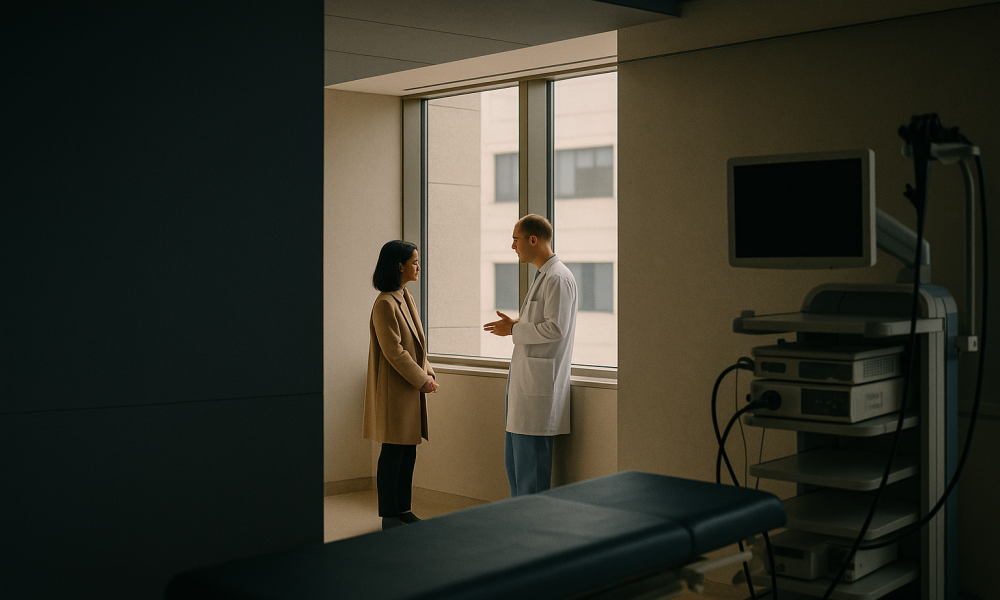
What Endoscopy and Colonoscopy Abroad is and who it is for
Endoscopy and colonoscopy are diagnostic procedures used to examine the digestive tract. These procedures are often sought by patients experiencing symptoms such as abdominal pain, persistent indigestion, or changes in bowel habits. In Turkey, these procedures are conducted in modern facilities by qualified specialists, offering a compelling option for those seeking treatment abroad. The primary advantage of undergoing these procedures in Turkey is the combination of high-quality care and affordability compared to the UK.
Endoscopy involves the use of a flexible tube with a camera (endoscope) to view the upper digestive system, which includes the oesophagus, stomach, and the beginning of the small intestine. Colonoscopy, on the other hand, examines the large intestine (colon) and rectum. Both procedures can help diagnose conditions such as ulcers, polyps, tumours, and sources of bleeding. They are minimally invasive and typically require only mild sedation.
Patients from the UK choose Turkey for these procedures due to the shorter waiting times and the chance to combine treatment with a brief stay in a culturally rich country. Turkish hospitals are known for their adherence to international standards, with many accredited by global healthcare organisations. English-speaking staff and patient coordinators further ease the communication process, ensuring that international patients feel comfortable and well-informed throughout their medical journey.
The cost of endoscopy and colonoscopy in Turkey is significantly lower than in the UK. While prices can vary based on the specific clinic and any additional tests or treatments required, patients can expect to pay between £500 and £1,200. This pricing is indicative and subject to change based on the patient’s specific needs and the hospital’s policies.
Are you a good candidate?
Determining whether you are a suitable candidate for endoscopy or colonoscopy involves several factors. These procedures are recommended for individuals who are experiencing certain persistent symptoms or who have been advised by their healthcare provider to undergo further investigation of their digestive health.
- Age and Health: Most candidates are over the age of 50 or have a family history of digestive issues or colon cancer. However, younger individuals experiencing concerning symptoms may also be considered.
- Symptoms: Candidates typically exhibit symptoms such as unexplained weight loss, persistent abdominal pain, chronic indigestion, rectal bleeding, or changes in bowel habits.
- Medical History: Patients with a history of digestive disorders, such as inflammatory bowel disease or previous polyps, may require regular monitoring through these procedures.
- Risk Factors: Lifestyle factors such as smoking, heavy alcohol use, and a diet high in red or processed meats can increase the risk of digestive issues and may necessitate an endoscopy or colonoscopy.
- Doctor’s Recommendation: A referral from your GP or a specialist is often necessary to determine the need for these procedures, ensuring they are performed for valid medical reasons.
If you meet any of these criteria, consulting a healthcare provider is the next step. They will assess your individual situation and may recommend an endoscopy or colonoscopy to investigate further. It’s important to discuss any concerns or questions with your doctor to ensure that you are fully informed about the procedure and its potential benefits.
The procedure, step by step
Undergoing an endoscopy or colonoscopy in Turkey involves a series of carefully orchestrated steps designed to ensure patient safety and the effective diagnosis or treatment of gastrointestinal issues. Here is a detailed step-by-step guide to what patients can expect during the procedure.
- Initial Consultation: Before the procedure, patients will have a consultation with a gastroenterologist. This session typically involves a detailed medical history review and a discussion of symptoms, previous medical conditions, and any current medications. This is also the time when the doctor will explain the procedure, potential risks, and benefits, and answer any questions.
- Pre-procedure Preparation: Patients will receive specific instructions on how to prepare for the endoscopy or colonoscopy. This usually includes dietary restrictions, such as fasting for 6-8 hours before an endoscopy or following a clear liquid diet and taking prescribed laxatives the day before a colonoscopy to ensure the bowel is clear.
- Arrival at the Facility: On the day of the procedure, patients should arrive at the healthcare facility about an hour prior to the scheduled time. Upon arrival, they will be checked in and guided to a preparation area where they will change into a hospital gown.
- Pre-procedure Assessment: Medical staff will conduct a brief health assessment, including measuring vital signs like blood pressure and heart rate. An intravenous (IV) line may be started to administer sedation and other necessary medications.
- Sedation: Most endoscopies and colonoscopies are performed under sedation to ensure comfort. The level of sedation can range from mild sedation, where the patient remains awake but relaxed, to deep sedation, where the patient is asleep. The choice depends on the procedure and patient preference.
- Conducting the Procedure: For an endoscopy, a flexible tube with a camera (endoscope) is gently inserted through the mouth and guided into the oesophagus, stomach, and duodenum. For a colonoscopy, the instrument is inserted through the rectum to examine the large intestine. The procedure typically takes between 15 to 45 minutes, depending on the complexity and whether any additional interventions, such as biopsies or polyp removal, are required.
- Post-procedure Recovery: After the procedure, patients are moved to a recovery area where they are monitored until the effects of sedation wear off. This usually takes about 30 to 60 minutes. During this time, the doctor will discuss preliminary findings and provide post-procedure care instructions.
- Discharge: Patients are usually discharged on the same day. They are advised to have someone accompany them home due to the lingering effects of sedation.
Recovery timeline
Recovery from an endoscopy or colonoscopy in Turkey is typically swift, but it is important for patients to understand what to expect at each stage to ensure a smooth recovery process. Here is a detailed timeline of the recovery period.
| Period | What to expect | Care notes |
|---|---|---|
| Day 1 | Patients may experience grogginess from sedation. Mild bloating and gas are common after a colonoscopy. For endoscopy, a sore throat might be present. | Rest for the remainder of the day. Avoid driving or operating heavy machinery. Drink plenty of fluids and eat a light meal once fully awake. |
| Days 2-3 | Most sedation effects will have subsided. Bloating and gas should diminish. Throat discomfort typically eases by day 3. | Resume normal diet gradually. Continue to stay hydrated. Monitor for any unusual symptoms like persistent pain or bleeding. |
| Week 1 | Patients usually feel back to normal. Any minor discomforts should have resolved. | Engage in regular activities as tolerated. A follow-up appointment may be scheduled to discuss biopsy results, if applicable. |
| Full Recovery | By the end of the first week, patients should experience full recovery with no lingering symptoms. | Maintain a healthy diet and lifestyle to support digestive health. Follow any specific advice given by the healthcare provider. |
What it costs: Turkey vs the United Kingdom
When considering endoscopy or colonoscopy procedures abroad, cost is often a significant factor for many patients. Turkey has emerged as a popular destination for these procedures, offering competitive pricing compared to the United Kingdom. However, it is imperative to understand that these figures are indicative and can vary depending on the specific clinic, the complexity of the procedure, and the package inclusions.
Below is a comparative table of indicative price ranges for endoscopy and colonoscopy procedures in Turkey versus the United Kingdom. These figures are meant to provide a general understanding and should not be taken as definitive costs.
| Procedure | Turkey (Indicative Range) | United Kingdom (Indicative Range) |
|---|---|---|
| Endoscopy | £500 – £1,200 | £1,500 – £3,000 |
| Colonoscopy | £700 – £1,500 | £1,800 – £3,500 |
In Turkey, these costs typically include the procedure itself, pre-operative assessments, basic lab tests, and post-operative care such as initial consultations and follow-up appointments. Many clinics also offer packages that include accommodation and airport transfers, which can be appealing for international patients.
In contrast, the costs in the United Kingdom may not always encompass such comprehensive packages. Patients often find that they pay separately for consultations, diagnostic tests, and follow-up care. Additionally, the waiting times for these procedures in the UK can be longer, which is a consideration for those needing timely interventions.
It is important to reach out to multiple clinics to get a detailed breakdown of what is included in their pricing. Prospective patients should also inquire about the qualifications of the medical team, the accreditation of the facility, and any additional costs that might arise. This ensures transparency and helps in making an informed decision.
Risks and how accredited providers manage them
Undergoing medical procedures such as endoscopy and colonoscopy involves inherent risks, regardless of the location. However, accredited providers in Turkey take extensive measures to manage and mitigate these risks, ensuring patient safety and care quality.
The potential risks associated with endoscopy and colonoscopy include bleeding, infection, perforation of the gastrointestinal tract, and adverse reactions to sedation. Although these complications are rare, they can occur, and it is crucial for patients to be aware of them.
Accredited providers in Turkey adhere to international standards of care, which include rigorous sterilisation protocols and the use of advanced medical equipment. These facilities are often certified by international bodies such as the Joint Commission International (JCI), ensuring that they meet stringent safety and quality benchmarks.
- Pre-Procedure Assessments: Before the procedure, patients undergo comprehensive assessments to evaluate their overall health and identify any potential contraindications. This involves a detailed medical history review and necessary diagnostic tests.
- Qualified Medical Professionals: Accredited clinics employ highly trained gastroenterologists and anaesthetists who are experienced in performing these procedures. Continuous professional development ensures that these professionals remain updated with the latest medical advancements.
- Infection Control: Strict infection control measures are implemented to prevent any post-procedural infections. This includes the use of disposable equipment where possible and sterilisation of reusable instruments.
- Post-Procedure Monitoring: After the procedure, patients are closely monitored in a recovery area. This allows for the immediate management of any adverse reactions to sedation or complications like bleeding.
- Emergency Protocols: In the unlikely event of a complication, accredited facilities have emergency protocols in place. This includes access to emergency care units and specialists who can address any issues promptly.
Patients are encouraged to discuss all potential risks and the measures in place to manage them with their healthcare provider before proceeding with treatment. This open communication helps in setting realistic expectations and enhances patient confidence in the care they will receive.
Ultimately, choosing an accredited provider in Turkey can offer peace of mind, knowing that patient safety and quality care are prioritised throughout the treatment process.
How to choose the right provider
Choosing the right provider for your endoscopy or colonoscopy in Turkey is crucial for a successful and safe experience. Start by looking for clinics or hospitals that are accredited by recognised international bodies such as the Joint Commission International (JCI) or the International Organization for Standardization (ISO). These accreditations ensure that the facility meets high standards of quality and safety.
Surgeon experience is another critical factor. Look for specialists who have extensive experience in performing endoscopic procedures. You may want to inquire about the number of procedures they perform annually and their success rates. While no medical procedure can guarantee outcomes, experienced specialists often have better track records.
Aftercare is a crucial component of your treatment journey. Ensure that the provider offers comprehensive aftercare services, including follow-up appointments and a clear plan for managing any complications that might arise. Some providers may offer virtual consultations for follow-up, which can be convenient once you return home.
Be vigilant about red flags. Avoid providers that are vague about their accreditations or do not have transparent pricing structures. Be cautious of clinics that make unrealistic promises or guarantee specific outcomes. Also, ensure that the clinic has English-speaking staff to facilitate clear communication during your treatment and recovery.
It’s beneficial to read reviews from previous international patients. These can provide insights into the patient’s experience, the quality of care, and the facility’s environment. However, take these reviews with a pinch of caution and cross-reference information from multiple sources.
Finally, consider reaching out to medical tourism agencies or consultants who specialise in arranging treatments abroad. They can offer valuable guidance and support in selecting a reputable provider.
Planning your trip
Proper planning is essential when considering endoscopy or colonoscopy treatment in Turkey. Start by consulting with your local GP or specialist about your decision to seek treatment abroad. Obtain all necessary medical records and a referral letter if required, as these documents will be crucial for your treatment plan in Turkey.
Once you’ve selected a provider, discuss the timeline for your treatment. Typically, you should aim to schedule your procedure at least 4-6 weeks in advance to allow for thorough preparation. This timeframe will also enable you to arrange travel documents, including a valid passport and any necessary visas. British citizens can travel to Turkey for up to 90 days without a visa for tourism purposes.
Consider the length of your stay. While the procedure itself might be completed in a day, plan to stay in Turkey for at least 3-5 days for initial recovery and follow-up appointments. This duration allows you to address any immediate post-procedure concerns before travelling back home.
Discuss the cost of the procedure with your chosen provider. Typically, endoscopy and colonoscopy procedures in Turkey range from £500 to £1,500, depending on the complexity and any additional tests required. Ensure you understand what is included in the quoted price, such as pre-procedure tests and post-procedure care.
After your procedure, follow-up at home is crucial. Coordinate with your local healthcare provider to ensure they receive all necessary documentation from your treatment in Turkey. This will help them manage your ongoing care effectively.
Lastly, consider travel insurance that covers medical tourism. This insurance should cover any complications that might arise during or after your procedure. Having a comprehensive plan will provide peace of mind and financial protection.
Frequently Asked Questions
What is the typical cost of a colonoscopy in Turkey?
The cost of a colonoscopy in Turkey typically ranges from £500 to £1,500. This price can vary depending on the complexity of the procedure, the facility chosen, and any additional diagnostic tests or aftercare services that may be required. It's important to confirm what's included in the price, such as consultations, pre-procedure tests, and post-procedure care.
Are endoscopy and colonoscopy procedures safe in Turkey?
Yes, endoscopy and colonoscopy procedures in Turkey are generally safe, especially when performed in accredited facilities. Many hospitals and clinics in Turkey adhere to international standards, and surgeons are often highly trained. However, as with any medical procedure, there are inherent risks, so it's crucial to choose a reputable provider and discuss any concerns with your healthcare professional.
How do I verify a clinic’s accreditation?
To verify a clinic's accreditation, check if it is recognised by international bodies such as the Joint Commission International (JCI) or the International Organization for Standardization (ISO). These organisations maintain online directories where you can search for accredited facilities. Additionally, you can contact the clinic directly to request proof of their accreditation status.
What should I pack for my medical trip to Turkey?
When travelling to Turkey for medical treatment, pack essentials like your passport, travel insurance documents, and medical records. Bring comfortable clothing, any prescribed medications, and personal items for your stay. Consider packing a list of important contacts, including your healthcare provider and the clinic's contact information, to ensure smooth communication during your trip.
Is language a barrier in Turkish healthcare facilities?
Language is generally not a barrier in Turkish healthcare facilities that cater to international patients. Many clinics and hospitals have English-speaking staff, and some offer translation services to ensure effective communication. However, it's always a good idea to confirm the availability of English-speaking personnel when choosing a provider.
What is the recovery time after a colonoscopy?
Recovery from a colonoscopy is typically quick. Most patients can resume normal activities within 24 hours after the procedure. However, it's advised to rest and avoid strenuous activities for a day or two. If polyps are removed or biopsies are taken, your doctor may provide specific instructions for recovery. Always follow your healthcare provider’s advice for post-procedure care.
Do I need travel insurance for medical treatment abroad?
Yes, having travel insurance that covers medical tourism is strongly recommended when seeking treatment abroad. This insurance should cover any complications that might arise during or after your procedure, providing peace of mind and financial protection. Ensure that the policy includes coverage for medical evacuation, treatment costs, and extended stays if necessary.
How soon can I travel back to the UK after my procedure?
You can usually travel back to the UK within a few days after an endoscopy or colonoscopy, assuming there are no complications. Doctors typically recommend staying in Turkey for 3-5 days post-procedure for follow-up care and initial recovery. Always follow your healthcare provider's advice on when it's safe to travel.
Will I need a visa for my medical trip to Turkey?
British citizens can travel to Turkey for up to 90 days without a visa for tourism purposes, which includes medical tourism. However, it's essential to ensure your passport is valid for at least six months from your date of entry into Turkey. Always check the latest travel advice and entry requirements before your trip.
How do I prepare for my endoscopy or colonoscopy?
Preparation for an endoscopy or colonoscopy typically involves dietary restrictions and bowel preparation. Your healthcare provider will give you specific instructions, which may include fasting and taking a laxative solution to clear the digestive tract. Following these instructions carefully is crucial for the success of the procedure and accurate results.
What follow-up care is needed after returning to the UK?
After returning to the UK, follow-up care will depend on the findings of your procedure. Ensure your local healthcare provider receives all necessary documentation from your treatment abroad. They will manage any ongoing care, including further tests or treatments if needed. Regular check-ups may be recommended based on your medical history and the procedure outcomes.
Are there any red flags to watch out for when choosing a provider?
Yes, be cautious of providers that lack transparent pricing, are vague about their accreditations, or make unrealistic promises about outcomes. Ensure the clinic has English-speaking staff and read reviews from previous patients. Avoid clinics that pressure you into quick decisions or do not provide comprehensive information about their services and aftercare.