
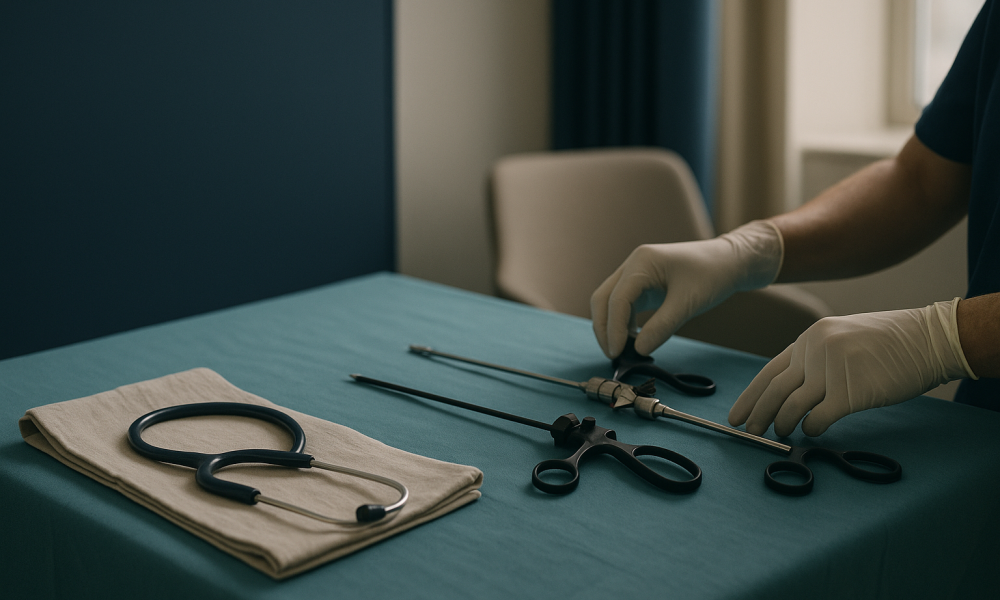
What POEM Achalasia Treatment is and who it is for
Peroral Endoscopic Myotomy (POEM) is a minimally invasive endoscopic procedure designed to treat achalasia, a condition where the oesophagus fails to move food toward the stomach effectively. This results in difficulty swallowing, regurgitation, and sometimes chest pain. POEM involves making a small incision in the inner lining of the oesophagus to access the muscle layers, where a targeted cut is made to relieve the pressure and allow for easier passage of food.
POEM is particularly beneficial for individuals who have not found relief from traditional treatments such as pneumatic dilation or botulinum toxin injections. It is also an option for patients who wish to avoid the more invasive surgical procedure known as Heller myotomy. The procedure is performed under general anaesthesia and typically takes between one to three hours. It requires a highly skilled endoscopist due to its precision and complexity.
In Turkey, POEM is gaining popularity due to its high success rate and the expertise available in the country’s medical facilities. Turkish hospitals are known for their advanced technology and skilled healthcare professionals who frequently perform this procedure. Patients often choose Turkey not only for the quality of care but also for the cost-effectiveness compared to similar procedures in the UK or other Western countries.
Typically, patients are required to stay in the hospital for one to two days after the procedure to monitor for any immediate complications such as bleeding or infection. Recovery is generally swift, with many patients returning to work within one to two weeks and achieving full recovery within a month. The results of POEM are often immediate, with patients experiencing relief from symptoms shortly after the procedure.
Are you a good candidate?
Determining whether you’re a suitable candidate for POEM involves a comprehensive evaluation by a medical professional. This procedure is generally recommended for those diagnosed with achalasia, particularly when other treatments have failed or are unsuitable. The following checklist can help you assess your eligibility:
- Confirmed diagnosis of achalasia through diagnostic tests such as oesophageal manometry, barium swallow, or endoscopy.
- Minimal relief from previous treatments like pneumatic dilation or botulinum toxin injections.
- Desire to avoid more invasive surgical options such as Heller myotomy.
- General good health with no contraindications to general anaesthesia.
- Ability to follow post-procedure dietary and lifestyle recommendations to support recovery.
- Commitment to attend follow-up appointments for monitoring and assessment of treatment effectiveness.
It is crucial to have a detailed discussion with a healthcare provider to understand the potential risks and benefits of POEM. Factors such as age, overall health, and specific medical history will be considered. POEM is not suitable for everyone, including those with specific oesophageal disorders beyond achalasia or severe comorbidities that increase surgical risk. A thorough pre-operative assessment will help ensure that POEM is the right choice for your specific condition and needs.
The procedure, step by step
Peroral Endoscopic Myotomy (POEM) is a minimally invasive procedure designed to treat achalasia by cutting the muscle at the lower end of the oesophagus to allow food to pass into the stomach more easily. This procedure is performed under general anaesthesia and typically takes between 60 to 120 minutes. Here is a detailed step-by-step guide to what the procedure involves:
- Preparation: Before the procedure, patients will undergo a series of tests, including an endoscopy, manometry, and possibly a barium swallow study to confirm the diagnosis of achalasia. Patients are advised to fast for at least 8 hours prior to the procedure.
- Induction of Anaesthesia: The patient is placed under general anaesthesia. An endotracheal tube is inserted to secure the airway and ensure the patient remains unconscious and pain-free during the procedure.
- Endoscopic Entry: The surgeon inserts a flexible endoscope through the mouth and into the oesophagus. The endoscope is equipped with a camera to provide real-time images, allowing the surgeon to navigate the oesophageal passage.
- Mucosal Incision: A small incision is made in the mucosa, the innermost layer of the oesophagus, using a specialised endoscopic knife. This incision is typically about 2 cm in length and provides access to the underlying muscle layer.
- Submucosal Tunnel Creation: A tunnel is created between the mucosal layer and the muscle layer of the oesophagus. This tunnel is carefully dissected to reach the lower oesophageal sphincter (LES), the muscle that needs to be cut.
- Myotomy: Once the lower oesophageal sphincter is accessed, the surgeon performs the myotomy. This involves cutting the muscle fibres of the LES to reduce the pressure and allow easier passage of food into the stomach.
- Closure: After the myotomy is complete, the mucosal incision is closed using endoscopic clips. These clips help to facilitate healing and prevent infection or leakage.
- Post-Procedure Assessment: The patient is monitored in a recovery area where vital signs are closely observed. An initial assessment is conducted to ensure there are no immediate complications such as bleeding or perforation.
Overall, POEM is a highly specialised procedure requiring skilled endoscopists and advanced medical facilities. Patients considering this treatment in Turkey can expect a high standard of care and expertise.
Recovery timeline
Recovery from POEM is generally quicker compared to traditional surgical approaches due to its minimally invasive nature. However, it is still important to follow a structured recovery plan to ensure optimal healing and outcomes. Below is a detailed recovery timeline:
| Period | What to expect | Care notes |
|---|---|---|
| Day 1 | Patients may experience mild throat discomfort and chest pain. There is often a sensation of bloating due to insufflation during the procedure. Most patients are kept in the hospital for monitoring. | Rest is crucial. Pain management typically includes analgesics as prescribed. Patients should begin with a clear liquid diet. |
| Days 2-3 | Discomfort usually decreases. Patients may be discharged from the hospital if there are no complications. A swallow test might be performed to ensure there is no leakage. | Continue with a liquid diet. Gradually introduce soft foods as tolerated. Follow the surgeon’s dietary instructions closely. |
| Week 1 | Most patients start feeling significantly better. Eating soft foods is generally well tolerated, and energy levels begin to return to normal. | Maintain a soft diet. Avoid strenuous activities. Regular follow-up appointments should be attended. |
| Weeks 2-4 | Further improvement in swallowing and overall comfort. Patients can gradually return to normal activities, but heavy lifting should be avoided. | Monitor for any signs of infection or complications. Continue with follow-up care and dietary adjustments as advised. |
| Full recovery (6-8 weeks) | By this time, most patients have fully recovered and can enjoy a normal diet without difficulty. Swallowing function is typically restored, significantly improving quality of life. | Regular check-ups are recommended to ensure long-term success. Maintain a healthy diet and lifestyle to support digestive health. |
Following these guidelines can help ensure a smooth recovery process. It’s important to maintain communication with healthcare providers and report any unusual symptoms immediately.
What it costs: Turkey vs the United Kingdom
When considering POEM (Peroral Endoscopic Myotomy) treatment for achalasia, cost is a significant factor for many patients. In Turkey, the cost of medical procedures is often lower than in the United Kingdom, primarily due to differences in healthcare systems and overall cost of living. It is essential to understand that the figures provided here are indicative and can vary based on specific circumstances, including the healthcare provider, the complexity of the case, and any additional services required.
| Cost Component | Turkey (Indicative Range) | United Kingdom (Indicative Range) |
|---|---|---|
| POEM Procedure | £3,000 – £5,000 | £8,000 – £12,000 |
| Pre-operative Consultation | Included in Package | £150 – £300 |
| Hospital Stay (2-3 nights) | Included in Package | £500 – £1,000 per night |
| Post-operative Follow-up | Included in Package | £150 – £300 per visit |
| Travel and Accommodation | £500 – £1,000 | Not Applicable |
In Turkey, the indicative total cost of the entire treatment package, which typically includes the POEM procedure, pre-operative consultation, hospital stay, and post-operative follow-up, ranges from £3,500 to £6,500. In contrast, in the United Kingdom, the total cost for similar services can range from £9,000 to £15,000, depending on the hospital and additional services required.
Many Turkish providers offer comprehensive packages, which may include airport transfers, accommodation for the patient and a companion, and a dedicated patient coordinator to assist with logistics and translation services. These packages are designed to ensure a seamless and stress-free experience for international patients, often providing a significant cost advantage over piecemeal arrangements.
While cost savings are a compelling reason to consider treatment abroad, it is crucial to evaluate the quality of care, the credentials of the healthcare providers, and the accreditation of the medical facility. Patients should seek detailed information about what is included in their treatment package and any potential additional costs. This ensures that they have a clear understanding of the financial commitment involved and can make an informed decision.
Risks and how accredited providers manage them
Like any medical procedure, POEM for achalasia carries certain risks. It is vital for patients to be aware of these risks and understand how accredited providers in Turkey manage them to ensure patient safety and successful outcomes. The key risks associated with POEM include perforation of the oesophagus, infection, bleeding, and adverse reactions to anaesthesia.
Perforation: This is a potential risk during POEM, where the surgical instruments might create a hole in the oesophageal wall. Accredited providers mitigate this risk by employing highly experienced gastroenterologists who use advanced endoscopic techniques. The use of real-time imaging and precision instruments reduces the likelihood of such complications.
Infection: Post-operative infections are a concern with any surgical procedure. Accredited hospitals in Turkey maintain strict hygiene protocols and post-operative care standards to minimise this risk. Patients are closely monitored for signs of infection, and prophylactic antibiotics are often administered as a preventive measure.
Bleeding: While rare, bleeding can occur during or after the procedure. To manage this risk, providers ensure that surgical teams are prepared to address any bleeding promptly. Endoscopic techniques allow for immediate cauterisation of any bleeding vessels, which helps in controlling the situation effectively.
Adverse Reactions to Anaesthesia: Anaesthesia-related complications, although uncommon, can occur. Accredited facilities in Turkey employ experienced anaesthesiologists who conduct thorough pre-operative assessments to identify any potential risks. They use modern anaesthetic techniques and monitoring equipment to ensure patient safety throughout the procedure.
Accredited providers in Turkey are committed to high standards of patient safety and care. Facilities often hold international accreditations such as JCI (Joint Commission International), which ensures adherence to global healthcare quality standards. These providers also invest in continuous training for their medical staff, ensuring they remain updated with the latest medical advancements and techniques.
Furthermore, comprehensive post-operative care plans are developed for each patient. These plans include regular follow-ups, dietary consultations, and access to medical advice post-discharge. This holistic approach not only addresses immediate post-operative risks but also supports long-term recovery and health management.
Patients are encouraged to discuss all potential risks and management strategies with their healthcare provider before proceeding with treatment. An open dialogue ensures that patients have realistic expectations and are fully informed about the procedure, contributing to a more confident and comfortable treatment experience.
How to choose the right provider
Choosing the right provider for POEM (Peroral Endoscopic Myotomy) treatment for achalasia in Turkey is crucial for ensuring a smooth and successful medical journey. Start by verifying the accreditation of the hospital or clinic. Look for international accreditations such as JCI (Joint Commission International) or ISO certifications, which indicate adherence to global healthcare standards.
Surgeon experience is another critical factor. Ideally, the surgeon should have extensive experience with POEM procedures, which can be confirmed by asking about their training, the number of procedures performed, and success rates. A surgeon with a record of performing at least 50 POEM procedures annually would be considered experienced. Inquire about their membership in professional gastroenterological societies, which often require stringent ongoing education and practice standards.
Aftercare is a vital component of the treatment process. Ensure that the provider offers comprehensive post-operative care, including dietary advice and follow-up consultations. The first few days post-surgery are crucial, and having a well-structured aftercare plan can significantly impact recovery outcomes. Some providers may offer telemedicine follow-ups once you return home, which can be invaluable for ongoing support.
Red flags to watch out for include lack of transparency in costs, vague responses about surgeon qualifications, and poor communication. Be wary of providers who do not offer detailed information about the procedure, risks, and recovery expectations. Additionally, avoid clinics that promise unrealistic outcomes or lack clear patient testimonials and reviews.
Finally, consider the logistical aspects such as the location of the hospital, ease of communication in English, and availability of patient coordinators to assist with travel arrangements and medical appointments. By carefully evaluating these factors, you can select a provider that aligns with your medical needs and personal preferences, ensuring a safe and effective treatment experience.
Planning your trip
Planning your trip for POEM treatment in Turkey involves several important steps. Begin by establishing a timeline. Typically, you should start planning at least 3-4 months in advance to allow for adequate research and preparation. This includes obtaining medical evaluations and securing necessary travel documents.
Ensure your passport is valid for at least six months beyond your planned return date. Additionally, check if a visa is required for UK citizens; currently, UK nationals can enter Turkey without a visa for short stays.
The length of stay for POEM treatment can vary. Generally, patients should plan to stay in Turkey for about 7 to 10 days. This duration allows for pre-operative assessments, the procedure itself, and initial recovery. Discuss with your provider to understand the specific timeline they recommend based on your medical needs.
Arrange for necessary documents, including medical records, prescriptions, and any relevant health insurance information. Some clinics may offer assistance with travel arrangements, so inquire if this service is available.
Consider travel insurance that covers medical procedures abroad. This can provide peace of mind against unforeseen circumstances. Additionally, plan for follow-up care at home. Coordinate with your local GP or specialist to ensure continuity of care post-treatment.
Accommodations near the hospital can simplify logistics, especially during the recovery period. Many providers have partnerships with local hotels or can recommend patient-friendly accommodations.
Finally, plan for transportation within Turkey. Options include airport transfers arranged by the clinic or public transport. Ensure you have a clear understanding of these logistics to avoid last-minute stress. By addressing these elements thoughtfully, you can ensure a well-organised and stress-free medical journey.
Frequently Asked Questions
What is the typical cost of POEM treatment in Turkey?
The cost of POEM treatment in Turkey can vary widely based on the facility and the specifics of your case. Typically, you can expect to pay between £3,000 and £6,000. This range is indicative and generally includes hospital fees, surgeon fees, and initial consultations. It is important to confirm what is included in the quoted price and ask if there are any additional costs.
How do I ensure the clinic is reputable?
To ensure a clinic's reputation, check for international accreditations like JCI or ISO certifications. These indicate adherence to global healthcare standards. Additionally, research patient reviews and testimonials. Contact the clinic directly to discuss the surgeon's experience and the number of POEM procedures performed. Transparency in communication is a good indicator of a reputable clinic.
What documents do I need for my medical trip to Turkey?
For your medical trip to Turkey, you will need a valid passport with at least six months remaining before expiry. While UK citizens currently do not require a visa for short stays, check for any recent changes in requirements. Bring medical records, prescriptions, and any relevant health insurance information. It’s also wise to have contact details for your local GP for follow-up care.
What should I consider regarding aftercare?
Aftercare is crucial to a successful recovery from POEM treatment. Ensure your provider offers comprehensive post-operative care, including dietary guidance and follow-up consultations. Some clinics offer telemedicine services for follow-up once you return home. Discuss these options with your provider to ensure you have the necessary support during your recovery phase.
How long should I plan to stay in Turkey for the treatment?
You should plan to stay in Turkey for about 7 to 10 days for POEM treatment. This period allows for pre-operative consultations, the procedure, and initial recovery. Consult with your chosen provider to confirm the exact timeline based on your medical needs. It is important to follow their advice to ensure a smooth recovery.
Is POEM considered a safe procedure?
POEM is generally considered a safe and effective procedure for treating achalasia. As with any medical procedure, there are risks involved, but serious complications are rare. Choosing an experienced surgeon and a reputable clinic can further minimise risks. Discuss potential risks and benefits with your healthcare provider to make an informed decision.
What happens if I experience complications after returning home?
If you experience complications after returning home, contact your local GP or specialist immediately. Additionally, maintain communication with your Turkish provider, as they may offer telemedicine consultations to address concerns. It’s important to have a post-treatment plan in place before travelling to ensure you know how to proceed in case of any issues.
Can I travel alone for the procedure?
While it is possible to travel alone for POEM treatment, it is often recommended to have a companion. Having someone with you can provide emotional support and assist with logistics, especially during the recovery period. If travelling alone, ensure the clinic offers adequate support services, including transportation and language assistance.
What kind of follow-up care should I expect once back in the UK?
Once back in the UK, follow-up care typically involves regular consultations with your GP or specialist to monitor your recovery. Your Turkish provider may also offer telemedicine follow-ups. Ensure you have a clear plan for follow-up care before travelling, including any dietary restrictions or medication adjustments that may be necessary.
How can I verify the surgeon's experience?
To verify a surgeon's experience, inquire directly with the clinic about their qualifications and the number of POEM procedures they have performed. A surgeon performing at least 50 POEM surgeries annually is considered well-experienced. Membership in professional medical societies can also be an indicator of their expertise and commitment to ongoing education.
Are there any hidden costs I should be aware of?
While most clinics are transparent, it’s important to confirm what is included in the quoted price for POEM treatment. Ask about additional costs such as pre-operative tests, post-operative care, medications, and accommodation. Ensure you have a clear understanding of the financial aspects to avoid unexpected expenses.
What should I do if I don't speak Turkish?
Most clinics serving international patients have English-speaking staff or offer translator services. Before travelling, confirm with your chosen provider that they can accommodate English speakers. This ensures smooth communication during your consultations and treatment. Additionally, having an English-speaking patient coordinator can greatly assist with logistical arrangements.