
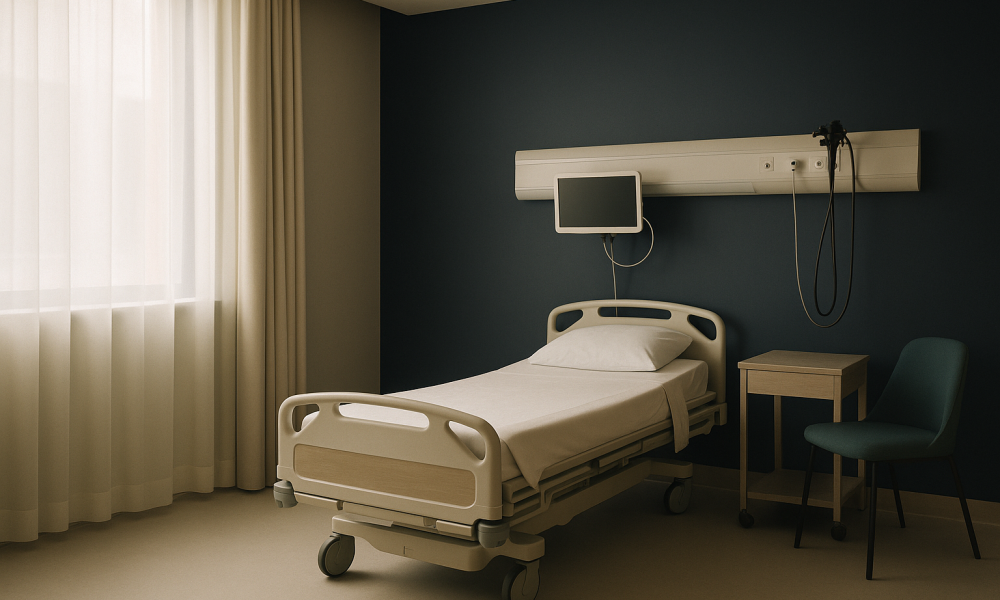
What POEM Achalasia Treatment is and who it is for
Peroral Endoscopic Myotomy (POEM) is an advanced, minimally invasive endoscopic procedure used to treat achalasia, a rare disorder affecting the oesophagus, the tube that carries food from the mouth to the stomach. Achalasia occurs when the lower oesophageal sphincter (LES), the muscle at the lower end of the oesophagus, fails to relax properly, leading to difficulty in swallowing, regurgitation, and sometimes chest pain. Over time, this can significantly impact a person’s quality of life, making it crucial to seek effective treatment.
POEM involves using an endoscope, a flexible tube with a camera and instruments, inserted through the mouth to reach the oesophagus. The procedure is performed under general anaesthesia and typically lasts between 1 to 3 hours. During POEM, the surgeon makes a small incision in the inner lining of the oesophagus to access and cut the muscles of the LES, thereby allowing it to relax and open more easily. This helps alleviate the symptoms of achalasia by improving the passage of food into the stomach.
Introduced in 2008, POEM has gained popularity due to its effectiveness and minimally invasive nature. It is particularly suitable for patients who have not responded well to other treatments such as pneumatic dilation or medication. The procedure is also advantageous as it avoids external incisions, reducing visible scarring and infection risks associated with traditional surgical methods.
In Turkey, POEM has become a sought-after treatment due to the country’s experienced medical professionals and state-of-the-art healthcare facilities. Patients from the United States often consider Turkey for this procedure due to the competitive costs, which are generally lower than in the US, without compromising on quality. Typical costs in Turkey range from £3,500 to £5,000, depending on the hospital and specific patient needs.
Overall, POEM is a promising treatment option for those suffering from achalasia, offering relief from symptoms, a short hospital stay of 1 to 2 days, and a quick recovery period. Most patients can expect to return to work within 1 to 2 weeks and achieve full recovery in about 2 to 3 weeks. Results are often immediate, with significant improvement in swallowing and reduction in regurgitation.
Are you a good candidate?
Determining whether you are a suitable candidate for POEM involves a thorough evaluation by a gastroenterologist or a specialised surgeon. Achalasia can vary in its severity and presentation, so a personalised assessment is crucial. Generally, POEM is considered for individuals who meet certain criteria:
- Diagnosis of Achalasia: You must have a confirmed diagnosis of achalasia, typically determined through tests such as an oesophageal manometry, barium swallow X-ray, or endoscopy.
- Unsuccessful Previous Treatments: Candidates often include those who have not experienced relief from other treatments such as pneumatic dilation or medications.
- Good Overall Health: You should be in reasonably good health to undergo general anaesthesia and the procedure itself, with no significant comorbid conditions that could complicate recovery.
- Non-Surgical Preference: POEM is ideal for those seeking a minimally invasive option with a faster recovery time compared to traditional surgery.
- Age Considerations: While there is no strict age limit, younger patients may particularly benefit from the long-term effectiveness of POEM.
- Willingness to Travel: International patients must be prepared to travel to Turkey and stay for the duration of the procedure and initial recovery period.
Before proceeding with POEM, a comprehensive consultation will be conducted to evaluate your symptoms, medical history, and specific needs. This may include additional diagnostic tests to ensure that POEM is the most appropriate course of action for your condition. It is essential to discuss all available treatment options, potential risks, and benefits with your healthcare provider to make an informed decision.
In summary, POEM offers a viable solution for many achalasia patients, especially those who value a minimally invasive approach and are seeking expert care in Turkey. By meeting the candidacy criteria, you can work with your medical team to achieve the best possible outcome.
The procedure, step by step
Peroral Endoscopic Myotomy (POEM) is a minimally invasive endoscopic procedure designed to treat achalasia, a condition affecting the oesophagus. The procedure is carried out under general anaesthesia and typically takes about 60 to 90 minutes to complete. Here is a detailed step-by-step overview of the POEM procedure:
- Preparation: Prior to the procedure, patients undergo a comprehensive evaluation, including endoscopy, manometry, and imaging studies to confirm the diagnosis of achalasia and to plan the myotomy. Patients are usually advised to fast for at least 8 hours before the procedure to ensure an empty stomach.
- Introduction of the Endoscope: The procedure begins with the insertion of a flexible endoscope through the mouth and into the oesophagus. The endoscope is equipped with a camera and instruments necessary for the procedure. This allows the surgeon to visualise the oesophageal lining and locate the area requiring treatment.
- Creation of a Submucosal Tunnel: A small incision is made in the mucosal layer of the oesophagus, typically about 10 to 12 cm above the lower oesophageal sphincter (LES). Through this incision, a tunnel is created in the submucosal layer, extending down to the LES. This tunnel provides access to the muscle layer for the myotomy.
- Myotomy: The surgeon carefully dissects the circular muscle fibres of the oesophagus and the LES. The myotomy extends approximately 6 to 10 cm in the oesophagus and 2 to 3 cm into the stomach, relieving the obstruction that causes swallowing difficulties.
- Closure of the Mucosal Entry: After the myotomy is completed, the initial mucosal incision is closed using endoscopic clips or sutures. This closure is crucial to prevent any leakage from the oesophagus into the mediastinum, reducing the risk of infection.
- Post-procedure Assessment: Once the procedure is complete, the endoscope is withdrawn, and the patient is taken to a recovery area. A gastrografin swallow test may be performed to check for any leaks before the patient begins oral intake.
The POEM procedure is highly specialised and requires a trained endoscopist. It is important to note that while POEM is effective in relieving symptoms of achalasia, outcomes can vary, and patients should discuss all potential risks and benefits with their healthcare provider.
Recovery timeline
The recovery from POEM is generally swift, given its minimally invasive nature. Patients can expect a structured recovery process, which is crucial for optimal outcomes. Below is a detailed recovery timeline:
| Period | What to expect | Care notes |
|---|---|---|
| Day 1 | Patients typically remain in the hospital overnight for monitoring. Some mild throat discomfort and chest pain may occur. | Receive intravenous fluids and pain management. Monitor for any signs of complications such as fever or significant pain. |
| Days 2-3 | Patients may begin a clear liquid diet. Most are discharged from the hospital by day 2, provided there are no complications. | Follow dietary guidelines strictly. Continue to monitor for any adverse symptoms. |
| Week 1 | Transition from clear liquids to a soft diet. Gradual improvement in swallowing should be noticeable. | Avoid strenuous activities. Attend follow-up appointments as scheduled. |
| Weeks 2-3 | Patients can slowly reintroduce more solid foods as tolerated. Energy levels start to improve. | Continue to avoid heavy lifting. Report any persistent swallowing difficulties to your doctor. |
| 1 Month | Most patients return to normal diet and activities. Swallowing function is significantly improved. | Maintain regular follow-up to ensure long-term success and address any issues promptly. |
| 3 Months | Full recovery is typically achieved. Patients can expect stable improvements in swallowing. | Complete any remaining follow-up tests to confirm the success of the procedure. |
Recovery experiences can vary, and patients should adhere to their medical team’s advice to ensure the best possible outcome. Regular follow-up is essential to monitor progress and address any concerns that may arise.
5. What it costs: Turkey vs the United States
The cost of medical procedures can vary significantly between countries, and POEM (Peroral Endoscopic Myotomy) for achalasia treatment is no exception. Patients from the United States considering treatment abroad may find Turkey an attractive option due to its competitive pricing and high-quality care. It is important to note that all pricing figures are indicative and can vary based on individual circumstances, provider, location, and the specific details of the treatment package.
Below is a comparative table of indicative price ranges for POEM treatment in Turkey versus the United States:
| Country | Indicative Price Range (USD) | Typical Package Inclusions |
|---|---|---|
| Turkey | $6,000 – $10,000 | Consultations, POEM procedure, hospital stay (2-3 days), pre-operative tests, post-operative follow-up, medications |
| United States | $15,000 – $25,000 | Consultations, POEM procedure, hospital stay (2-3 days), pre-operative tests, post-operative follow-up, medications |
It’s evident from the above that the cost of POEM in Turkey is generally lower than in the United States. However, prospective patients should consider other factors beyond cost. Travel expenses, accommodation, and the potential need for extended stays should be factored into the overall budget. Some clinics in Turkey offer comprehensive medical tourism packages that may include airport transfers, accommodation, and even local tours, which can add convenience and value to the treatment journey.
It is also worth mentioning that the quality of healthcare in Turkey is upheld by internationally accredited hospitals and clinics, many of which have partnerships with esteemed healthcare institutions worldwide. As such, patients can expect a high standard of care, often comparable to that in Western countries. Patients are encouraged to verify the credentials and accreditation of their chosen healthcare provider and to discuss all aspects of the treatment package, including any additional costs that may arise during their stay.
6. Risks and how accredited providers manage them
POEM is a minimally invasive procedure used to treat achalasia, a disorder that affects the ability of the oesophagus to move food toward the stomach. As with any medical procedure, it carries certain risks, but accredited providers in Turkey are well-equipped to manage these effectively. Understanding these risks and how they are handled can help patients make informed decisions about their treatment abroad.
Common risks associated with POEM include bleeding, infection, and perforation of the oesophagus. Although these complications are considered rare, they require prompt and effective management. Accredited healthcare providers in Turkey adhere to strict safety protocols to minimise these risks. They employ highly trained specialists who use advanced diagnostic tools and techniques to ensure precise execution of the procedure.
Accredited facilities in Turkey typically follow a comprehensive pre-operative assessment process. This includes detailed consultations to evaluate the patient’s medical history, current health status, and any potential risk factors. This thorough assessment helps in tailoring the procedure to the individual needs of the patient, thereby reducing the likelihood of complications.
In the event of a complication such as bleeding or perforation, Turkish hospitals are equipped with state-of-the-art technology and skilled medical personnel to provide immediate intervention. For instance, endoscopic techniques can often be employed to address minor perforations without the need for open surgery. Additionally, hospitals maintain strict infection control measures to mitigate the risk of post-operative infections, which include sterile operating environments and the use of prophylactic antibiotics when appropriate.
Post-operative care is another critical aspect of risk management. After the procedure, patients are closely monitored in a dedicated recovery area where their vital signs and overall condition are regularly assessed. This monitoring helps in the early detection of any adverse effects, allowing for timely intervention. Accredited providers also offer comprehensive follow-up care, which may include dietary advice, medication management, and scheduled follow-up appointments to ensure a smooth recovery process.
Furthermore, many Turkish healthcare facilities seeking international patients are accredited by organisations such as the Joint Commission International (JCI), which ensures adherence to global standards of patient safety and quality of care. Patients are encouraged to inquire about the specific accreditations held by their chosen provider, as these can be indicative of the facility’s commitment to maintaining high standards in healthcare delivery.
How to choose the right provider
When selecting a provider for Per-Oral Endoscopic Myotomy (POEM) treatment in Turkey, several critical factors should guide your decision. First and foremost, ensure that the medical facility is accredited by international bodies such as the Joint Commission International (JCI) or the Turkish Ministry of Health. Accreditation ensures that the hospital adheres to global standards of medical care and patient safety.
Next, consider the surgeon’s experience and expertise. POEM is a complex procedure requiring a high level of skill. Look for a surgeon who has performed a significant number of POEM procedures, ideally over 100, and who can provide patient testimonials or case studies to illustrate successful outcomes. Surgeons who are members of international gastroenterological societies may also have additional credibility.
Aftercare is another crucial aspect of the decision-making process. Ensure that the provider offers comprehensive post-operative care, including dietary consultations and follow-up appointments. An adequate aftercare program will include at least one follow-up appointment before you return home, and a clear plan for remote consultations if needed. This can be essential for monitoring your recovery and addressing any complications that may arise.
Be aware of red flags when choosing your provider. Avoid clinics that make unrealistic guarantees about the success of the procedure or those that lack transparency regarding potential risks and side effects. Also, be cautious if the provider is unwilling to provide detailed information about the surgeon’s qualifications or if the cost of the procedure seems unusually low without clear justification. A typical POEM procedure in Turkey, including hospital stay, ranges from $8,000 to $15,000, depending on the facility and surgeon’s experience.
In summary, choosing the right provider involves careful consideration of accreditation, surgeon experience, aftercare programs, and potential red flags. By doing thorough research and asking pertinent questions, you can make an informed decision that prioritises your health and safety.
Planning your trip
Planning your trip for POEM treatment in Turkey involves several key steps to ensure a smooth and successful experience. Begin by creating a timeline, starting approximately three months before your intended travel date. This allows sufficient time to research providers, obtain necessary documents, and make travel arrangements.
Gather all relevant medical documents, including your medical history, previous treatments, and any diagnostic tests related to achalasia. These documents will be crucial for your initial consultation and treatment planning. Ensure that your passport is valid for at least six months beyond your intended stay in Turkey and check if you require a visa. U.S. citizens can often obtain an e-Visa online, which is a straightforward process.
The typical length of stay for POEM treatment in Turkey is about 7 to 10 days. This includes pre-operative consultations, the procedure itself, and initial recovery. Plan to arrive at least two days before your scheduled procedure to allow time for consultations and any additional tests. Post-procedure, you may need to stay in the hospital for 1 to 3 days, followed by a few days of rest at your accommodation before you are fit to travel.
Consider arranging for a companion to accompany you, as you may need assistance during the initial recovery phase. Additionally, check the availability of local transportation options, such as hospital shuttles or private taxis, to make your stay more comfortable.
After returning home, arrange for follow-up care with your local gastroenterologist. Ensure that your Turkish provider offers a clear plan for remote follow-up consultations, should any issues arise. This continuity of care is essential for a smooth recovery.
In summary, a well-planned trip involves preparing a timeline, organizing medical and travel documents, understanding the expected length of stay, and ensuring follow-up care is arranged. By addressing these elements, you can focus on your recovery and maximise the benefits of your POEM treatment in Turkey.
Frequently Asked Questions
What is the typical cost of POEM treatment in Turkey?
The cost of POEM treatment in Turkey typically ranges from $8,000 to $15,000. This range depends on various factors, including the experience level of the surgeon, the specific hospital or clinic, and the extent of aftercare services provided. It's important to note that these figures are indicative and can vary based on additional services or extended hospital stays.
How safe is POEM treatment in Turkey?
POEM treatment in Turkey is generally considered safe, especially when performed by experienced surgeons at accredited facilities. Turkish hospitals often meet international healthcare standards and are staffed by well-trained professionals. However, as with any medical procedure, there are inherent risks, and patients should thoroughly research their chosen provider, ensuring they are accredited and have a strong track record.
What should I look for in a POEM surgeon?
When choosing a POEM surgeon, consider their experience and qualifications. Look for surgeons who have performed a significant number of POEM procedures, ideally over 100. Check if they are affiliated with reputable international gastroenterological societies. Patient testimonials and case studies can also provide insights into their expertise and success rates.
How long should I plan to stay in Turkey for the procedure?
For POEM treatment, plan to stay in Turkey for about 7 to 10 days. This period includes pre-operative consultations, the procedure itself, and initial recovery time. Arriving a couple of days before the procedure allows for any necessary tests and consultations. Most patients are ready to travel home after a few days of post-operative rest.
What documents do I need for my treatment in Turkey?
You will need to bring your medical history, any diagnostic tests related to achalasia, and previous treatment records. Ensure your passport is valid for at least six months beyond your stay. U.S. citizens should check visa requirements, though an e-Visa is often sufficient and can be obtained online with minimal hassle.
How do I ensure continuity of care after returning home?
To ensure continuity of care after returning home, establish a follow-up plan with your local gastroenterologist. Ensure your Turkish provider offers remote consultation options for any post-operative concerns. Good communication between your Turkish and local doctors is essential for a smooth recovery and to address any complications quickly.
Can I travel alone for the POEM procedure?
While it's possible to travel alone, it's advisable to have a companion accompany you. The initial recovery phase may require assistance, and having someone with you can provide emotional and physical support. Additionally, a companion can help with logistics, such as transportation and communication with healthcare providers.
What are the red flags to watch out for when choosing a provider?
Red flags include clinics that offer unrealistic guarantees of success or lack transparency about risks and side effects. Be cautious if the provider is reluctant to provide detailed information about the surgeon’s qualifications. Also, unusually low costs without clear explanations could indicate compromised quality or hidden fees.
Are there language barriers when receiving treatment in Turkey?
Language barriers are generally minimal in Turkish hospitals catering to international patients, as many healthcare providers speak English. Moreover, many hospitals have dedicated international patient departments with staff fluent in multiple languages to assist with communication and administrative processes.
What is the recovery time after POEM treatment?
The recovery time after POEM treatment varies, but most patients can expect to resume normal activities within 1 to 2 weeks. Initial recovery in Turkey will take a few days post-procedure, during which you'll be monitored for any complications. Full recovery and adjustment to dietary changes may take a bit longer.
How soon can I eat normally after the procedure?
After POEM, you'll follow a phased diet, starting with liquids and gradually moving to soft foods before resuming a normal diet. This progression typically occurs over a few weeks, with most patients returning to a regular diet within 2 to 4 weeks, depending on individual recovery and physician advice.
Is it common to experience complications after POEM?
Complications after POEM are relatively rare but can occur, including risks like infection or perforation. Most are manageable with prompt medical attention. Choosing an experienced surgeon and adhering to post-operative care instructions significantly reduces the likelihood of complications. Always discuss potential risks with your healthcare provider beforehand.